Civil society groups in South Africa are urging a temporary pause on new data centre approvals to assess impacts on water, electricity and land. The Human Rights Commission received 250+ submissions after a May 2026 call for input and highlighted transparency gaps in resource and community impact data. An Equinix site in Cape Town—estimated to need about 160 MW—has reignited local concerns after the 2018 "Day Zero" water crisis. Regulators, industry and activists are debating whether stricter disclosure rules or a moratorium will better protect public resources.
South Africa Urged to Pause Data Centre Approvals Over Water, Power and Land Concerns
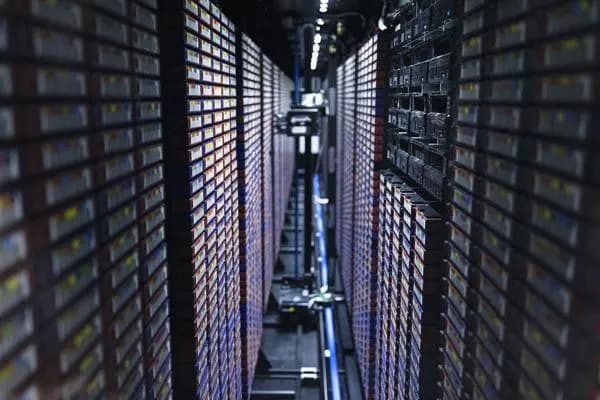
Credit: Microsoft
Civil society organisations across South Africa are calling for a temporary halt to new data centre approvals while regulators and communities examine the impact of large-scale facilities on scarce resources such as water, electricity and land.
Why Communities Are Worried
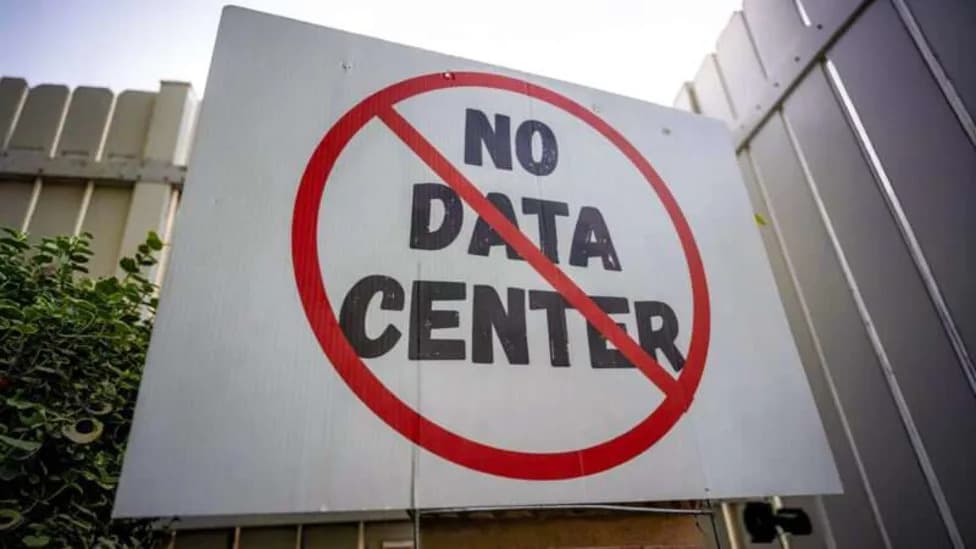
Campaigners and rights groups say proposed projects must face more rigorous public scrutiny because the country has limited resources that could be stretched by rapid data-centre growth. Critics argue that government approvals have been granted with insufficient transparency about resource demands and local impacts.
“A key issue emerging from the process is precisely the availability, consistency and transparency of information relating to matters such as electricity and water demand, land use, infrastructure requirements, environmental impacts and impacts on surrounding communities,”
— Dr. Eileen Carter, South African Human Rights Commission
High-Profile Projects and Local Flashpoints
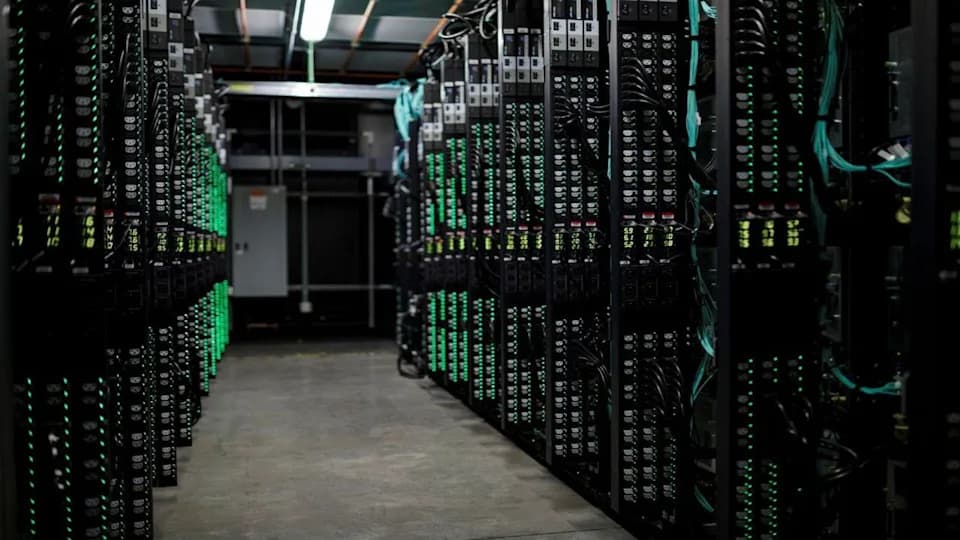
One of the most contested proposals is a planned Equinix hyperscale facility in Cape Town. The project is estimated to require roughly 160 megawatts of power, a figure that has revived public anxiety in a city still marked by the near-catastrophic 2018 “Day Zero” water crisis.
President Cyril Ramaphosa has pointed out that South Africa hosts roughly 70% of Africa’s data centre capacity and frames the sector as a major economic opportunity. Major U.S. technology companies such as Amazon, Microsoft and Equinix have been expanding infrastructure in the country for several years.

Google logo on a black background next to text reading 'Click to follow TechRadar'
Power, Water and Transparency
National utility Eskom reported a surplus during this year’s winter peak-demand season, suggesting short-term improvement after years of supply stress. Activists worry, however, that any apparent surplus could be diverted to new commercial facilities rather than being used to stabilise supply for households and other public needs.
Currently, data centre operators in South Africa are not required to disclose upfront their exact commitments for water, electricity and land use — a transparency gap many campaigners call a major problem.
“Serious investors are not deterred by clear rules. They price uncertainty, and an unregulated boom is the most uncertain environment of all,”
— Pitso Tsibolane, Senior Lecturer in Information Systems, University of Cape Town
At the same time, some industry voices caution against overstating the sector's strain on utilities. Sasha Booth-Beharilal, chair of the Internet Service Providers Association, argues that rising electricity demand from data centres has not been a meaningful driver of national tariff increases or supply shortages, and that resource footprints vary substantially between South African projects and sprawling U.S. campuses.
What’s Next
The South African Human Rights Commission says it received more than 250 public submissions after calling for input in May 2026. Whether a temporary moratorium would lead to clearer regulatory rules and better disclosure — or whether it would delay essential digital investment — remains an open question as regulators, industry and civil society negotiate the next steps.
Help us improve.