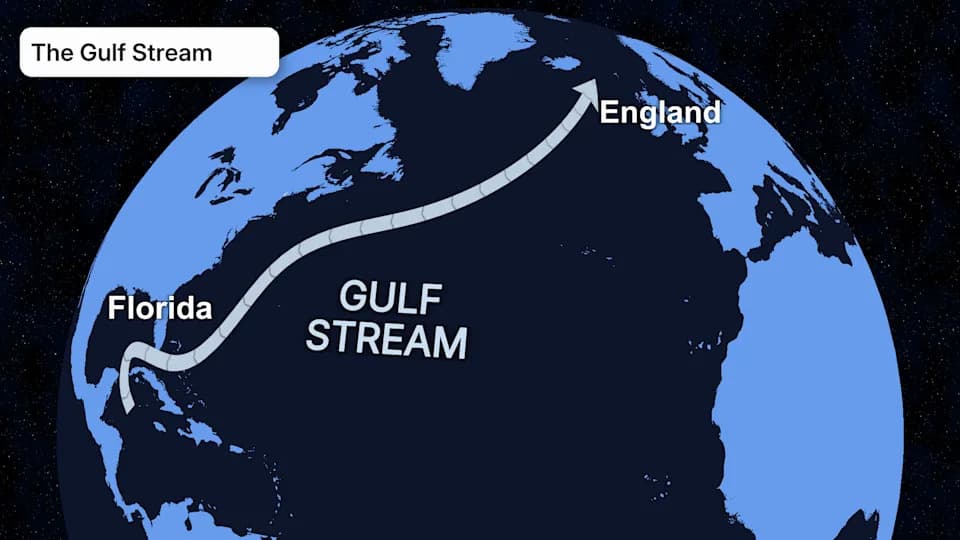
The University of Miami-led study finds that the recurring Sargassum blooms affecting Atlantic beaches originate in the Gulf of Guinea off West Africa, not the Sargasso Sea. Researchers used Bayesian inversion and transition path theory to trace the first major bloom and linked its emergence to anomalous 2009–2010 ocean conditions—cooler surface waters, enhanced upwelling and extra nutrients from Saharan dust and river runoff. Biological differences in the algae support a West African origin, improving prospects for forecasting and targeted response.
Sargassum Invasion: Study Traces Massive Atlantic Seaweed Blooms to the Gulf of Guinea
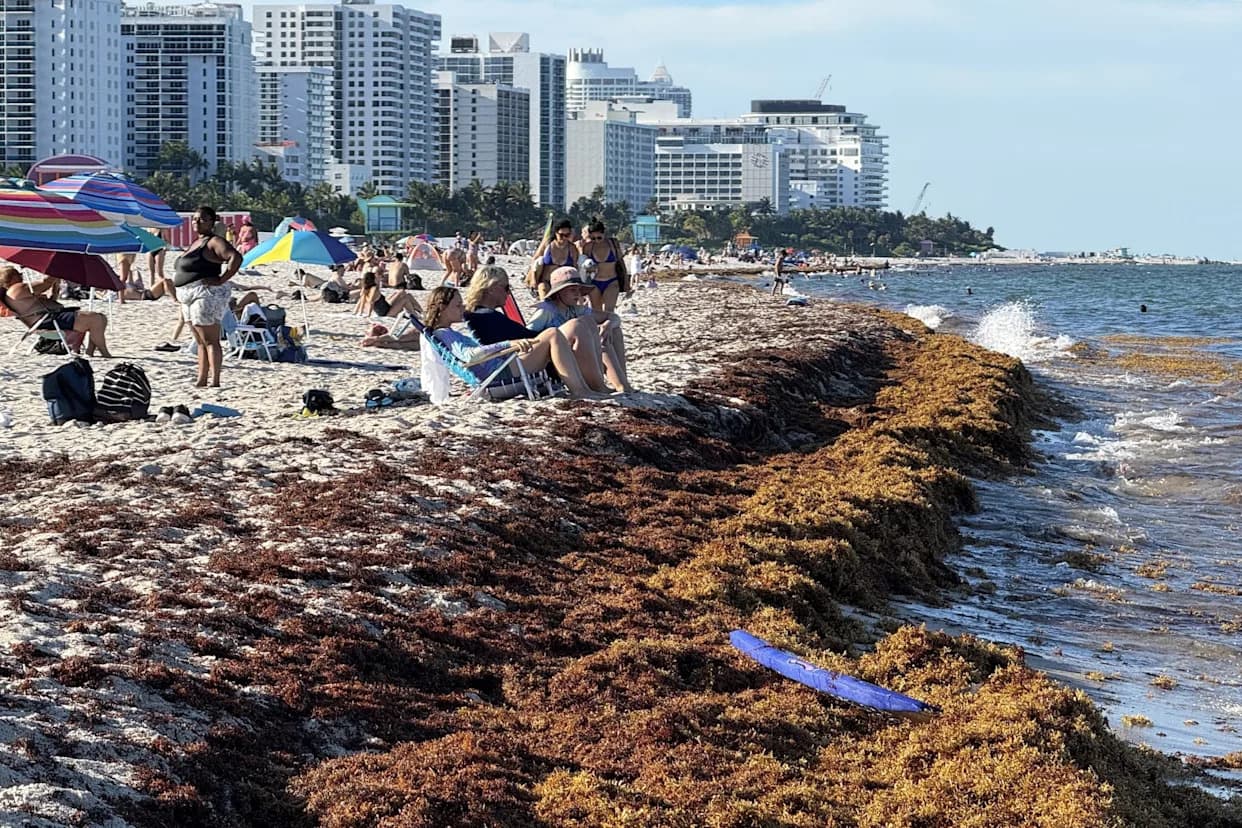
Sargassum seaweed blooms plaguing Atlantic beaches traced back to West Africa
A new study led by researchers at the University of Miami's Rosenstiel School identifies the Gulf of Guinea off West Africa as the principal source of the large Sargassum seaweed blooms that have been fouling tropical Atlantic beaches since 2011. These floating mats of brown algae have repeatedly disrupted coastal ecosystems, fisheries and tourism across the Caribbean, the Gulf of Mexico and South Florida.
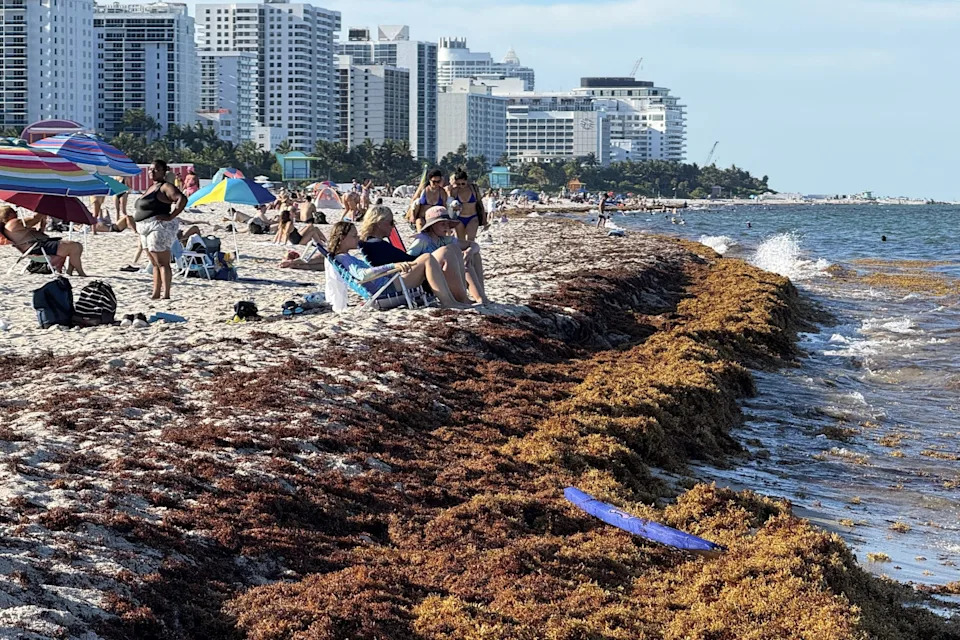
People sit on the sand in south beach, Miami during the seasonal surge of Sargassum seaweed, on July 21, 2025.(Getty Images)
How the Origin Was Traced
The team used two independent analytical methods to track the first major bloom: Bayesian inversion, which estimates the most likely source region from observations of where and when the algae appeared, and transition path theory, which identifies the most efficient ocean transport routes that could have supplied the bloom. Both approaches converged on the same area: the Gulf of Guinea along the coast of West Africa.
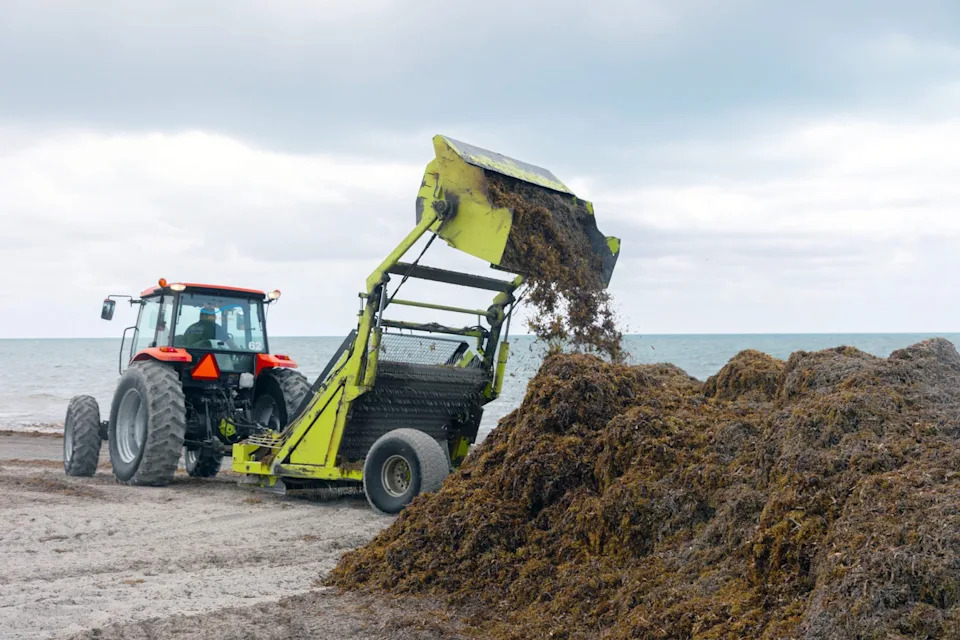
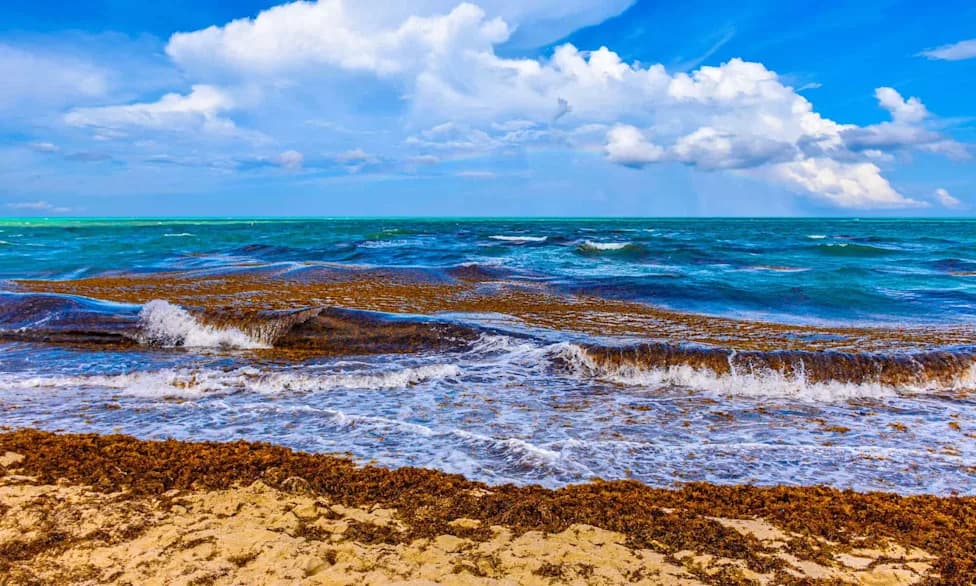
Swaths of sargassum, or seaweed, washed up in Key Biscayne on Thursday, April 24 and was raked into piles to be taken to the landfill.
Environmental Conditions That Sparked the Bloom
The study links the emergence of large-scale Sargassum to anomalous oceanographic conditions in 2009–2010. Cooler sea surface temperatures combined with enhanced, nutrient-rich upwelling off West Africa likely created fertile conditions for rapid growth. Additional nutrient inputs from Saharan dust deposition and increased river runoff may have further fueled the expansion.
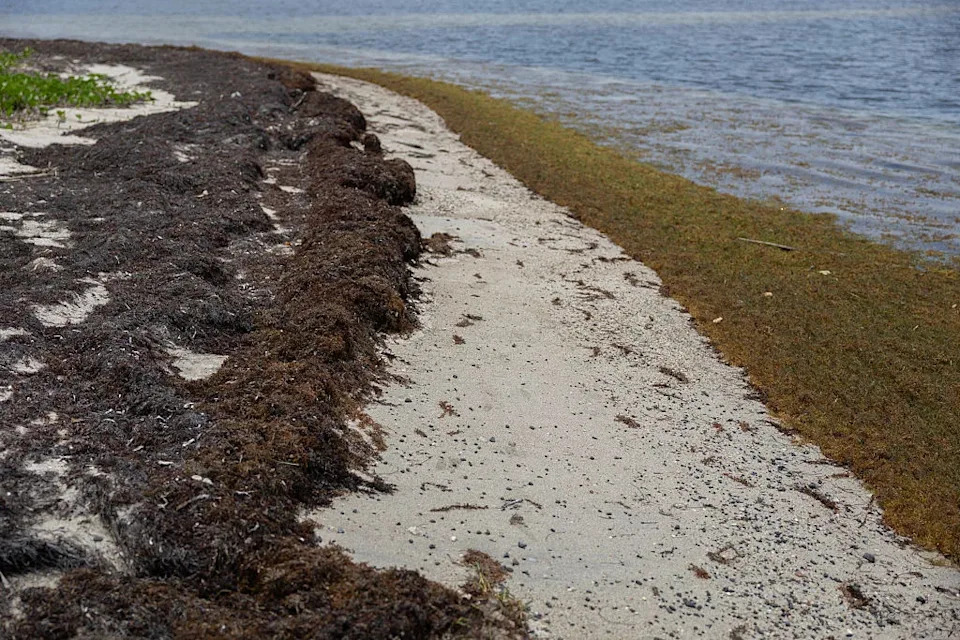
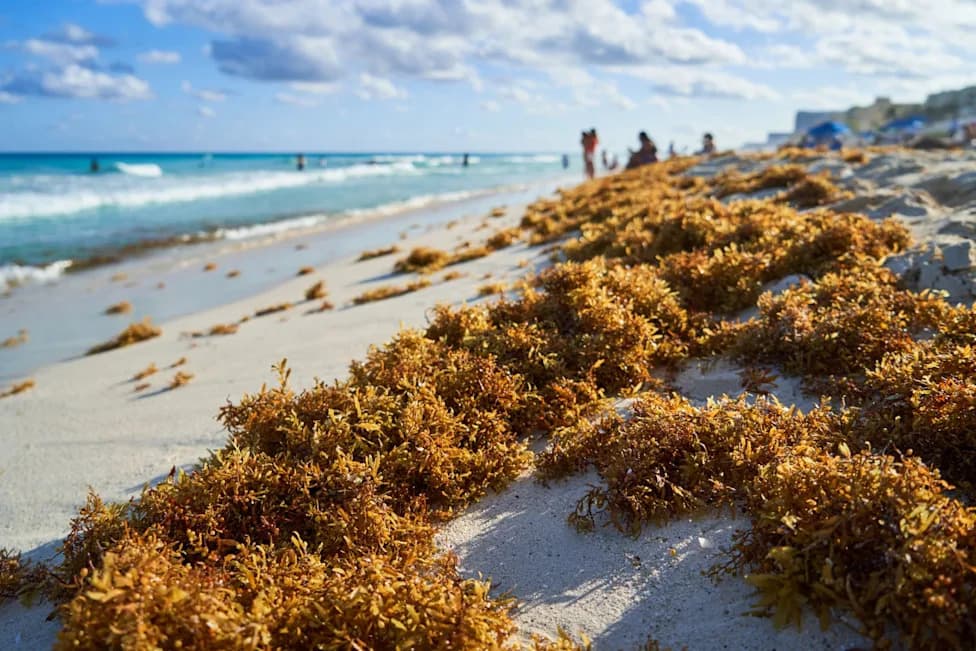
Sargassum algae piles up along the shore at a beach in Puerto Rico on May 19, 2025
“Sargassum blooms have had enormous ecological and economic impacts across the Caribbean, Gulf of Mexico, South Florida and West Africa,” said lead author Francisco Beron-Vera. “Our results provide strong evidence that these blooms begin in the eastern tropical Atlantic, not in the Sargasso Sea as previously thought.”
Biological Evidence and Implications
Biological analyses reinforced the physical findings: the dominant Sargassum types in the early years of the tropical Atlantic bloom differed from species commonly found in the Sargasso Sea. The researchers propose that low background concentrations of Sargassum already present in the tropical Atlantic expanded rapidly once the oceanographic and nutrient conditions became favorable, producing the recurrent, large strandings observed since 2011.
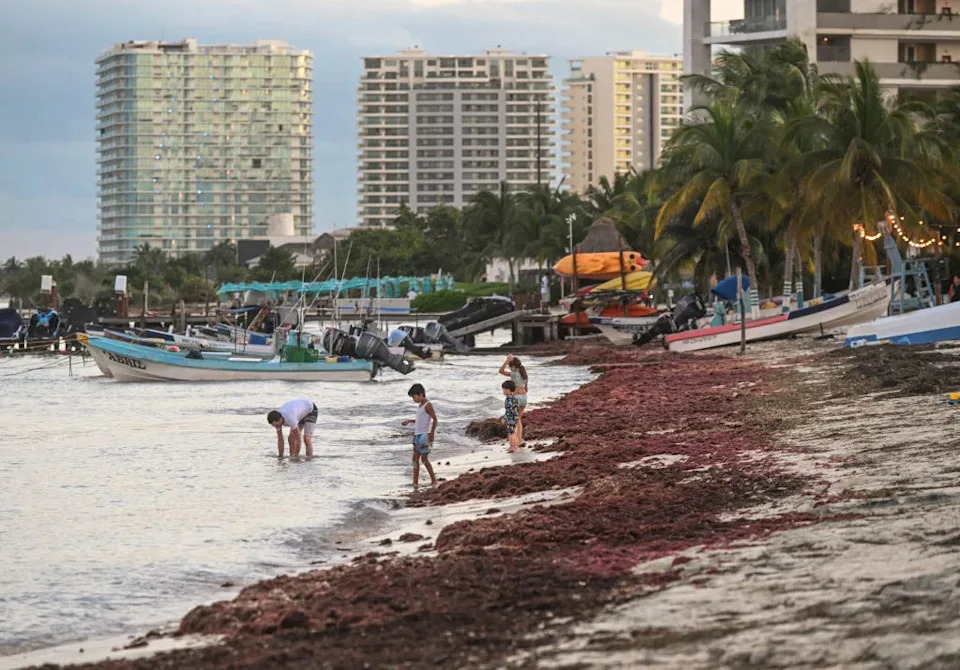
PUERTO JUAREZ, MEXICO - DECEMBER 16, 2023: A family enjoys a dip in the sea at a beach covered with sargassum seaweed on December 16, 2023, in Puerto Juarez, Cancun, Quintana Roo, Mexico.
Why This Matters
Identifying West Africa as the primary source improves the scientific foundation for forecasting future blooms and could guide targeted monitoring and mitigation strategies. Better early-warning systems informed by source regions and transport pathways may help protect coastal communities, fisheries and tourism-dependent economies.
“These conditions appear to have provided the right combination of nutrients and ocean dynamics to trigger large-scale growth,” said co-author María Josefina Olascoaga.
Help us improve.