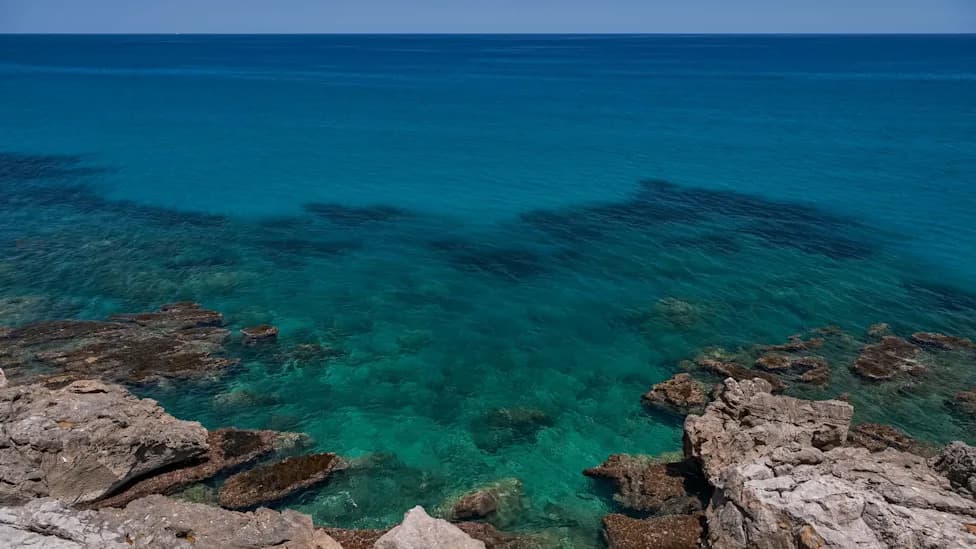
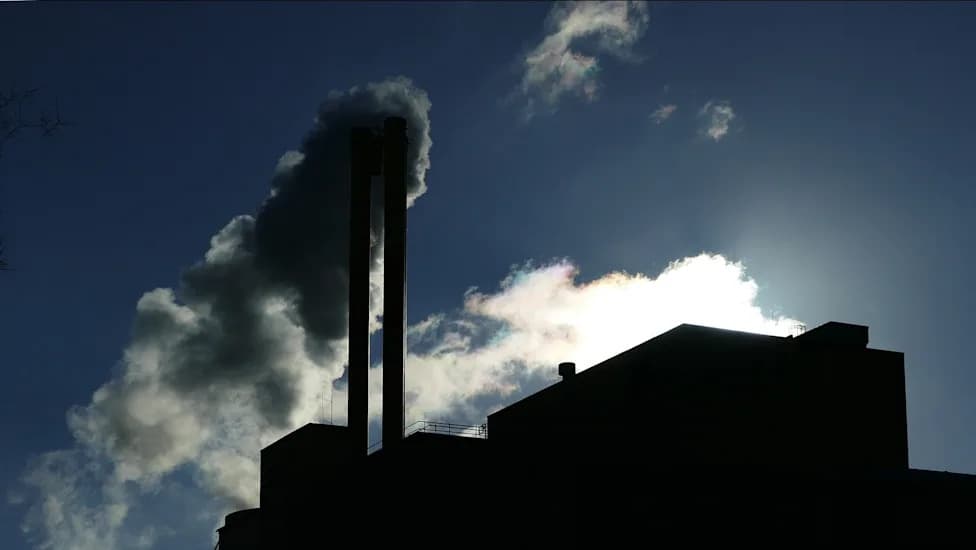
The eastern Mediterranean experienced a large microalgae bloom — about 100 km by 7 km — that clogged filters at five of Israel’s six main desalination plants. Facilities have resumed at up to 50% capacity but algae persists after nearly three weeks. Scientists link the bloom to warm sea temperatures and nutrient inputs, with damaged wastewater infrastructure in Gaza cited as a possible contributor. Experts say the episode highlights vulnerabilities in desalination-reliant water systems and calls for stronger monitoring and wastewater management.
Massive Mediterranean Algae Bloom Chokes Israel’s Desalination Plants, Raising Regional Water Security Alarm

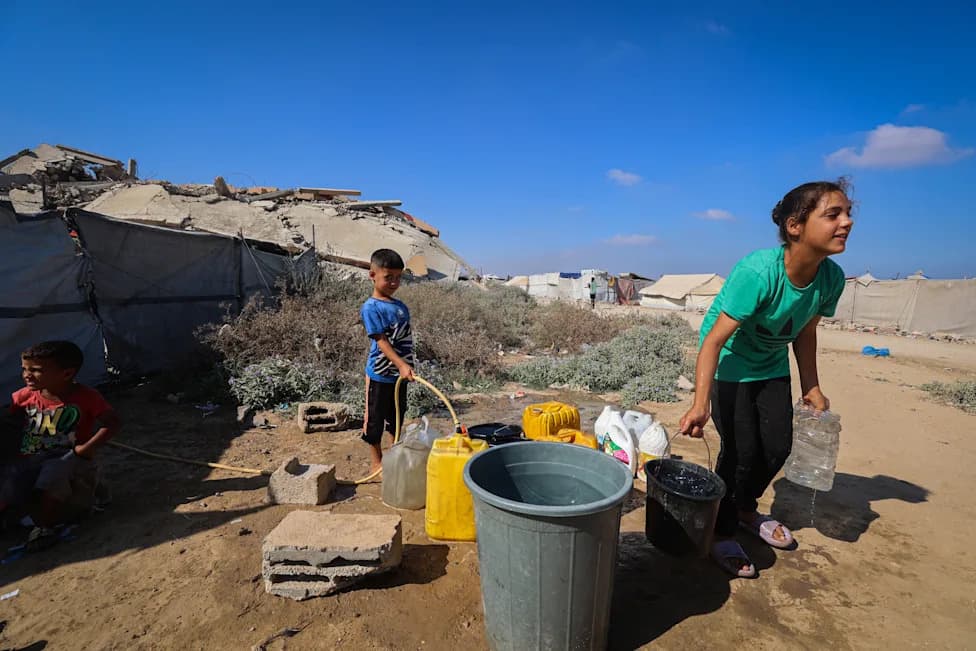
Israel's Water Authority used tankers to distribute water in Jerusalem at the end of August [Anadolu via Getty Images]
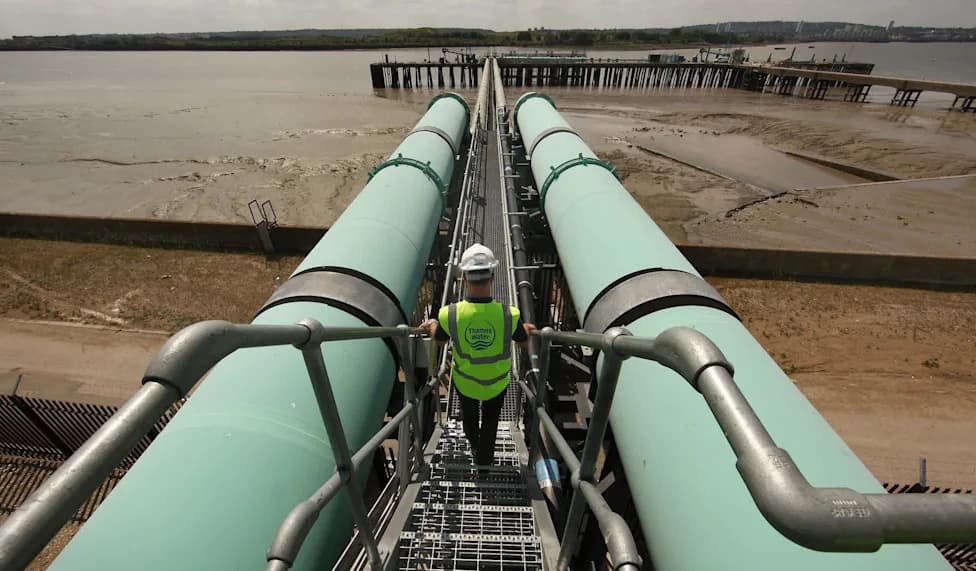
A vast bloom of microalgae in the eastern Mediterranean — at its peak roughly 100 km long and 7 km wide — fouled filters at five of Israel’s six major desalination plants, temporarily crippling supplies that account for more than 60% of the country’s drinking water.
Plant operators say the facilities have since restarted but only at reduced output, up to about 50% capacity. Nearly three weeks after the bloom began, algae fragments remain in the water, prompting concerns that similar incidents could recur and further disrupt desalination operations.
How the Bloom Developed
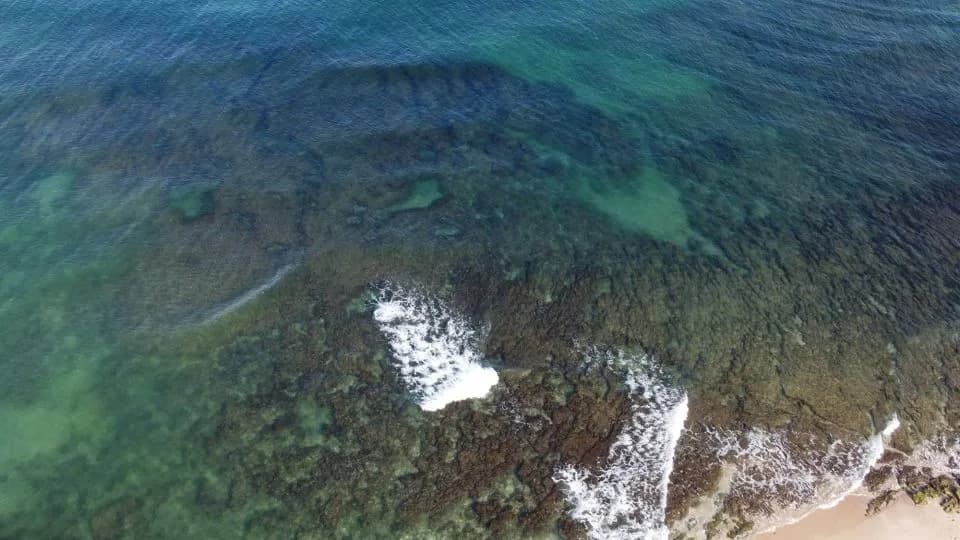
Scientists say the bloom likely originated near the Nile Delta and was carried northeast by coastal currents across the eastern Mediterranean toward Gaza and Israel. The algae thrived on sunlight and nutrients in the water, while unusually warm sea temperatures in the region accelerated its growth.
Possible Role of Sewage and Damaged Infrastructure
Some experts point to nutrient runoff from damaged wastewater systems as a contributing factor. Environmental campaigner Gidon Bromberg of EcoPeace Middle East notes that sewage provides abundant nutrients that can fuel rapid algal growth.
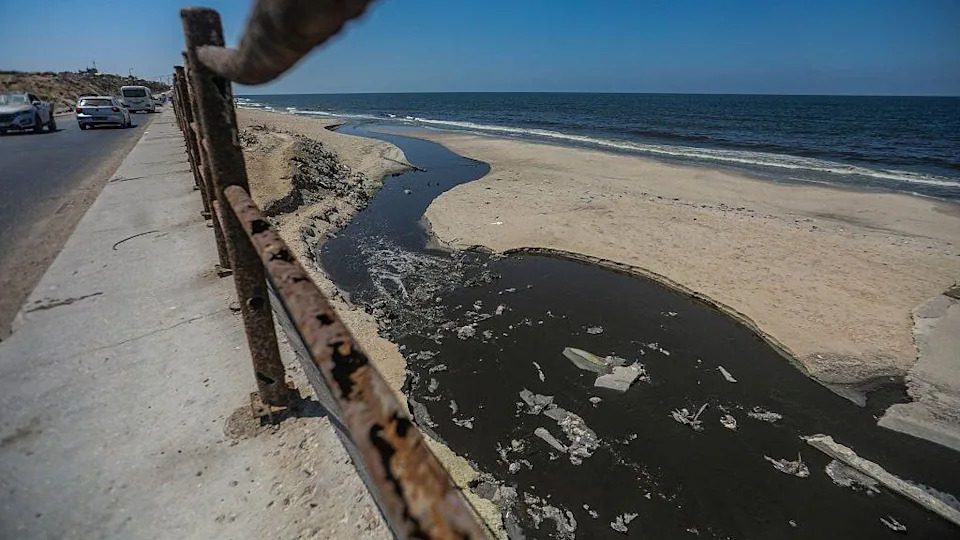
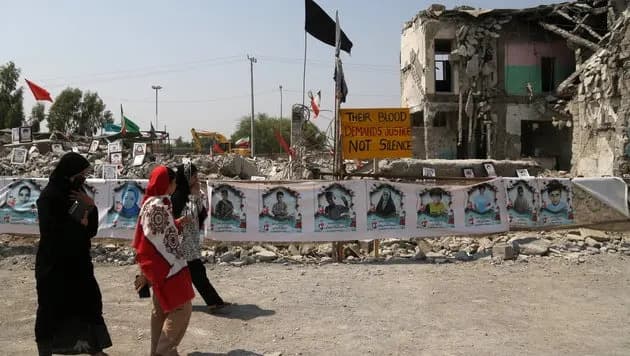
About 40,000 cubic metres of sewage flows into the sea each day from Gaza, where most wastewater infrastructure has been destroyed [AFP via Getty Images]
"It's early days, but we know that sewage is a nutrient and algae blooms at great rates when there's lots of nutrients in its vicinity," said Gidon Bromberg.
About 40,000 cubic metres of sewage is estimated to flow into the sea daily from Gaza, where aid groups report roughly 90% of water and sanitation infrastructure has been damaged or destroyed amid the conflict. Bromberg said many planned modern wastewater projects in Gaza were never completed in part because materials and equipment were restricted as potential dual-use items.
Impact and Wider Implications
The intrusion has been described by Mekorot, Israel's national water company, as a "huge carpet of microorganisms." Despite the scale, most households were largely unaffected: Mekorot reported that roughly 99% of households did not face noticeable shortages, and many farmers who use recycled water avoided disruption. Still, some agricultural users did experience problems.
Hydrologists and water experts say the event is a warning about the vulnerability of desalination infrastructure to concentrated biological or chemical events. Israel is a global leader in desalination technology and exports designs and services worldwide, so similar events could have wider implications for water systems elsewhere.
"I think this is a wake-up call for everyone in the water sector and certainly everyone here in the Middle East where desalination has been a major development to help advance a level of water security," said Gidon Bromberg.
Researchers are continuing to monitor water quality and algal concentrations, and desalination operators are assessing filtration, pre-treatment and monitoring practices to reduce the risk of future shutdowns. Longer-term solutions cited by experts include improving regional wastewater management, strengthening early-warning monitoring systems, and adapting treatment processes to better handle biological intrusions.
Help us improve.