The latest NOAA-led analysis of 31 years of satellite data shows the Gulf Stream weakened for about a decade and then accelerated for roughly a decade, challenging a simple slowdown narrative. Researchers say the acceleration is concentrated where the current detaches from the U.S. coast and is linked to strengthened subtropical North Atlantic winds. The change may affect regional weather and storms, raise coastal surge and erosion risk, and contribute to shifts in fisheries such as lobster movements in the Gulf of Maine. Continued monitoring is needed to assess long-term impacts on the AMOC and coastal communities.
NOAA Study: Gulf Stream Weakened Then Accelerated — What That Means For Weather, Coasts and Fisheries
Gulf Stream
A new NOAA-led analysis of 31 years of continuous satellite observations finds the Gulf Stream weakened for about a decade and then accelerated for roughly another decade, complicating the simple narrative of a steady slowdown.
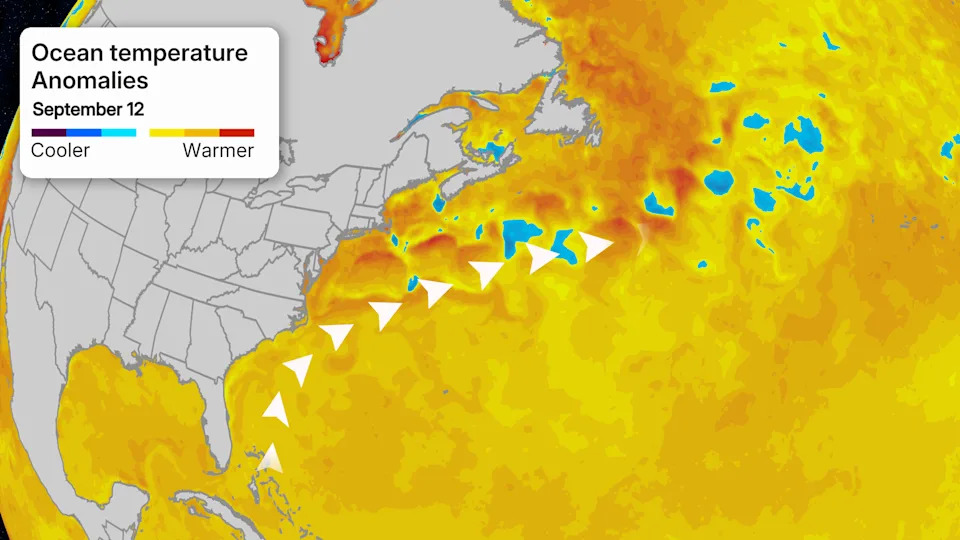
Winds speeding up in the North Atlantic allowed the Gulf Stream to speed up.
What Is the Gulf Stream?
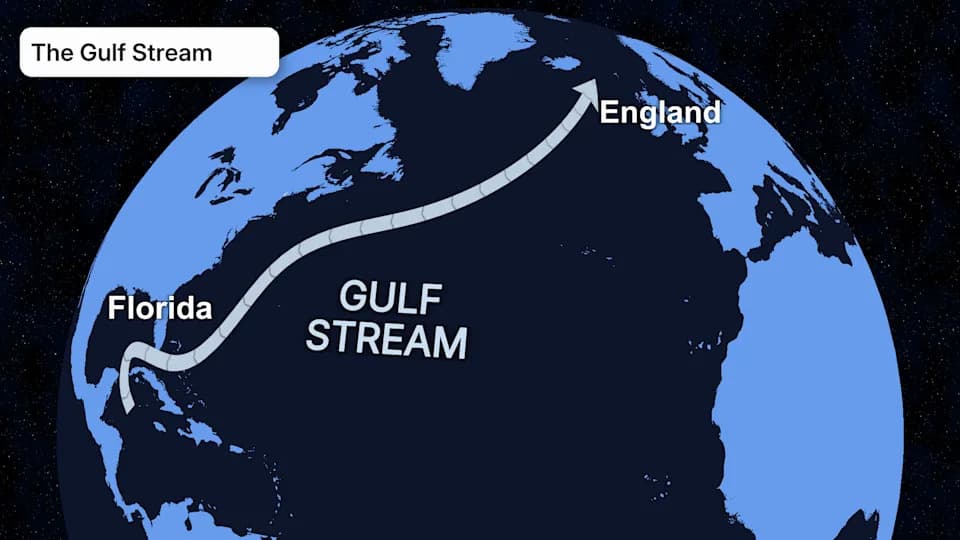
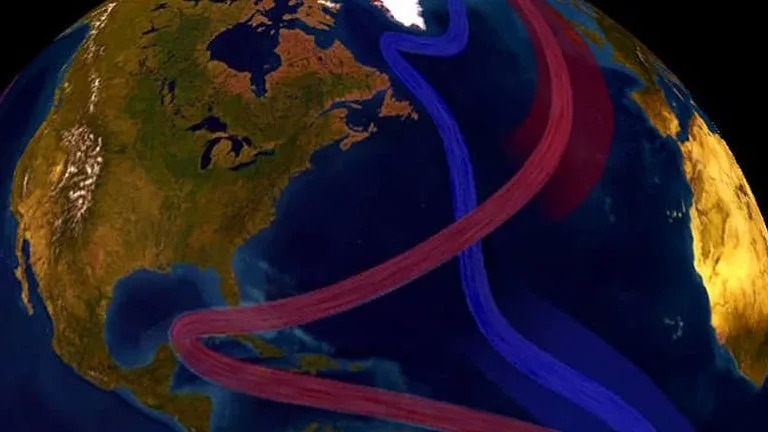
The Gulf Stream is a major warm ocean current that originates in the Gulf of Mexico and the Caribbean and carries heat northward across the North Atlantic toward Europe. It is a key part of the North Atlantic Gyre and contributes to the larger Atlantic Meridional Overturning Circulation (AMOC).
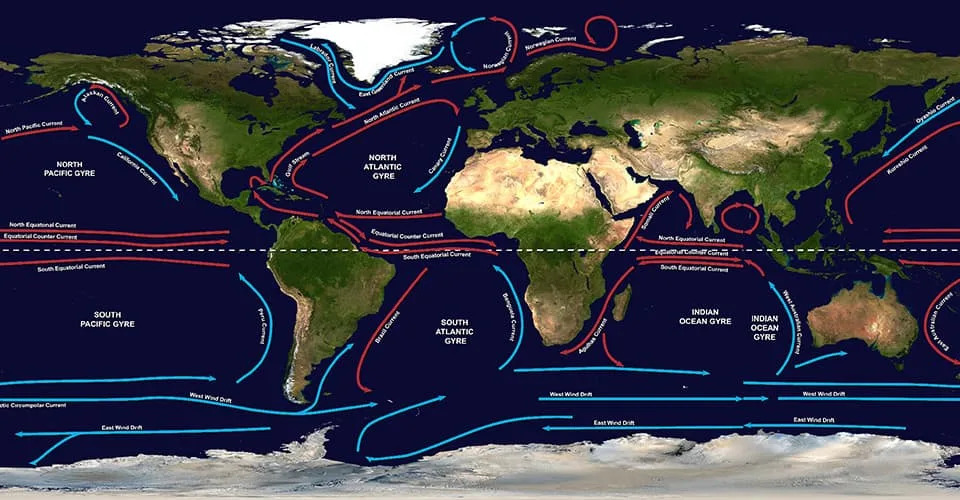
The main Gyres across the world. Notice the North Atlantic Gyre, which contains the Gulf Stream.
What Did the Study Find?
Researchers at NOAA's Atlantic Oceanographic and Meteorological Laboratory (AOML) and the University of Miami analyzed three decades of satellite altimetry and related observations. They report that one leg of the current — the upstream flow between Florida and the Bahamas — stayed relatively steady, while the section where the stream separates from the U.S. coast and flows freely into the open Atlantic showed the most pronounced acceleration.
Lobers Production
"This behavior is far more dynamic than a simple slowdown narrative," said Shenfu Dong, an oceanographer at NOAA AOML.
What Caused the Speed-Up?
The study links the recent acceleration primarily to changes in large-scale wind patterns across the subtropical North Atlantic. Strengthening winds in the region can transfer momentum to the surface ocean, intensifying the gyre circulation and speeding the current where it runs offshore.
Boston lobster boat
Why It Matters
Although the speed change is a regional adjustment of the current system, it can have wide-ranging consequences:
AMOC
- Weather and Storms: A faster current transports more heat north, warming the upper ocean and the atmosphere above. This can alter storm tracks and intensity by providing greater heat and moisture to developing systems.
- Sea Level And Coastal Risk: Changes in the Gulf Stream affect sea level along the U.S. East Coast. A stronger, warmer current can raise coastal surge and increase erosion, heightening flood risk for coastal communities.
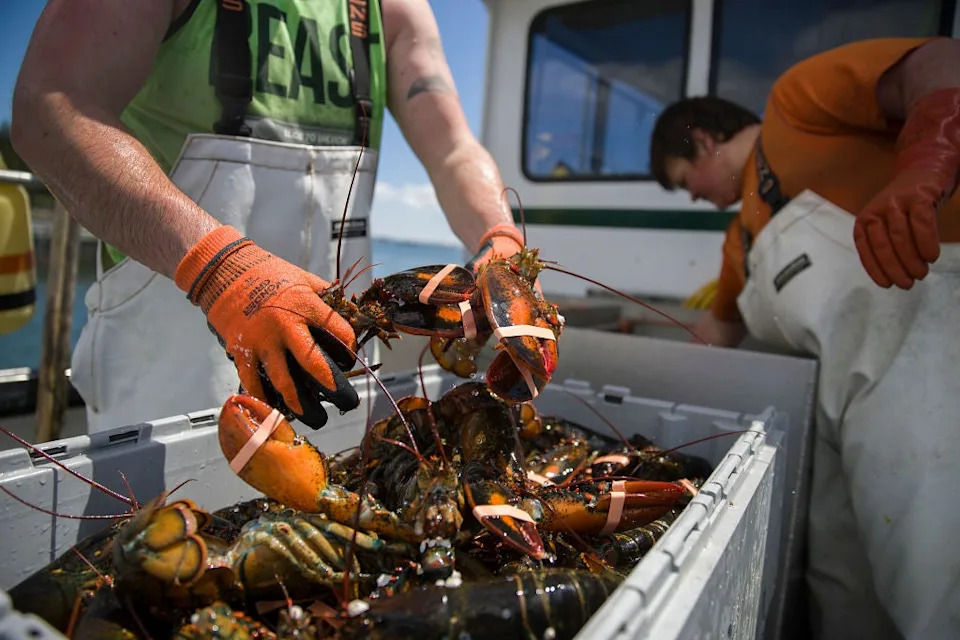
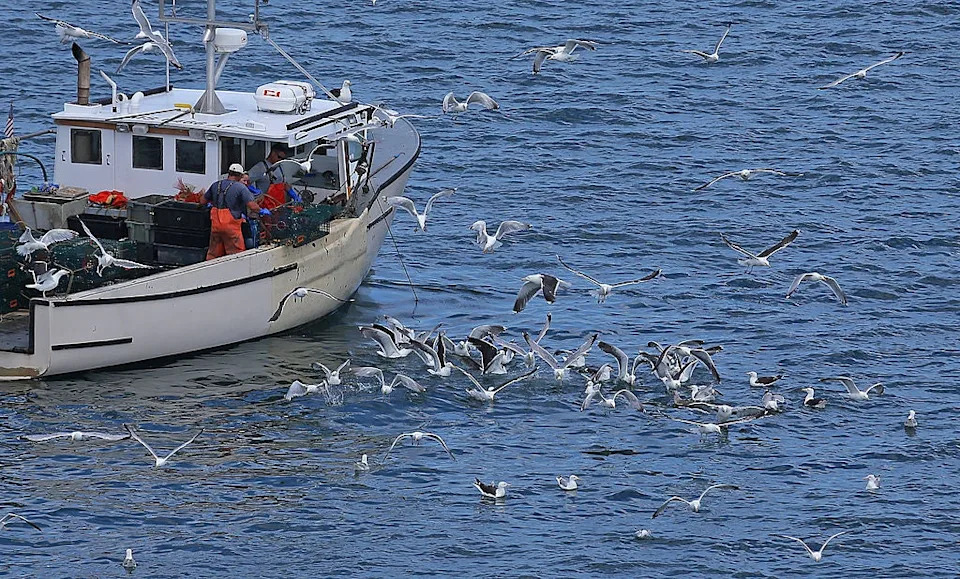
- Fisheries And Ecosystems: Regional warming linked to shifts in currents has been implicated in the rapid warming of the Gulf of Maine. That warming has driven species shifts — for example, lobster populations have declined in southern New England and moved northward — with economic consequences for fisheries.
- Role In The AMOC: The Gulf Stream is a surface expression of a larger overturning circulation. Changes in surface flow and regional heat transport can feed back on deep-water formation and the AMOC, though direct long-term implications remain an area of active research.
What Comes Next?
Scientists stress that the observed pattern — a decade of weakening followed by a decade of strengthening in parts of the current — underscores natural variability plus external influences such as changing wind patterns. Continued monitoring with satellites, in situ measurements, and models is needed to determine whether recent changes represent a temporary fluctuation or a longer-term shift with lasting impacts on climate, coasts and marine resources.
Source: NOAA Atlantic Oceanographic and Meteorological Laboratory and University of Miami — analysis of 31 years of satellite data.
Help us improve.