Sherrod Brown (Ohio) and Roy Cooper (North Carolina) are underappreciated but highly consequential Democratic Senate candidates. Republican ad reservations — roughly $79M in Ohio and $71M in North Carolina — highlight GOP concern. While flashier primary fights in Texas and Maine attract online attention and small-dollar donations, Brown and Cooper’s statewide recognition and voter appeal make them central to Democrats’ path to a Senate majority.
Overlooked Linchpins: Why Sherrod Brown and Roy Cooper Could Decide the Senate
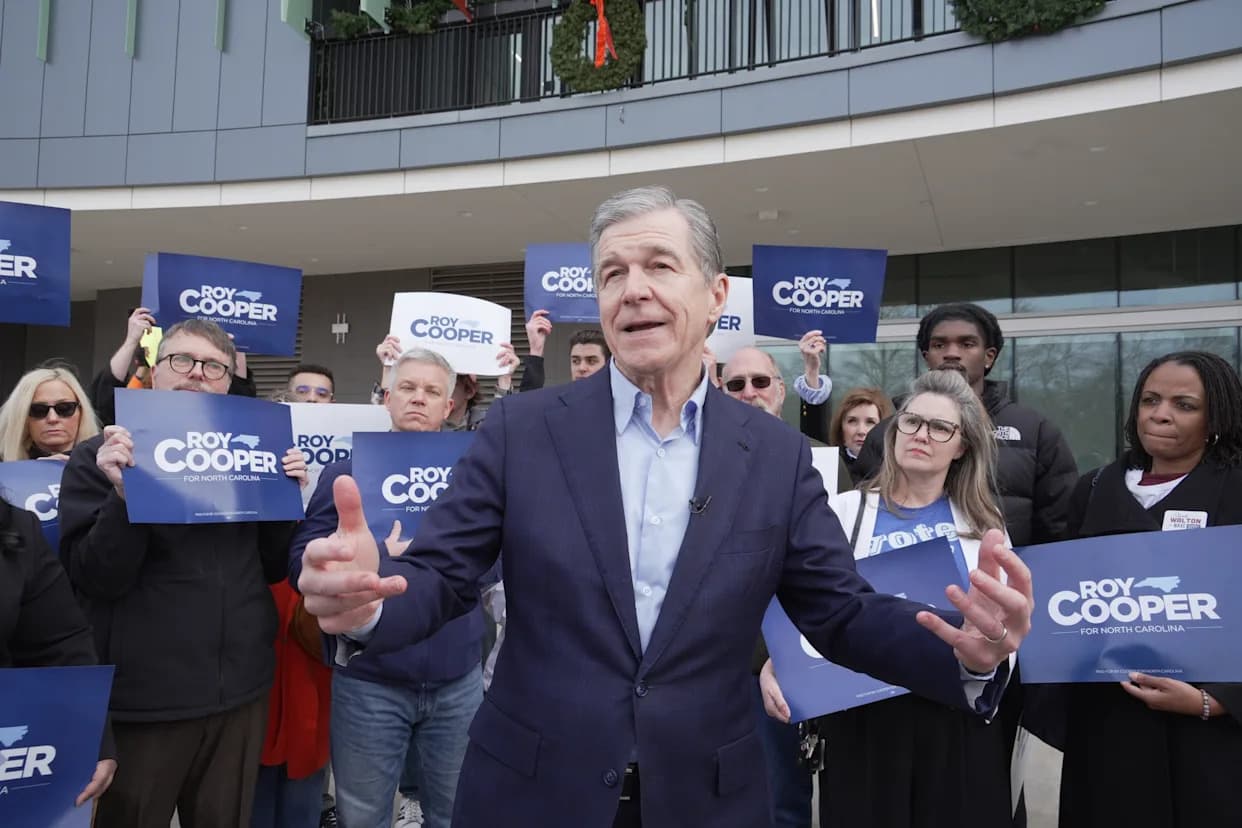
Two veteran Democrats — Sherrod Brown in Ohio and Roy Cooper in North Carolina — are quietly among the most consequential candidates in this midterm cycle. Widely known in their states, they may be the most plausible Democratic pick-ups in two otherwise difficult federal battlegrounds. Yet their races receive far less breathless online attention than flashier primaries in Texas and Maine. That lack of buzz risks obscuring just how central these contests are to the party’s path to a Senate majority.
Why Ohio and North Carolina Matter
Republican spending priorities underscore the stakes: a Senate GOP super PAC recently placed the two largest television ad reservations of the cycle — roughly $79 million in Ohio and $71 million in North Carolina. While those figures partly reflect the number and cost of broadcast markets, they also signal genuine GOP concern about both seats.
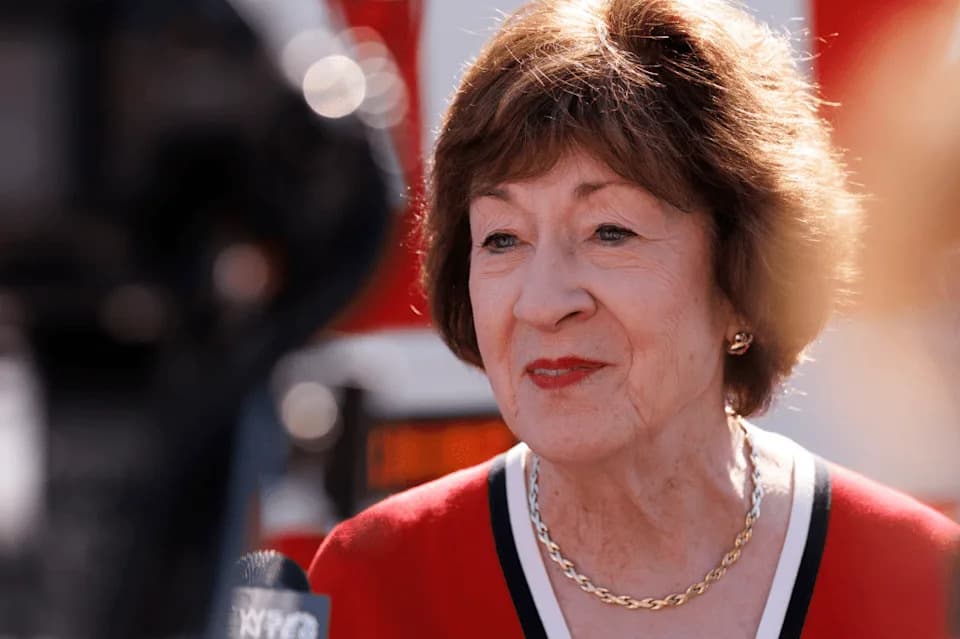
If Democrats win Maine, Ohio and North Carolina, that combination would put them within reach of a Senate majority. Maine — and Sen. Susan Collins in particular — remains crucial, but Ohio and North Carolina could supply the additional seats that swing control.
Who Are The Candidates?
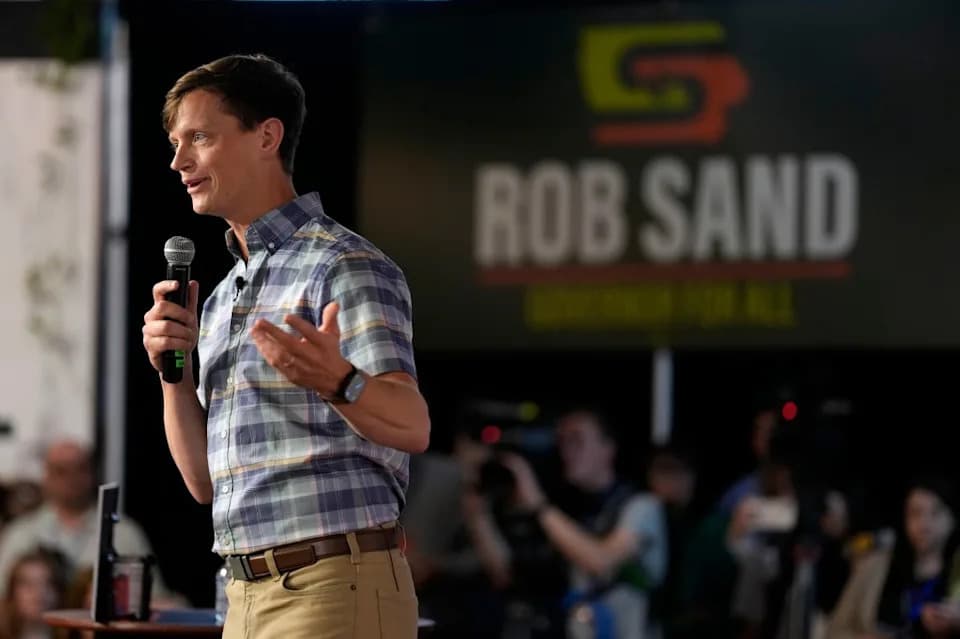
Sherrod Brown, 73, is a three-term senator who most recently won reelection during President Trump’s first midterm. Roy Cooper, 68, served two terms as North Carolina’s governor and left office last year with strong name recognition. Both men have deep statewide profiles and track records of winning in difficult environments.
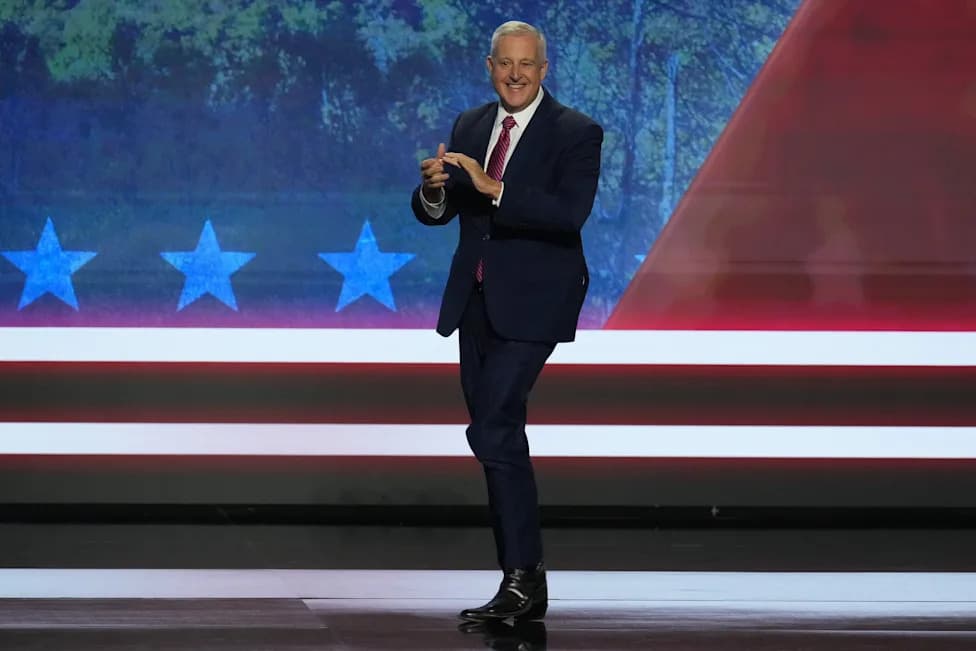
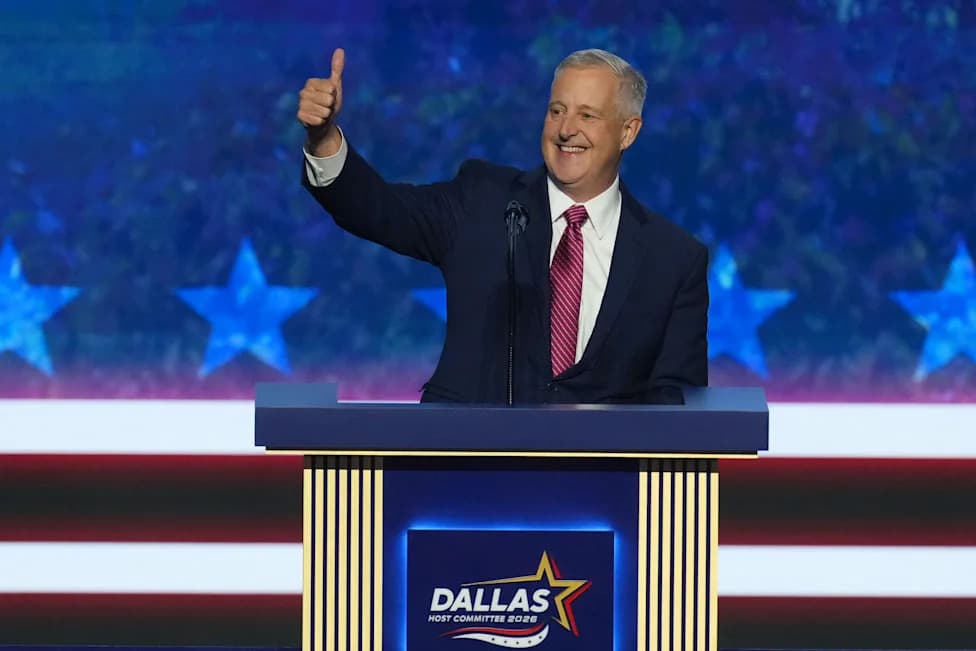
The Republican opponents are less established: Jon Husted, the appointee who now occupies the Ohio seat vacated by J.D. Vance, and Michael Whatley, a former RNC chair in North Carolina selected after Lara Trump declined to run. History shows appointed incumbents can be vulnerable in competitive states — examples include Martha McSally and Kelly Loeffler.
"Neither Sherrod Brown nor Roy Cooper are designed to appeal to the Democratic activist base. They're not sitting around planning how to shoot a viral video," said Aaron Pickrell, a longtime Ohio Democratic strategist. "But they connect with regular voters in difficult states."
Why They’re Overlooked
There are several reasons Brown and Cooper receive less national attention. Neither faced a headline-grabbing primary this cycle, and both are older, white men who do not fit the "fresh-face" narrative that tends to attract small-dollar donors and social media attention. By contrast, candidates like James Talarico in Texas have produced clickable storylines and raised outsized sums quickly — Talarico reportedly pulled in more than $14 million on ActBlue in the first two months of the year.
That said, Brown and Cooper are not underfunded. Brown raised about $8.8 million and Cooper about $9.5 million in the most recent reporting quarter referenced publicly — meaningful amounts in competitive statewide contests, even if less viral than some newcomers' hauls.
What This Means
These dynamics matter because social media and donor-driven coverage often set the news agenda. Attention gravitates toward novelty and drama, not always toward the races that determine control of the Senate. Brown and Cooper’s appeal to regular voters — rather than to online activists — makes them strategically important in states where Democrats otherwise struggle.
In short: don’t let the lack of clicks fool you. Ohio and North Carolina are central to Democratic plans for a Senate majority, and Sherrod Brown and Roy Cooper are far more than political footnotes. If Democrats want to control the agenda in the next Congress, these are races worth watching — and worth investing in — now.
Help us improve.