The Supreme Court on Sept. 25 permitted the federal government to use a revamped SAVE immigration database to respond to requests verifying voters' citizenship, issuing an unsigned, ideologically split ruling. Federal law prevents mass purges close to an election, so the database can be used only for individual voter checks ahead of the midterms. Justice Ketanji Brown Jackson dissented, warning that even a few wrongful burdens on lawful voters are significant. The SAVE overhaul — including bulk searches and Social Security number queries — has prompted lawsuits and privacy concerns.
Supreme Court Clears Use Of Revamped SAVE Database To Verify Voter Citizenship, Limits Apply
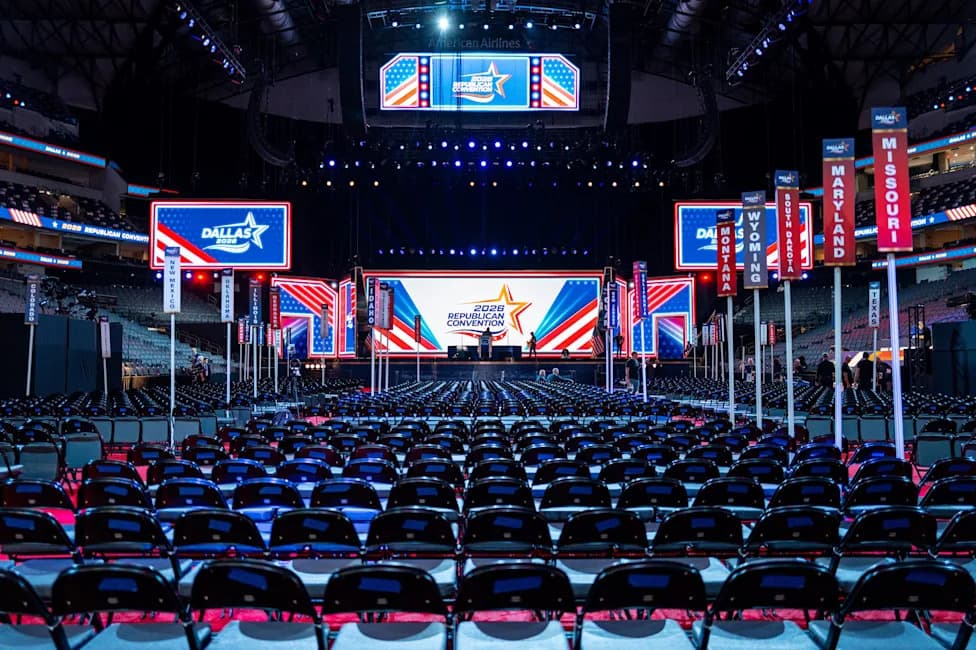
The interior of the American Airlines Center is seen on the first day of the2026 Republican National Conventionon Sept. 9, 2026 in Dallas, Texas. Republicans are kicking off two days of political pageantry aimed at blunting Democrats' momentum in the battle for control of Congress, holding their first-ever midterm election convention ‒ headlined tonight byPresident Donald Trump‒ in a bid to boost GOP enthusiasm amid warning signs for the party. Trump is rallying Republicans for the final push toward the Nov. 3 election with a big show in the Lone Star State featuring a long list of party leaders and candidates in swing districts.The president's approval rating has sagged as the Iran war drags on and cost-of-living concerns remain top of mind for many voters, threatening to weigh down GOP candidates. Trump has turned to the mini-convention toprovide a boostas the party struggles to sell his second-term agenda.(Brandon Bell, Getty Images)
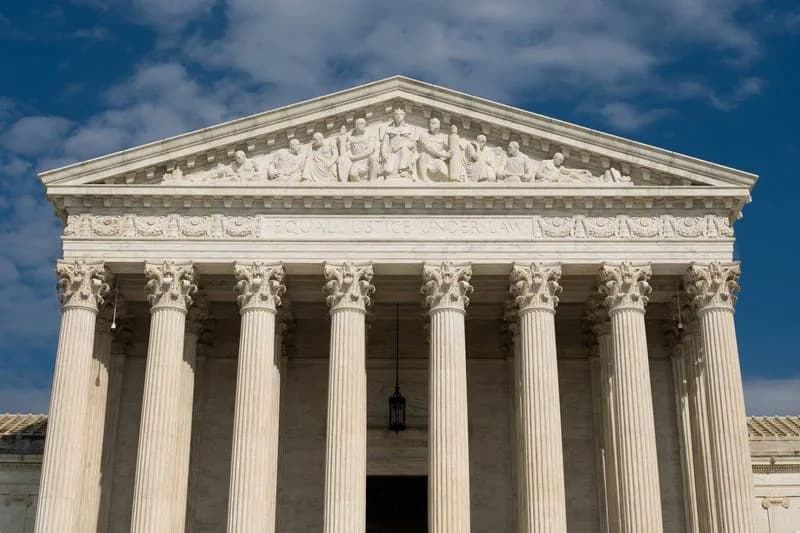
WASHINGTON — On Sept. 25, the U.S. Supreme Court issued a split decision allowing the Trump administration to use a redesigned immigration verification system to respond to requests from state and local election officials seeking to confirm a voter's citizenship.
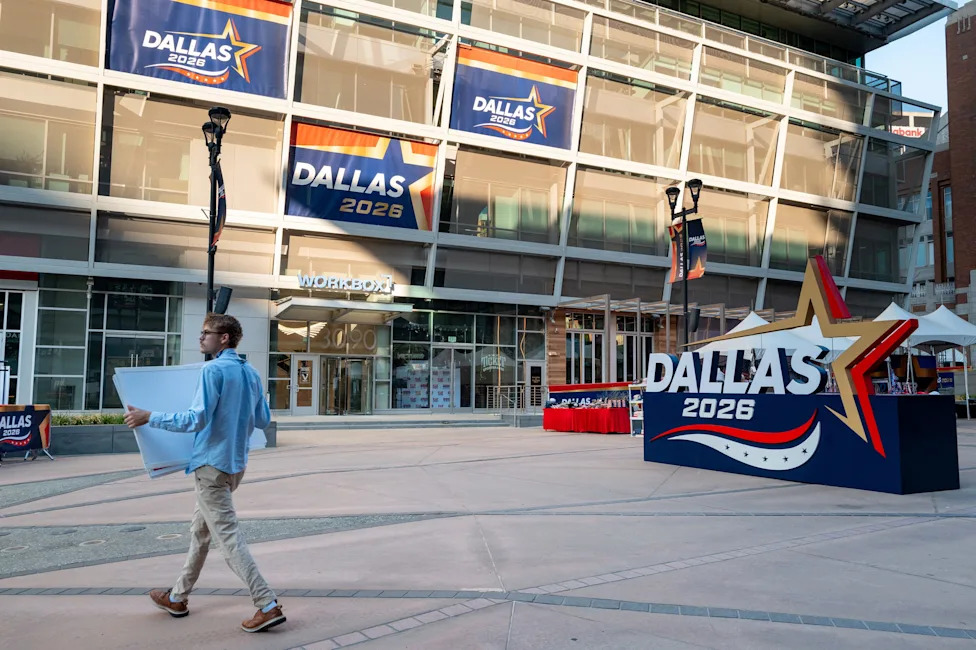
Signage is seen on the first day of the 2026 Republican National Convention at the American Airlines Center on Sept. 9, 2026 in Dallas, Texas. President Donald Trump will headline the Republican National Committee's first-ever midterm convention as he aims to highlight his administration’s achievements and rally support for GOP candidates just two months before the upcoming elections being held on November 3.(Brandon Bell, Getty Images)
What the Ruling Says
In an unsigned opinion reflecting the Court's ideological divide, a majority held that the federal government has an obligation to answer requests to verify a voter's citizenship and that an injunction blocking the administration from using the program was improper. The opinion said the prior order "prevents the Federal Government from using the program it believes is best suited to the task." Three liberal justices dissented.

Inside the American Airlines Center, as the final preparations are underway for the Republican National Midterm Convention in Dallas, Texas on Sept. 8, 2026.(Brian Snyder, REUTERS)
Practical Limits Ahead Of The Midterms
Federal law limits election roll changes close to an election, so the ruling does not permit mass purges of voter lists for the upcoming midterms. Instead, officials may use the database only for inquiries about individual voters, reducing the decision's immediate impact on large-scale voter removals.

A person rides a motorcycle past signage that reads "GOP EXPRESS" as the final preparations are underway for the Republican National Midterm Convention, in Dallas, Texas on Sept. 8, 2026.(Callaghan O'Hare, REUTERS)
Justice Ketanji Brown Jackson, dissenting: "The harm caused by burdening or disenfranchising even a few lawful voters outweighs the nonexistent harm that the Government experiences when it is prevented from taking an action that it likely lacks the authority to take."
About The SAVE System
The system at issue is the Systematic Alien Verification for Entitlements (SAVE). Since 2025, the administration has revamped SAVE to allow bulk searches and queries using Social Security numbers, and to draw more directly on Department of Homeland Security immigration records.
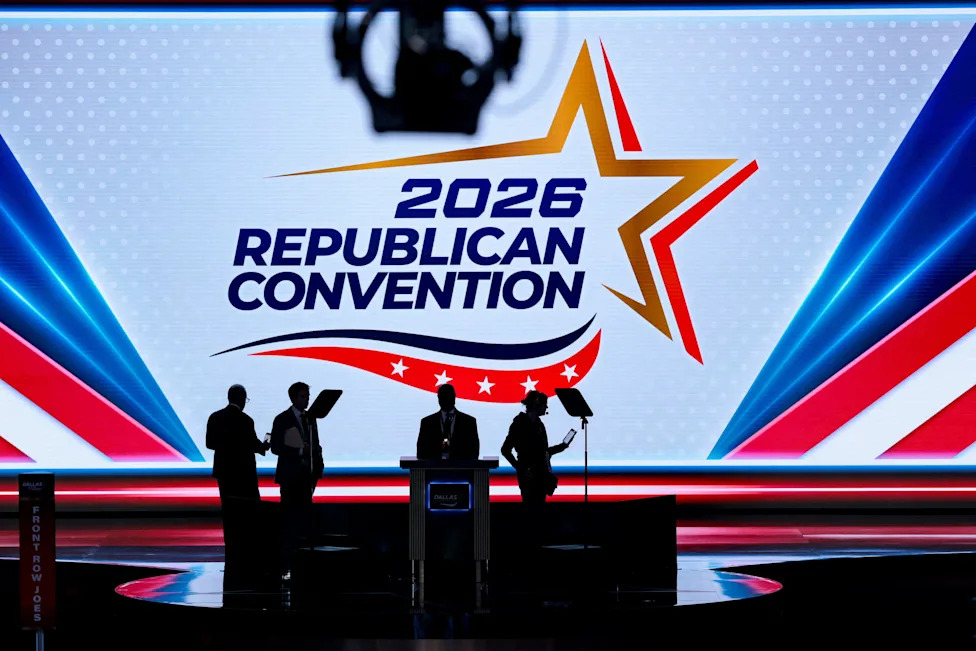
People gather at the American Airlines Center, as preparations are underway for the Republican National Midterm Convention in Dallas, Texas on Sept. 8, 2026.(Brian Snyder, REUTERS)
Legal Challenges And Concerns
Voting-rights organizations and privacy advocates sued, contending the updated database has produced incorrect noncitizen matches and wrongly flagged eligible voters as ineligible. In court filings they accused the government of having "recklessly created an error-laden master citizenship database that endangers millions of Americans' privacy and voting rights."
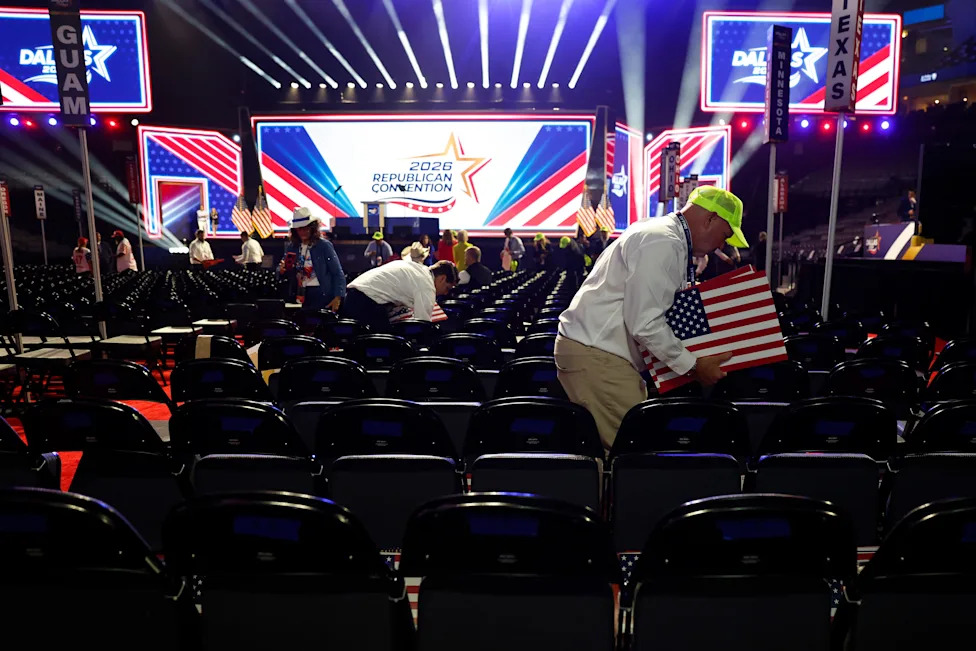
Floor staff place American flags in seats on the first day of the 2026 Republican National Convention at the American Airlines Center on Sept. 9, 2026 in Dallas, Texas.(Justin Sullivan, Getty Images)
In June, U.S. District Judge Sparkle Sooknanan in Washington, D.C., found the government violated statutory privacy protections designed "to prevent precisely this type of centralized data bank," and said the government included citizenship data it knew to be unreliable. She cited examples in Texas where some naturalized citizens had their registrations wrongly canceled after failing to respond promptly to state requests to confirm citizenship.
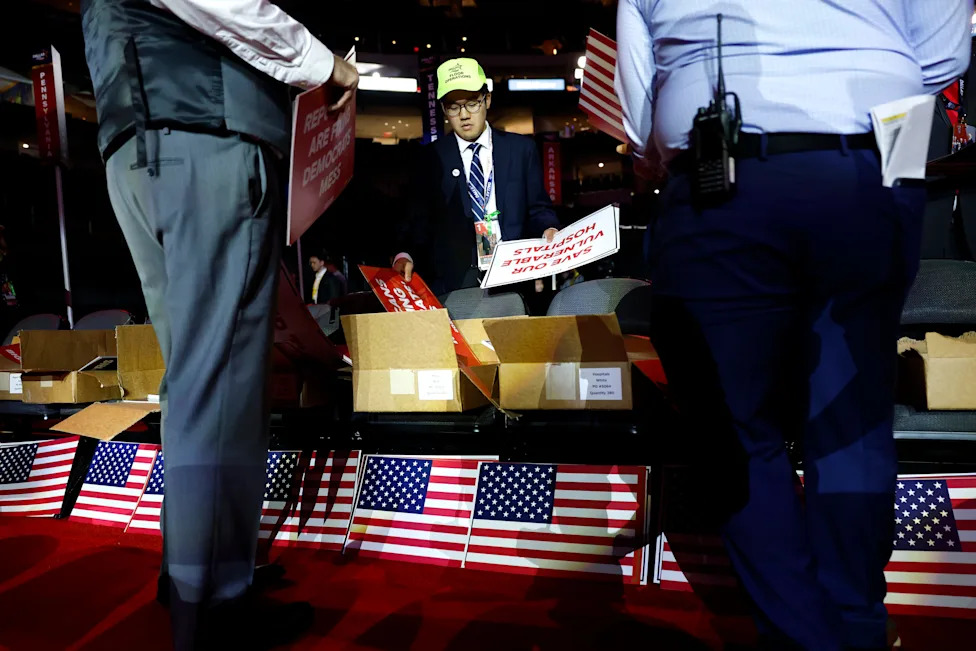
Floor staff organize signs on the first day of the 2026 Republican National Convention at the American Airlines Center on Sept. 9, 2026 in Dallas, Texas.(Justin Sullivan, Getty Images)
The Justice Department argued the database complies with the law and said the organizations that sued failed to show their members suffered concrete harm. The government also told the Supreme Court that questions about how states use the information should be addressed at the state level. Officials warned that without access to the updated system they would have to resort to an "older, slower, more cumbersome, and less capable process" for verifying citizenship.
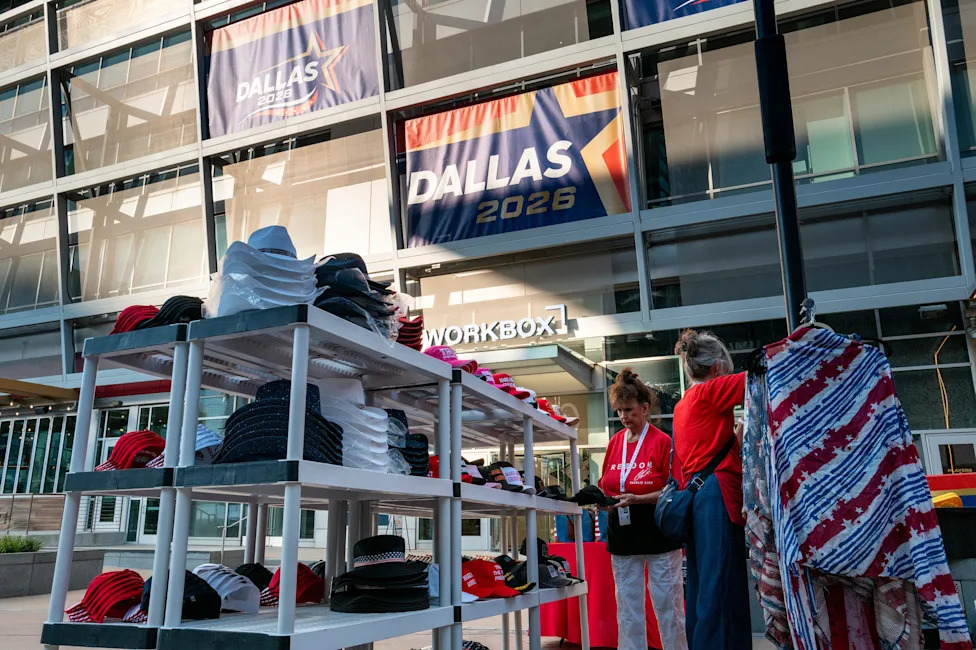
Vendors make preperations on the first day of the 2026 Republican National Convention at the American Airlines Center on Sept. 9, 2026 in Dallas, Texas. President Donald Trump will headline the Republican National Committee's first-ever midterm convention as he aims to highlight his administration’s achievements and rally support for GOP candidates just two months before the upcoming elections being held on November 3.(Brandon Bell, Getty Images)
Legislation And Next Steps
Efforts to enshrine changes through legislation, including the SAVE Act as part of a broader push to alter voting procedures, passed the House but stalled in the Senate. With the Supreme Court decision, the federal system can be used for individual verification requests, but its broader role and the privacy concerns raised by plaintiffs are likely to remain contested in courts and state-level proceedings.
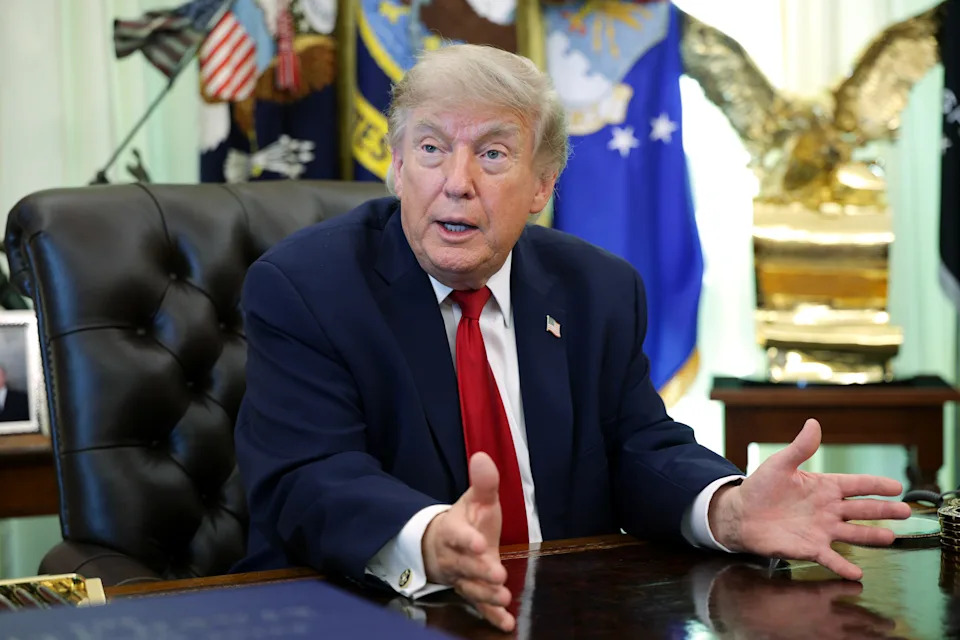
President Donald Trump answers reporters' questions about the SAVE America Act in the Oval Office at the White House on June 29, 2026, in Washington, DC.
This article originally appeared on USA TODAY.
Help us improve.