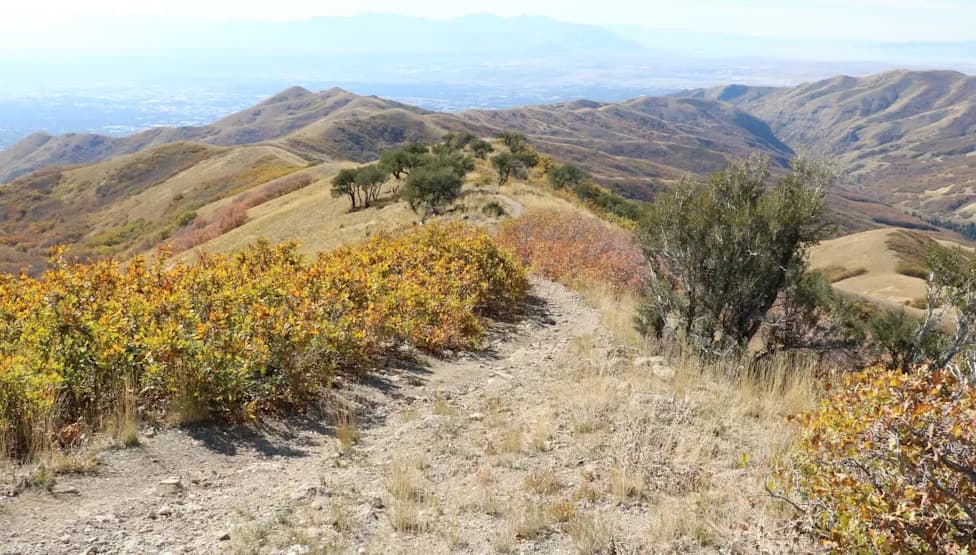
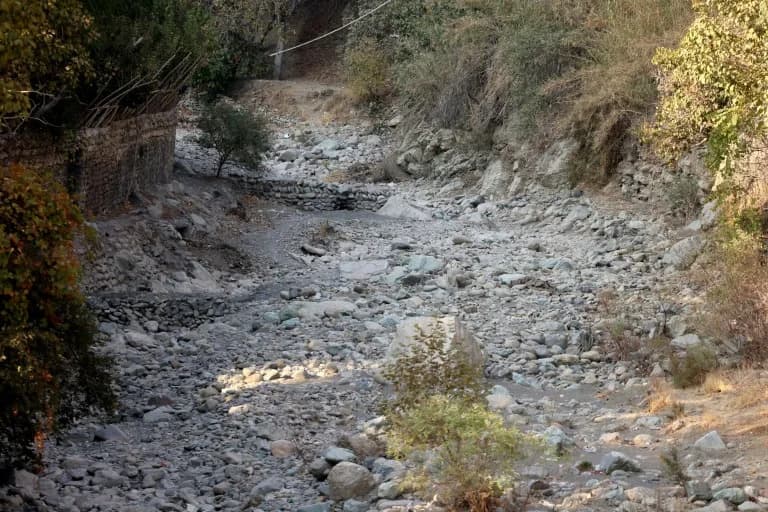
The Southwest’s prolonged megadrought is tied to Pacific climate patterns — ENSO and the Pacific Decadal Oscillation (PDO). New research (Nature, July 2025) suggests human activity has pushed the PDO toward a persistent negative (dry) phase. Landsat images from Sept. 10, 2026 show Lake Powell at a record low of 3,517.24 ft, near the minimum power pool. A forecasted strong El Niño could bring temporary relief, but studies warn it won’t reverse the long-term aridification.
U.S. Megadrought Enters Decades-Long Phase — Scientists Warn It May Be Permanent
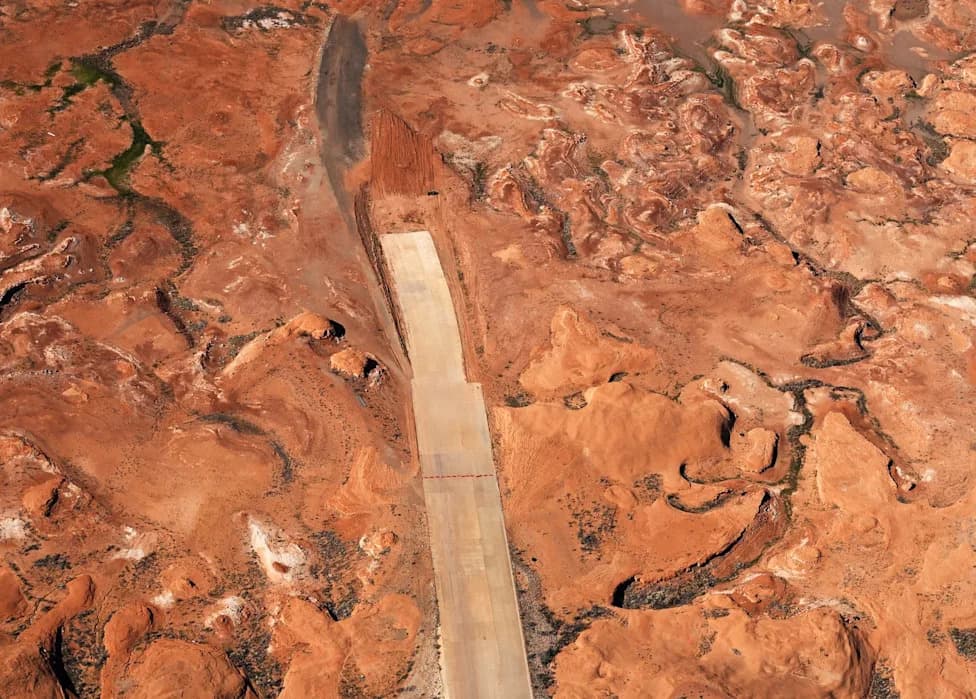
Why the Southwest's Megadrought Goes On and OnRJ Sangosti/MediaNews Group/The Denver Post via Getty Images - Getty Images
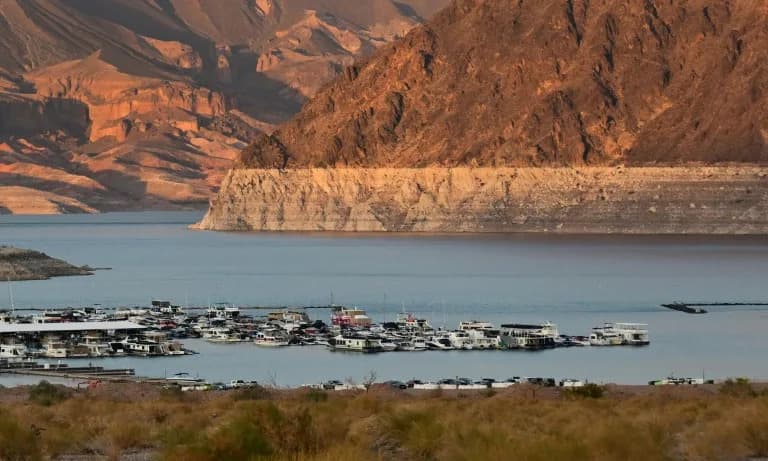
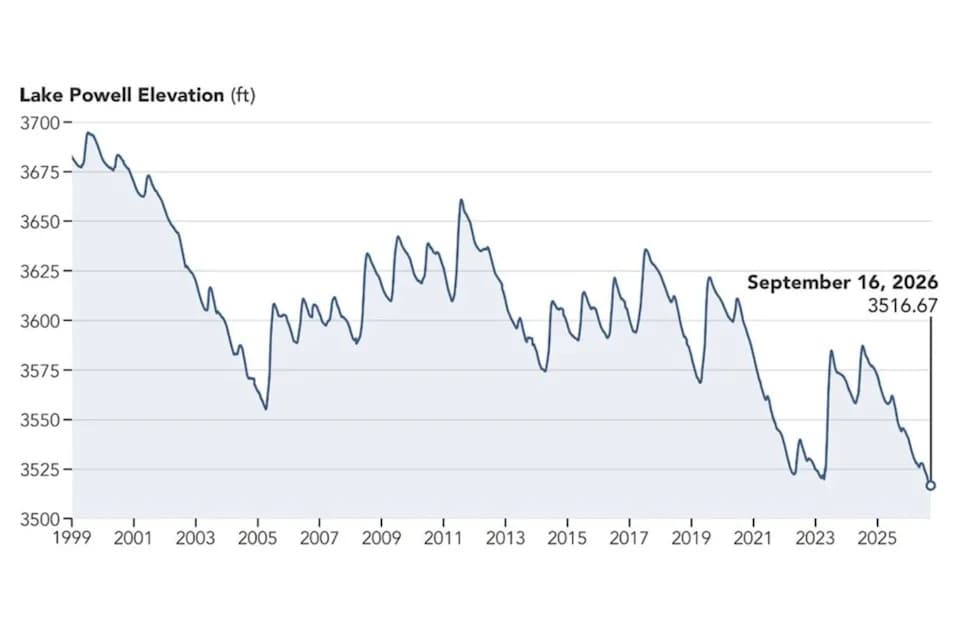
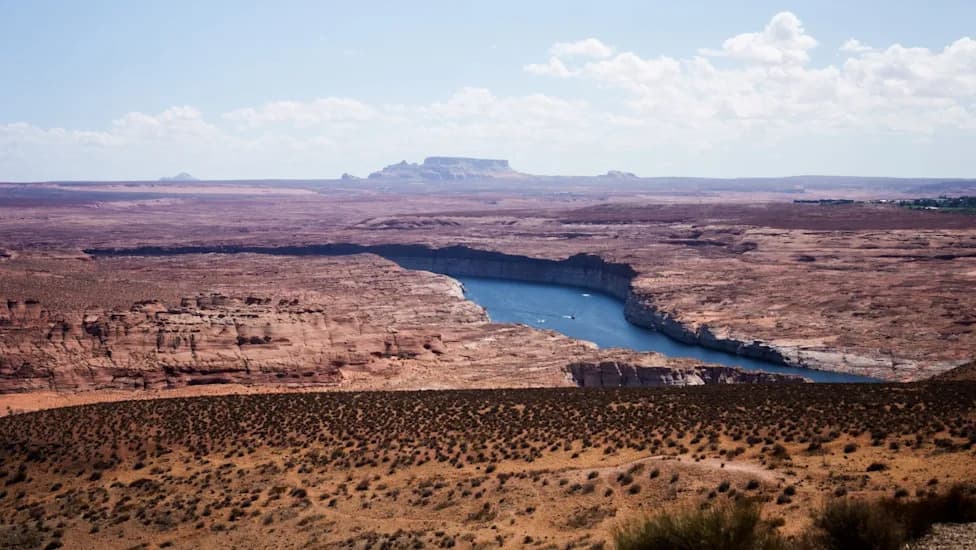
On September 10, 2026, NASA–USGS Landsat 8 imagery laid bare the striking consequences of a decades-long megadrought across the American Southwest. Lake Powell — the winding reservoir formed by Glen Canyon Dam on the Utah–Arizona border — stood at a record low of 3,517.24 feet, roughly 30 feet above the "minimum power pool" below which the dam can no longer generate hydropower. The contrast with the reservoir's overflow more than 40 years ago is stark and sobering.
What Drives the Southwest's Climate?
The region's hydroclimate is shaped primarily by two Pacific-driven phenomena: the El Niño–Southern Oscillation (ENSO) and the Pacific Decadal Oscillation (PDO). ENSO swings between El Niño and La Niña every two to seven years, producing relatively rapid alternations between warmer/drier and cooler/wetter conditions. The PDO operates on much longer, decadal timescales, cycling between warm (positive) and cool (negative) phases as large-scale patterns of sea-surface temperature (SST) anomalies shift across the Pacific.
How the PDO Affects Drought
When the PDO is in a warm phase, ocean and atmospheric interactions tend to steer wetter conditions into the Southwest. The early 1980s wet period — which filled Lake Powell in 1983 and produced one of the region's wettest intervals in centuries — coincided with a positive PDO phase. Since the PDO shifted negative decades ago, jet-stream patterns have favored drier conditions across the Southwest, contributing to an extended megadrought that has persisted for nearly 30 years.
Has Human Activity Changed the PDO?
A July 2025 study in Nature examined how anthropogenic forcing has altered the PDO's behavior in recent decades. The authors report that mid-20th-century industrial aerosol emissions biased the PDO toward a positive trend from the 1950s through the 1980s. As aerosol emissions declined and greenhouse gas concentrations rose, the PDO moved toward a more persistent negative state. The study concludes: "We project that so long as ongoing anthropogenic forcing trends continue, the PDO will remain persistent in its negative state."
Can El Niño Provide Relief?
Forecasters have signaled a likely very strong El Niño arriving in the coming fall, and such an event could temporarily nudge the PDO toward a warmer, wetter pattern. However, scientists warn that a single wet season — even a very strong one — is unlikely to end the megadrought or reverse long-term aridification. Mountain soils and watersheds have been deeply desiccated; much precipitation will first replenish soil moisture before generating runoff to refill reservoirs that serve tens of millions of people.
"Even the best-case scenario with a warm tropical Pacific, cool tropical North Atlantic, and cold tongue warming will not lift cool season precipitation and summer soil moisture back to the levels of the late 20th century," reported a 2025 study in npj Climate and Atmospheric Science. "The long-predicted aridification of the American Southwest is underway and fortuitous decadal climate variability will be insufficient to stop it."
Why This Matters
The potential for a human-driven shift that locks the PDO into a dry phase raises major challenges for water management, hydropower generation, agriculture, and ecosystems across the West. Even with cyclical variability such as El Niño, long-term planning and adaptation — including conservation, improved water-use efficiency, and updated reservoir operations — will be critical to cope with a drier future.
Key facts: Landsat imagery (Sept. 10, 2026) shows Lake Powell at 3,517.24 ft; Nature (July 2025) links anthropogenic forcing to a persistent negative PDO; a strong El Niño may bring short-term wetness but is unlikely to reverse long-term aridification.
Help us improve.