The critically endangered Māui dolphin—restricted to New Zealand’s North Island west coast—now numbers fewer than 50 animals. A juvenile found near Port Waikato in February 2026 was recovered for necropsy and DNA testing, with results pending as of March 2026. Rapid recovery and analysis of strandings help identify threats (fishing gear, disease, toxins, vessel strikes), feed population models and guide urgent conservation measures. Māori cultural protocols are respected throughout the investigation.
Every Dolphin Counts: How Strandings Are Helping Save the Critically Endangered Māui Dolphin
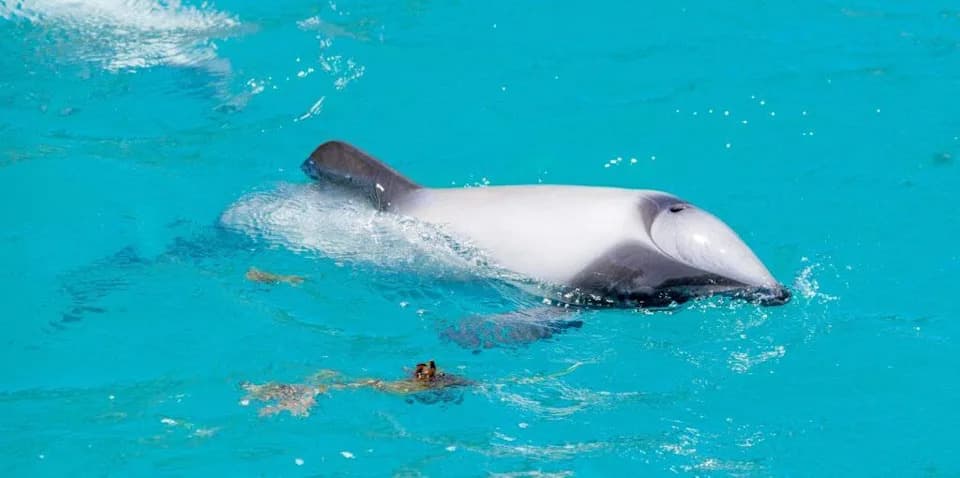
Hector’s Dolphin and its calf swim in Akaroa Harbour in New Zealand.©DSykes23i/Shutterstock.com(DSykes23i/Shutterstock.com)
A small dolphin that washed ashore on New Zealand’s west coast in February 2026 underscores the precarious state of the Māui dolphin, a critically endangered subspecies now estimated at fewer than 50 individuals. Scientists treat every stranding as a high‑priority investigation because the loss of a single animal can meaningfully change the subspecies’ survival outlook.
Why Every Stranding Matters
When a population is this small, every data point matters. Each recovered carcass provides evidence about immediate causes of death and long‑term pressures on the population—information that feeds national databases, improves population models and helps direct conservation action such as fishing restrictions and protected areas.
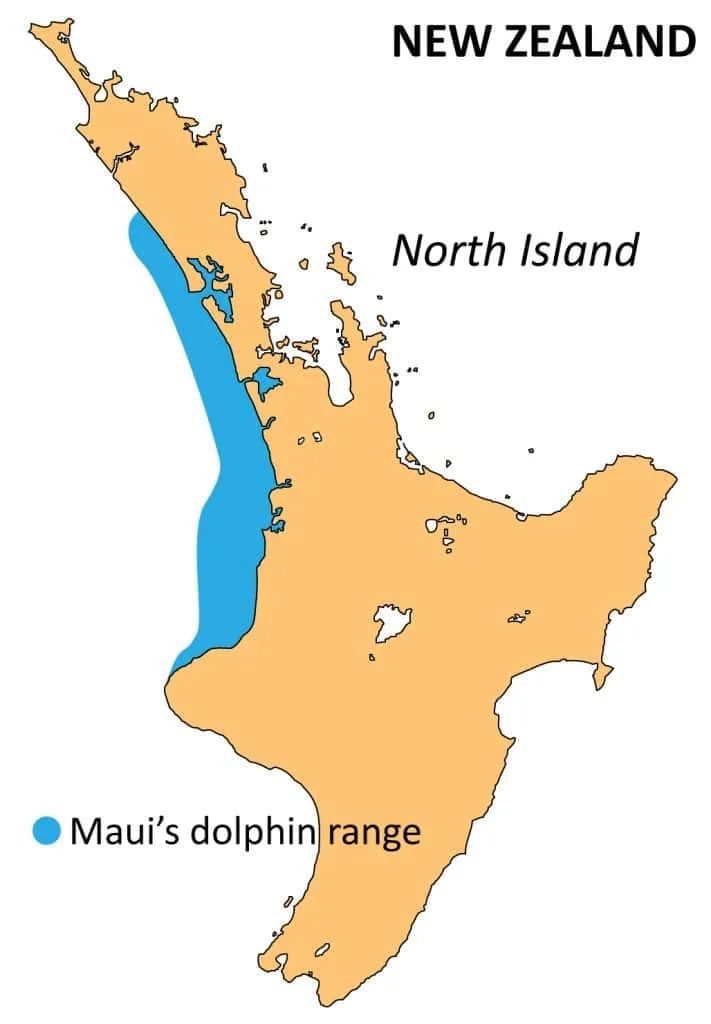
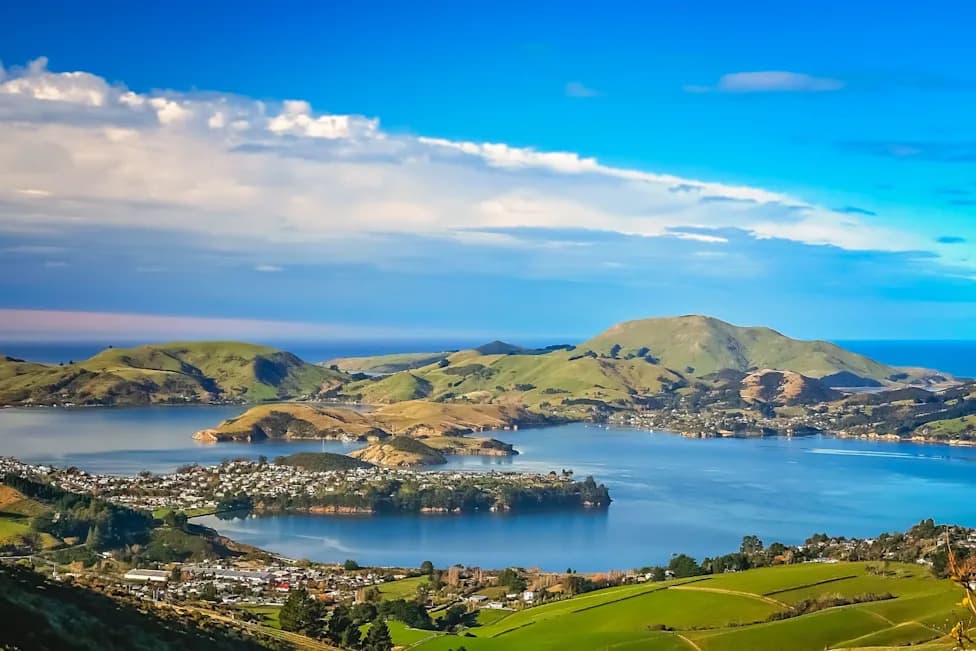
The range of the Māui dolphin is very limited.©Rudolph89, CC BY-SA 3.0 , via Wikimedia Commons –Original/License(Rudolph89, CC BY-SA 3.0 , via Wikimedia Commons)
Where Māui Dolphins Live
Māui dolphins are endemic to the west coast of New Zealand’s North Island and are considered a subspecies of Hector’s dolphin, which lives mainly around the South Island. Adults are among the smallest marine dolphins—roughly five feet long—with grey bodies, distinctive black‑and‑white markings and a rounded dorsal fin sometimes likened to a mouse ear. Genetic research shows the two groups diverged thousands of years ago, so losing the Māui would erase a unique evolutionary lineage.
The Port Waikato Discovery (February–March 2026)
In late February 2026 a juvenile dolphin washed ashore near Port Waikato. Because the location lies inside the Māui range, researchers suspected it was a Māui dolphin; genetic confirmation was pending as of March 2026. The Department of Conservation recovered the carcass and transported samples to Massey University, with DNA testing carried out by specialists at the University of Auckland.
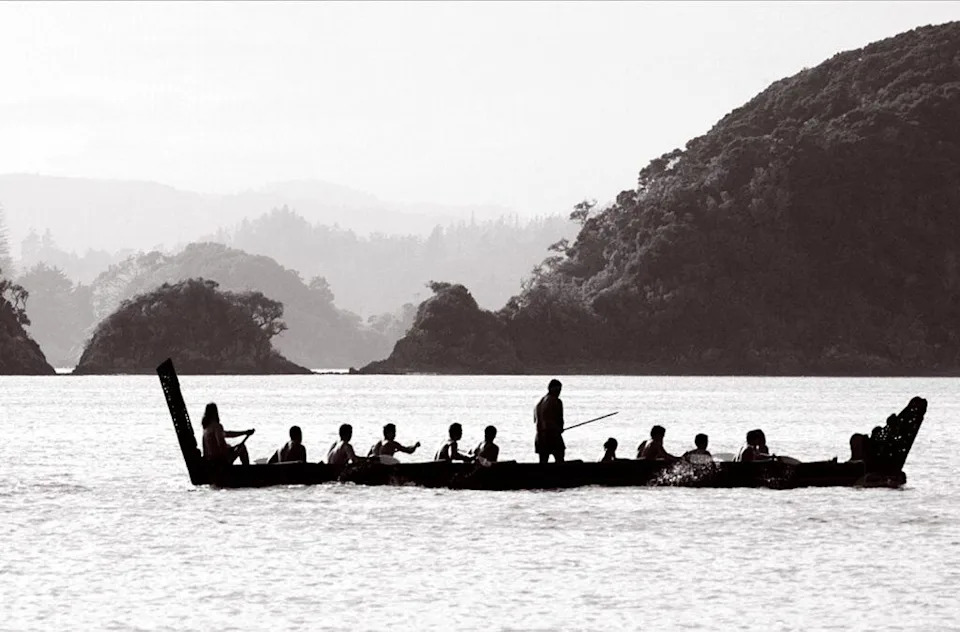
Māori culture promotes respect for the sea and its creatures.©ChameleonsEye/Shutterstock.com(ChameleonsEye/Shutterstock.com)
Investigations: From Crime Scene to Conservation Data
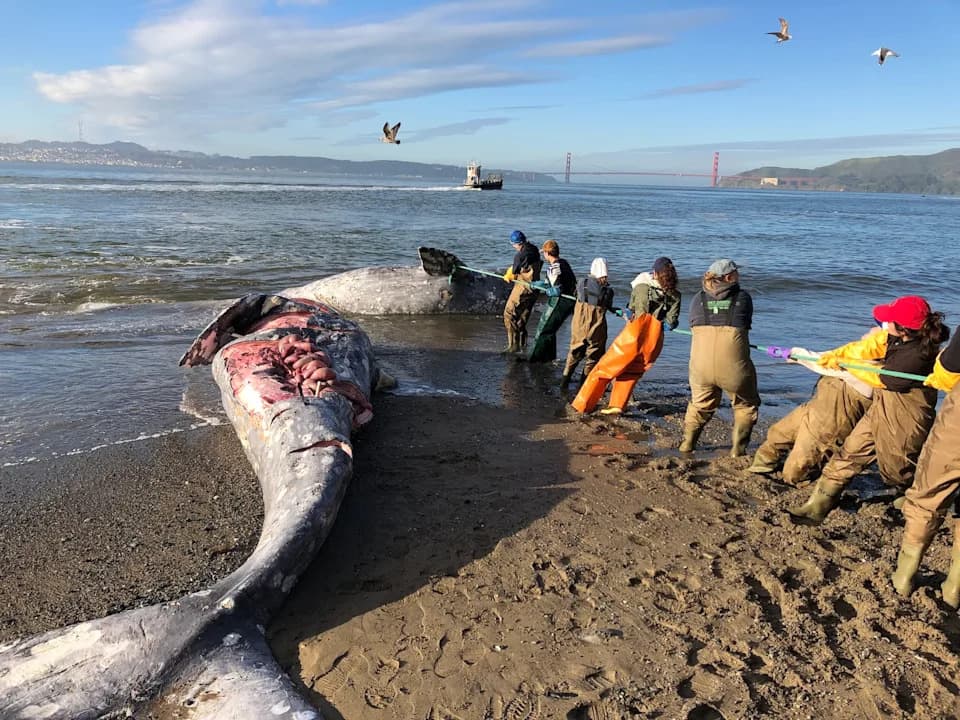
Scientists treat strandings like forensic investigations. Teams document the exact location, photograph and measure the animal, and record external marks that might indicate entanglement, propeller strikes or other trauma. Because heat, waves and scavengers degrade tissues rapidly, prompt public reporting is crucial—important evidence can disappear within hours.
Necropsies examine internal organs and collect tissue samples for microscopy, toxicology, virology and other laboratory tests. Researchers check stomach contents for diet clues or plastic ingestion. Where visual ID is uncertain, DNA analysis confirms whether the animal is a Māui or Hector’s dolphin and determines sex. Genetic data also feed long‑term monitoring programs that track family relationships, population size and survival trends.
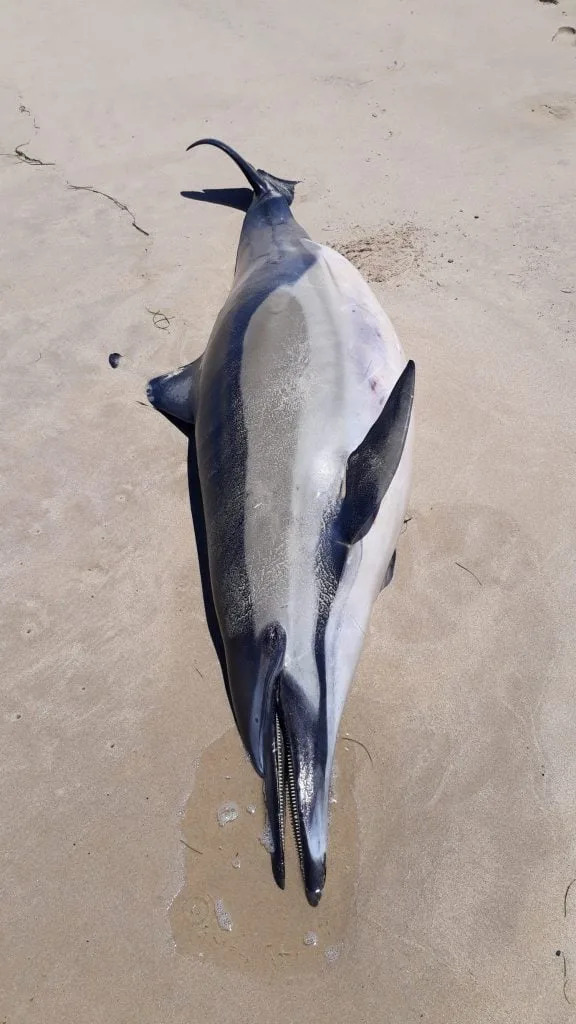
Stranded dolphins, such as this common dolphin, decompose quickly in the sun, degrading the information available to researchers by the hour.©GS Penry/Shutterstock.com(GS Penry/Shutterstock.com)
Limits of Evidence and the Value of Every Case
Many carcasses arrive too decomposed to reveal a definitive cause of death; in such cases investigators may record the result as "uncertain." Even an inconclusive necropsy contributes valuable information—location, age class, and body condition all strengthen population records and help reveal broader patterns when combined with other cases.
Cultural Partnership With Māori Communities
Investigations respect Māori values and cultural protocols. Many iwi regard these dolphins as taonga (treasured species). Māori representatives often participate in recoveries and may perform ceremonies before remains are taken for examination; after scientific work, remains are sometimes returned to local communities for appropriate care. These partnerships build trust and encourage community reporting.
Conservation Implications
Every confirmed death is entered into national research databases and combined with sightings and survey data to refine models of population change. For a population under 50 animals, losing one dolphin can noticeably shift extinction risk projections. Authorities use these analyses to prioritize actions—expanding fishing restrictions, adjusting protected areas, improving monitoring and strengthening reporting requirements.
How the Public Can Help
If you find a stranded or distressed dolphin, report it immediately to local authorities (for example, New Zealand’s Department of Conservation). Provide clear photos, exact GPS or landmark locations, and do not attempt to move the animal. Rapid reporting preserves forensic evidence and improves the chances that responders can recover useful samples.
In short: The juvenile found near Port Waikato may not reveal a clear cause of death, but the case still matters. Each sighting, genetic sample and stranding builds the scientific record that conservationists rely on to give the Māui dolphin a chance to survive.
Help us improve.