The U.N. climate chief told EU policymakers that the Iran war exposed the dangers of fossil-fuel dependence and strengthened the case for accelerating the shift to renewables and nuclear. European gas prices climbed about 50% during the two-week conflict, underscoring the EU's heavy reliance on imported oil and gas. While the Commission champions a transition to domestically produced clean energy to boost security and stabilize prices, some governments seek temporary rollbacks of climate rules. Simon Stiell warned that backtracking would prolong Europe’s vulnerability and said renewables offer cheaper, more secure energy and jobs.
UN Climate Chief Calls Iran War an 'Abject Lesson' on Fossil-Fuel Dependence — Urges Faster Shift to Renewables
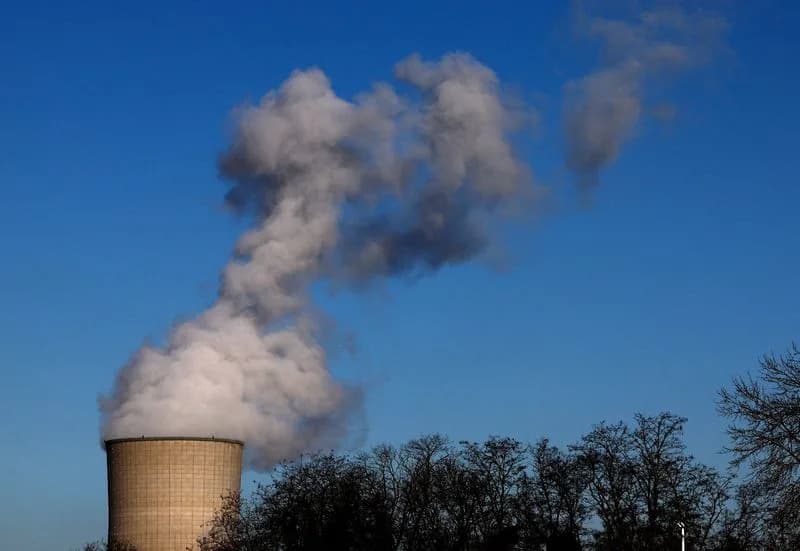
FILE PHOTO: Smoke billows from a chimney at a combined-cycle gas turbine power plant in Drogenbos, Belgium January 16, 2024. REUTERS/Yves Herman/File Photo
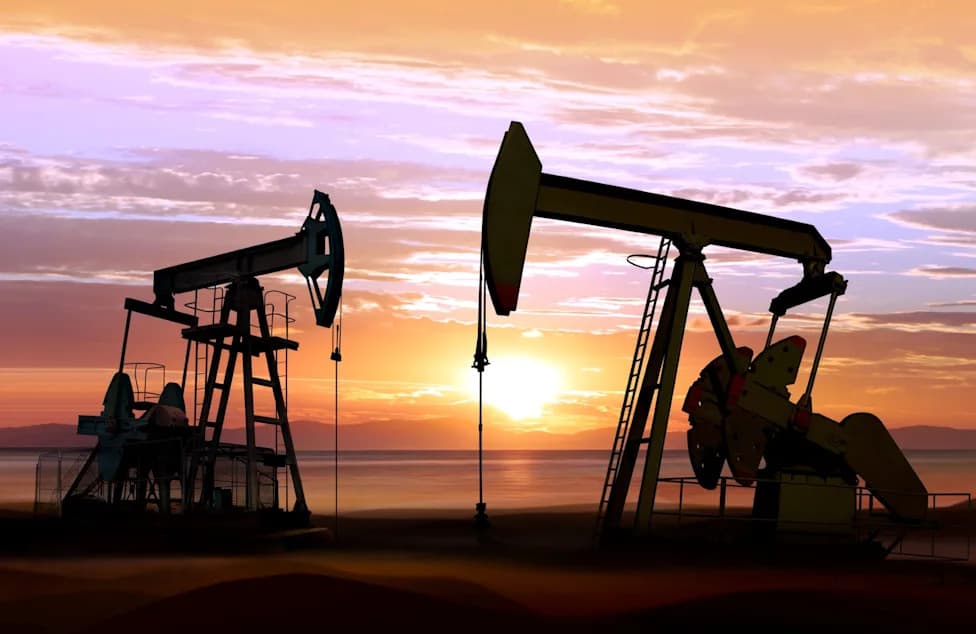
The disruption to global energy markets caused by the Iran war is an 'abject lesson' on the risks of relying on fossil fuels and reinforces the case for governments to speed up the transition off oil and gas, U.N. climate chief Simon Stiell told EU policymakers in Brussels.
Although the Middle East conflict is distant from Europe, its effects were felt quickly: European gas prices rose roughly 50% over the two-week span of the war, highlighting how exposed the bloc remains to external shocks. The EU still imports more than 90% of its oil and about 80% of its gas.
'Fossil fuel dependency is ripping away national security and sovereignty, and replacing it with subservience and rising costs,' Stiell said, warning that consumers are 'at the mercy of geopolitical shocks and price volatility.'
EU leaders are drafting emergency measures to shield households and businesses from the price spike and to avoid a repeat of the 2022 energy crisis, when Russian gas cuts pushed prices to record highs. In the longer term, the European Commission argues that replacing fossil fuels with locally produced renewables and nuclear power will strengthen energy security and reduce exposure to volatile global fuel markets.
Some member states, notably Italy and Hungary, have urged Brussels to relax climate rules temporarily to ease costs for industry. Stiell called such rollbacks 'completely delusional' and said retreating from climate goals would perpetuate vulnerability to crises.
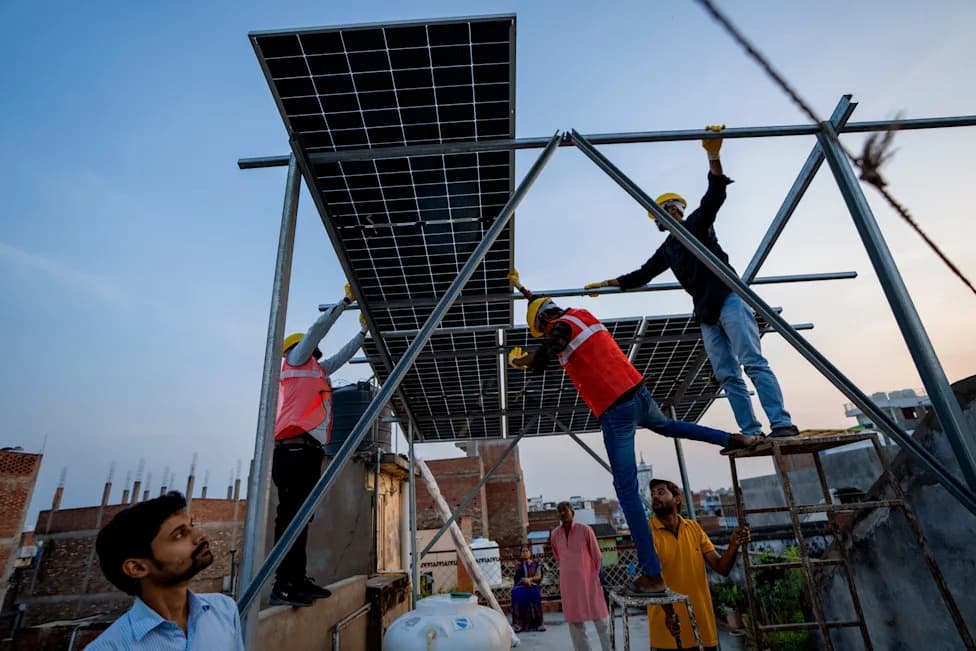
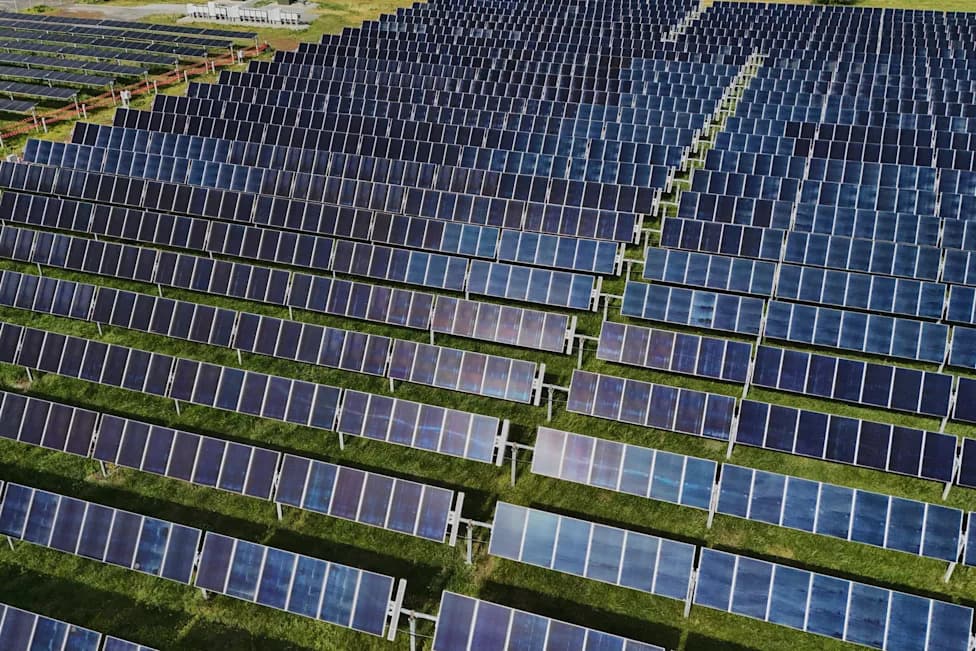
He argued that accelerating wind, solar and other clean-energy investments would deliver cheaper power, create jobs in clean-technology sectors, and secure supplies that do not depend on narrow shipping routes or volatile exporters.
'Meek dependence on fossil fuel imports will leave Europe forever lurching from crisis to crisis,' Stiell said. 'Renewables turn the tables. Sunlight doesn’t depend on narrow and vulnerable shipping straits.'
Reporting by Kate Abnett; edited for clarity.
Help us improve.