Simon Harris told Euronews that rising oil prices and market turmoil are driven primarily by constrained flows through the Strait of Hormuz and recent pipeline disruptions, not Ukrainian strikes on Russian refineries. He warned that continued escalation in the Middle East is worsening energy markets and supported exploring a windfall tax on firms profiting from volatility. Harris also urged coordinated EU action on illegal West Bank settlements and called for broader de‑escalation to reduce economic and human costs.
Harris Says Strait Of Hormuz Closure — Not Ukraine Strikes — Is Fueling Global Energy Crisis
Irish Finance Minister says Hormuz closure, not Ukraine, causing energy crisis
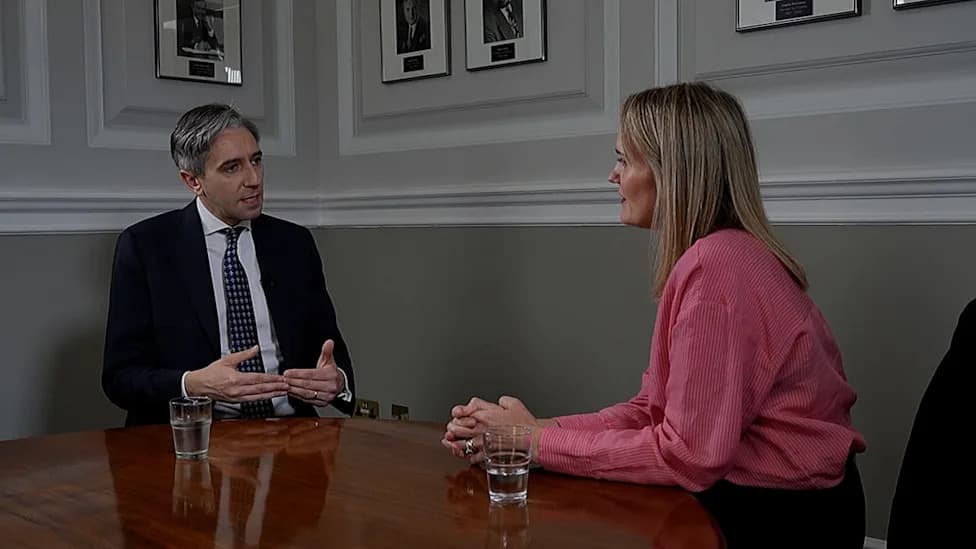
Irish Finance Minister and Tánaiste Simon Harris told Euronews in an exclusive interview that the current turmoil in global energy markets is driven mainly by the effective closure of the Strait of Hormuz and escalating tensions in the Middle East, rather than Ukrainian strikes on Russian refineries.
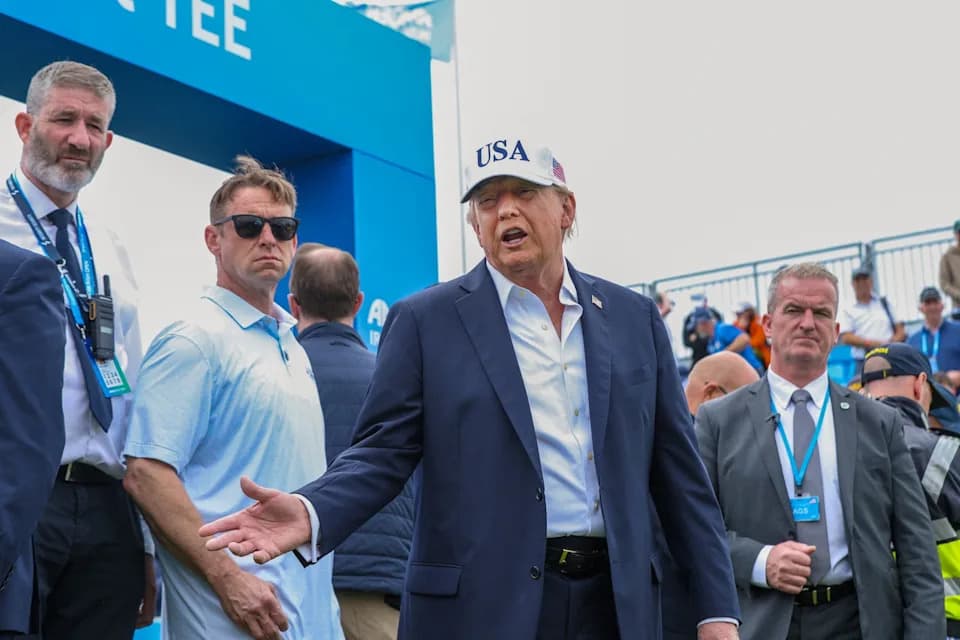
Responding to comments by US President Donald Trump blaming Ukrainian attacks for fuel shortages, Harris pointed to constrained flows through Hormuz and recent disruptions to key pipelines as the principal causes of rising oil prices, currently around $108 a barrel.
Hormuz, Pipeline Disruptions and Market Impact
Harris said the link between reduced tensions and lower energy prices was visible this summer when a short-lived easing led to a rapid fall in commodity markets and relief at the pump. He warned, however, that the situation has deteriorated again.
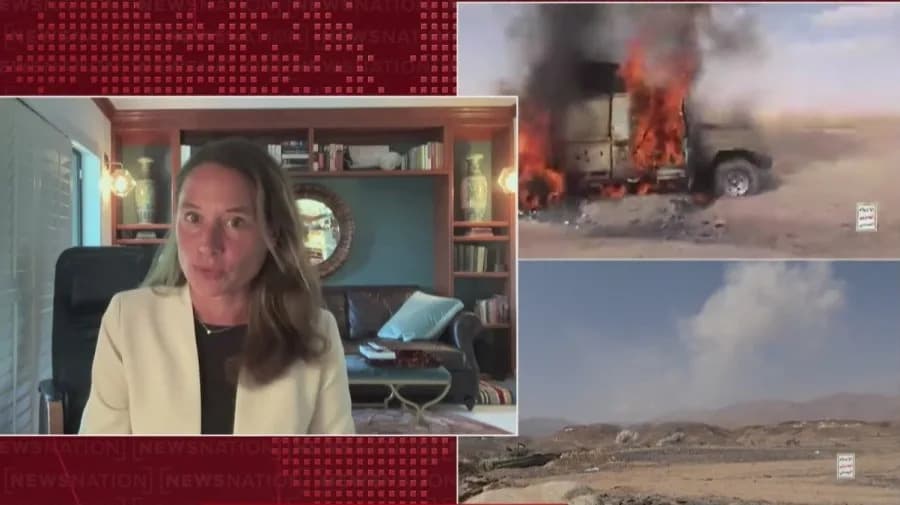
The route through the Strait of Hormuz carries roughly 20% of global oil and gas shipments. Supply routes tightened further after Saudi Arabia temporarily halted its East–West Petroline pipeline following drone strikes earlier this month attributed to Houthi forces and allied groups in the region.
"The reason there's a major energy crisis in the world right now is because the Strait of Hormuz is closed," Harris said. "The greatest economic intervention we could see is de‑escalation in the Middle East."
Policy Responses Under Consideration
Harris made his comments as eurozone finance ministers met in Dublin to discuss measures to shield households and firms from surging energy costs. One option being explored informally is a windfall tax on energy companies profiting from price volatility.
"Some energy companies are making extraordinarily large profits on the back of this energy crisis," Harris said, arguing those gains stem from market chaos rather than innovation. He added that Ireland, which currently holds the rotating EU Council presidency, would seek further examination of the idea by the European Commission and expect formal discussion at the next Economic and Finance Council meeting in October.
De‑Escalation And Human Costs
Beyond economics, Harris stressed the humanitarian toll of multiple conflicts. "While I speak in my capacity as finance minister, we should never become numb to loss of life in war — whether in Ukraine, Gaza or the wider Middle East," he said, calling for broad de‑escalation.
Settlements And Trade Measures
On settler violence in the West Bank, Harris advocated a firmer EU stance on Israeli settlements that are considered illegal under international law. Several countries, including Ireland and the United Kingdom, have introduced national bans on imports of goods produced in those settlements.
Harris said he preferred coordinated EU action for greater impact. Estonia’s prime minister, Kaja Kallas, has also advocated an EU‑wide trade ban with illegal West Bank settlements, likening their status to other occupations that the EU opposes.
Harris concluded by urging leaders to prioritize de‑escalation to stabilize energy markets and reduce both economic pain and human suffering.
Help us improve.