Researchers at the University of Catania have shown that Mount Etna's volcanic ash can be processed into a fertilizer-quality soil amendment, offering a cheap, sustainable alternative to chemical fertilizers. Processing costs are about €30 per tonne versus €300 per tonne for disposal, but EU and Italian rules currently treat ash as waste, slowing commercial use. Regional guidance is beginning to allow recycling, yet no private companies have widely adopted collection and refining. The team is pushing for regulatory change to make systematic reuse viable.
Mount Etna Ash Reborn: Scientists Convert Volcanic Dust Into Low-Cost Fertilizer
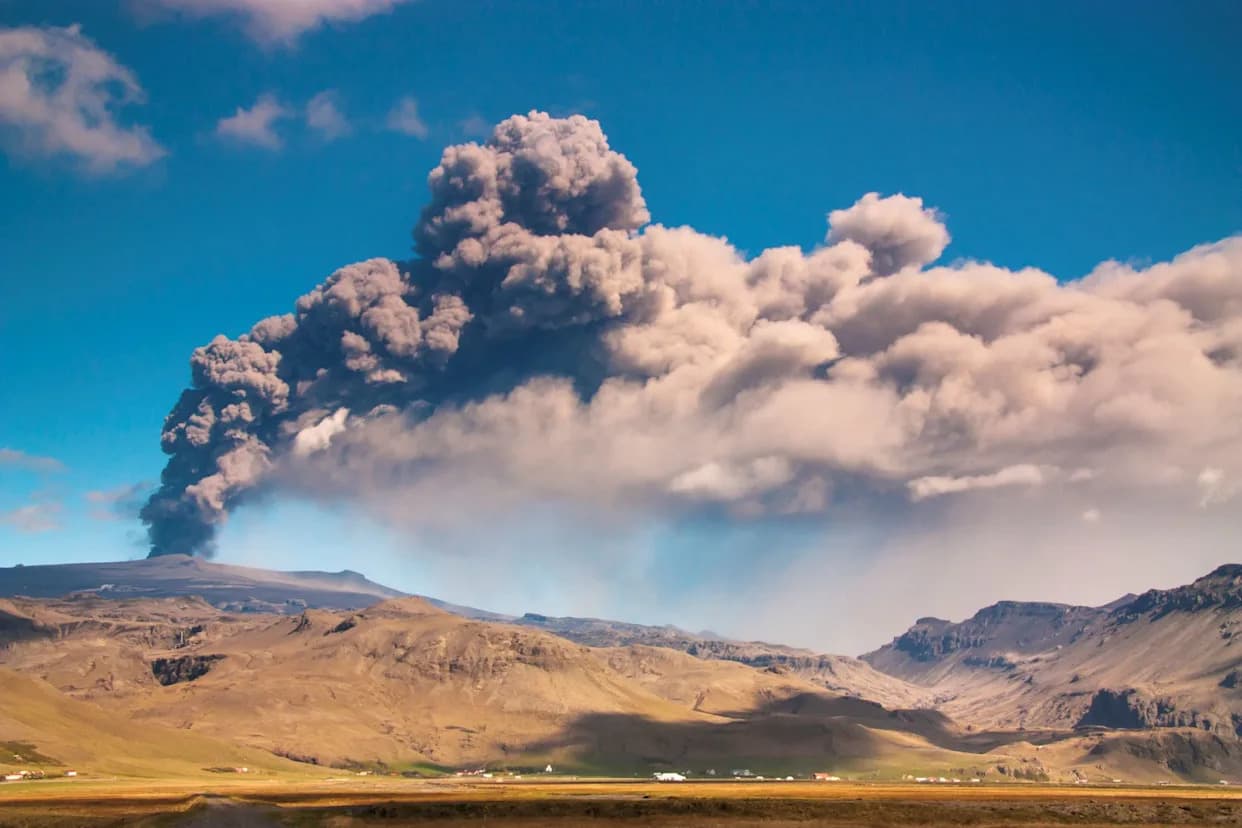
Photo Credit: iStock
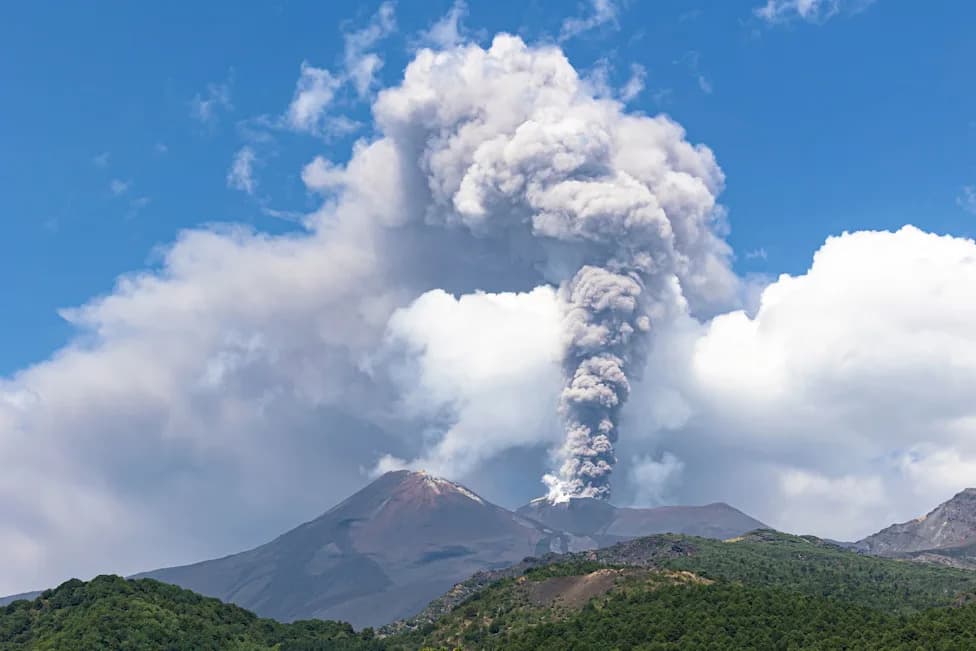
Researchers at the University of Catania have developed a process that converts volcanic ash from Mount Etna into a usable soil amendment, potentially transforming a centuries-old agricultural nuisance into a low-cost, sustainable fertilizer.
Communities around Etna have long struggled with recurring ash fall. Fine volcanic particles can contaminate water supplies, impede crop growth and increase cleanup costs—problems that worsened after a string of eruptions beginning in 2011 left farmland and villages repeatedly blanketed in ash.
From Waste To Resource
The study analysed the ash's chemical composition and demonstrated a conversion method that produces a material beneficial to plant growth. Treated ash can partly replace conventional chemical fertilizers and reduce reliance on synthetic inputs.
"It allows us to use fewer chemicals, which makes fertilising cheaper and more sustainable, respecting the equilibrium of nature without abusing it," said Sicilian farmer Andrea Passanisi. "It's the future of agriculture."
Researchers note the approach complements other emerging alternatives—such as biochar-based products—and carries an added environmental benefit: using ash-derived amendments lowers the risk that persistent contaminants associated with some chemical inputs, like PFAS, will enter the food chain.
Costs And Regulatory Hurdles
Processing the ash is relatively inexpensive: roughly €30 per tonne (about $32 per ton) compared with about €300 per tonne (around $317 per ton) to dispose of it as waste. Despite the economic advantage, current Italian and European regulations generally classify volcanic ash as waste, limiting large-scale recovery or reuse under existing rules.
Some regional authorities have started to permit recycling following the research, but private-sector uptake remains limited. "More than a year since the study, there's still no list of companies registered to collect and refine ashes for production purposes," said Paolo Roccaro, an environmental engineering professor who led the research. For now, the team aims to demonstrate feasibility and push for regulatory change and market development.
If regulatory and logistical barriers can be addressed, ash recycling could offer farmers around Etna—and potentially other volcanic regions—an affordable, locally produced soil amendment that reduces waste and supports more sustainable farming practices.
Help us improve.