The Yara ammonia and fertilizer plant in Sluiskil, Netherlands, has started operating Europe’s largest industrial carbon capture facility, designed to capture about 800,000 tonnes of CO2 per year. The CO2 is liquefied on site, shipped to Norway and injected roughly 8,530 feet (≈2,600 m) beneath the seabed by Northern Lights. The project aims to store around 12 million tonnes over 15 years and highlights the role of CCS for hard‑to‑decarbonize industries while underscoring the need for expanded transport, storage and monitoring infrastructure.
Netherlands Opens Europe’s Largest Industrial Carbon‑Capture Plant — 800,000 Tons/Year
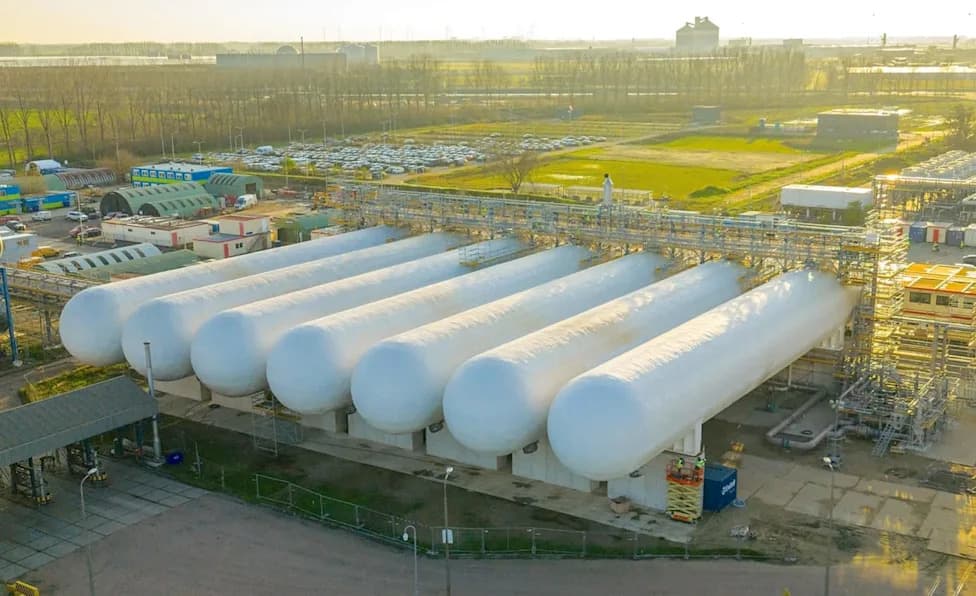
Photo Credit: Yara International ASA
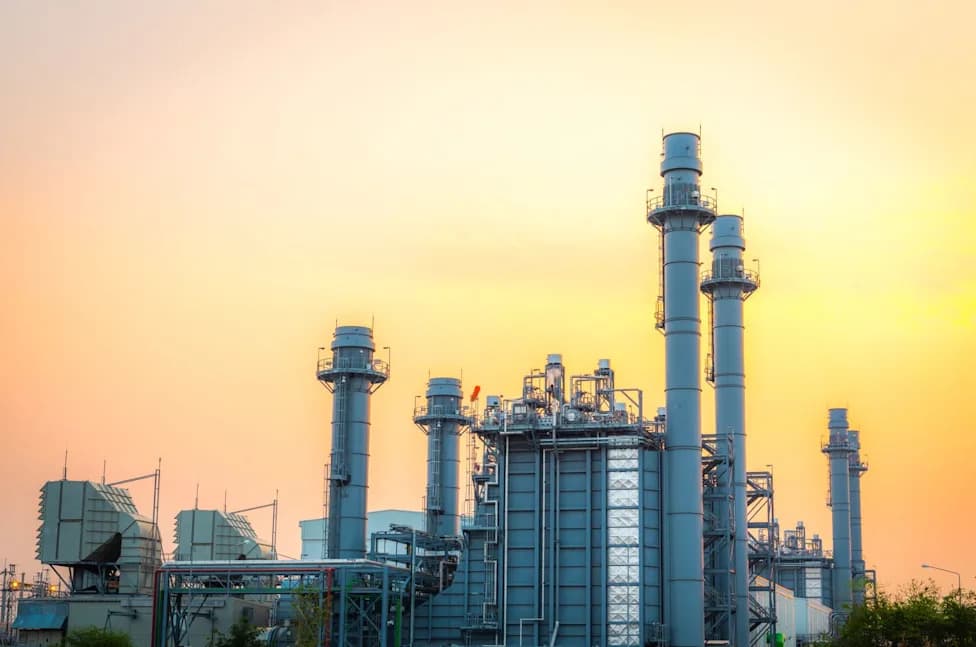
The Yara ammonia and fertilizer plant in Sluiskil, Netherlands, has begun operating Europe’s largest industrial carbon capture facility, a major step for industries seeking ways to cut emissions that are difficult to eliminate by other means.
How it works: The system captures roughly 800,000 tonnes of CO2 per year from ammonia production. Captured CO2 is liquefied and stored temporarily in large on‑site tanks, then loaded onto ships bound for Norway.
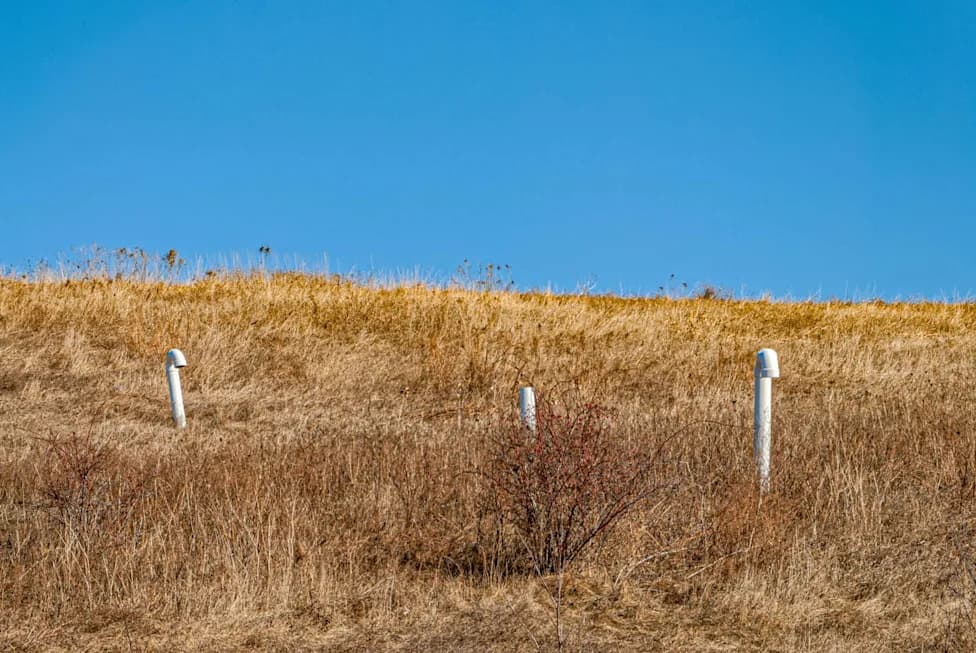
In Norway the shipments are received by the Northern Lights transport and storage network, which injects the CO2 into a secure geological reservoir about 8,530 feet (≈2,600 m) beneath the seabed for permanent storage. Project projections foresee roughly 12 million tonnes of CO2 stored over the next 15 years.
Why fertilizer plants are suitable for CCS: Ammonia and fertilizer production tend to emit relatively pure CO2 streams, which makes capture simpler and less costly than capturing diluted emissions from many other industrial processes.
Context and scale: While 800,000 tonnes per year is a large industrial installation by European standards (about 1/200th of the Netherlands’ annual greenhouse‑gas emissions), it is small compared with global fossil‑fuel CO2 emissions — the Global Carbon Budget estimates over 42 billion tonnes for 2025. The Sluiskil facility is also smaller than China’s Huaneng Longdong project, which captures roughly 1.5 million tonnes per year from coal‑plant flue gas.
Infrastructure and future growth: The launch highlights the need for coordinated transport and storage infrastructure: pipelines or ships, licensed storage sites and long‑term monitoring to ensure injected CO2 stays secure. Northern Lights currently handles about 1.5 million tonnes per year and plans to expand capacity to 5 million tonnes annually as industry demand rises.
Limitations and role: CCS is not a silver bullet — it carries costs, requires rigorous monitoring, and does not replace the need for emissions reductions and cleaner production methods. However, it is a practical, complementary tool for decarbonizing hard‑to‑abate sectors such as cement, steel and chemical production.
Other related efforts: Engineers at Thyssenkrupp have demonstrated ways to capture cement emissions; Climeworks in Iceland operates one of the largest commercial direct‑air capture plants; and Equatic is developing ocean‑based carbon removal with plans for permanent storage.
Bottom line: Yara’s Sluiskil project demonstrates how industrial CCS can be deployed at scale regionally, but wide deployment will require expanded transport and storage networks, strong monitoring, and complementary emissions‑reduction measures.
Help us improve.