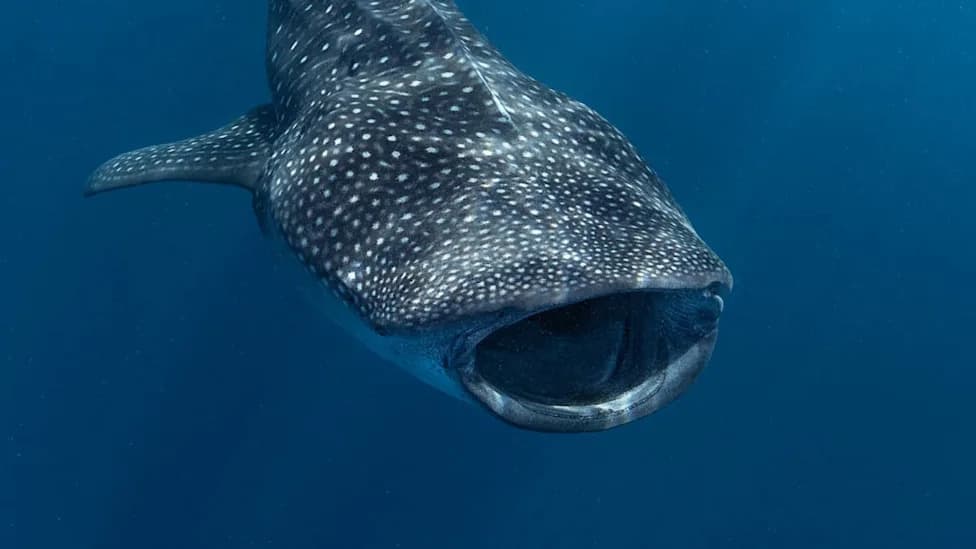
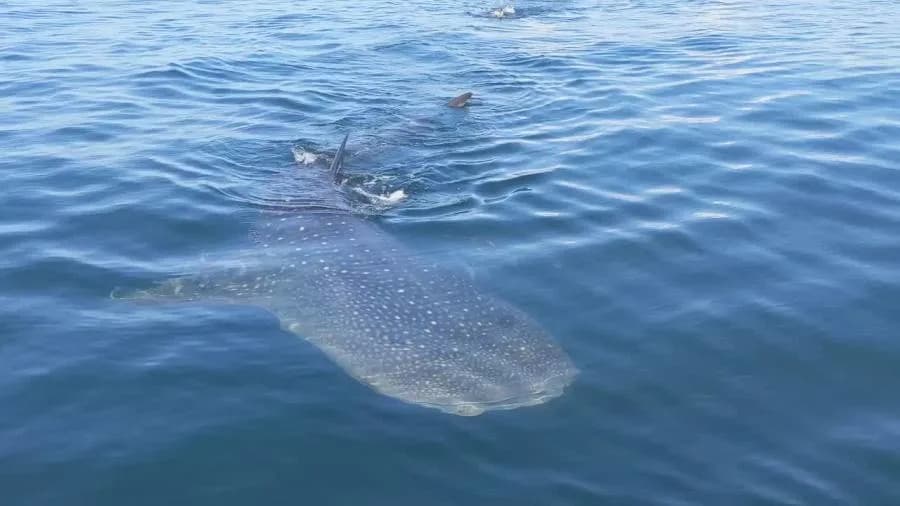
A juvenile male whale shark was photo-identified moving about 746 miles (1,200 km) from Nosy Be, Madagascar, to Mahé, Seychelles — the first confirmed transboundary movement between the two countries. The match came from comparing images taken in 2019 and August 2025 using unique spot patterns. The sighting highlights threats to the species (bycatch, vessel strikes, targeted fishing and climate-driven shifts in plankton) and underscores the need for coordinated regional monitoring, data sharing and new technologies to understand changing distributions.
Whale Shark Travels 746 Miles From Madagascar to Seychelles — First Confirmed Transboundary Move
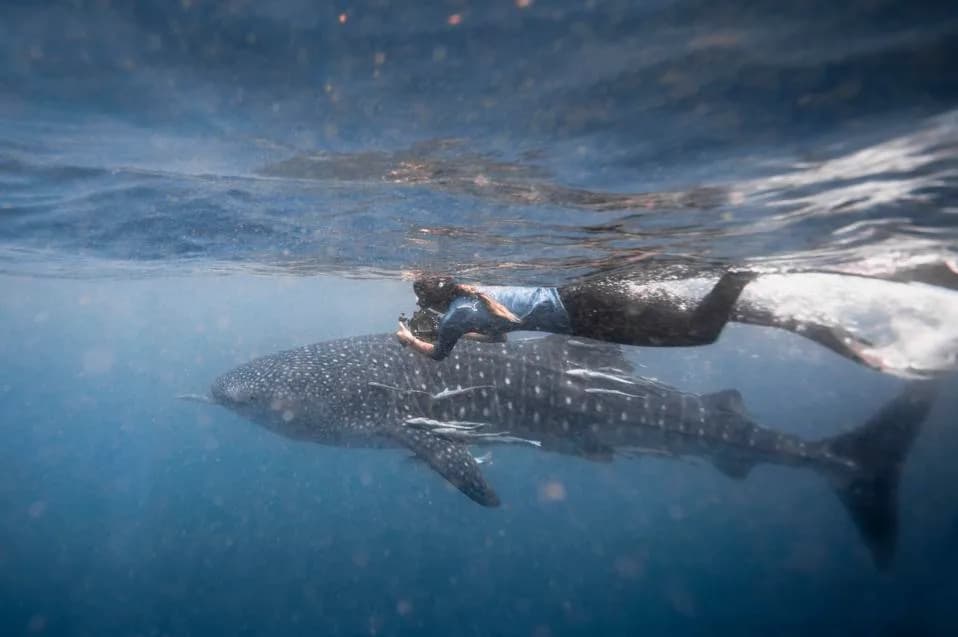
Stella Diamant of the Madagascar Whale Shark Project taking a photo ID shot of a whale shark.Ann Cools
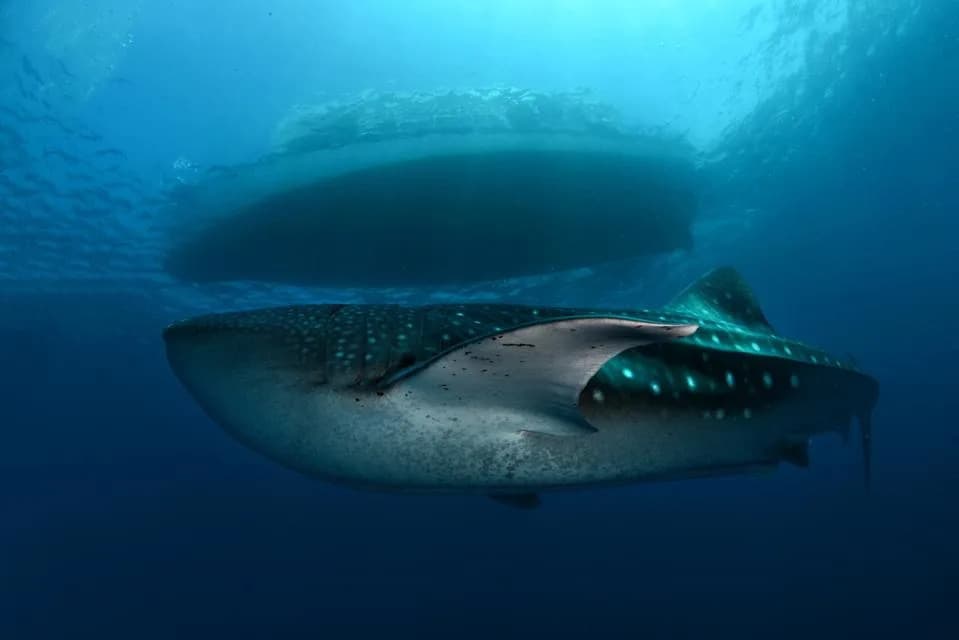
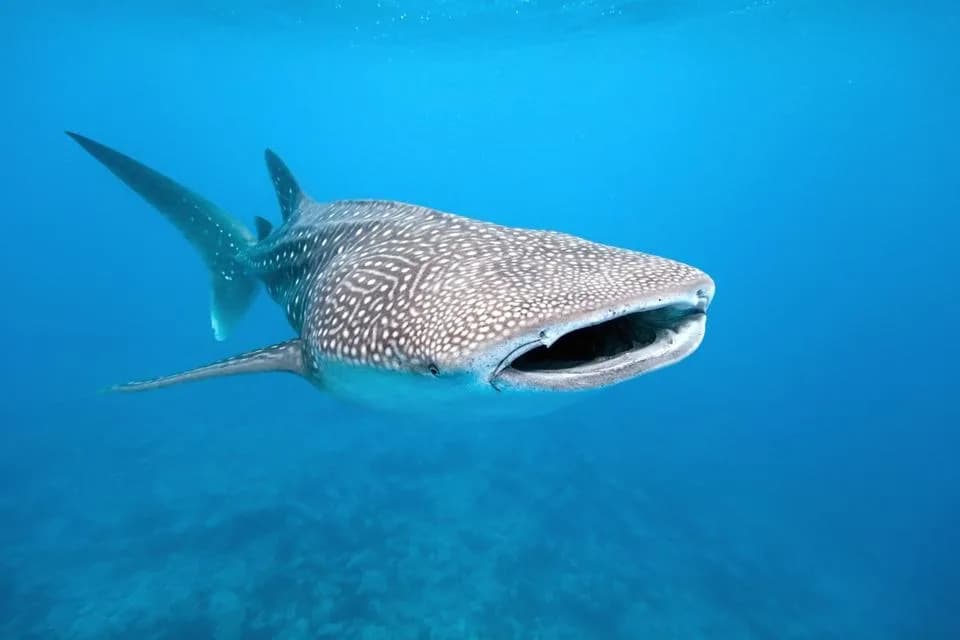
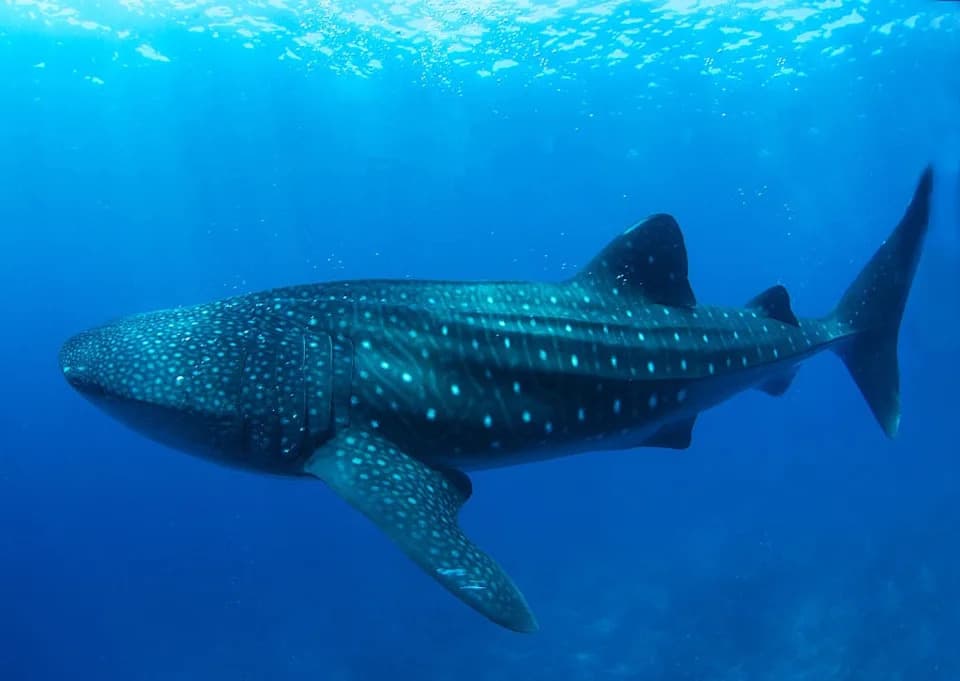
A juvenile male whale shark (Rhincodon typus) has completed a verified long-distance journey of roughly 746 miles (1,200 kilometres) from Nosy Be, Madagascar, to Mahé in the Seychelles — the first documented movement of its kind between these two nations. Researchers confirmed the match by comparing photographic ID images taken off Nosy Be in 2019 with photos captured near Mahé in August 2025.
The Discovery
Teams from the Madagascar Whale Shark Project and the Marine Conservation Society Seychelles (MCSS) used the species' unique spot patterns — like fingerprints — to confirm the resighting. The match was possible because both programmes maintain photo-identification databases and shared their records for comparison.
“This discovery underscores the importance of long-term monitoring and international collaboration. Without shared photo-identification databases, this movement would have gone unnoticed,” said Stella Diamant of the Madagascar Whale Shark Project.
Why This Matters
Although whale sharks are known to travel great distances in other regions, this is the first verified case showing an individual moving between Madagascar and another western Indian Ocean country. The finding demonstrates that whale sharks in these waters form a transboundary population, highlighting the need for coordinated regional conservation.
Threats and Protection
Whale sharks are listed as Endangered on the IUCN Red List. Despite their size and gentle, plankton-feeding behaviour, they are vulnerable to human impacts including fisheries bycatch, vessel strikes, targeted fishing in some areas, and climate-driven shifts that change plankton bloom locations — the food sources these sharks follow. The Seychelles has legally protected whale sharks since 2003; Madagascar currently lacks a formal national protection despite recent research valuing Madagascar’s whale shark tourism at about $1.5 million USD.
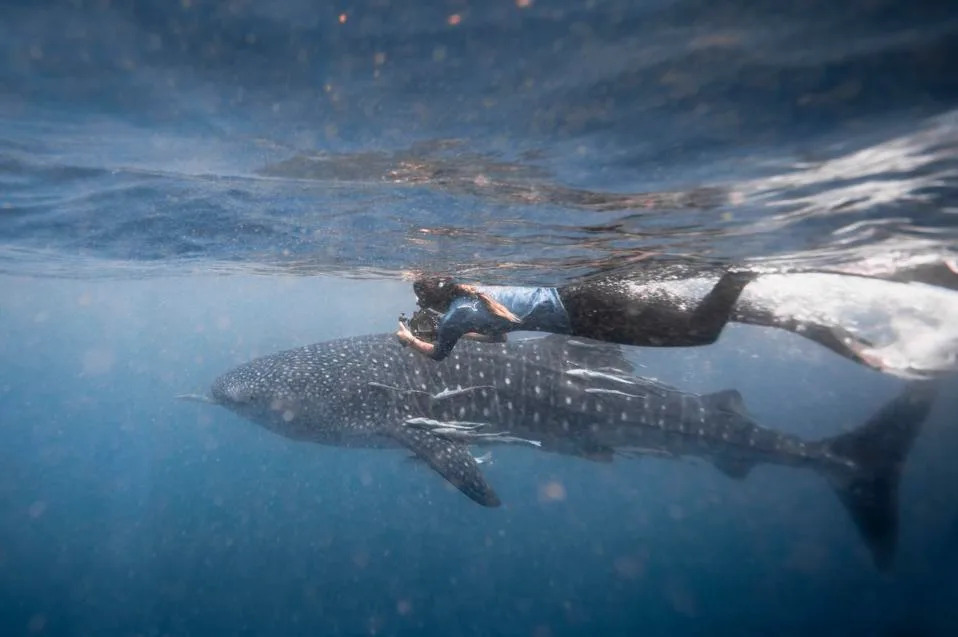
Stella Diamant of the Madagascar Whale Shark Project taking a photo ID shot of a whale shark.Ann Cools
Conservation Implications
Because whale sharks cross maritime boundaries, an individual’s risk can change as it moves between jurisdictions with different regulations and enforcement. The western Indian Ocean is also home to significant tuna fisheries, where bycatch remains a persistent threat to large pelagic species. A single resighting raises many questions: Are whales shifting feeding grounds due to changing plankton distribution? Are regional population sizes changing? Or are movements a combination of behavioural and environmental drivers?
Answering these questions will require continued, coordinated monitoring, broader data sharing and the use of additional tools such as satellite tagging, environmental DNA and systematic surveys. Still, this case highlights the power of accessible tools like photographic identification to produce transformative insights when organisations collaborate.
Photo caption: Stella Diamant of the Madagascar Whale Shark Project taking a photo-ID shot of a whale shark.
Looking Ahead
The young whale shark’s journey is a reminder that marine species operate on ecological, not political, boundaries. This individual has become an inadvertent ambassador for cross-border conservation — the challenge now is whether human governance and conservation action can match the scale of the animals they aim to protect.
Help us improve.