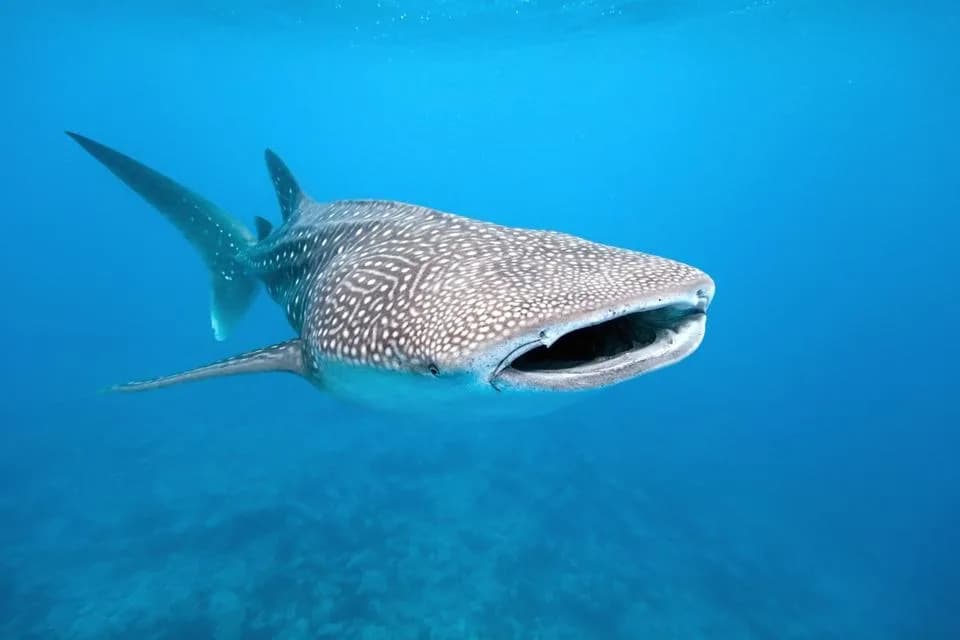
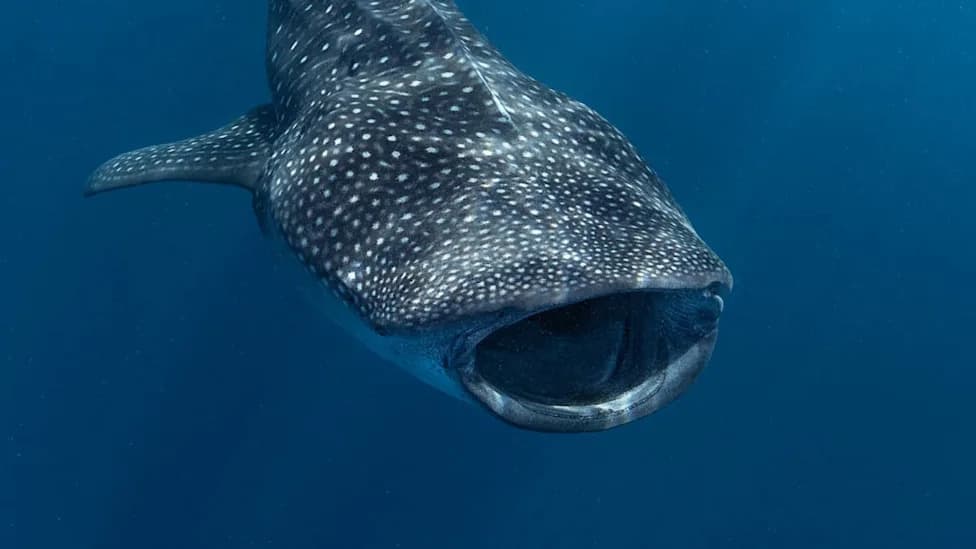
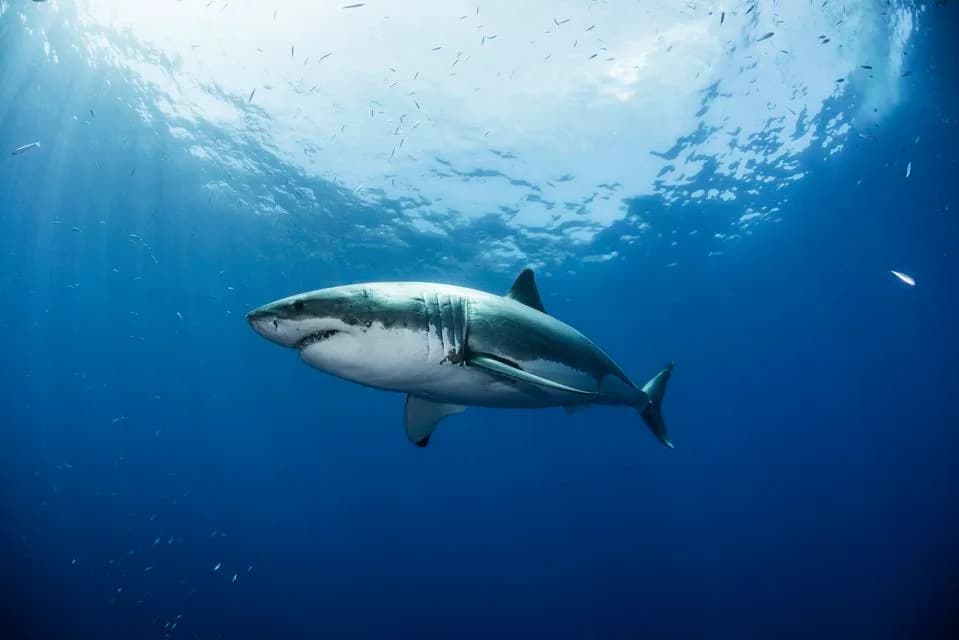
Each whale shark carries a unique spot pattern that researchers use like a fingerprint to identify individuals via non‑invasive photographic identification. At Milaidhoo and through the Maldives Whale Shark Research database, more than 900 sharks have been catalogued; repeated sightings reveal growth, movement and recovery from injuries. Key feeding sites such as Baa Atoll and Hanifaru Bay attract sharks when plankton concentrates, but threats from boat strikes and unregulated tourism remain. Citizen‑science programs help visitors contribute valuable data while promoting responsible encounters.
Every Whale Shark Has a Fingerprint: How Photo‑ID Reveals Their Lives in the Maldives
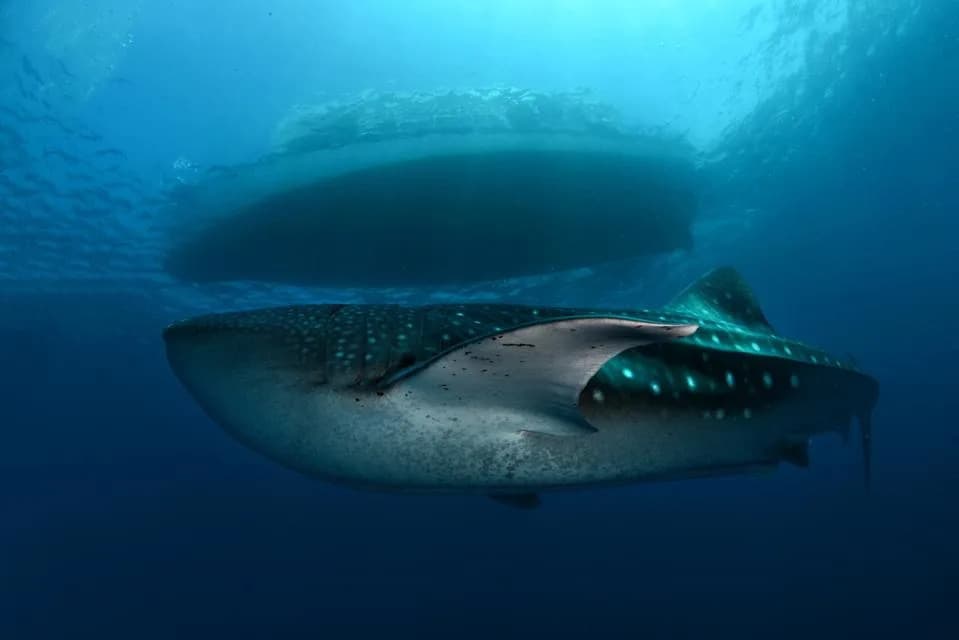
MALDIVES - JANUARY 26: A view of a whale shark (Rhincodon typus), the worldâs largest shark and an iconic marine species of the region, is now rarely seen in the Maldives, on January 26, 2026. Generally non-aggressive toward humans, these giants can grow over 18 meters and feed on plankton. Their population has halved in recent years, and they are listed as endangered on the International Union for Conservation of Nature (IUCN) Red List, under protection. (Photo by Tahsin Ceylan/Anadolu via Getty Images)Anadolu via Getty Images
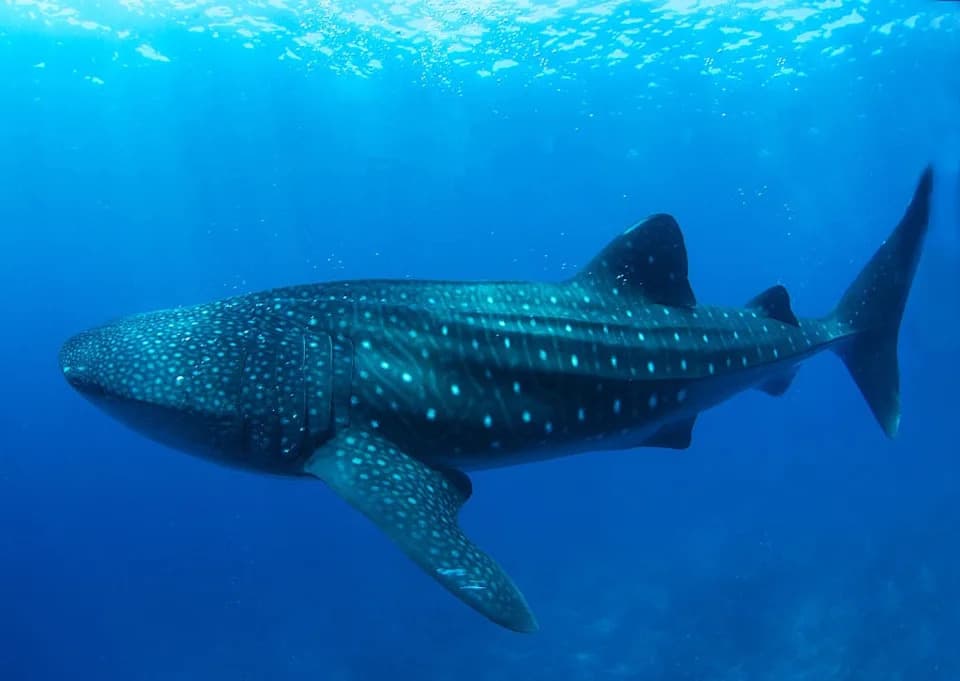
For many visitors the first impression of a whale shark is simply its immense size and calm, spotted body as it glides through the water. For scientists, however, the pattern of pale spots and stripes is a vital record: each whale shark (Rhincodon typus) carries a unique arrangement of markings — effectively a natural fingerprint — that can be used to identify individuals without capturing or tagging them.
At Milaidhoo in the Maldives, marine biologists systematically photograph these patterns to build long-term life histories. "When we encounter a whale shark, we first give it space and let it behave naturally," says Nairika Bharucha, Milaidhoo's Resident Marine Biologist. The team focuses on the area behind the fifth gill slit and above the pectoral fin, extending to the rear edge of that fin. Both flanks are unique, but the left side is the standard used for photo identification. Field teams also record size, sex, scars, other distinctive marks, location and the date and conditions of the sighting.
Those images are uploaded to a Big Fish Network portal and shared with Maldives Whale Shark Research (MWSR). Dedicated pattern‑matching software searches the database for likely matches, which researchers then visually verify. This photographic identification, or photo‑ID, is non-invasive, highly reliable and widely used for other species with distinctive markings, such as manta rays, sea turtles, giraffes and leopards.
What Photo‑ID Reveals
MWSR has catalogued more than 900 individual whale sharks. Repeated sightings build detailed profiles that show movements, growth and recovery from injuries. For example:
- WS178 ("Choco") was first recorded in Baa Atoll in 2011 and has been re‑sighted 99 times, most recently again in Baa Atoll.
- WS268 ("Rattehi") was first documented in Thaa Atoll when estimated at about 3 m (9.9 ft) and was later photographed near Milaidhoo measuring roughly 8 m (26 ft).
Repeated photo‑ID allows researchers to estimate growth rates and age‑to‑length relationships and to monitor injury healing — in some cases scars become progressively less visible across sightings, providing direct evidence of recovery.
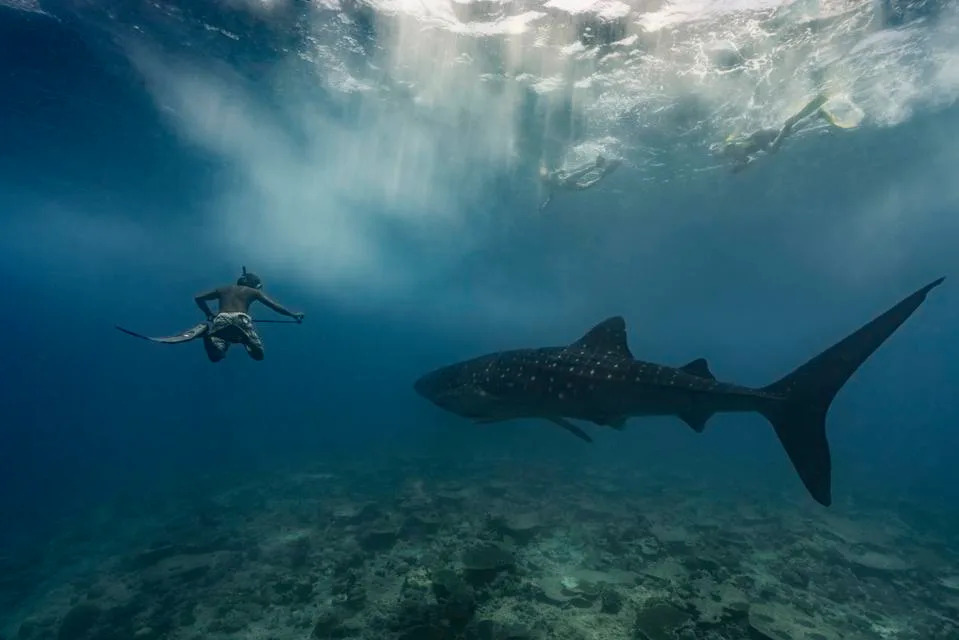
Snorkelers are swimming next to a whale shark (Rhincodon typus) in Maldives, Indian Ocean. The absence of management of whale watching in the Maldives puts pressure on certain species, such as here with a whale shark. (Photo by Alexis Rosenfeld/Getty Images)
Ecology, Hotspots and Threats
Whale sharks are filter feeders that follow concentrations of plankton — tiny organisms such as copepods, krill, fish eggs and larvae. By tracking individuals, scientists learn about seasonal movements, feeding hotspots and connections to ocean currents and plankton blooms. In the Maldives, Baa Atoll and Hanifaru Bay are important feeding areas where monsoonal currents concentrate plankton and attract both whale sharks and large numbers of manta rays.
But these productive, shallow waters can expose sharks to danger. Boat propellers are a major threat: because whale sharks often feed near the surface, propeller strikes can cause deep lacerations on the dorsal surface, fins and tail. Unregulated tourism is another concern — large groups of swimmers can crowd and block an animal, disrupting feeding and movement. Touching a whale shark is harmful, too: it can remove the protective mucus layer on the skin, increasing infection risk and causing stress.
Citizen Science and Responsible Encounters
Programs such as Milaidhoo's "Be a Marine Biologist" let guests learn how to photograph whale sharks correctly and contribute sightings to scientific databases. Bharucha emphasizes that encountering wildlife is a privilege: visitors should observe from a respectful distance, avoid touching, and follow local guidelines so that tourism supports conservation rather than harming animals.
During 2025 observations near Milaidhoo, researchers recorded nine individual whale sharks — mostly immature animals measuring about 4–9 m (13–30 ft) — and roughly 80% were male. Scientists suspect this male bias results from habitat differences: juvenile and adult females appear to spend more time in deeper offshore waters, while young males frequent shallower, plankton‑rich coastal areas. Female whale sharks remain particularly mysterious because they are rarely seen in the accessible shallow feeding aggregations, leaving important questions about breeding and population connectivity.
"Every sighting can help us protect them and the oceans they depend on," Bharucha says. Photographs that once began as simple tourist snapshots can become critical data in long‑term conservation efforts.
Note: This article was originally published on Forbes.com and summarizes ongoing research and conservation work in the Maldives.
Help us improve.