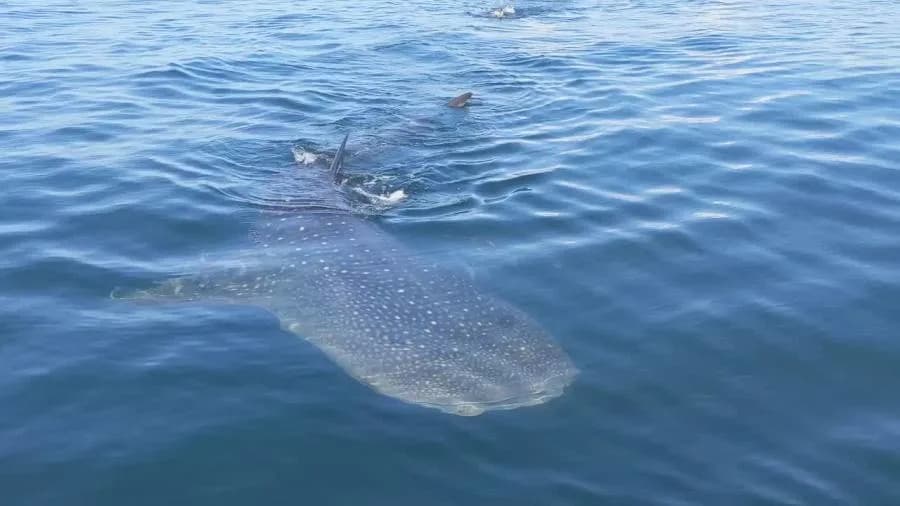
A Newport Beach fishing charter, Bongos Sportfishing, set out to target yellowtail and instead encountered a whale shark during a recent trip.
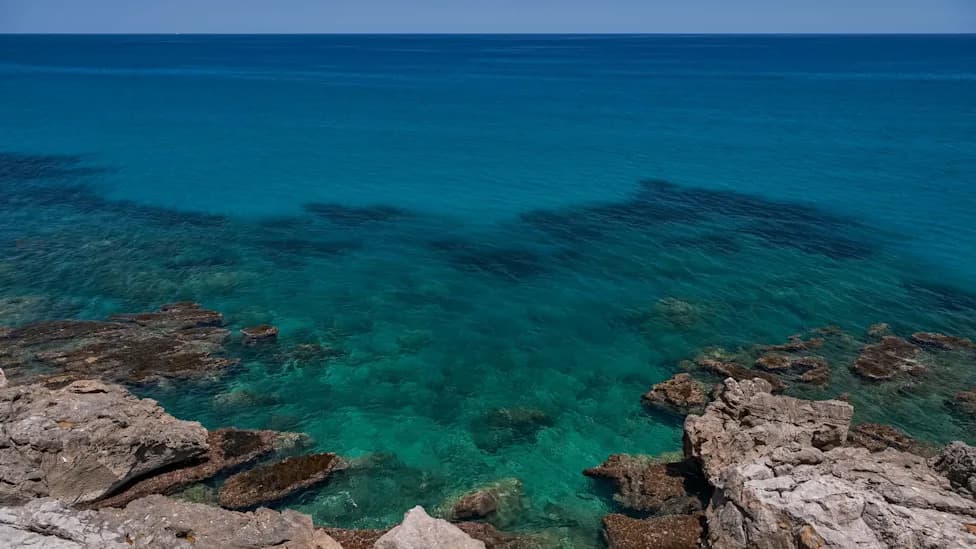
The animal was observed off San Clemente Island, roughly 55 miles from the Southern California coast. Warmer, El Niño-driven waters this season are bringing subtropical and tropical species closer to shore by boosting plankton concentrations.
What Scientists Note
Whale sharks are listed as Endangered on the IUCN Red List. Conservationists point to international demand for their meat, fins and oil as a major threat, and the species also suffers harm from bycatch — the accidental capture of non-target animals in commercial fishing gear.
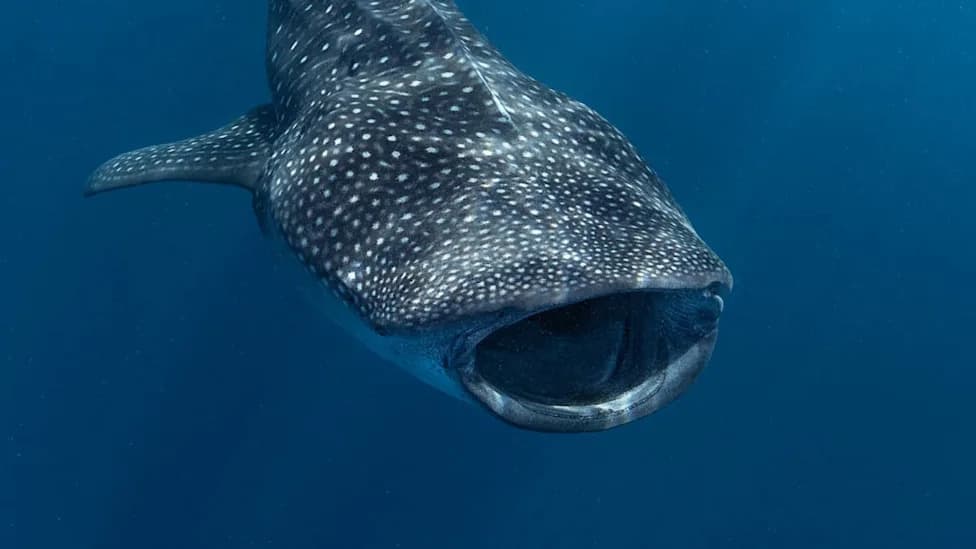
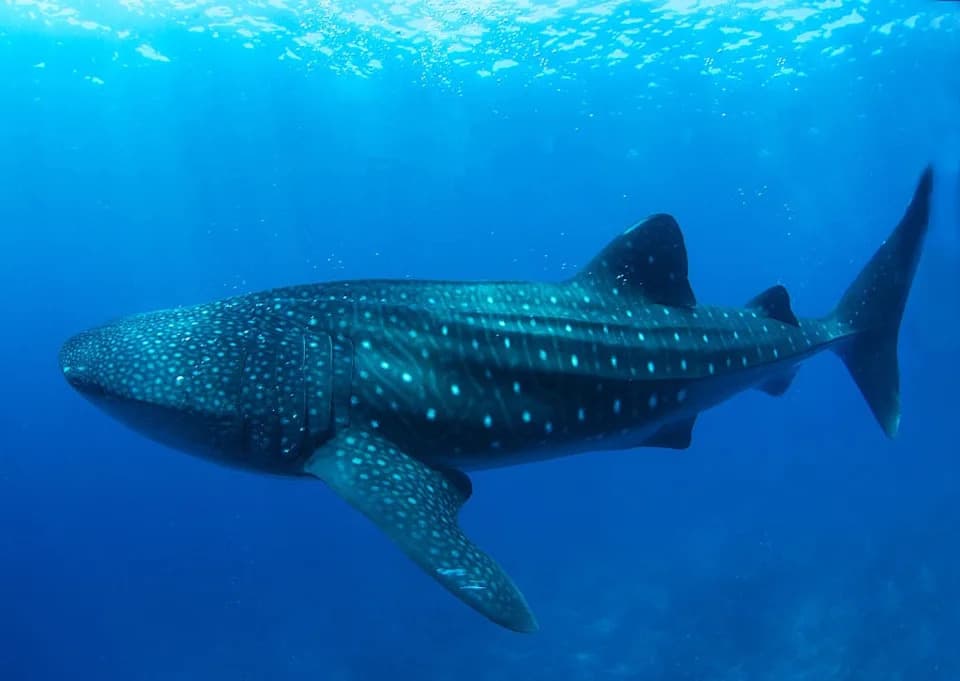
Observers on the charter estimated the individual at about 20 feet long, though whale sharks can grow to about 60 feet and are the largest living shark and the largest fish species. Whale sharks feed mainly on plankton and will travel long distances to find dense feeding grounds.
Wider Regional Sightings
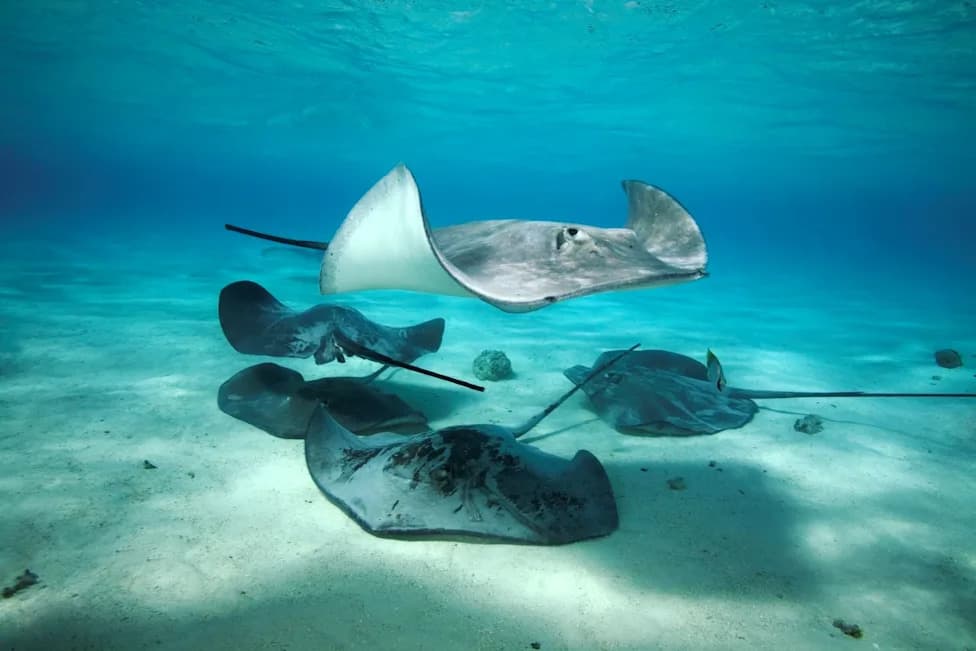
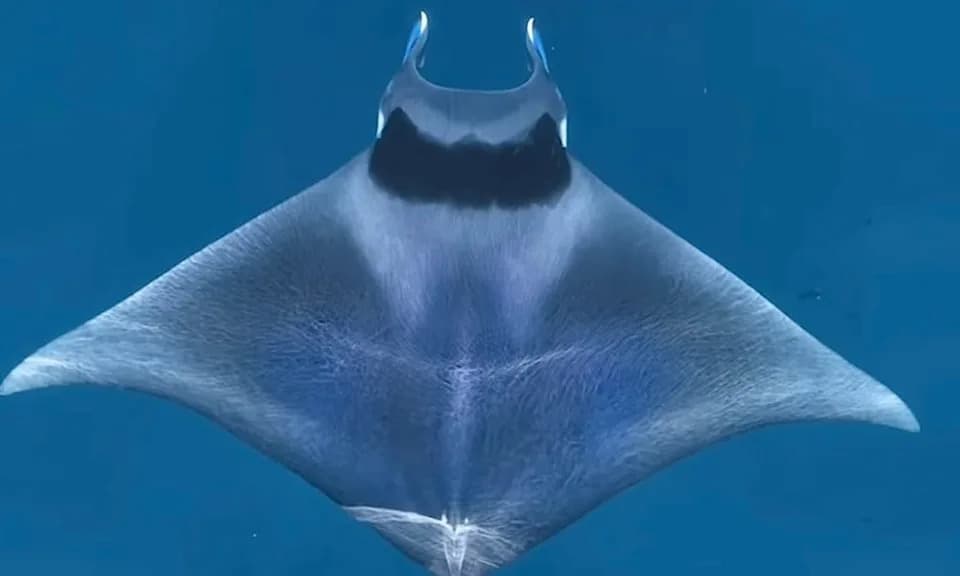
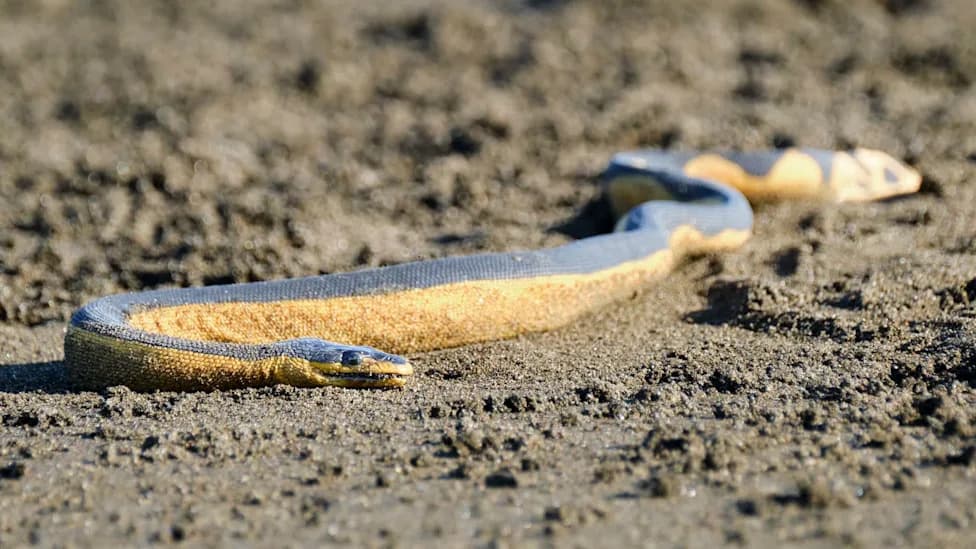
Southern California has recorded a number of unusual visitors this season, including rare spinetail devil rays, hammerhead sharks and killer whales (orcas). Many plankton-feeding animals, like whale sharks and spinetail devil rays, are being drawn northward where increased plankton blooms provide food.
Orca sightings in the region typically peak in late summer and fall when changing water temperatures and shifting prey bring marine mammals closer to shore.
Takeaway
The sighting by Bongos Sportfishing highlights how El Niño conditions can temporarily reshape local marine distributions. Observers are reminded to watch marine wildlife respectfully from a distance and to report significant sightings to local marine authorities or research groups to aid conservation efforts.