The Iran conflict has disrupted oil and LNG supplies and driven fuel prices up, renewing arguments that countries should bolster homegrown renewables for energy security. U.N. Secretary-General António Guterres calls renewables an "exit ramp" from volatile fossil-fuel markets, while skeptics note past crises prompted temporary returns to coal. Analysts say the war could spur more solar and heat pump installations, but military operations and wartime emissions will likely raise greenhouse gases.
Iran Conflict Exposes Fragile Global Energy System — Could It Speed A Shift To Renewables?
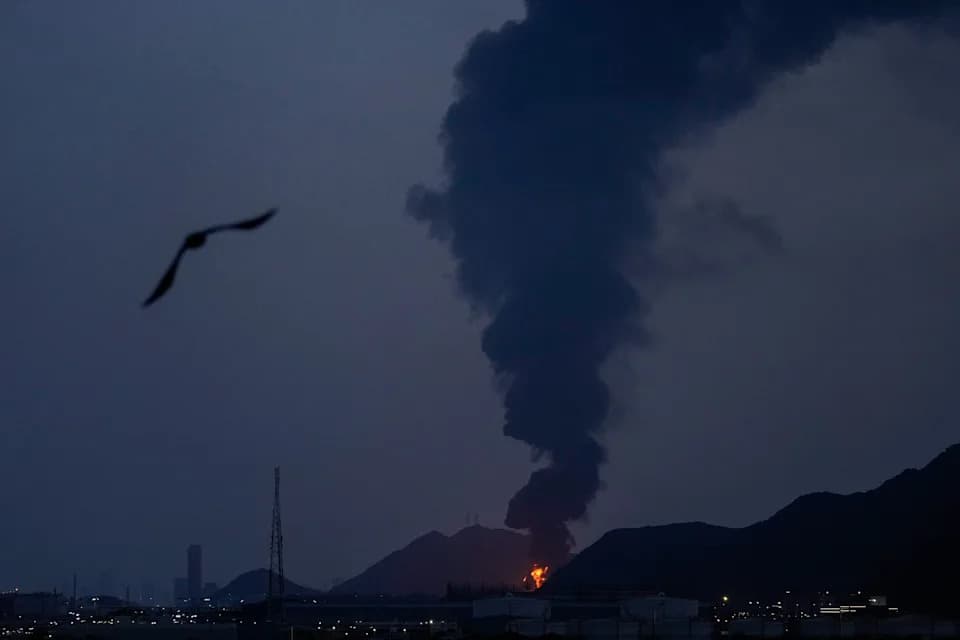
Large fire and plume of smoke is visible after, according to the authorities, debris of an Iranian intercepted drone hit the Fujairah oil facility, in Fujairah, United Arab Emirates, Tuesday, March 3, 2026. (AP Photo/Altaf Qadri)(ASSOCIATED PRESS)
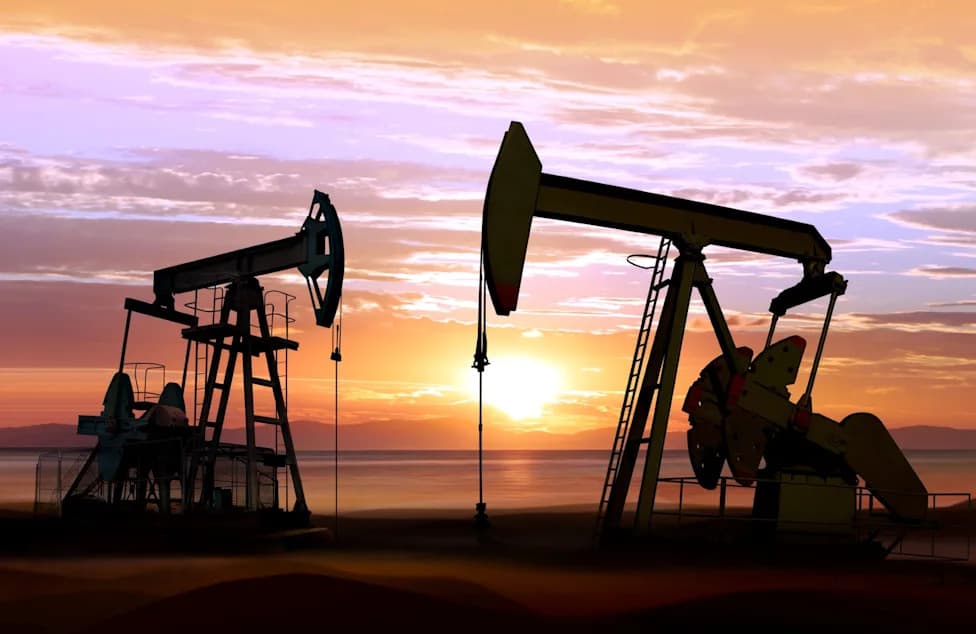
The war involving Iran has disrupted oil and liquefied natural gas (LNG) shipping, damaged refineries and pushed fuel prices higher — renewing debate over whether national self-interest can accelerate the transition to homegrown renewable energy.
Energy Disruptions and a Security Case for Renewables
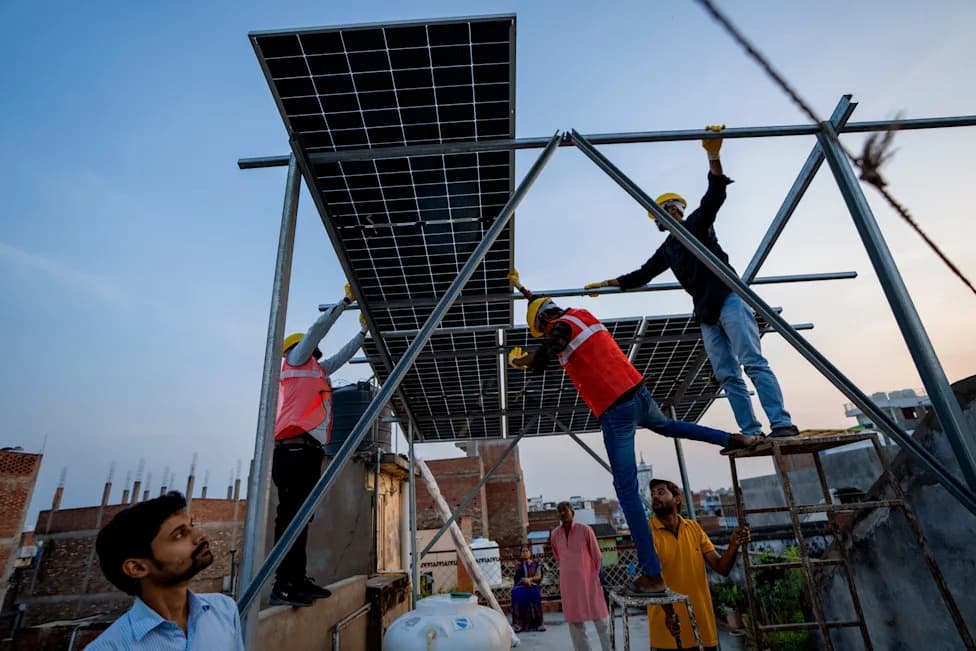
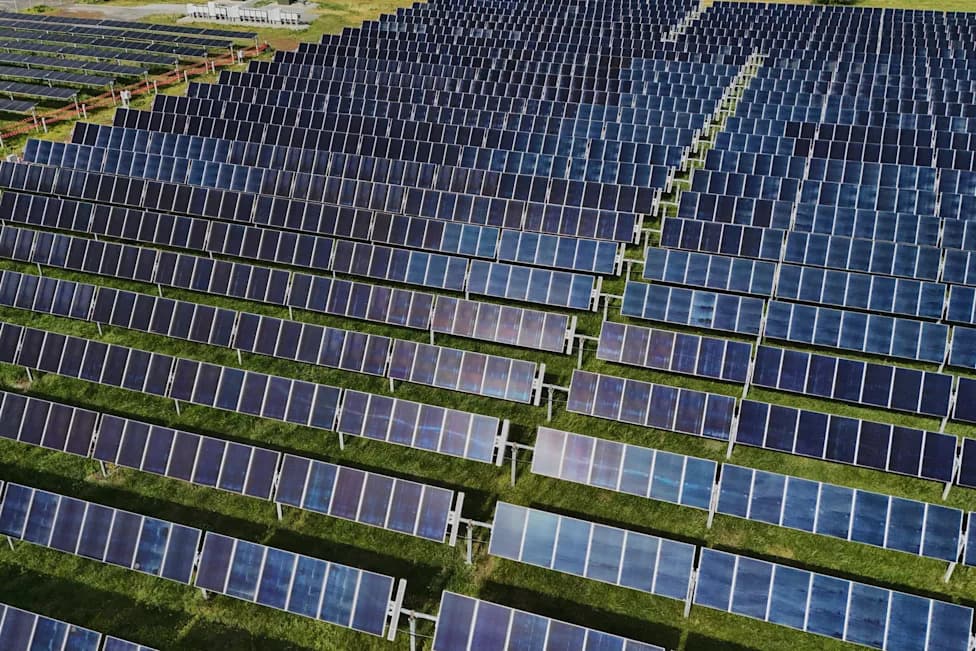
Bombed refineries, interrupted shipping routes and volatile fuel markets have highlighted how concentrated fossil-fuel supply chains can become leverage points during conflict. U.N. Secretary-General António Guterres argues these shocks expose an "exit ramp": domestic renewable energy that is cheaper, scalable and less vulnerable to blockade or weaponization.
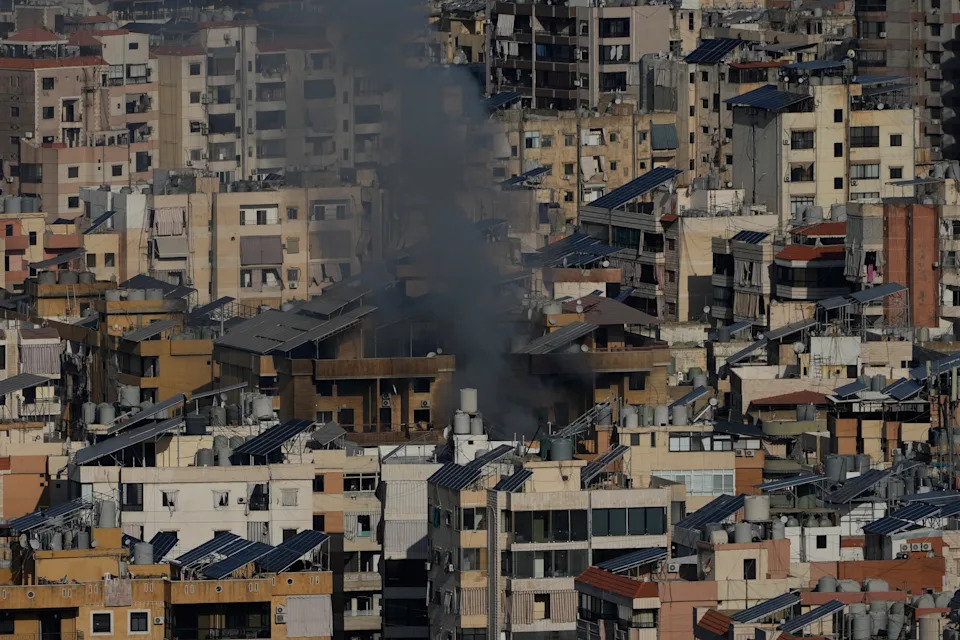
Smoke rises from an earlier Israeli airstrike in Dahiyeh, Beirut's southern suburbs, Lebanon, Friday, March 6, 2026. (AP Photo/Hussein Malla)(ASSOCIATED PRESS)
"Homegrown renewable energy has never been cheaper, more accessible, or more scalable. The resources of the clean energy era cannot be blockaded or weaponized," Guterres said in a message to The Associated Press.
Skepticism and Historical Lessons
Not everyone is convinced that crisis-driven insecurity will deliver a sustained green transition. Critics point to the response after Russia's invasion of Ukraine, when Europe faced severe gas shortages and some countries temporarily increased coal use to shore up supplies. Analysts warn crises often prompt short-term shifts to other fossil fuels rather than sustained renewables investment.
Where Policy And Markets Meet
Experts say the current conflict could nevertheless loosen domestic political opposition to renewables in some countries, leading to faster deployment of solar, wind, batteries and heat pumps. Energy analysts expect new installations to rise in the coming months in markets that prioritize energy security.
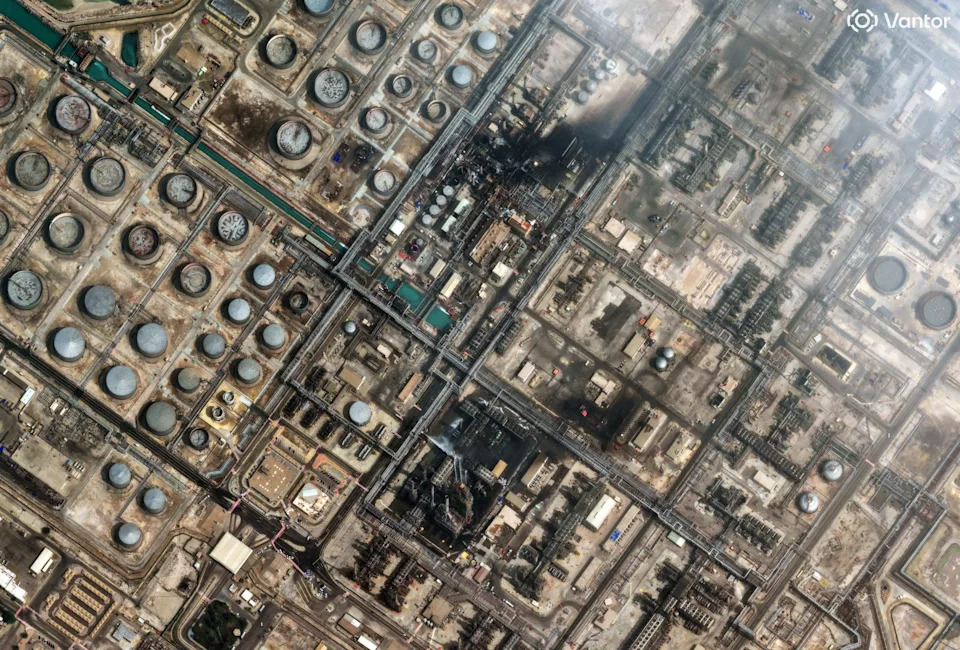
This satellite image provided by Vantor shows an overview of damage after a drone attack to Ras Tanura oil refinery, in Saudi Arabia, Monday, March 2, 2026. (Satellite image ©2026 Vantor via AP)(ASSOCIATED PRESS)
The Climate Cost Of War
At the same time, the conflict itself — and broader military activity — will increase greenhouse-gas emissions. Research estimates militaries globally account for roughly 5.5% of annual heat-trapping emissions, a figure larger than all but the top three emitting countries. Fighter jets, naval operations and logistics are major contributors.
What Could Change — And What Might Not
Ultimately, outcomes will vary by country. Energy importers that rely on tankers, such as Japan and South Korea, may accelerate domestic renewables to reduce exposure to disrupted shipping. Meanwhile, large emitters such as China and India could respond to short-term shortages by increasing coal or other fossil-fuel use unless policy incentives and finance push them in a different direction.
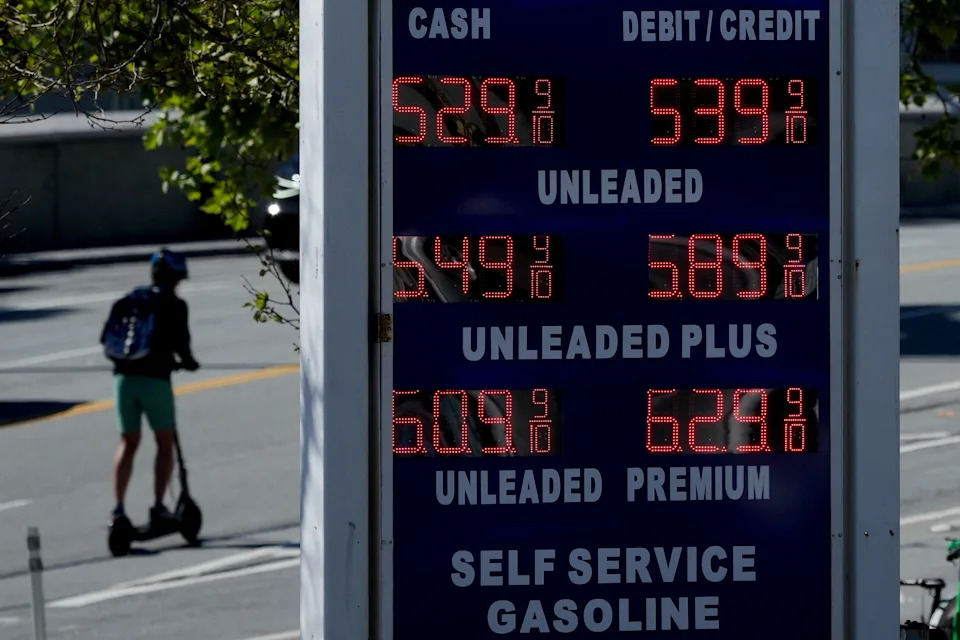
A person rides a scooter behind the gasoline price board of a gas station in San Francisco, Thursday, March 5, 2026. (AP Photo/Jeff Chiu)(ASSOCIATED PRESS)
Bottom line: The Iran conflict strengthens the strategic argument for resilient, homegrown clean energy, but historical experience shows geopolitical shocks can also reinforce short-term reliance on fossil fuels. Whether the current turmoil yields a lasting green pivot depends on policy choices, investment flows and political will.
Reporting contributed by The Associated Press. This piece synthesizes expert commentary and public statements on energy security and climate impacts.
Help us improve.