British Antarctic Survey analysis of seven years of satellite images shows emperor penguins in Marie Byrd Land are increasingly confined to shrinking patches of fast ice during their annual moult. In 2025 only 25 small moulting groups were visible versus more than 100 before 2022, raising concern many birds may have been forced into the ocean before regrowing waterproof feathers. That risk, together with record low sea ice and documented chick losses, contributes to an estimated 45% extinction risk for the species by 2100.
Shrinking Sea Ice Puts Emperor Penguins at Risk During Vulnerable Annual Moult
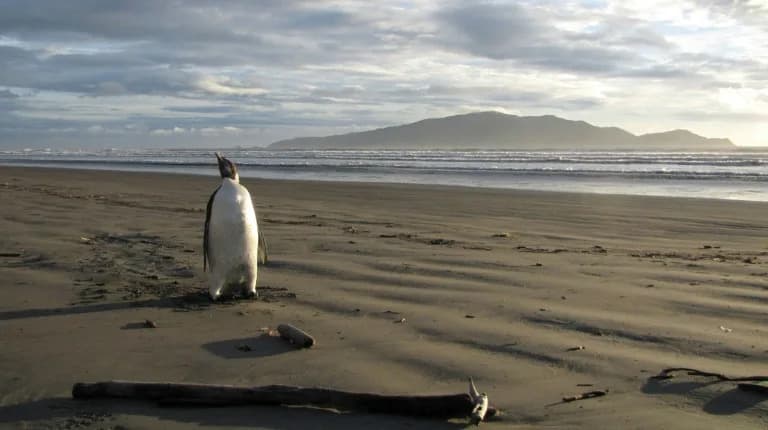
Emperor penguins are seeing their habitat cut back by climate change -- with potentially deadly consequences (Richard Gill)(Richard Gill/DEPARTMENT OF CONSERVATION/AFP)
Researchers warn that emperor penguins face growing danger during their annual moult as climate change reduces the sea ice they depend on. The flightless birds shed and regrow their entire waterproof plumage each summer and rely on stored fat for the four to five weeks they cannot enter the ocean.
What The Study Found
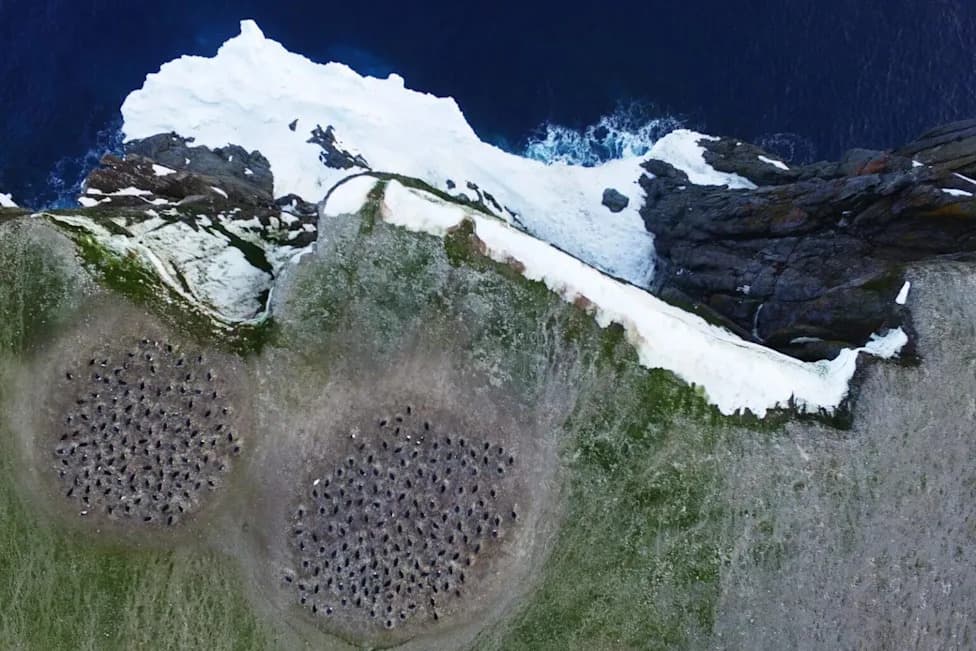
Scientists at the British Antarctic Survey, using seven years of satellite imagery, identified moulting colonies along the remote coastline of Marie Byrd Land. The images show a dramatic decline in visible moulting groups: just 25 small clusters in 2025 compared with more than 100 groups observed in the same region prior to 2022.
As coastal sea ice — and especially fast ice (sea ice attached to the coast) — diminished, penguins were forced into smaller, more crowded areas. In the observed region, average sea ice extent dropped from about 500,000 km² (a 50-year average) to 100,000 km² in 2023, while fast ice near the coast fell to roughly 2,000 km².
Why This Matters
The moulting period is a high-risk time: if birds are pushed into the ocean before their new feathers are fully grown, they can rapidly lose body heat, exhaust their energy reserves, and become more vulnerable to predators. The British Antarctic Survey cautions that some missing moulting groups may have relocated to new sites, but it is also possible that large numbers perished after entering frigid waters without waterproof plumage.
Peter Fretwell, lead author and mapping expert at the British Antarctic Survey, said: "While we don't know for sure what happened to those penguins, they can sometimes find new suitable sites after ice loss. But it's also possible that huge numbers perished after entering the Southern Ocean before they had replaced their waterproof feathers."
Previous research from the Survey found emperor penguin populations have declined by nearly 25% as warming reshapes Antarctic habitats. Their earlier work also documented complete chick losses at some colonies when ice broke up and youngsters were swept into the sea before they were capable of surviving.
Outlook
At current warming rates, the British Antarctic Survey estimates about a 45% chance of extinction for emperor penguins by 2100. The researchers emphasize that preserving fast-ice habitat and addressing global warming are critical to reducing this risk.
Help us improve.