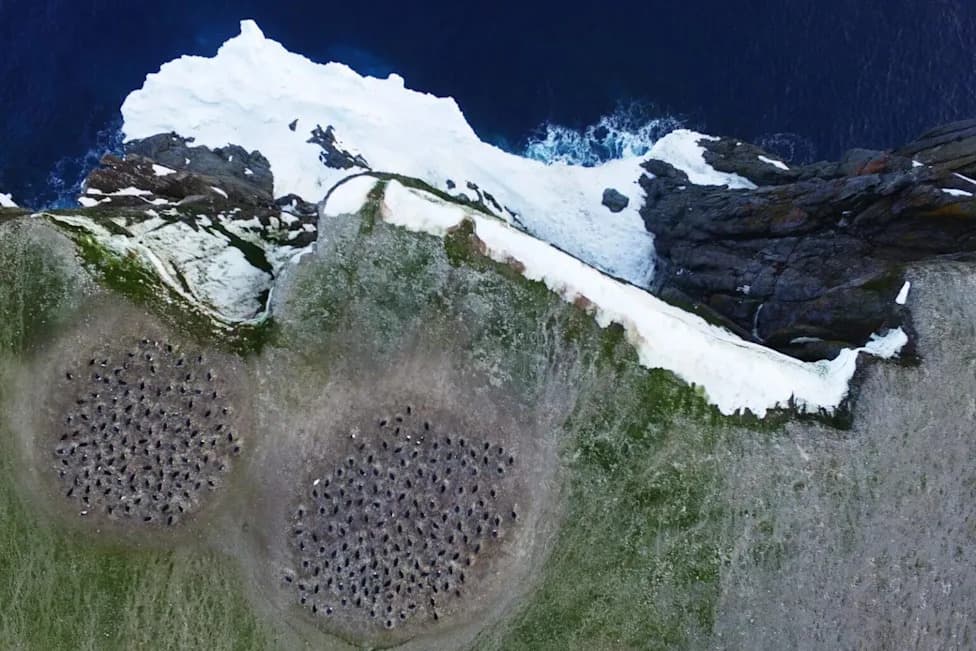
Researchers have described a previously unrecognized gentoo penguin population on the remote Kerguelen Islands, the first new penguin species identified in over 100 years. Genetic and field studies indicate gentoo penguins likely consist of four distinct species, raising new conservation concerns. Scientists warn that warming oceans and shifting prey threaten small, isolated colonies and call for coordinated international protection.
New Gentoo Penguin Species Identified on Remote Kerguelen Islands — First New Penguin in Over 100 Years
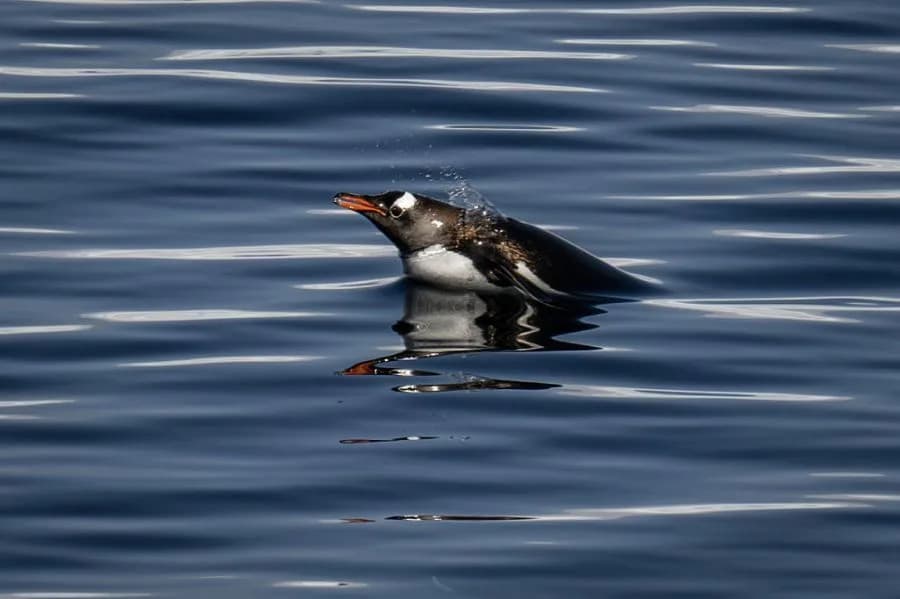
Scientists have identified a previously unrecognized gentoo penguin population on the remote Kerguelen Islands in the subantarctic Southern Indian Ocean, marking the first new penguin species described in more than a century.
The Kerguelen birds were long grouped with other gentoo colonies, but genetic analyses and targeted field studies published in a new paper show they are distinct. Researchers now argue that gentoo penguins likely represent four separate species rather than a single, widespread species.
"In Antarctica, of course, other species, not the gentoo, are threatened by climate change," said Juliana Vianna, a senior author of the study and a professor of ecosystems and environment at Andrés Bello National University in Santiago, Chile. "But the gentoo is of most concern in the sub-Antarctic region."
Scientists warn that splitting gentoos into multiple species highlights conservation risks: small, isolated populations like the Kerguelen group can be more vulnerable to warming oceans, shifting prey distributions and habitat changes. The authors urge conservation bodies and governments that share responsibility for subantarctic islands to recognize the distinct status of these penguin groups, update threat assessments and coordinate protective measures.
The discovery follows recent reports of other previously unknown species — such as a wild cat found in Bolivia’s cloud forests — underscoring that significant biodiversity can still be uncovered and that new findings often carry urgent conservation implications.
What This Means
Recognizing multiple gentoo species will change how populations are monitored and protected. Conservation organizations may need to reassess risk categories, prioritize monitoring of small colonies, and consider targeted actions to safeguard vulnerable groups as ocean conditions change.
Help us improve.