The U.S. Maritime Administration issued guidance advising U.S.-flagged commercial vessels transiting the Strait of Hormuz to stay as far from Iran’s territorial waters as navigational safety allows and to verbally refuse boarding requests. Crews are warned not to use force if Iranian personnel board a vessel. Iran said nuclear talks with the U.S., mediated by Oman, had started well and would continue, while Washington seeks to broaden talks to include missiles, regional influence and human rights. President Trump also signed an executive order imposing a 25% tariff on imports from countries that trade with Iran.
US Advises U.S.-Flagged Ships To Avoid Iran's Waters In Strait Of Hormuz; Crews Told Not To Resist Boarding
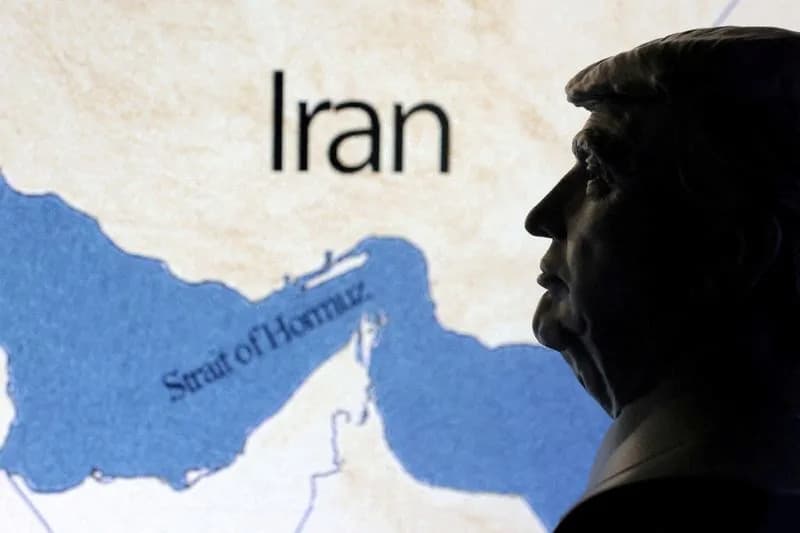
FILE PHOTO: A map showig the Strait of Hormuz and Iran is seen behind a 3D printed miniature of U.S. President Donald Trump in this illustration taken June 22, 2025. REUTERS/Dado Ruvic/Illustration/File Photo
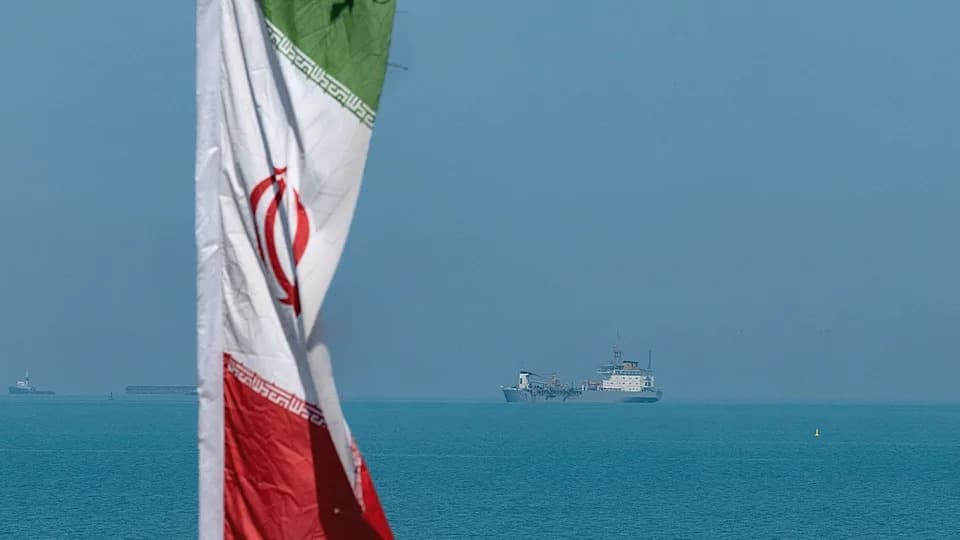
Feb 9 (Reuters) - The U.S. Department of Transportation’s Maritime Administration on Monday issued updated guidance for U.S.-flagged commercial vessels transiting the Strait of Hormuz, urging them to keep as far as practicable from Iran’s territorial waters as tensions between Washington and Tehran continue over Iran’s nuclear program.
What The Guidance Says
The advisory recommends that U.S.-flagged commercial vessels "remain as far as possible from Iran’s territorial sea without compromising navigational safety." It also instructs crews to verbally refuse permission should Iranian forces seek to board and to avoid using force if a boarding occurs.
"If Iranian forces board a U.S.-flagged commercial vessel, the crew should not forcibly resist the boarding party," the advisory says.
Background And Context
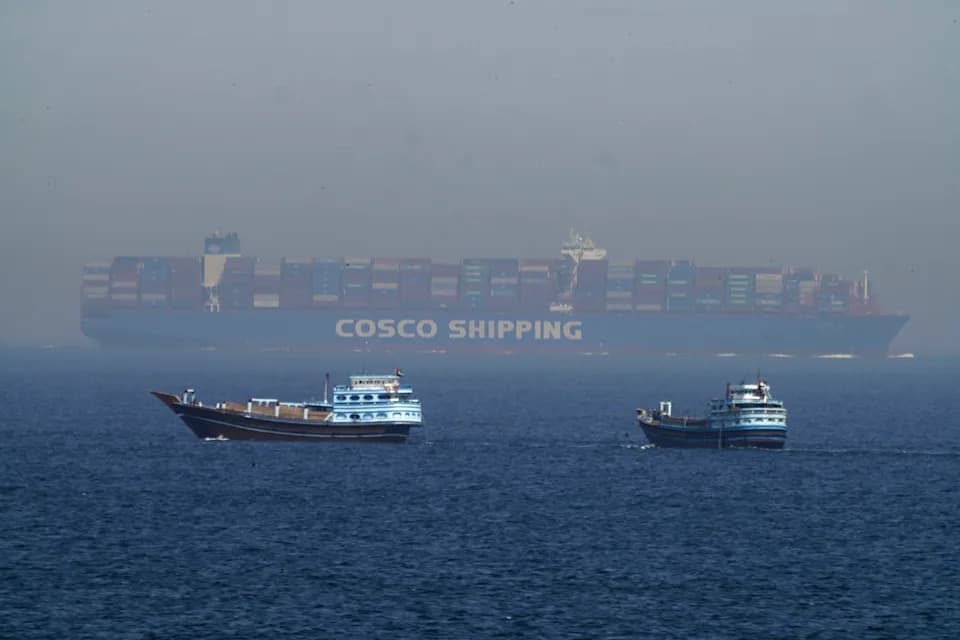
The Strait of Hormuz is a vital shipping lane for Middle East oil. Iran has in the past threatened to close the strait and has occasionally detained commercial ships and oil tankers in the area, alleging smuggling. The advisory is intended to reduce risks to U.S.-flagged vessels and their crews while preserving navigational safety.
Diplomacy And Wider Tensions
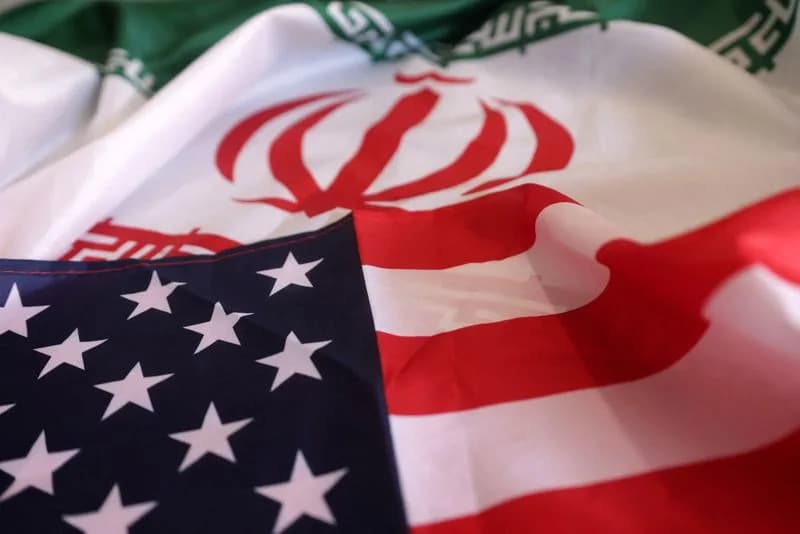
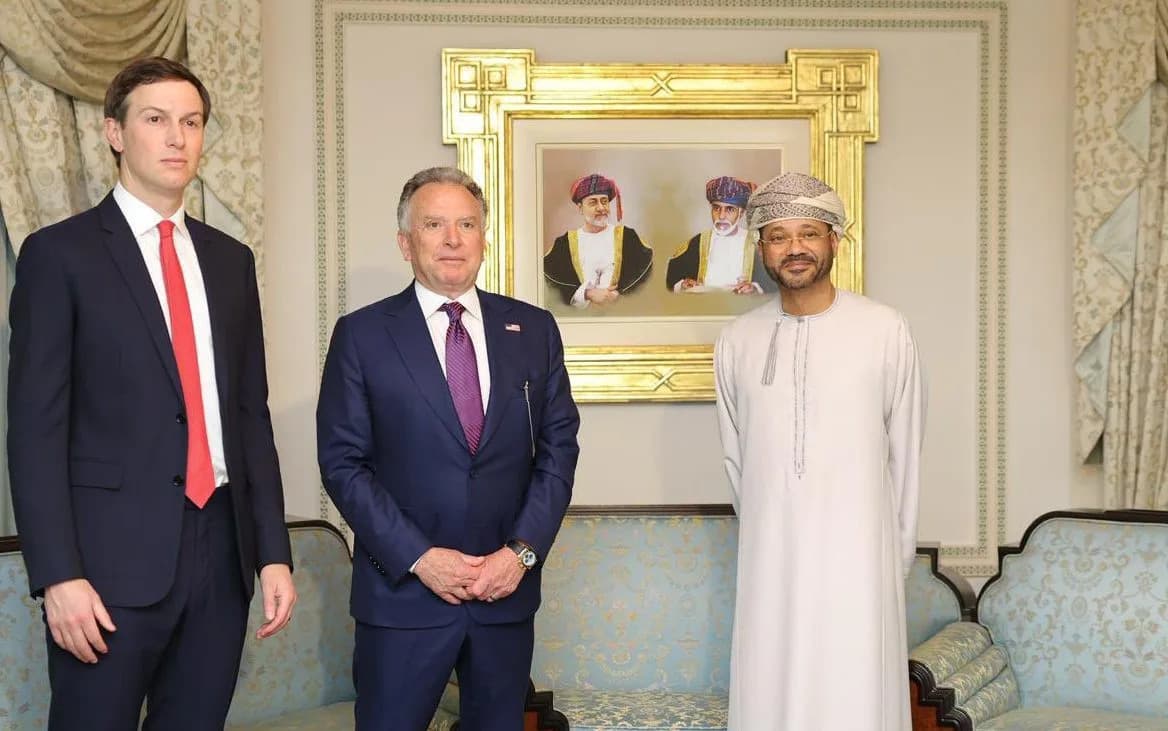
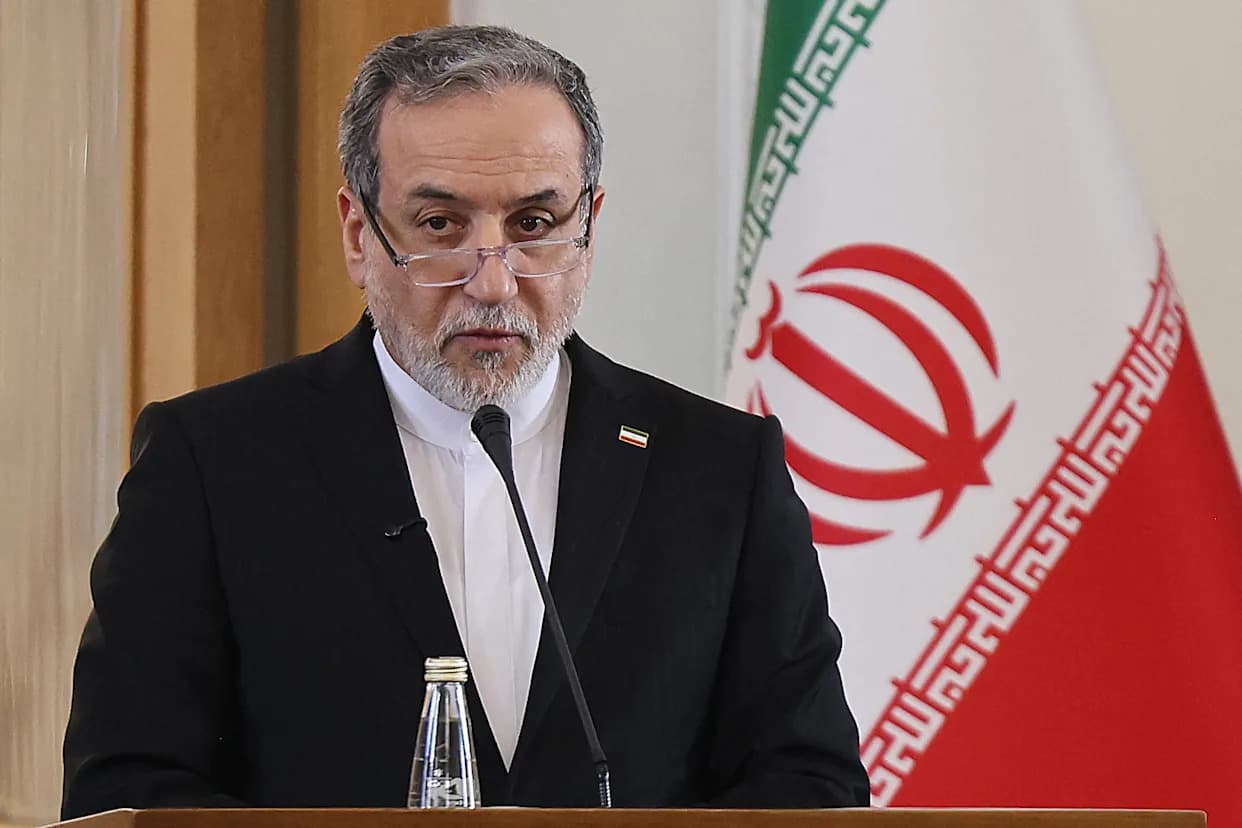
Separately, Iran’s top diplomat said nuclear talks with the United States, mediated by Oman, had begun well and were set to continue — a development that could ease fears that stalled negotiations might escalate regional tensions. Washington has indicated it wants discussions to cover not only the nuclear issue but also Iran’s ballistic missile program, support for armed groups in the region, and human rights.
President Donald Trump also stepped up pressure on Iran by issuing an executive order imposing a 25% tariff on imports from any country that "directly or indirectly" buys goods from Iran, following through on a threat issued last month.
Possible Implications
The advisory is likely to prompt U.S.-flagged operators to alter routing and operational procedures in the Gulf, potentially increasing transit times and costs. It also underscores the fragile balance between deterrence and diplomacy as the U.S. pursues both negotiation and pressure in parallel.
(Reporting by Richard Valdmanis; Editing by Nick Zieminski)
Help us improve.