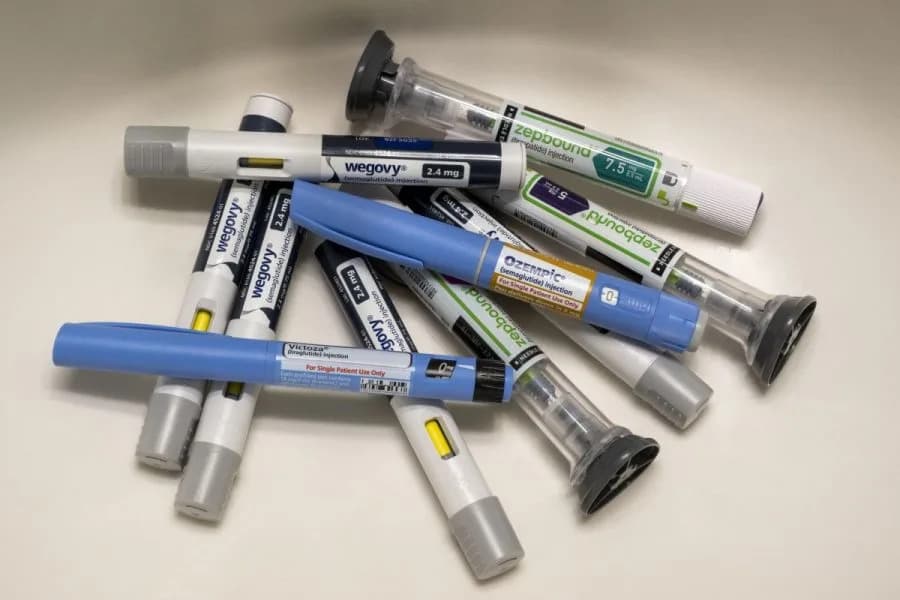
Researchers at the University of Melbourne report that producing peptide drugs such as semaglutide (found in Ozempic) generates massive volumes of hazardous solvent and plastic waste — over 123 million pounds a year for semaglutide alone. The common manufacturing method, solid phase peptide synthesis (SPPS), relies on polystyrene resins and toxic organic solvents. The team demonstrates a promising water-based synthesis that solubilizes amino acids with salts and uses an activating agent plus a biodegradable carrier to assemble peptides in water. Scaling the process to industrial production remains the next key challenge.
Researchers Warn GLP-1 Weight-Loss Drugs Create Large Environmental Burden — New Water-Based Process Could Help
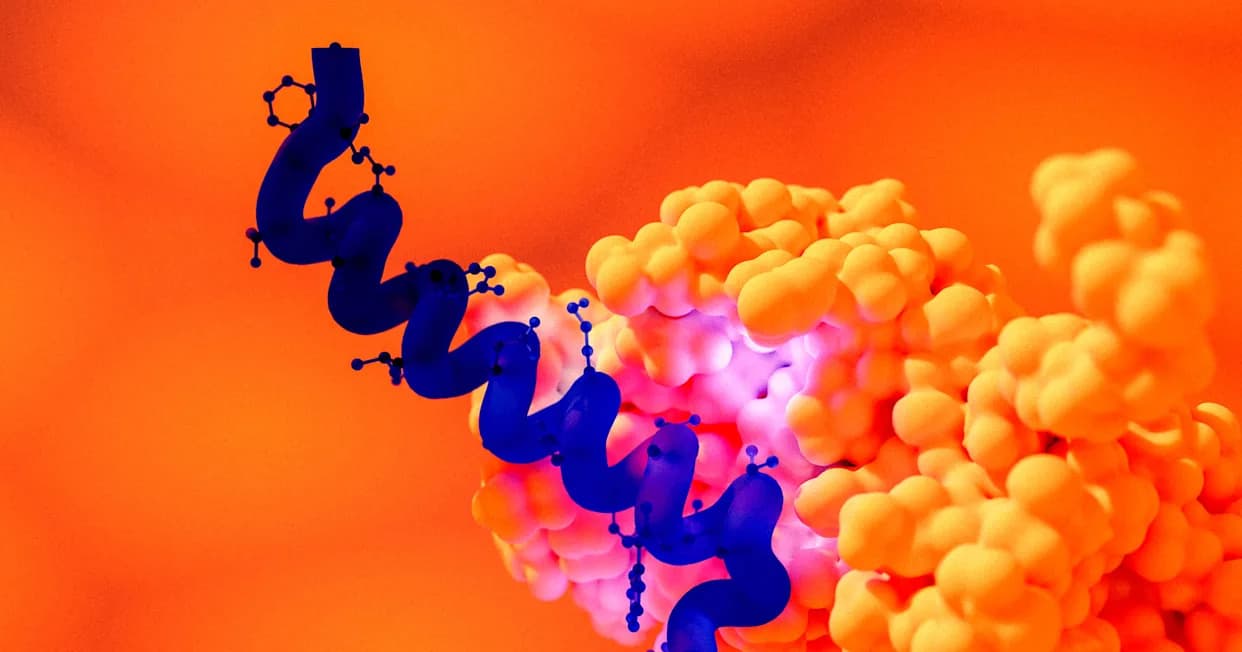
The production of GLP-1-based weight loss drugs releases huge amounts of organic solvents and other plastic byproducts that don't break down.
Drugs such as Ozempic and other GLP-1 agonists have become widely used for weight loss, and the arrival of cheaper generics could further expand their use. While these medicines deliver proven clinical benefits, a new study warns that their manufacture imposes a substantial environmental cost.
How Current Manufacturing Pollutes
A team at the University of Melbourne, publishing in Nature Sustainability, examined how peptide drugs are made and found that traditional production methods generate large volumes of hazardous solvent and plastic waste. Most peptides today are produced using solid phase peptide synthesis (SPPS), which anchors the first amino-acid building block to a synthetic resin (often polystyrene beads) and then adds subsequent amino acids one at a time using organic solvents.
These solvents include hazardous chemicals such as dimethylformamide (DMF), and the process creates polymeric resins and other byproducts that do not readily biodegrade. According to lead author and University of Melbourne chemistry professor John Wade, the annual production of semaglutide — the active molecule in many popular GLP-1 drugs — currently generates more than 123 million pounds of toxic solvent waste. That figure applies to semaglutide alone; more than 80 peptide-based drugs on the market rely on similar manufacturing approaches.
“Why are we still making life‑saving medicines using chemical processes that produce mountains of toxic waste, and could water — the cleanest and most familiar solvent of all — offer a way out?” — John Wade
A Greener Alternative: Peptide Synthesis in Water
To address this environmental challenge, Wade and collaborators developed a promising water-based peptide synthesis method. By pairing amino acids with specific salts, they were able to dissolve the building blocks at high concentrations in water while preserving the chemical activity needed for peptide assembly. Combined with an activating agent and a biodegradable carrier material, the method could enable efficient peptide synthesis entirely in water rather than hazardous organic solvents.
So far the technique has been demonstrated at laboratory scale. The researchers acknowledge that industrial-scale adoption will require further development and validation, but they argue that the rapid growth of GLP-1 agonists makes it urgent to explore sustainable manufacturing pathways.
Why This Matters
Switching from solvent-heavy SPPS to water-based processes could dramatically reduce hazardous waste, lower disposal and regulatory burdens, and shrink the environmental footprint of an expanding class of medicines. If scalable, the approach could reshape how many peptide drugs are manufactured — making them cleaner and more sustainable without undermining clinical benefits.
Bottom line: The environmental cost of current peptide manufacturing is large and growing with the popularity of GLP-1 drugs. A water-based synthesis offers a credible, greener alternative, but industrial feasibility remains to be proven.
Help us improve.