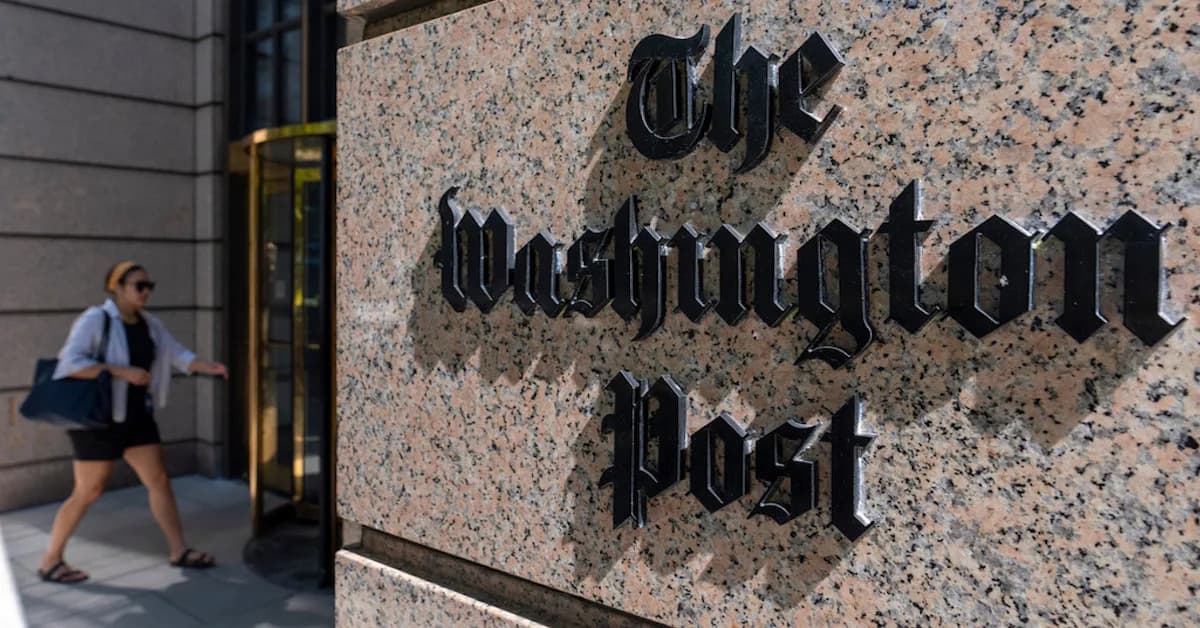
The Washington Post announced sweeping newsroom cuts under owner Jeff Bezos that eliminated roughly one-third of staff and entire desks including sports, books and audio. Foreign bureaus in Jerusalem, Cairo and Istanbul were closed and a Ukraine correspondent was dismissed while reporting in a war zone. Executive editor Matt Murray said the paper will narrow its focus to select beats, a strategy the author argues risks eroding investigative and local reporting and diminishing the role of the Post in American journalism.
After 28 Years at The Washington Post, Bezos’ Cuts Have Fundamentally Changed the Paper
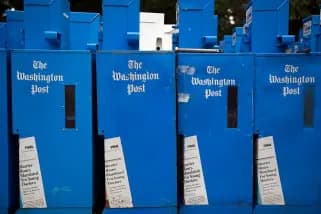
I worked at The Washington Post for 28 years. Bezos’ cuts just ended the paper as we knew it.
I spent 28 years at The Washington Post, including nearly a decade as the paper’s diplomatic correspondent, a beat that depends on strong foreign bureaus and local reporting. The Post’s combination of resources, ambition and a distinct voice made it a national institution — until a sweeping set of cuts announced this week.
What Happened
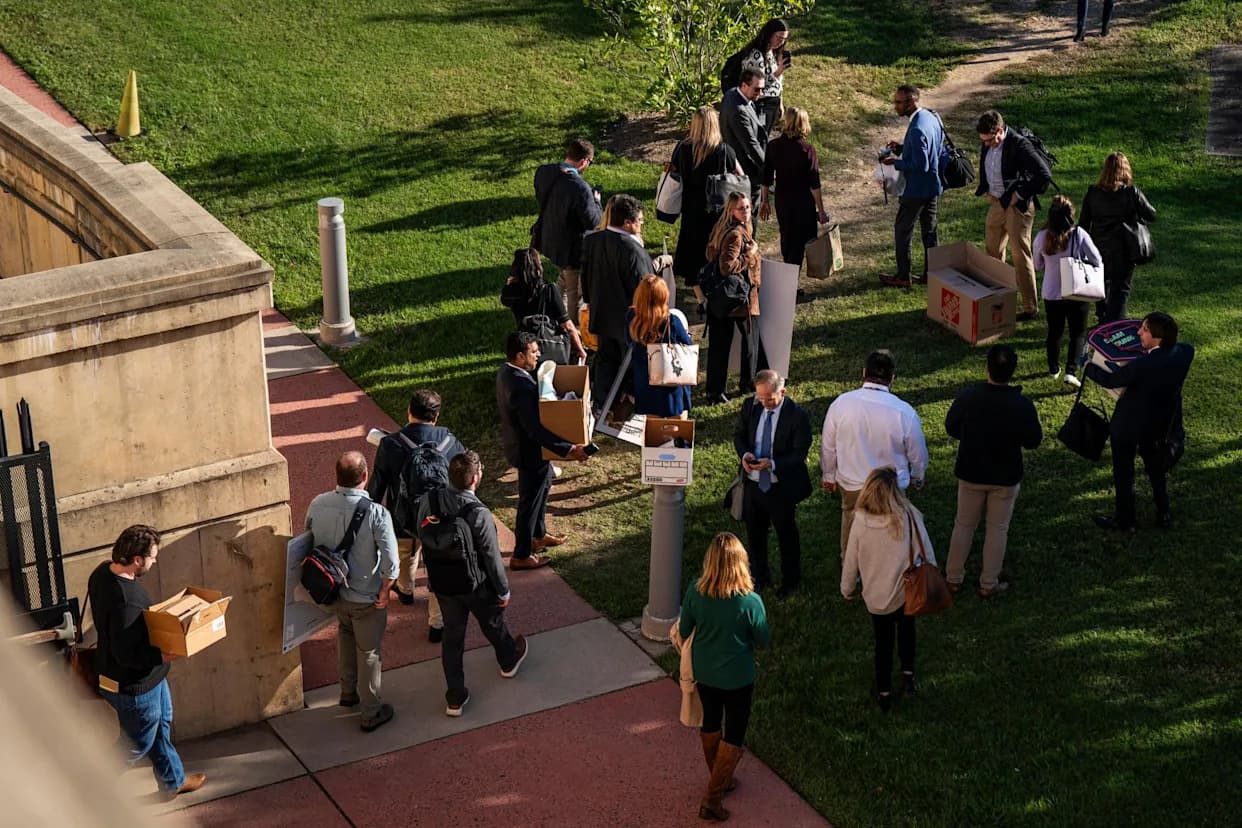
Under direction from owner Jeff Bezos, roughly one-third of the newsroom was laid off. Entire desks — including sports, books and audio — were eliminated. The metro desk, already reduced in 2024, was cut further. Foreign coverage was pared back dramatically: every correspondent based in the Middle East (Jerusalem, Cairo and Istanbul) was let go, and the Post’s Ukraine correspondent was dismissed while reporting in a war zone.
Leadership’s Rationale
Executive editor Matt Murray: "For the immediate future, we will concentrate on areas that demonstrate authority, distinctiveness, and impact and that resonate with readers: politics, national affairs, people, power and trends; national security in DC and abroad" and "forces shaping the future."
That formulation signals a narrower product — closer to a boutique political-news operation — and a move away from broad local and international reporting that historically distinguished the paper.
Context And Consequences
The Washington Post once competed head-to-head with The New York Times on national security and political coverage, and it produced groundbreaking investigations (notably during the Watergate era). The Post also cultivated a collaborative newsroom culture and a reputation as a writer’s paper. Recent leadership changes — with executives who largely came from The Wall Street Journal — and decisions by Bezos have altered that course.
Recent controversies exacerbated subscriber losses: the cancellation of a planned endorsement 11 days before the 2024 election reportedly led to more than 250,000 subscriber cancellations, and an announced reorientation of opinion pages toward "personal liberties and free markets" signaled a rightward turn to some readers. The Post’s digital subscriber base is estimated at about two million, compared with roughly 12 million at the Times.
Why This Matters
Local and foreign correspondents do more than file stories: they cultivate sources, surface tips and explain why events matter. Reducing those resources makes it harder to break and sustain investigative projects. The loss of bureaus and reporters means fewer reporters able to do shoe-leather reporting, cultivate whistleblowers, and produce the kind of explanatory journalism that holds power to account.
History And Legacy
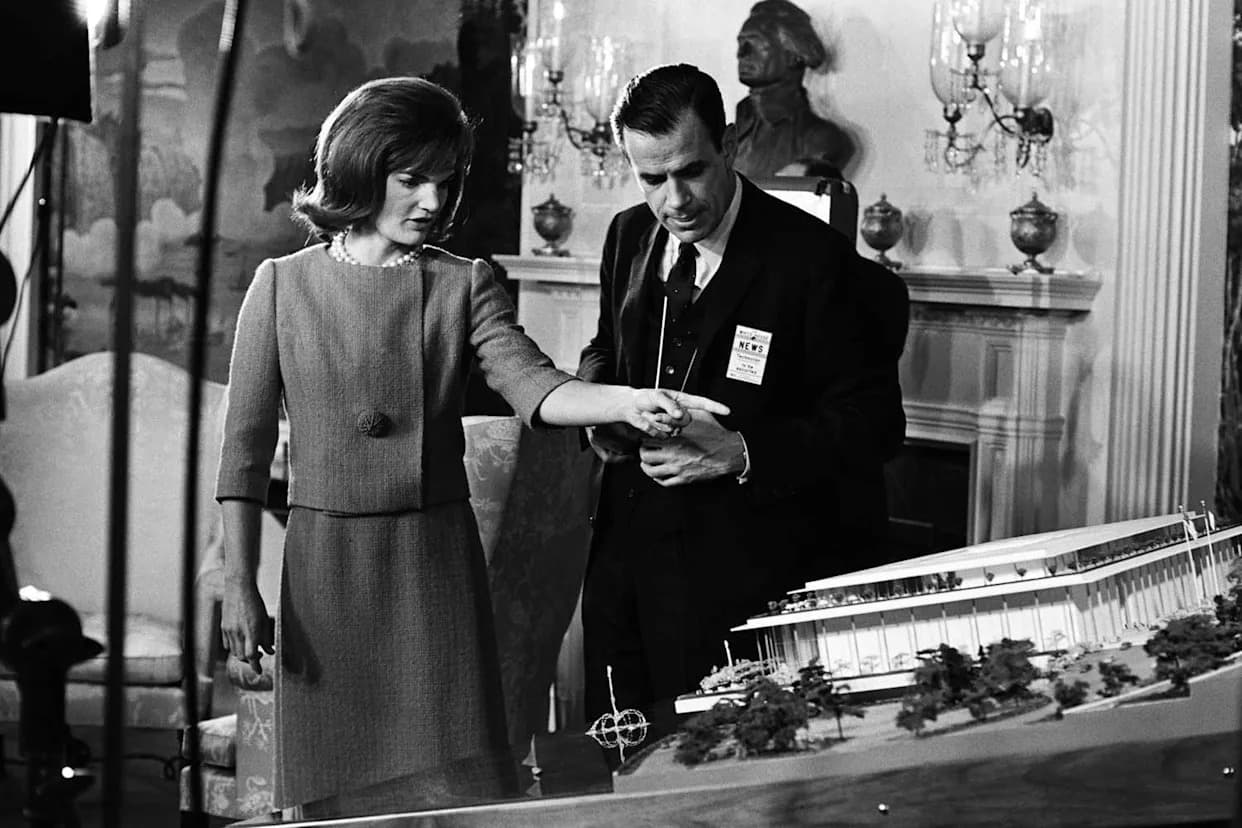
The Post pioneered many innovations in modern journalism: transforming the Women’s Pages into the Style section in 1969, building a celebrated investigative record, and launching The Fact Checker — a project I led for 15 years — which helped seed a global fact-checking movement. Veterans like Marty Weil, a six-decade newsroom presence tied to the paper’s Watergate lineage, were among those dismissed, underscoring how sweeping the changes were.
Looking Ahead
News organizations must adapt as audiences and platforms evolve. But trimming core reporting capacity risks turning a broad, civic-minded newsroom into a narrower product readers can find elsewhere. With fewer reporters on the ground and reduced local reach, many revelatory investigations and explanatory stories are less likely to be produced — a loss not only for the Post’s readers but for American journalism and democratic accountability.
Author’s Note: These changes mark a decisive break from the Post I knew for nearly three decades. They deserve careful scrutiny from readers, journalists and civic leaders who care about a robust press.
Help us improve.