The EPA has reauthorized dicamba for use on certain GMO soybean and cotton varieties while adding limits aimed at reducing off-target movement, including application rate caps, hot-day restrictions and buffer zones. Farmers and the American Soybean Association support the decision as necessary to combat herbicide-resistant weeds. Environmental groups and some scientists argue the safeguards are inadequate, citing past incidents of drift that damaged crops and vegetation and studies linking dicamba exposure to higher risks of some cancers. The debate is likely to continue as regulators monitor compliance and new research emerges.
EPA Reapproves Controversial Herbicide Dicamba For Use On Some GMO Soybean And Cotton — New Limits Draw Criticism
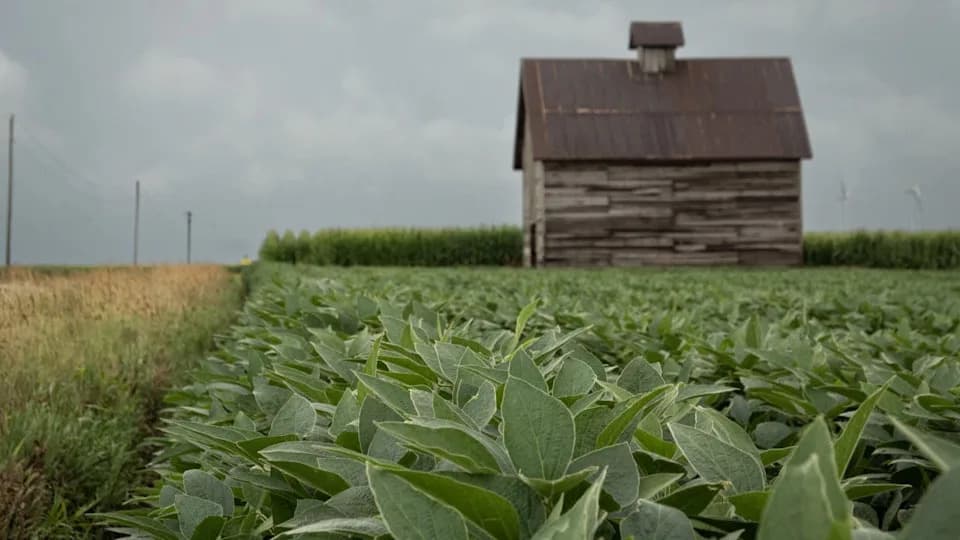
FILE: A weathered corn crib sits at the edge of a soybean field on July 25, 2025 near Lexington, Illinois. (Photo by Scott Olson/Getty Images)
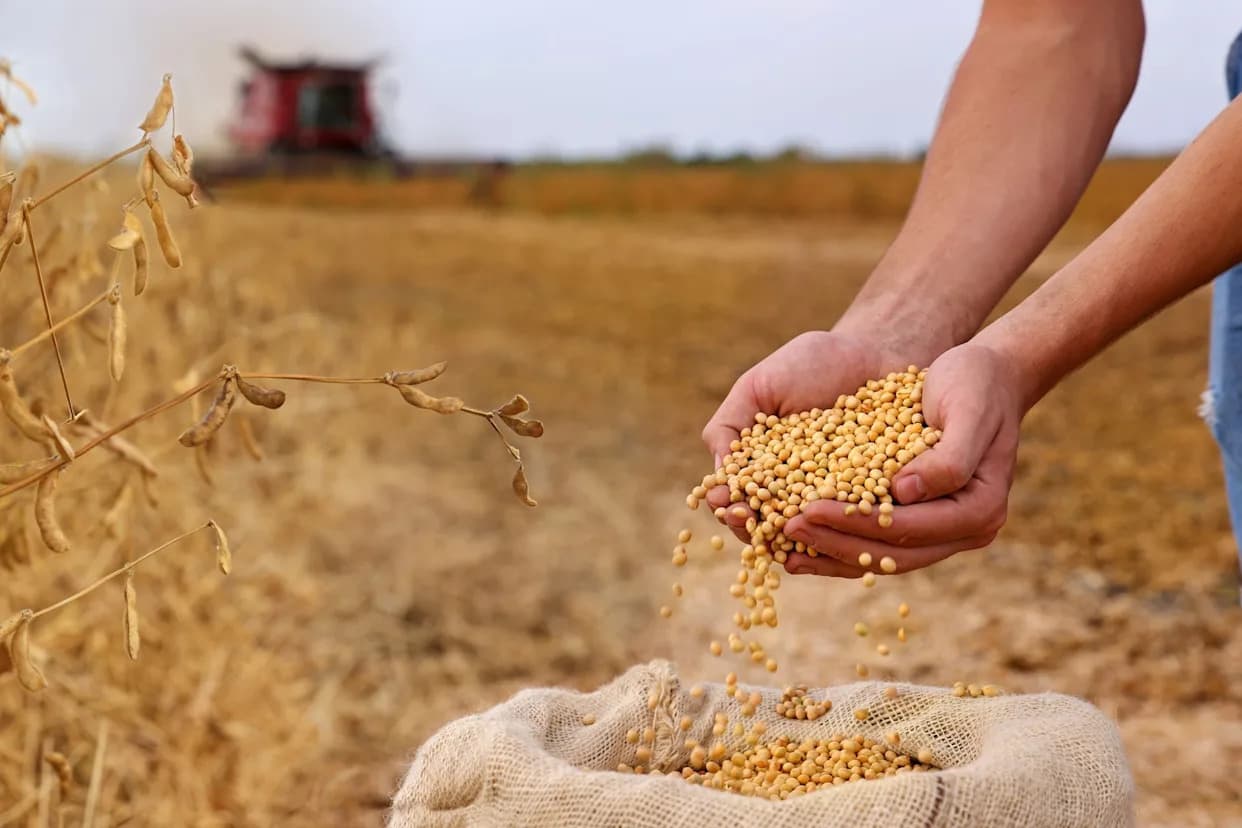
The Environmental Protection Agency has reauthorized the herbicide dicamba for use on certain genetically modified soybean and cotton varieties, a decision applauded by many farmers and the American Soybean Association but sharply criticized by environmental groups and some scientists.
The Backstory
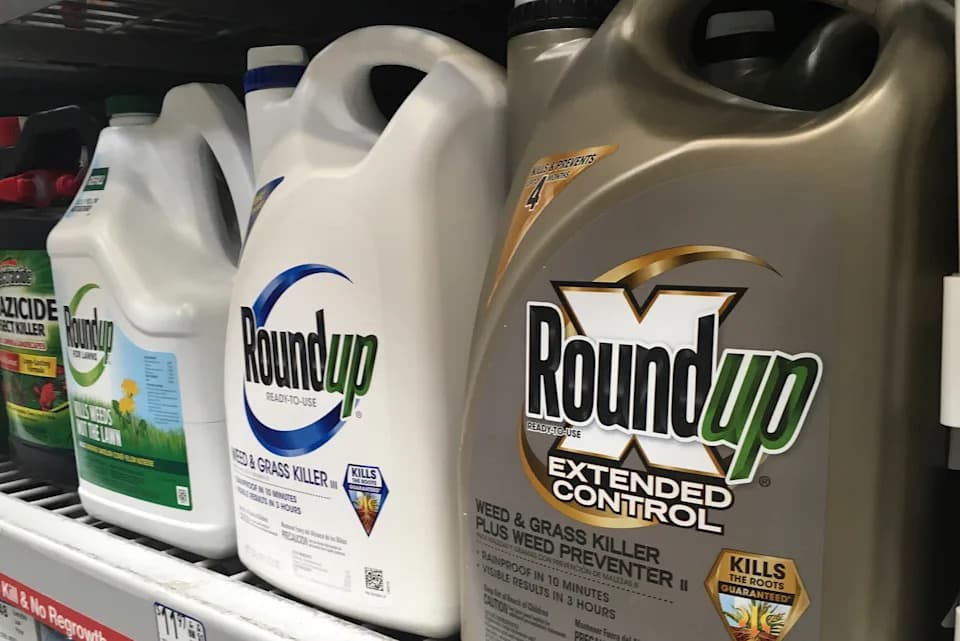
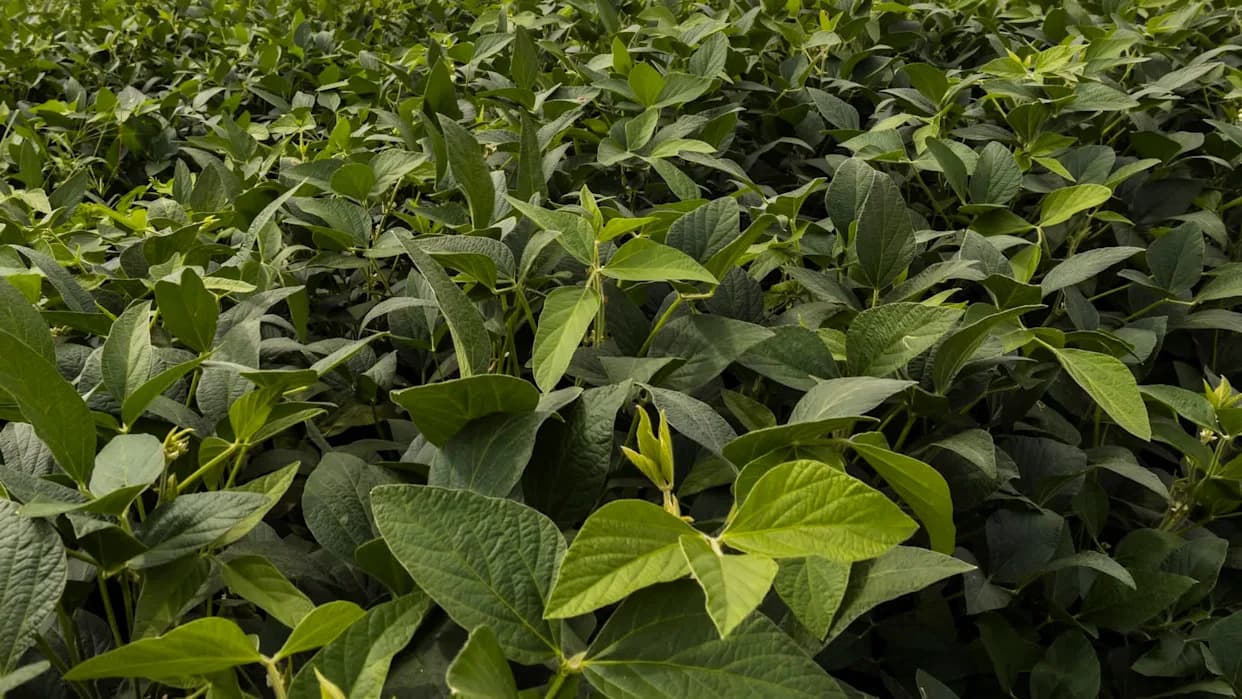
Dicamba is an herbicide formulated to control broadleaf weeds and can be sprayed over crops engineered to tolerate it. Although the chemical has been available for decades, its use increased after the introduction of dicamba-tolerant genetically modified (GMO) seeds. Farmers and crop advisers say dicamba remains a valuable tool to control herbicide-resistant weeds that threaten yields.
Concerns About Drift And Volatility
Opponents point to repeated incidents in recent years in which dicamba moved off target — through drift or volatility — and damaged neighboring fields, orchards, gardens and native vegetation. Those incidents have led to complaints, legal challenges and calls for tighter restrictions.
Health And Environmental Research
Scientists continue to study potential human-health and ecological effects. A 2020 study published in the International Journal of Epidemiology reported associations between dicamba exposure and higher risks for certain cancers, including liver cancer and a type of leukemia; the study showed correlations but did not prove causation. Regulators and independent researchers say more study is needed to clarify long-term health impacts.
What The EPA Says
"If not carefully mitigated, off-target movement of dicamba can damage sensitive plants and impact neighboring farms and natural ecosystems," the EPA said, adding that the agency has imposed what it called the strongest safeguards yet.
The agency said the reapproval includes limits on application rates per acre, restrictions on use during high temperatures, mandatory buffer zones to reduce harm to adjacent fields and other measures intended to lower the risk of off-target movement.
Support From Farmers
Farm groups, including the American Soybean Association, welcomed the decision, arguing dicamba is essential to protect crops from aggressive, herbicide-resistant weeds and to preserve yields for commodity markets and farm livelihoods.
Critics Say Safeguards Aren't Enough
"When push comes to shove, this administration is willing to bend over backward to appease the pesticide industry, regardless of the consequences to public health or the environment," said Nathan Donley, environmental health science director at the Center for Biological Diversity.
Environmental advocates argue that buffers and seasonal limits have not prevented significant damage in past seasons, and they say the new rules still allow too many days of use and insufficient protections for sensitive crops and natural areas.
What To Watch Next
Stakeholders will be watching enforcement, compliance, and ongoing research. Farmers, neighbors, and regulators will likely continue disputes over application practices, incident reporting and liability as new seasons progress.
Source
This report includes material from The Associated Press.
Help us improve.