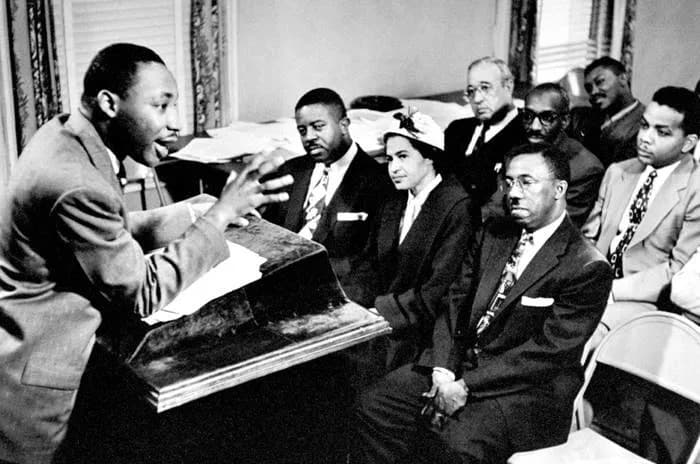
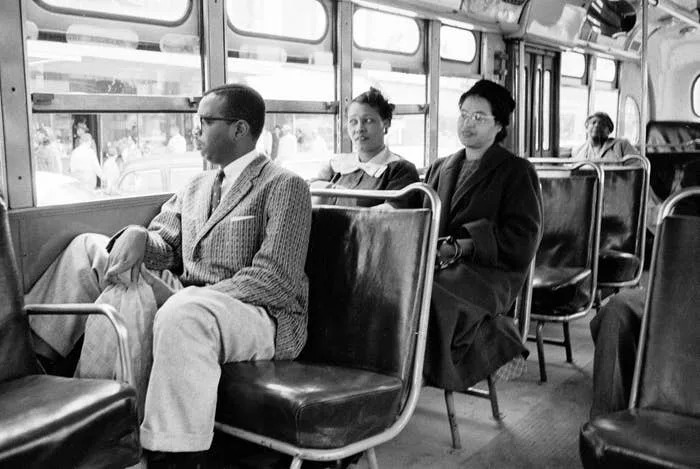
These 17 photographs document defining moments of the U.S. Civil Rights Movement, from school integration to mass protests for voting rights and economic justice. Highlights include the Little Rock Nine's integration fight, the Freedom Riders' interstate challenges to segregation, the 1963 March on Washington, the Selma to Montgomery voting-rights marches, and the 1968 Poor People’s Campaign. Together they illustrate the movement's sacrifices and achievements.
17 Powerful Photographs That Define the U.S. Civil Rights Movement
Don Cravens / Getty Images
These 17 photographs capture pivotal moments of the American Civil Rights Movement, showing both the courage of activists and the fierce resistance they confronted. Together they tell a story of protest, sacrifice, and progress that reshaped the nation.
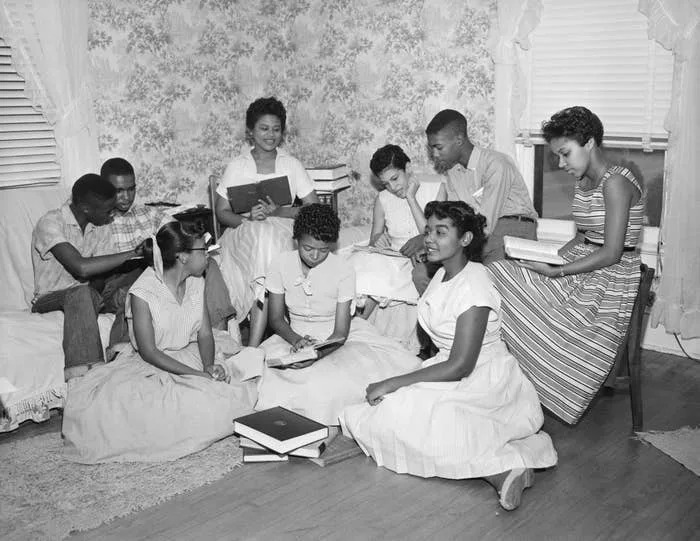
Little Rock Nine (1957)
The Little Rock Nine were nine African American students who integrated Little Rock Central High School in Arkansas in 1957. Although the local school board had pledged to follow the Supreme Court's 1954 Brown v. Board of Education decision, Arkansas Governor Orval Faubus ordered the state National Guard to block the students' entry. In response to escalating violence and obstruction, President Dwight D. Eisenhower federalized the National Guard and sent soldiers from the 101st Airborne Division to enforce integration and protect the students.
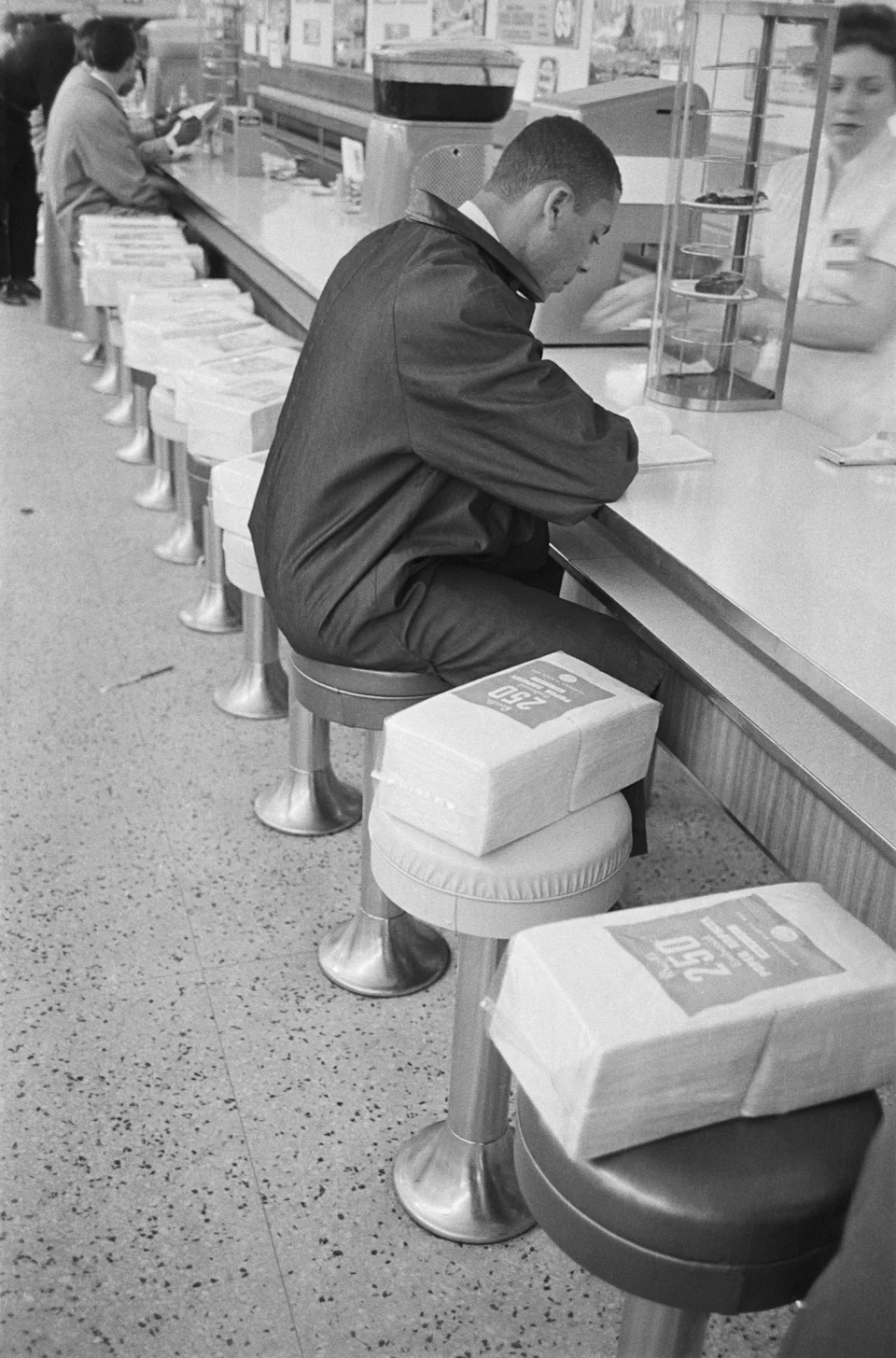
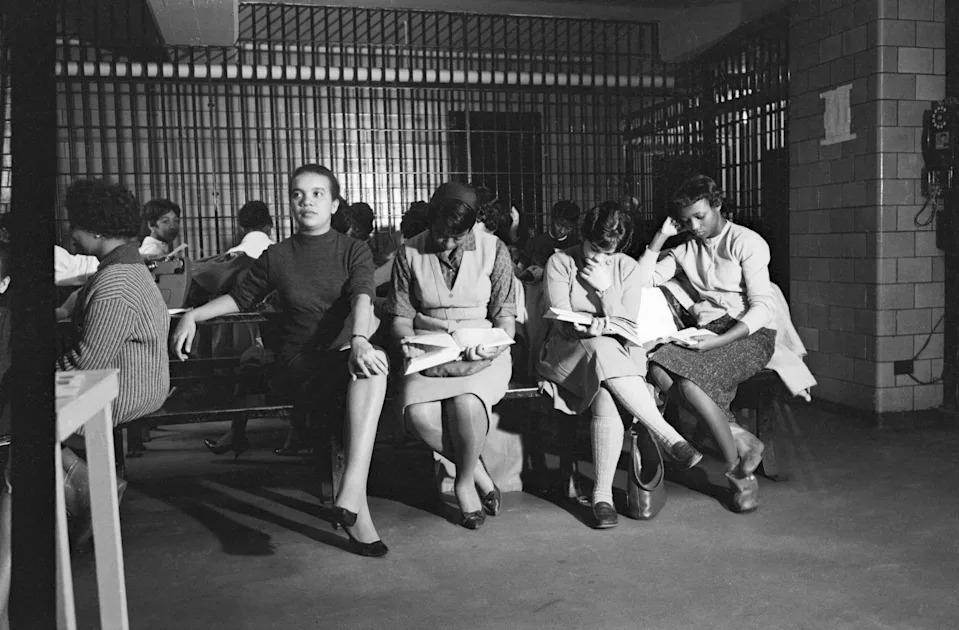
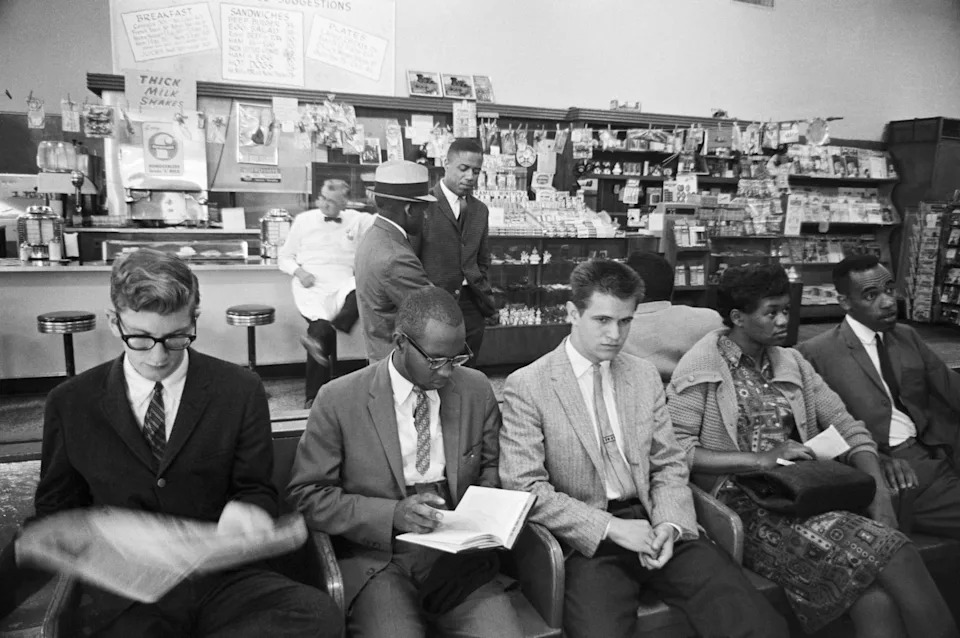
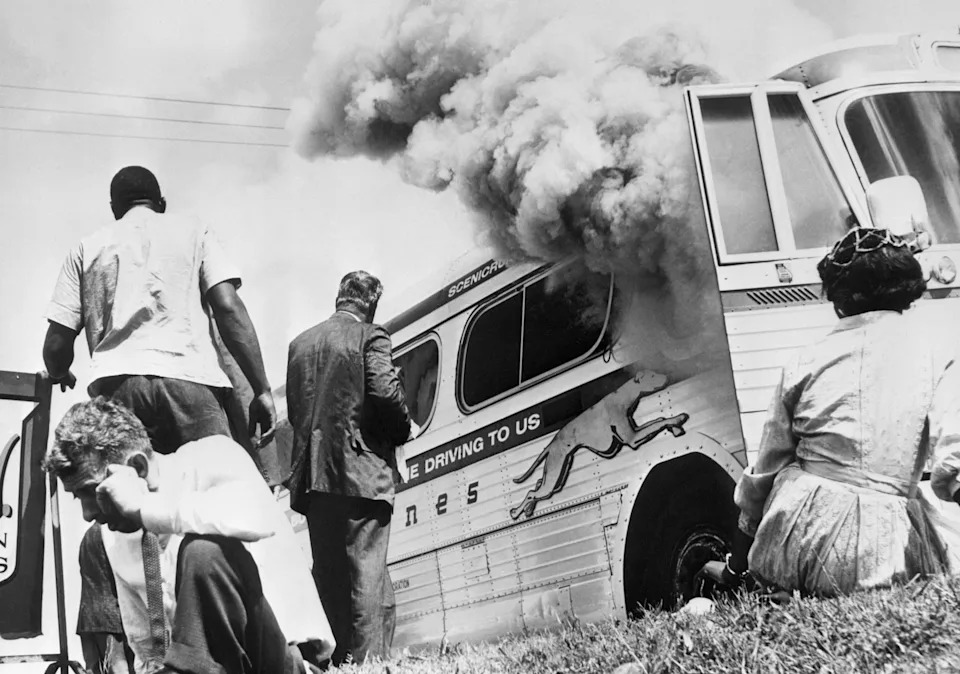
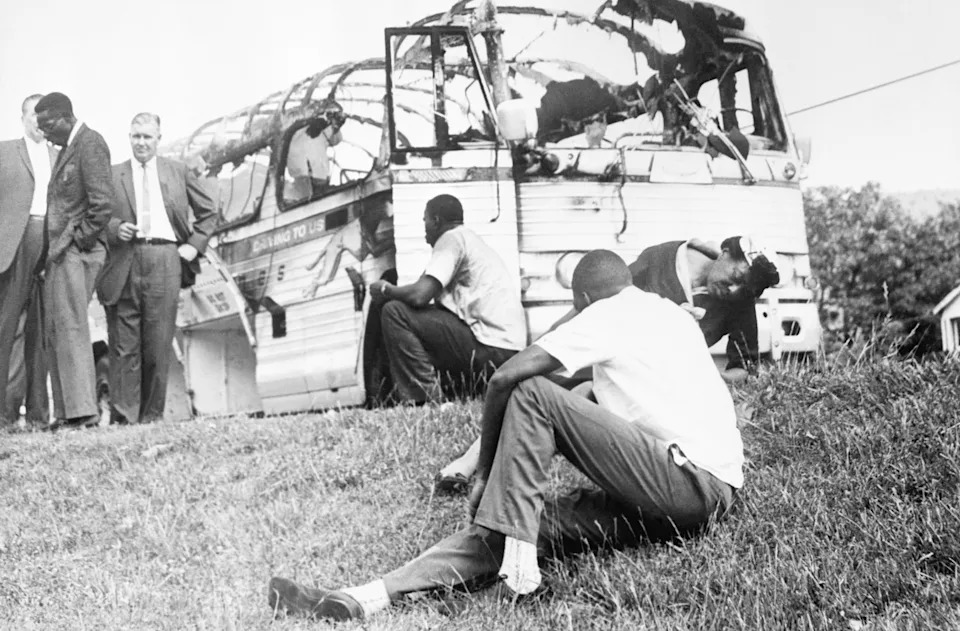
The Freedom Riders (1961)
The Freedom Riders were more than 400 Black and white activists who rode interstate buses and trains through the Deep South to challenge segregation in bus terminals, restrooms, and lunch counters. Their nonviolent direct actions provoked arrests, beatings, and violent attacks, drawing national attention to Southern resistance to federal civil-rights law.
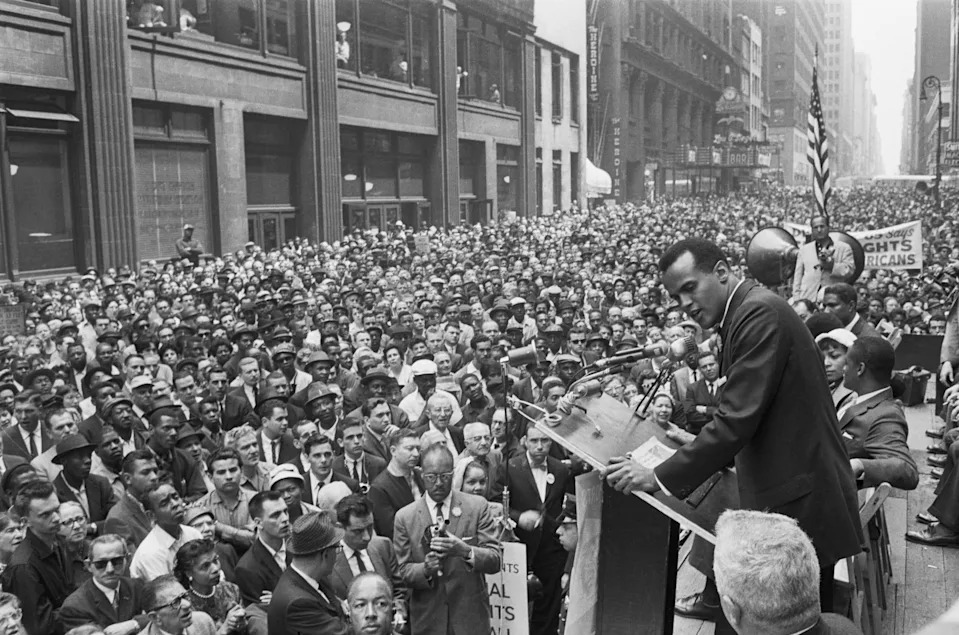
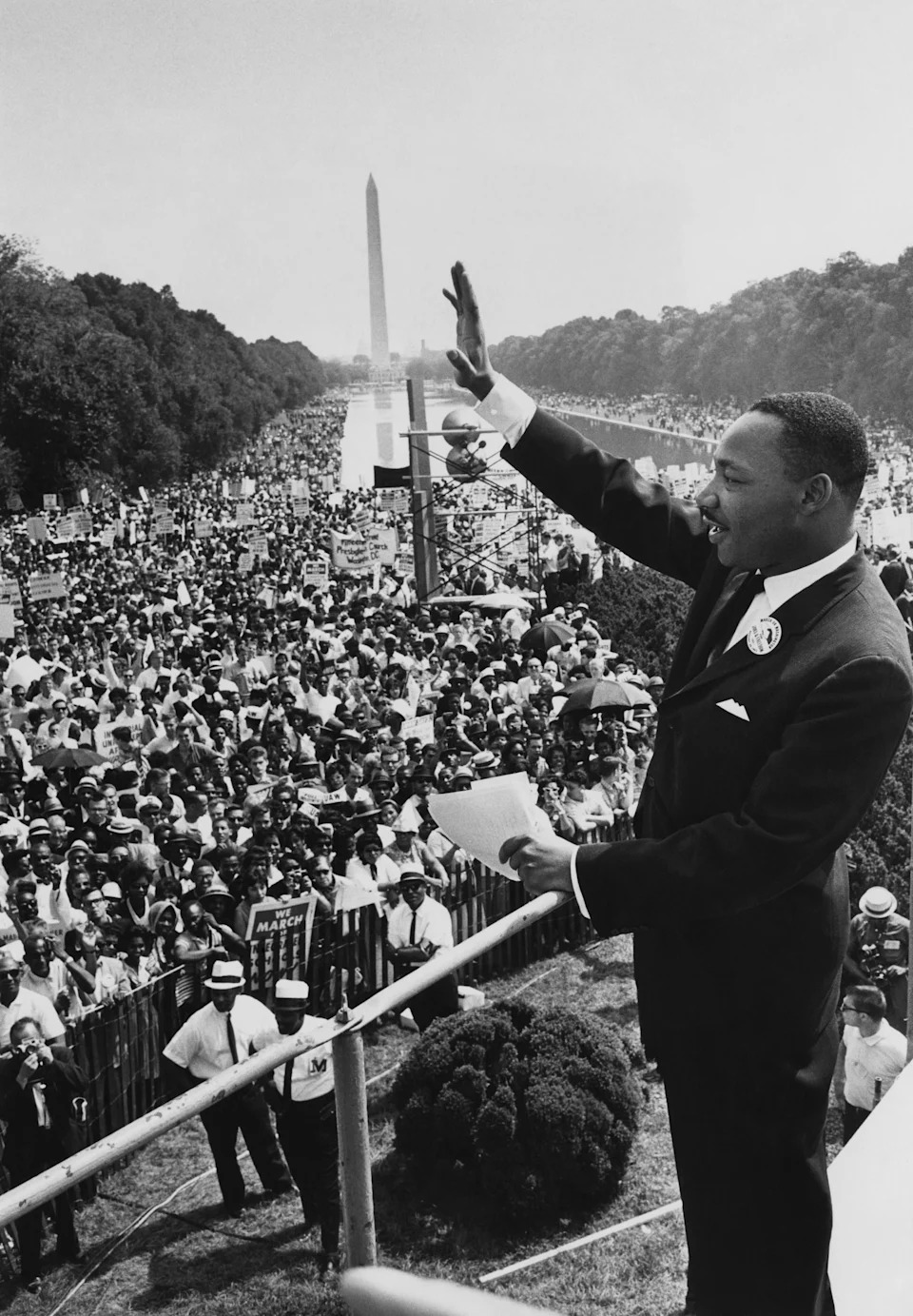
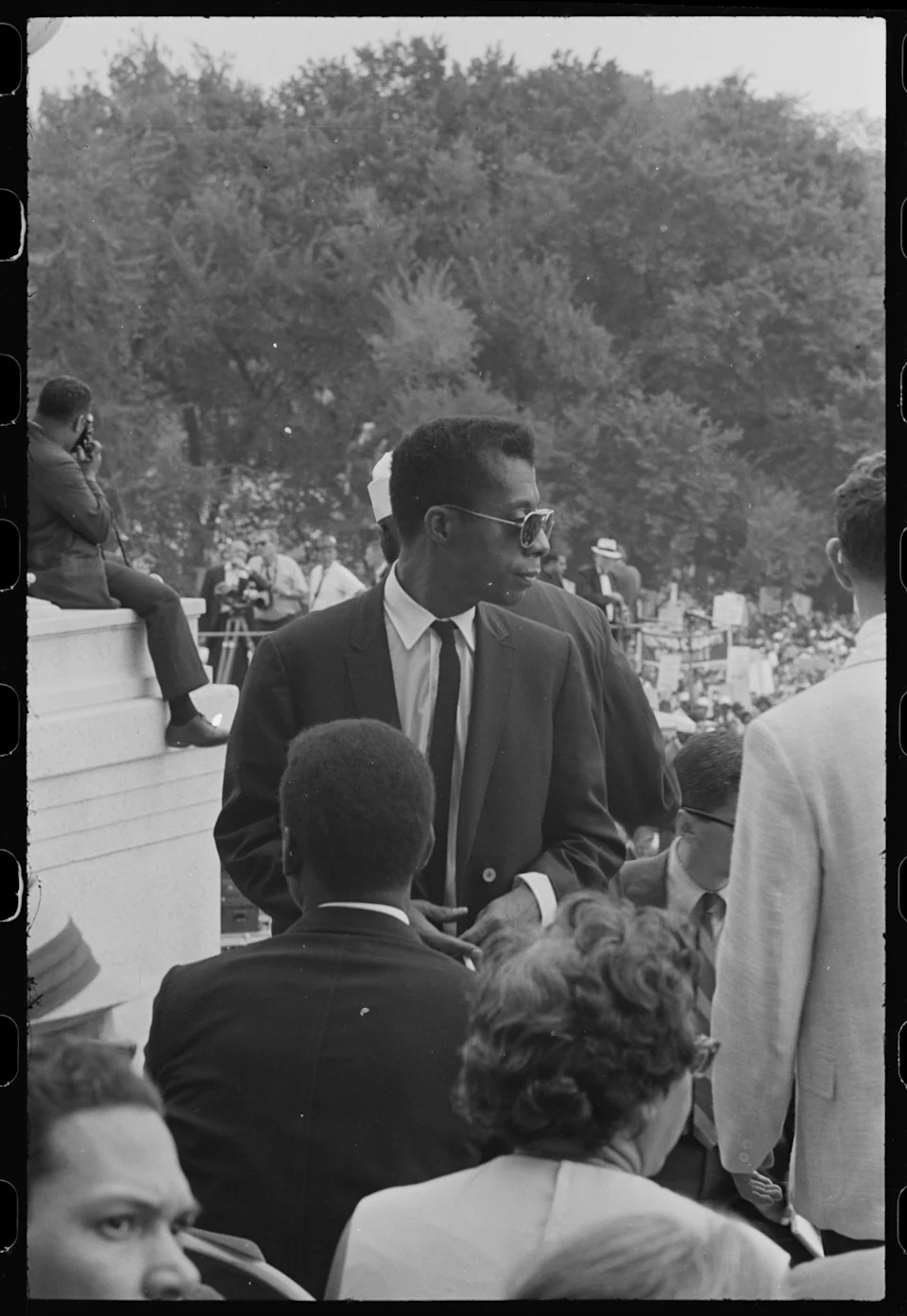
March on Washington for Jobs and Freedom (1963)
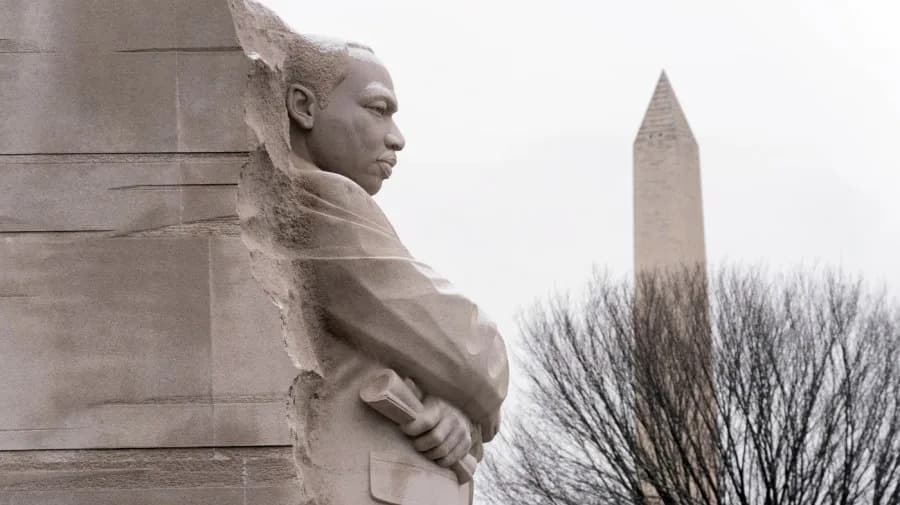
On August 28, 1963, roughly a quarter of a million people gathered in Washington, D.C., for the March on Washington for Jobs and Freedom. The demonstration demanded comprehensive economic and civil rights for African Americans and featured Dr. Martin Luther King Jr.'s historic "I Have a Dream" speech.
Selma to Montgomery Marches (1965)
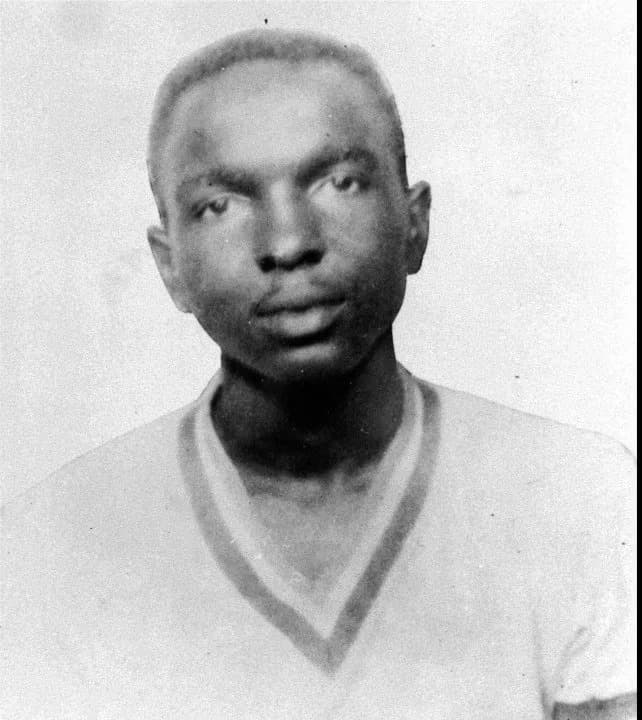
The Selma to Montgomery marches were organized to demand voting rights after the fatal shooting of demonstrator Jimmie Lee Jackson. On March 7, 1965—known as "Bloody Sunday"—state troopers brutally attacked marchers on the Edmund Pettus Bridge. A later, federally protected march covered 54 miles over five days and helped build momentum for the Voting Rights Act of 1965.
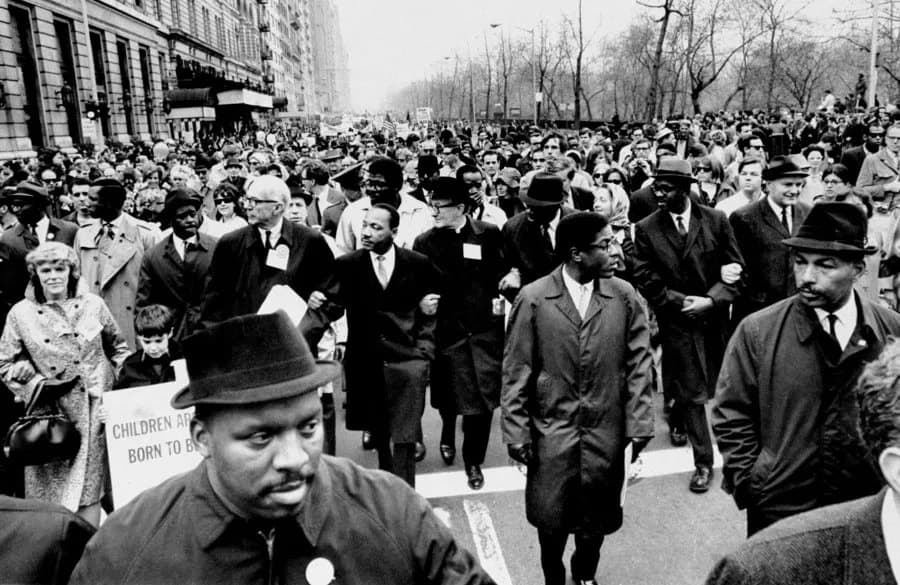
Poor People’s Campaign (1968)
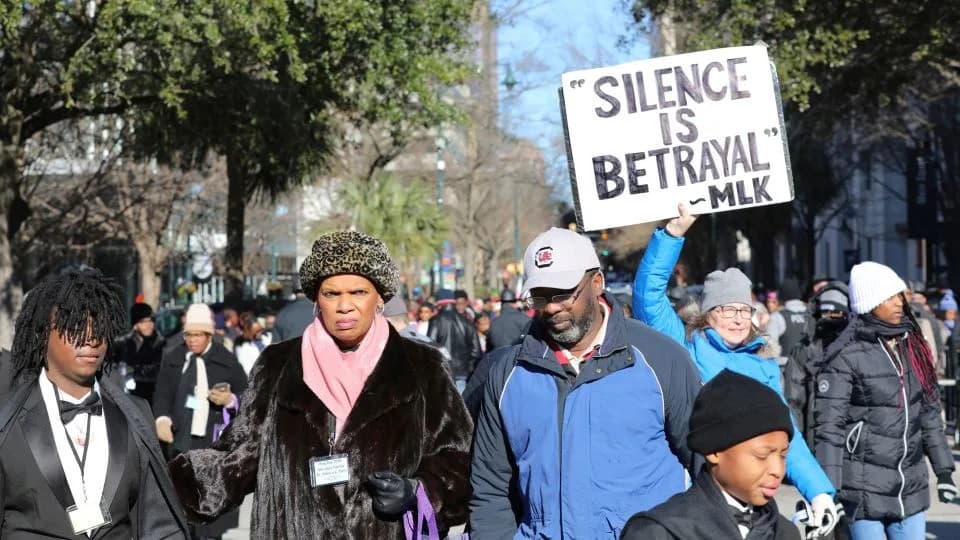
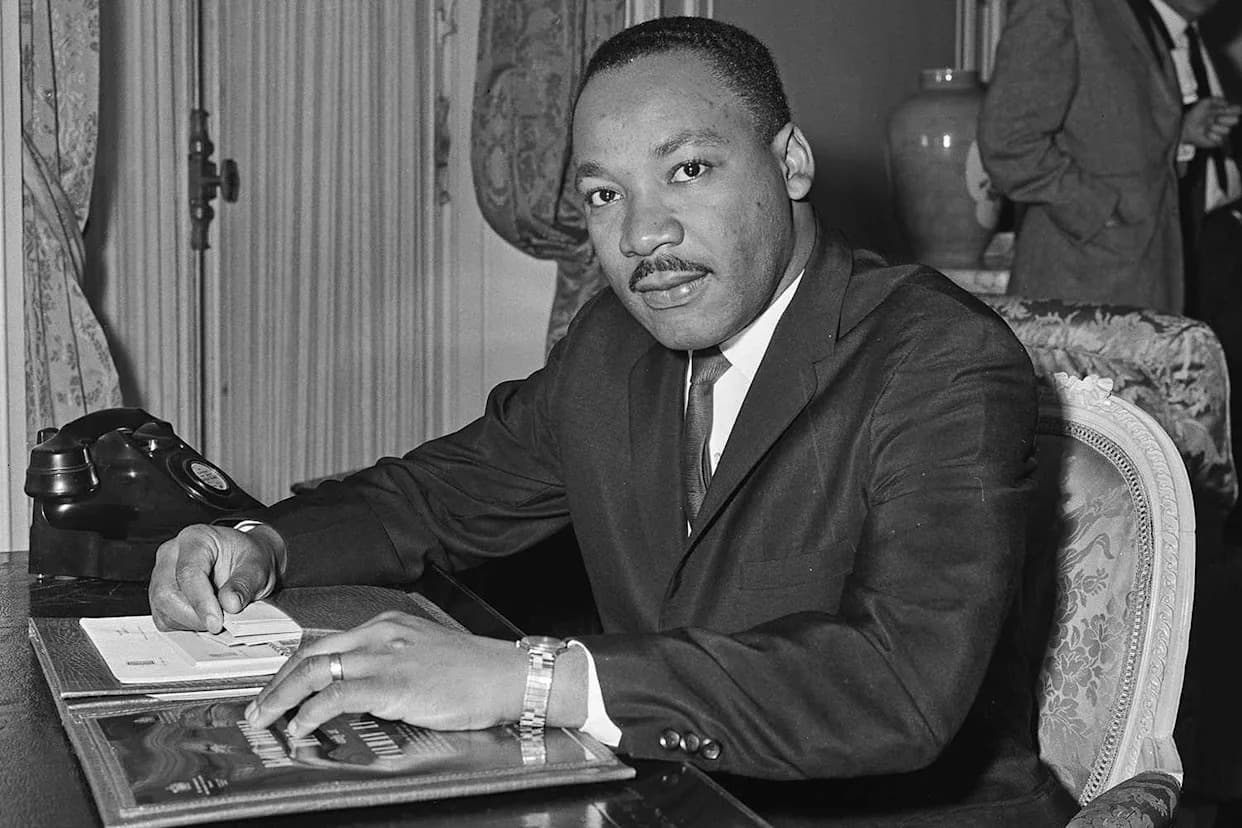
The Poor People’s Campaign, organized by the Southern Christian Leadership Conference (SCLC) and promoted by Martin Luther King Jr. before his assassination, sought economic justice and an end to systemic poverty for Americans of all races. The campaign culminated in demonstrations and encampments in Washington, D.C., in 1968 to press for expanded social and economic reforms.
Why these images matter: Each photograph preserves a moment of moral courage and social struggle. They remind us how grassroots activism, legal action, and federal intervention combined to dismantle legalized segregation and expand civil rights in the United States.
Don Cravens / Getty Images
Bettmann / Bettmann Archive
Bettmann / Bettmann Archive
Bettmann / Bettmann Archive
Bettmann / Bettmann Archive
Bettmann / Bettmann Archive
Bettmann / Bettmann Archive
Bettmann / Bettmann Archive
Afro Newspaper/Gado / Getty Images
Hulton Archive / Getty Images
Estate Of Roosevelt H. Carter / Getty Images
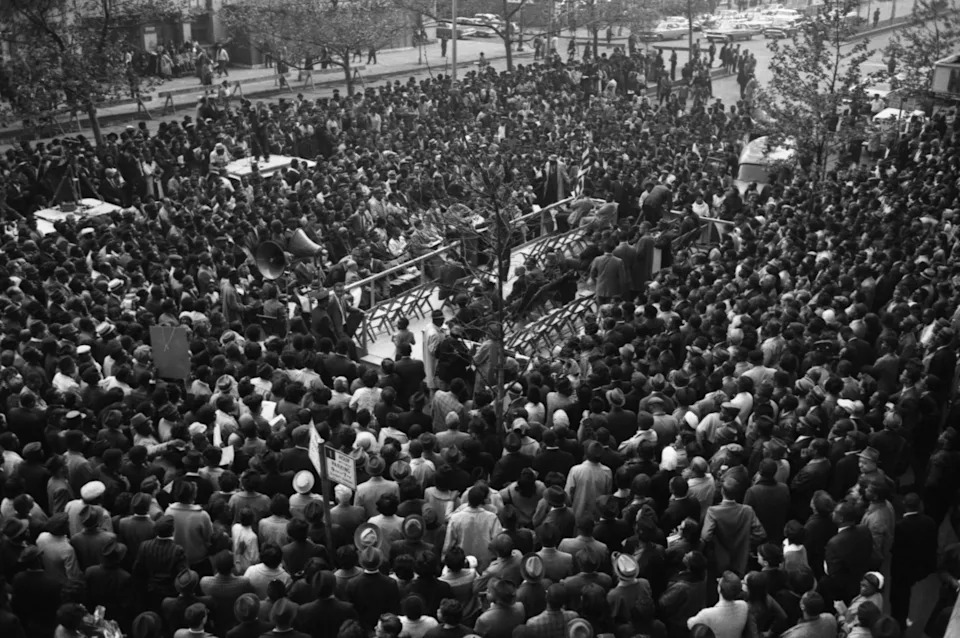
Bettmann / Bettmann Archive
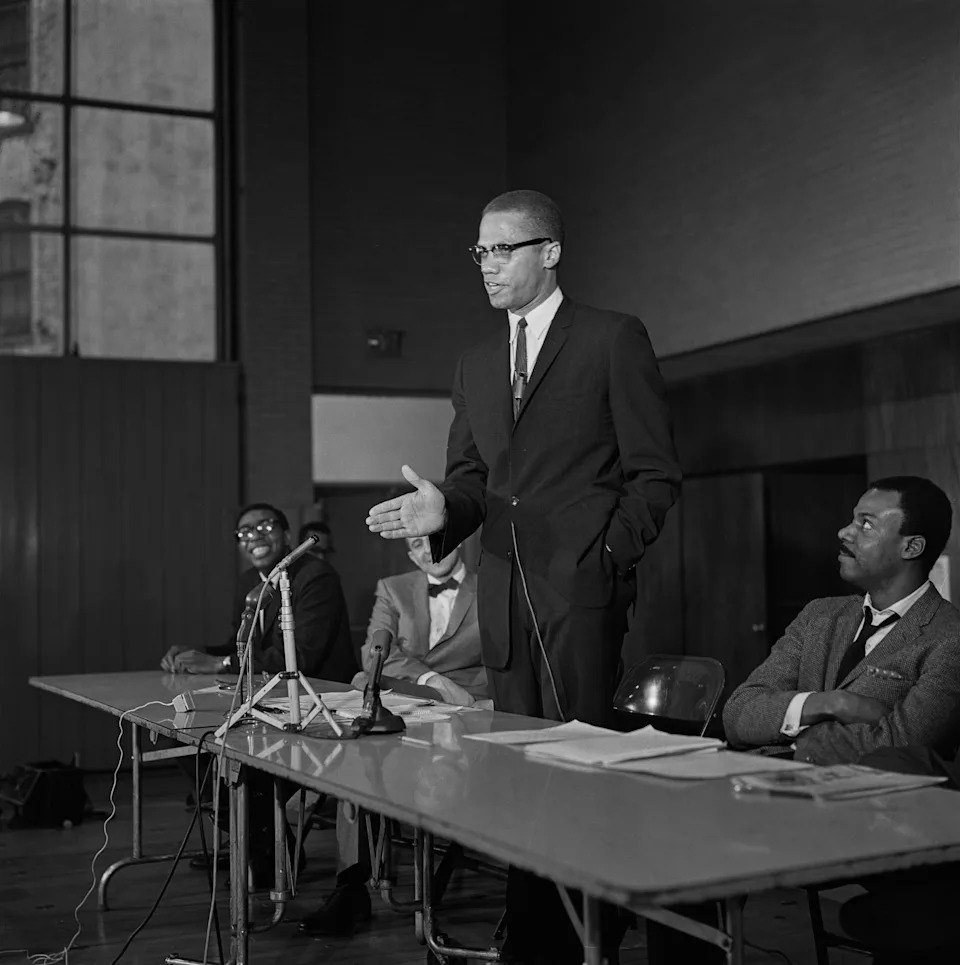
Michael Ochs Archives / Getty Images
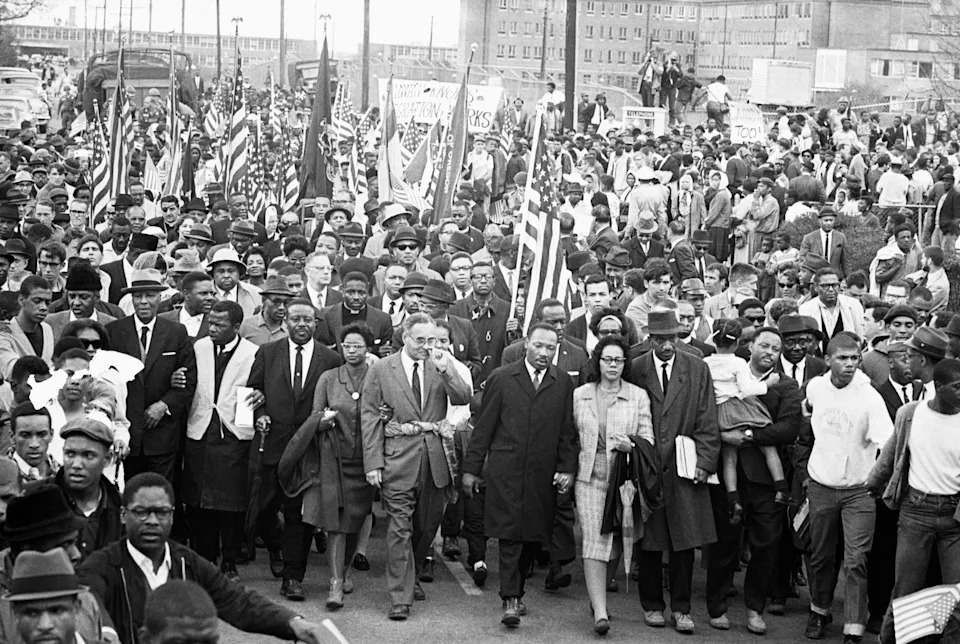
Bettmann / Bettmann Archive
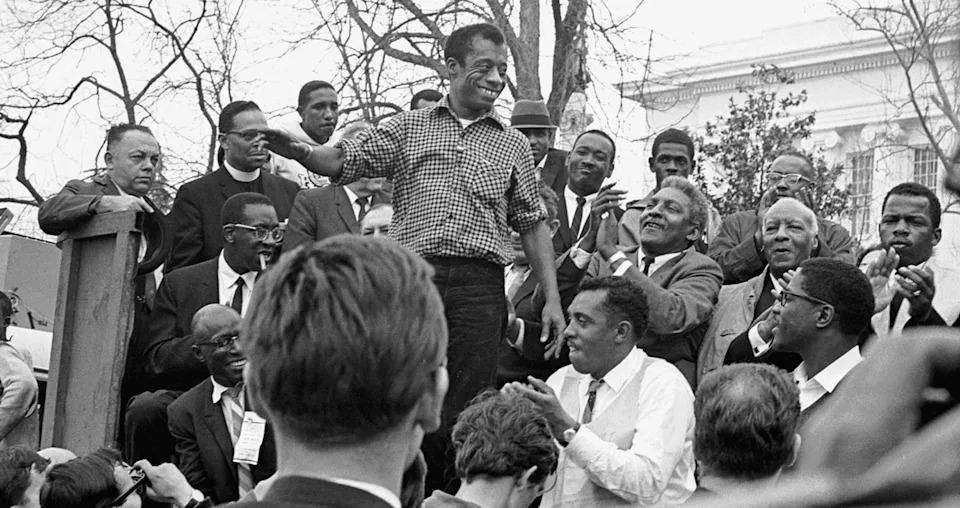
Robert Abbott Sengstacke / Getty Images
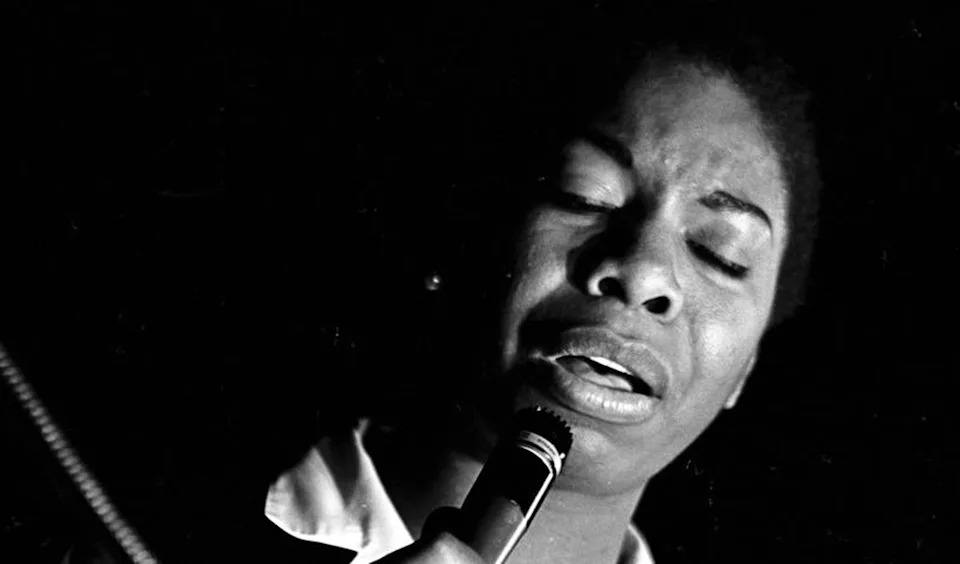
Robert Abbott Sengstacke / Getty Images
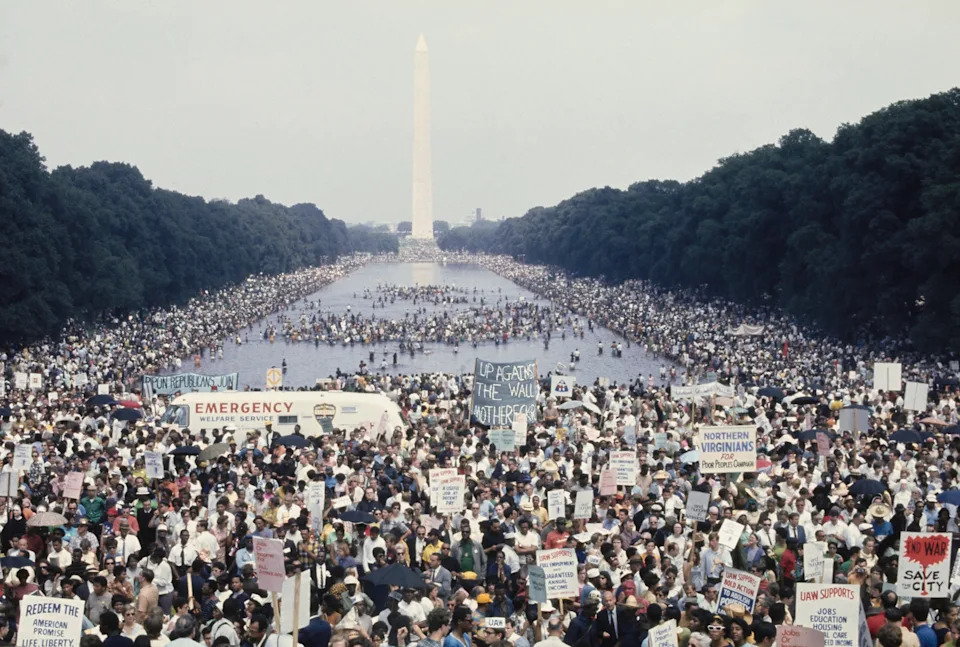
Pictorial Parade / Getty Images
BuzzFeed
Help us improve.