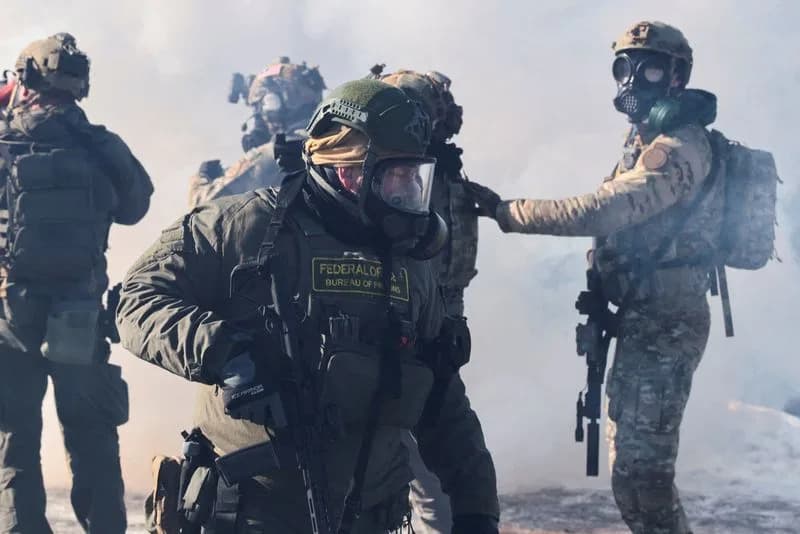
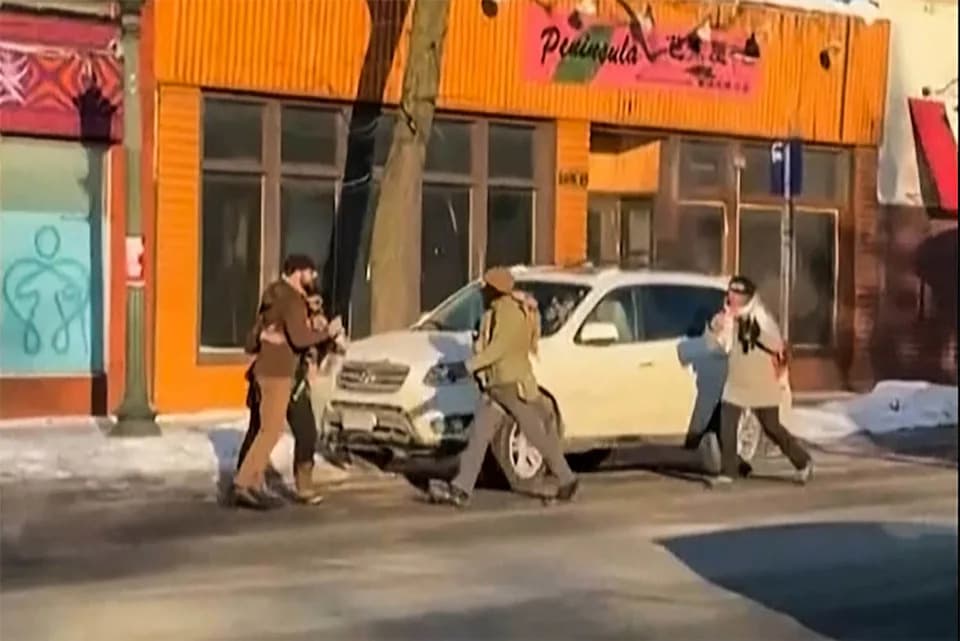
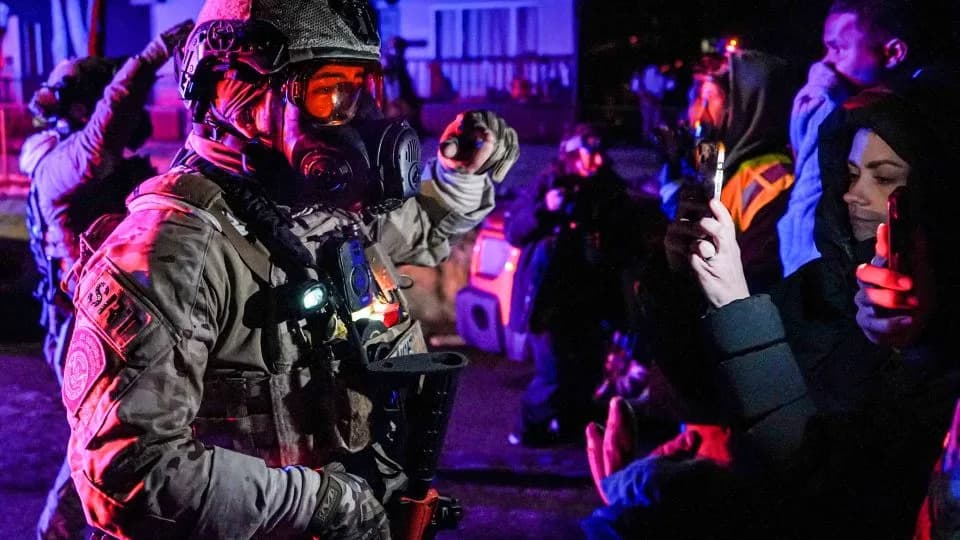
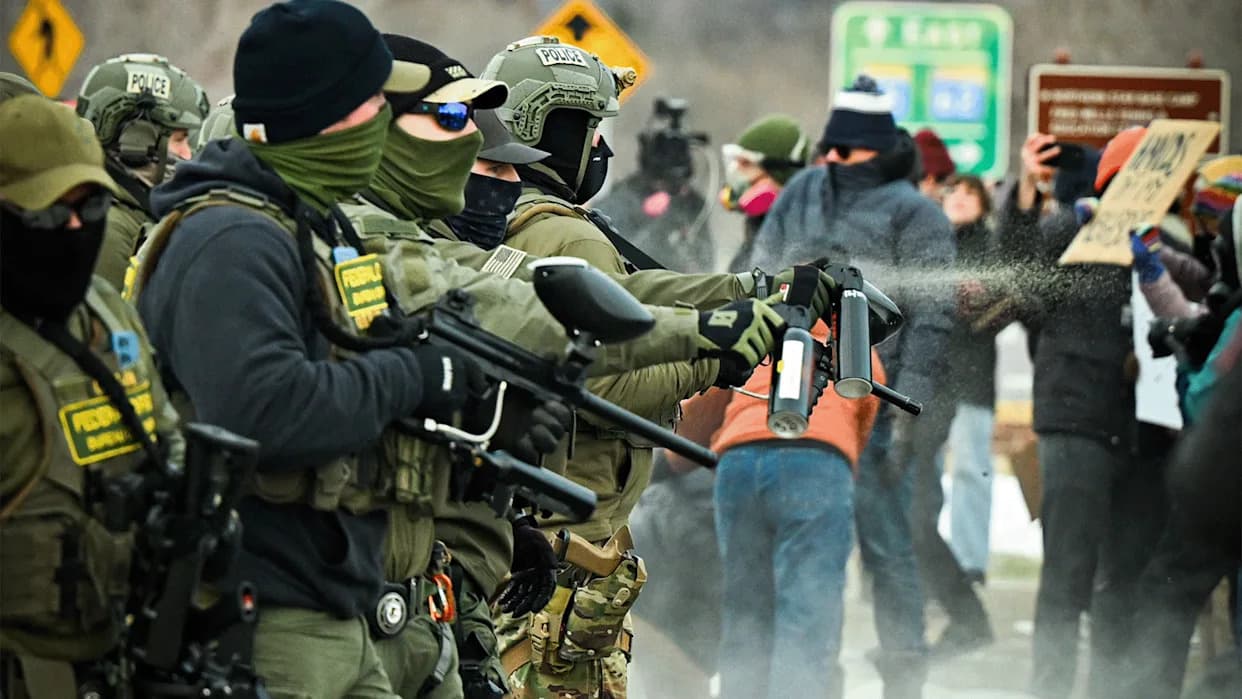
The fatal shootings of protesters Renee Good and Alex Pretti in Minneapolis prompted public outrage and sharp questions about whether federal officers lawfully used deadly force. Courts will apply the Supreme Court’s "reasonableness" standard and consider the full factual context leading up to each shooting. State investigators are seeking full access to evidence even as federal officials dispute jurisdictional claims. Training, supervision and the messages sent from leadership will shape both legal outcomes and future policing practices.
Why Holding Federal Officers Accountable For Deadly Force In Minneapolis Is Legally Complicated
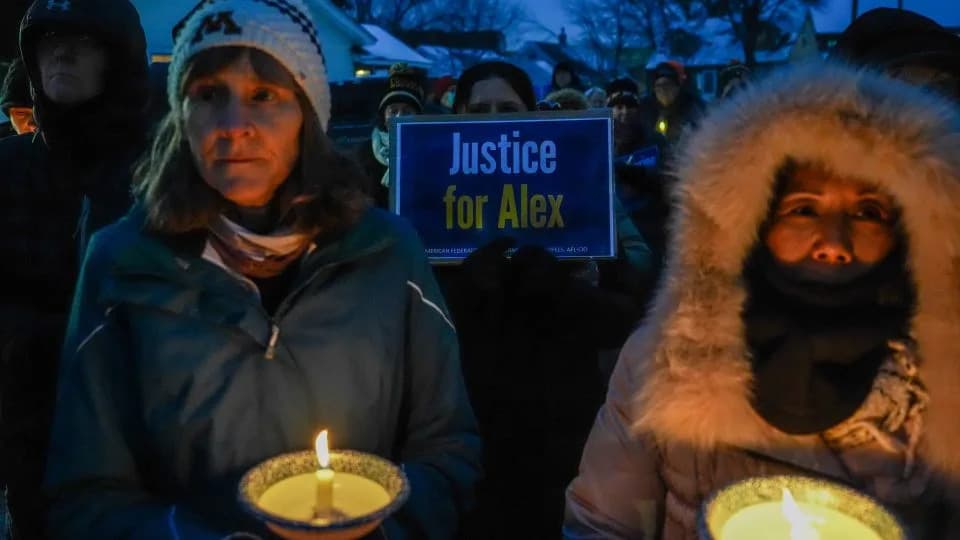
People attend a vigil for Alex Pretti, who was fatally shot by a federal agent, at the Minneapolis Veterans Affairs Hospital, where Pretti worked, on February 1. - Ryan Murphy/AP
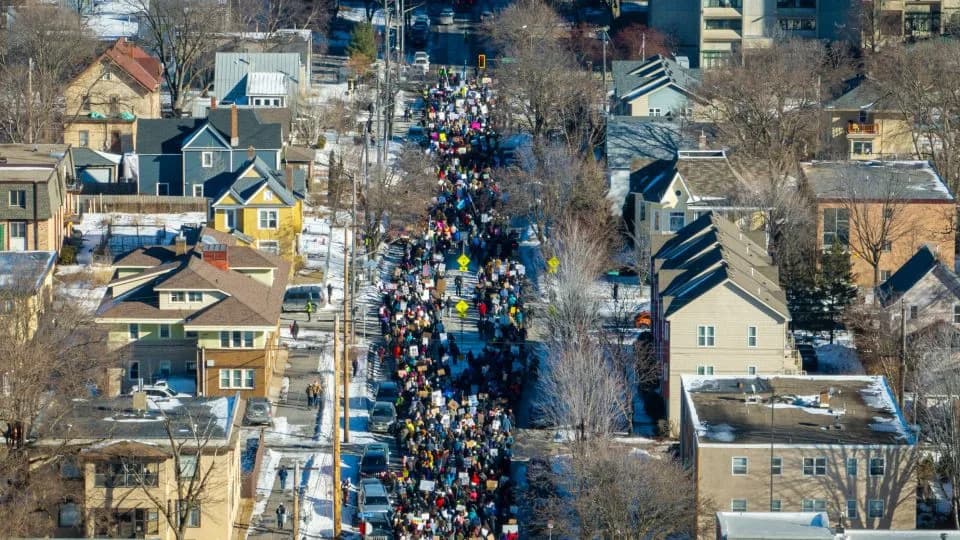
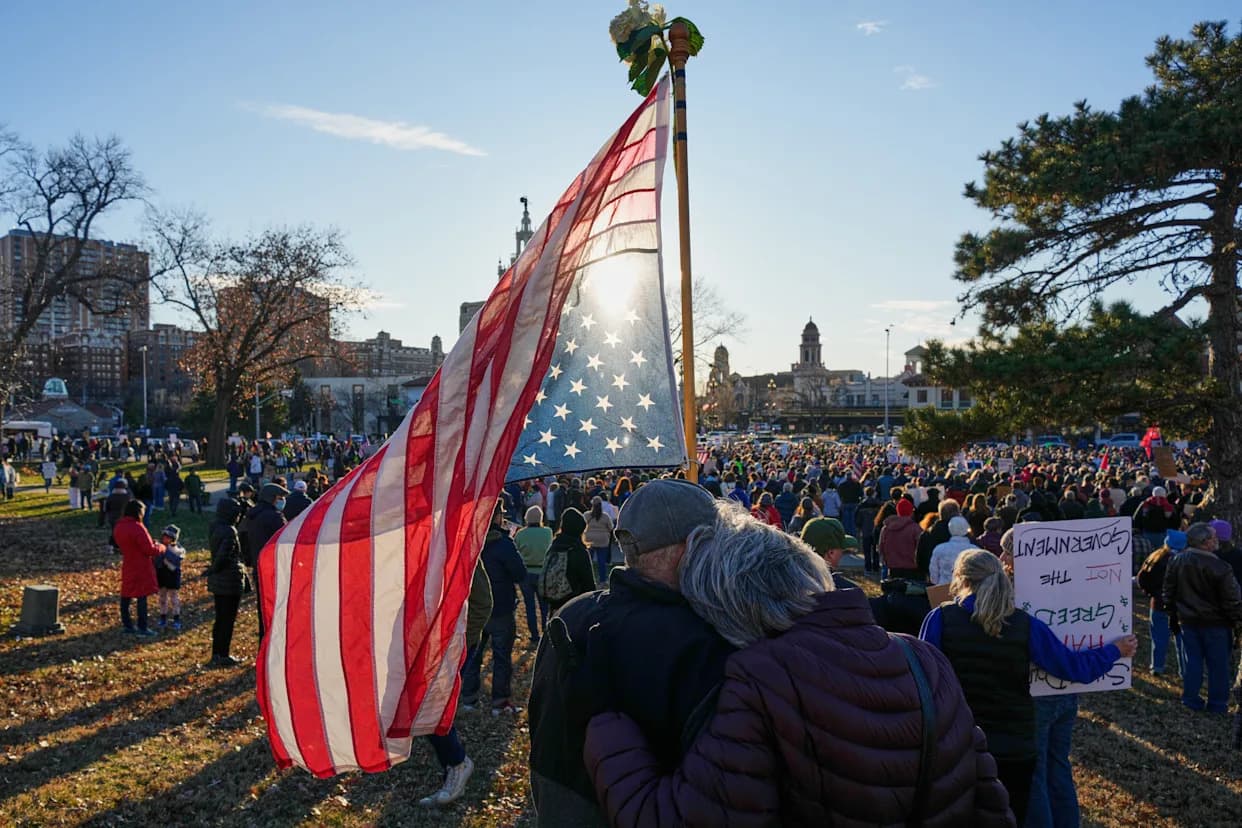
The fatal shootings of anti‑ICE protesters Renee Good and Alex Pretti in Minneapolis have set off fierce public outrage and raised difficult legal questions about federal officers’ use of deadly force. Protesters and local officials criticized initial federal statements that labeled the victims as terrorists; investigators, prosecutors and legal experts are now grappling with how constitutional standards, state law and evidence will determine whether charges or civil liability are appropriate.
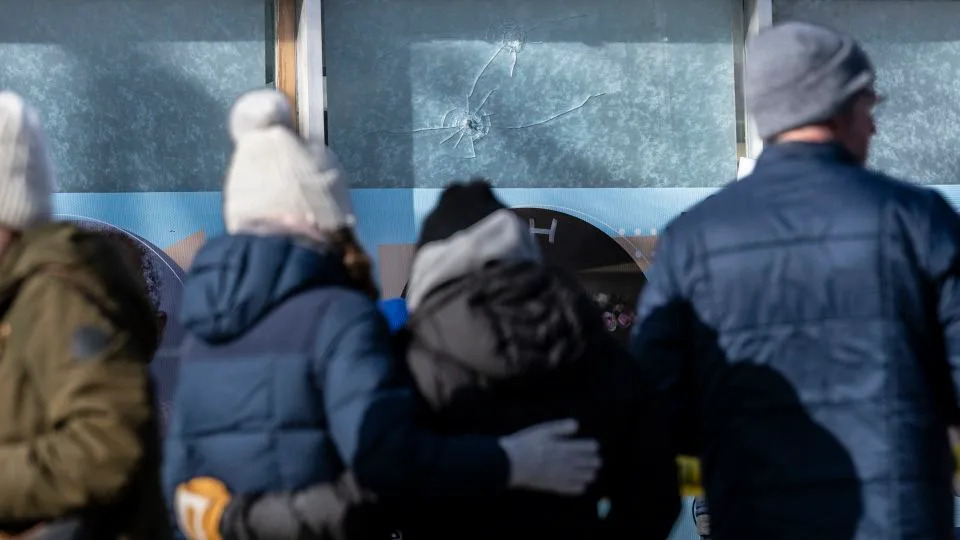
Two women hug as they visit a makeshift memorial for Alex Pretti next to window panels a business owner says were broken by gunshots during Pretti's fatal shooting. - Roberto Schmidt/AFP/Getty Images
Legal Standard: “Reasonableness” Under Graham v. Connor
At the center of legal review is the Supreme Court’s nearly four‑decade‑old framework for police use of force. Under Graham v. Connor (1989), an officer’s use of deadly force does not automatically violate the Constitution if the officer reasonably believed the suspect posed an imminent danger of death or serious physical injury. As Justice William Rehnquist explained, courts must judge reasonableness from the perspective of a reasonable officer on the scene—not with 20/20 hindsight.
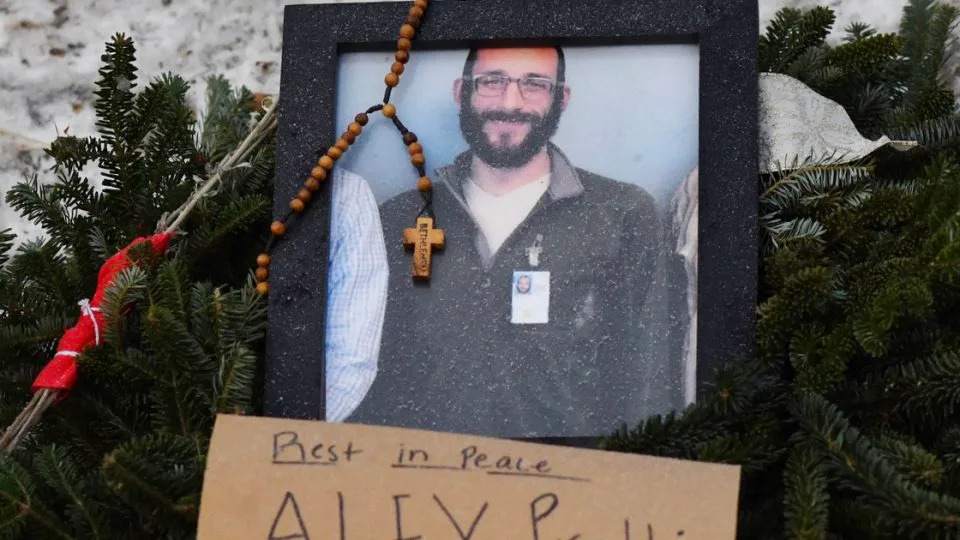
A picture of Pretti is left at a makeshift memorial in the area where Pretti was shot dead a day earlier by federal immigration agents in Minneapolis, Minnesota, on January 25. - Octavio Jones/AFP/Getty Images
What Evidence Matters?
Determining what an officer perceived in the split seconds before a shooting requires careful evidence collection. Videos, body‑cam footage, eyewitness statements, and forensic timing can help establish the officer’s vantage point and the actual level of threat. Alex Reinert, director of the Center for Rights and Justice at Cardozo School of Law, told CNN:
“You’re going to need as much evidence as you can about what was happening in that space and time.”
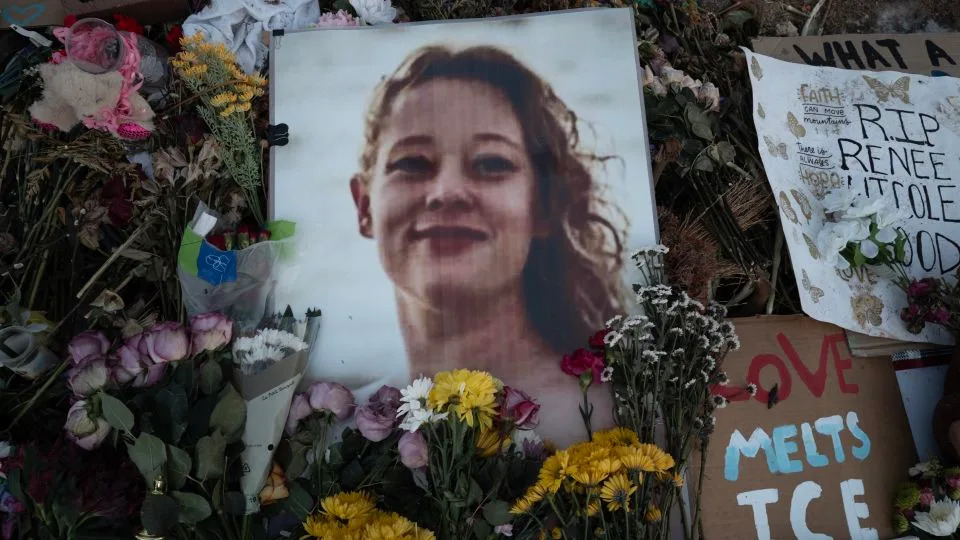
A picture of Renee Good is covered with flowers at a memorial on January 29 in Minneapolis. Anger in the city continues to grow over the Trump administration's immigration policy after the shooting deaths of Good on January 7 and Alex Pretti on January 24 at the hands of federal agents. - Scott Olson/Getty Images
State Investigations Versus Federal Claims
Although the Graham standard informs federal civil claims, Minnesota state authorities have also opened inquiries into whether local criminal laws were violated. After Good’s shooting, the Minnesota Bureau of Criminal Apprehension (BCA) warned that limited access to evidence would undercut its probe. BCA Superintendent Drew Evans said investigators need full access to evidence, witnesses and information to meet legal and public standards.
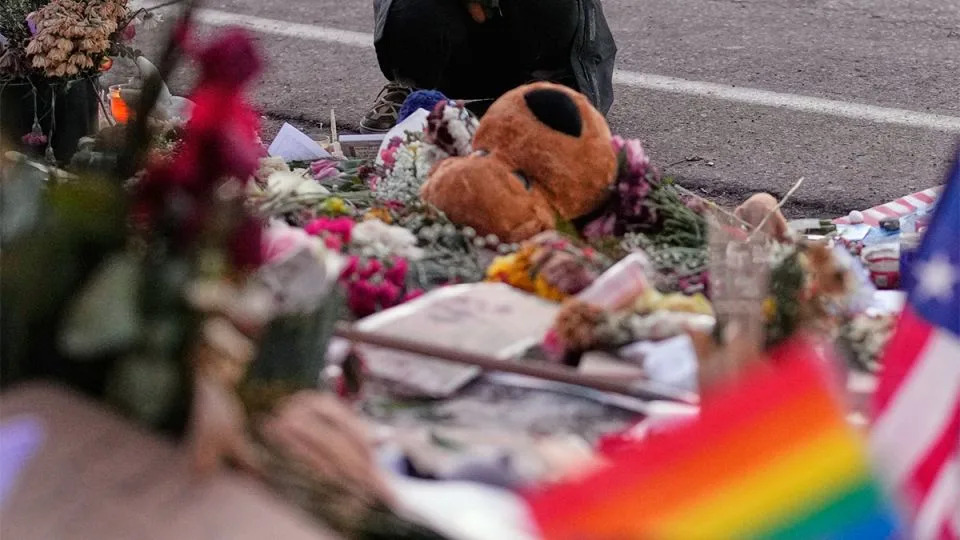
A woman visits a makeshift memorial for Renee Good on January 14 in Minneapolis. - John Locher/AP
At a White House news conference shortly after Good’s killing, administration official JD Vance suggested federal agents could be insulated from state prosecution; legal scholars have disputed that view. Experts note that state prosecutors commonly seek extradition when state charges are filed, and such procedures would likely apply here if charges were brought.
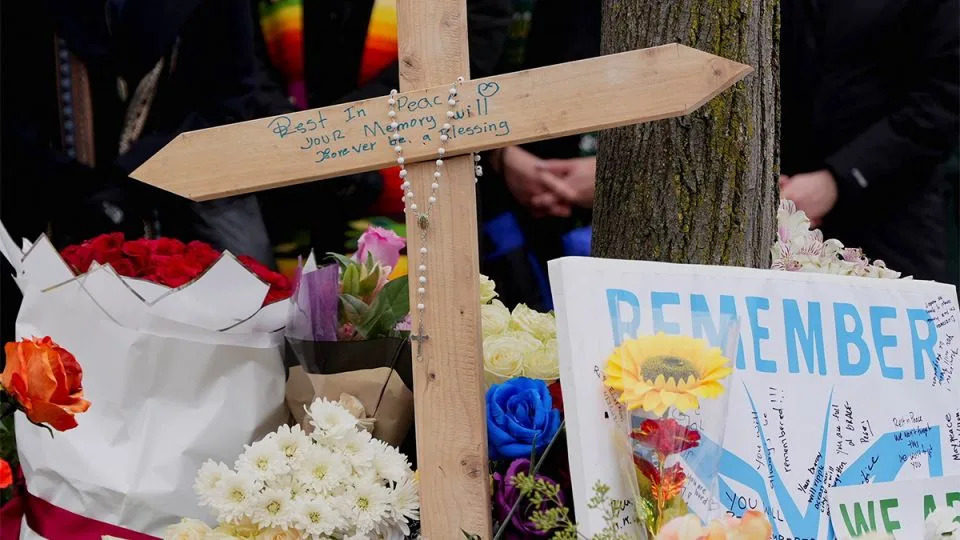
A cross and flowers sit at a memorial at the scene of the fatal shooting of Renee Nicole Good by a US Immigration and Customs Enforcement agent. - Tim Evans/Reuters
The Barnes Decision And Broader Context
A recent Supreme Court decision (Barnes v. Felix) emphasized that courts must consider the full sequence of events leading up to a shooting in civil excessive‑force claims—not only the officer’s instant‑to‑instant perception. That ruling can cut both ways: in Pretti’s case, defense lawyers could point to an earlier violent clash with officers; in Good’s case, a prior encounter in which an officer was injured might be used to explain a heightened threat assessment.
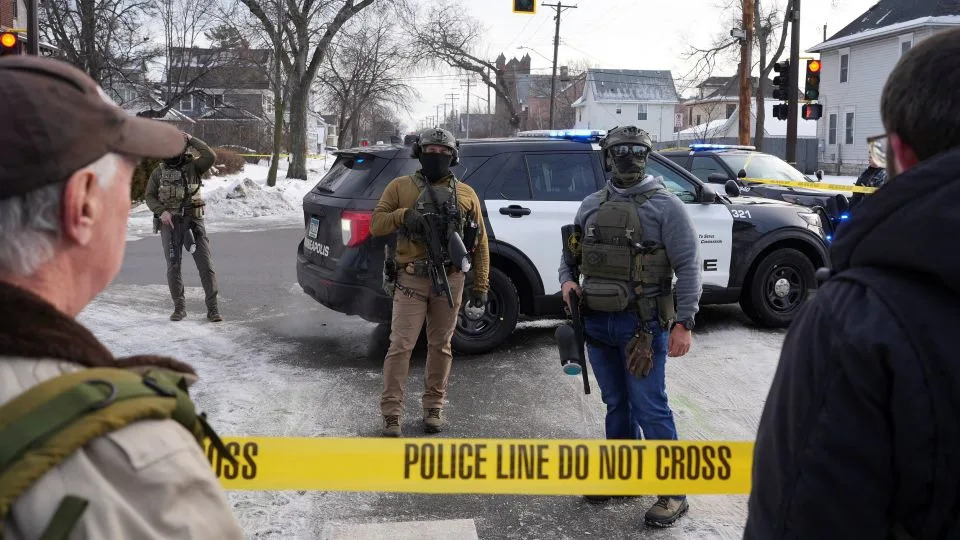
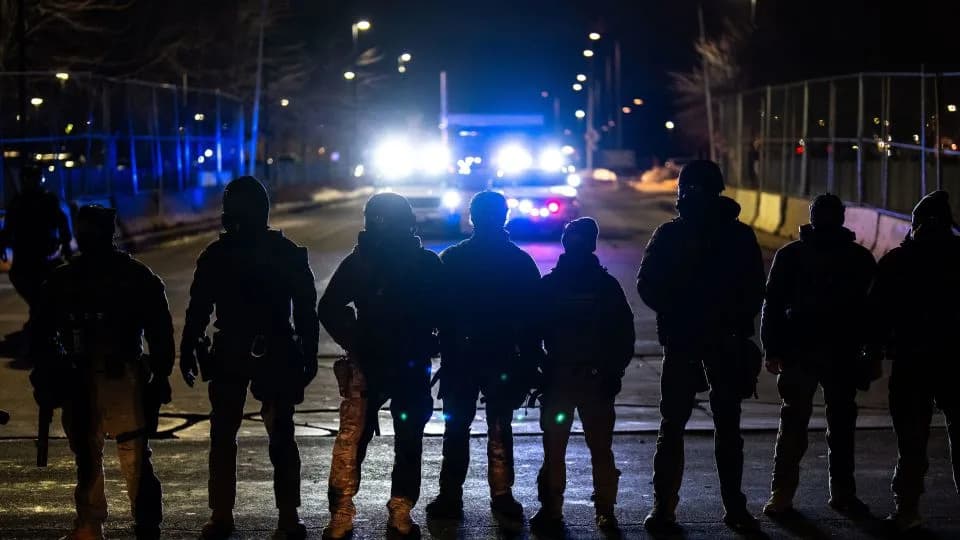
Members of ICE stand guard after Renee Good was fatally shot in Minneapolis on January 7. - Tim Evans/Reuters
Feasibility Of Nonlethal Alternatives
Courts also examine whether nonlethal alternatives were feasible and equally effective. Criminal justice expert Seth Stoughton observes that if an officer could have safely avoided harm by retreating or using less‑lethal tactics, that possibility may factor into whether the shooting was reasonable under the law.
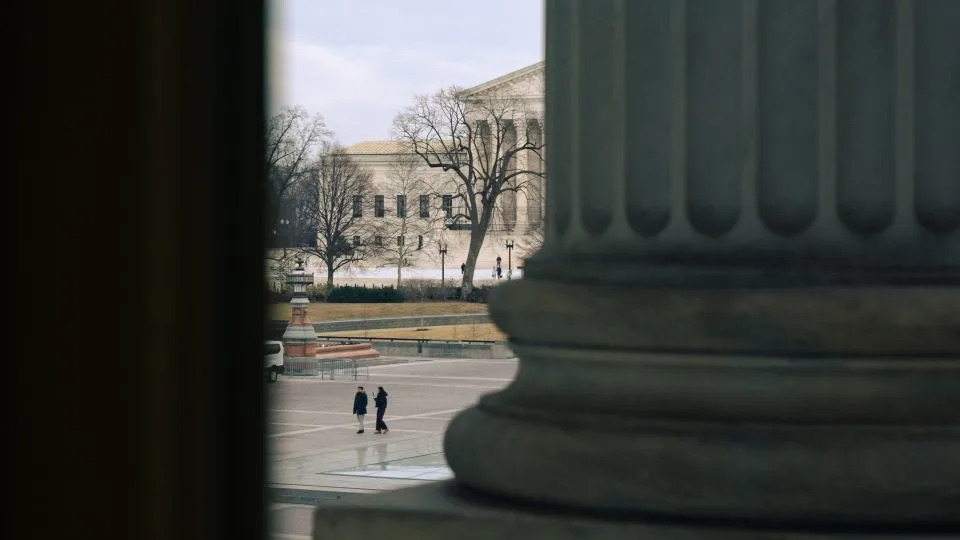
The Supreme Court of the United States is seen through a window from the US Capitol on January 22. - Maansi Srivastava/CNN
Training, Supervision And Policy Signals
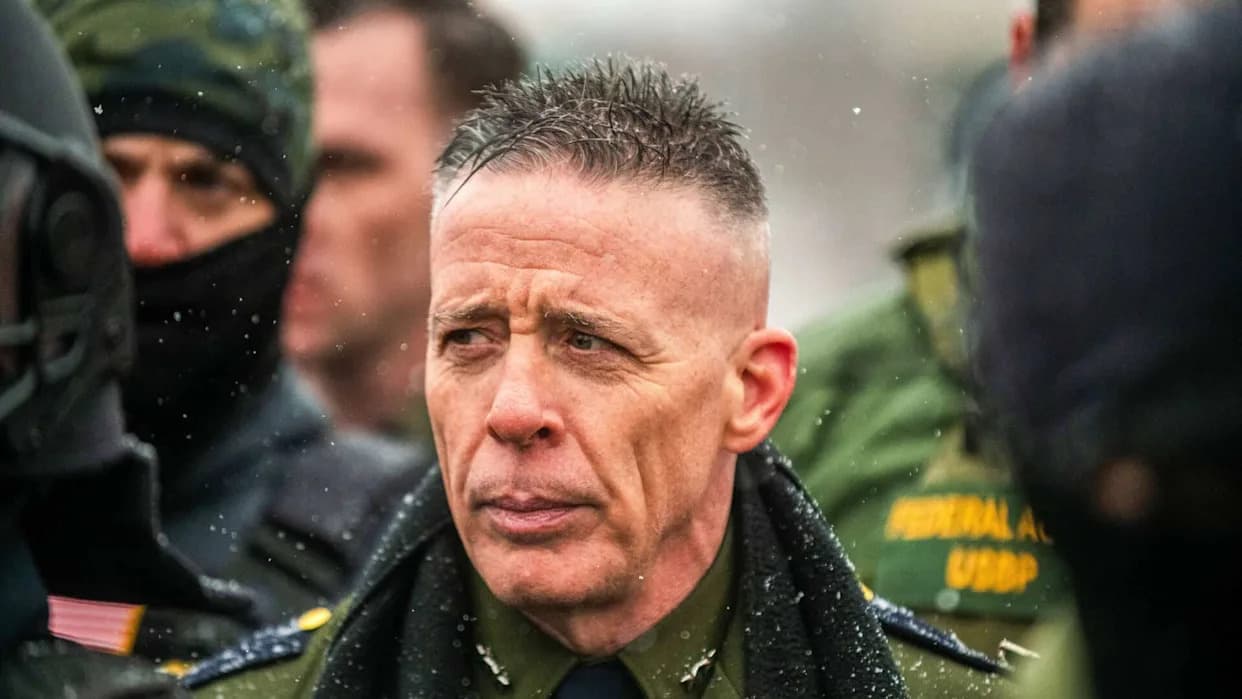
Beyond courtroom doctrine, training and supervisory culture shape outcomes. Federal immigration forces have launched a compressed training “surge” for thousands of new personnel, reducing some basic courses from 16 weeks to eight; critics worry that condensed training and deploying Border Patrol in urban protest environments may leave officers ill‑prepared. The Department of Homeland Security counters that many agents have prior law enforcement or military experience and receive instruction at Federal Law Enforcement Training Centers.
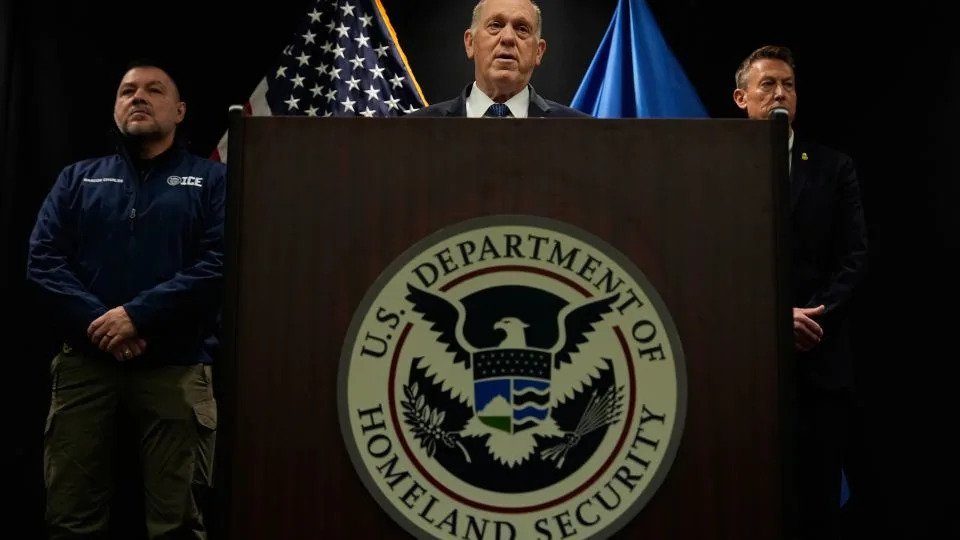
White House border czar Tom Homan holds a news conference at the Bishop Whipple Federal building near Minneapolis on January 29. - Julia Demaree Nikhinson/AP
Many experts emphasize that the strongest messages to officers come from the top. Whether supervisors consistently enforce rules and reward de‑escalation—or tolerate aggressive tactics—will affect both future conduct and legal assessments of what behavior was likely or foreseeable.
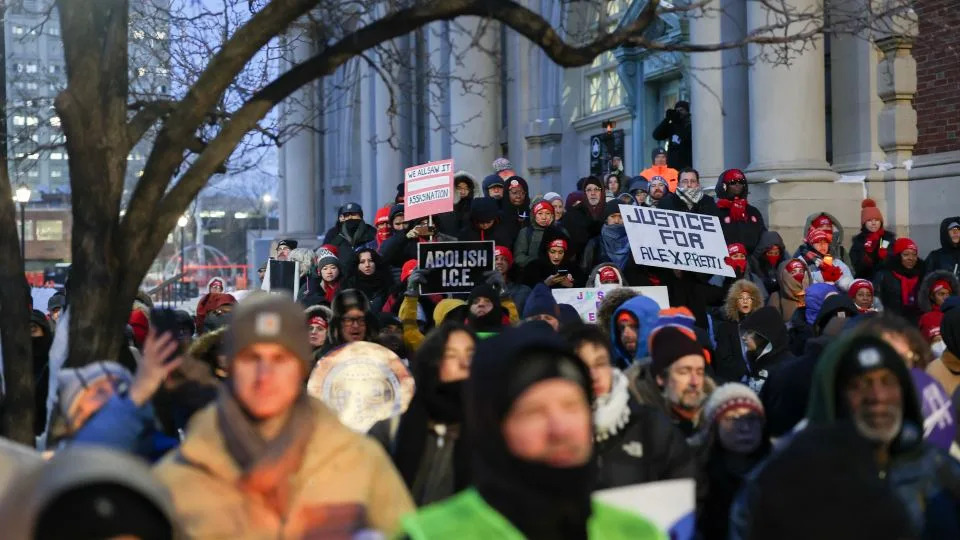
People attend a vigil for Alex Pretti in New York on January 29. - Angela Weiss/AFP/Getty Images
Local Reform Efforts And Political Context
Minneapolis has experienced several high‑profile police killings in recent years, and city leaders have pressed for use‑of‑force reforms. A Justice Department consent decree negotiated late in one administration was later rescinded at the federal level; city officials nonetheless say they will continue to implement reforms. The political rhetoric surrounding federal deployments, statements by administration officials and shifting priorities for immigration enforcement all shape public trust and the atmosphere in which investigations unfold.
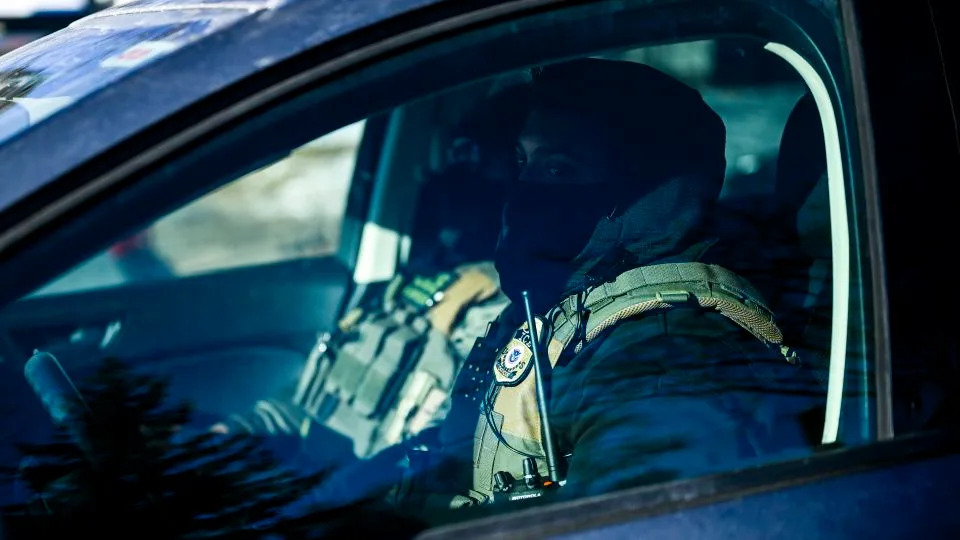
Two masked federal agents drive by a vigil on January 14 near where Renee Good was killed. - Stephen Maturen/Getty Images
Conclusion
Whether federal officers who fired on Renee Good and Alex Pretti broke the law will turn on detailed evidence about what the officers saw and believed, how events unfolded in the minutes and hours before each shooting, and what options were realistically available at the time. Constitutional doctrine, state criminal law, training practices and the policies signaled by senior officials will all play roles as investigators and courts determine accountability.
Help us improve.