The author argues that weak hiring standards, federal policy choices, inadequate training, and poor accountability have pushed ICE toward militarized, escalatory tactics that endanger public safety and civil liberties. Drawing on personal experience and recent Minneapolis cases involving Renee Good and Alex Pretti, the piece calls both killings unjustified and highlights the need for de-escalation, disciplined tactics, and independent investigations. The article warns that aggressive posturing undermines community trust and that transparent oversight is essential to restoring legitimacy.
Militarized Policing and Minneapolis: Why Escalation, Not De-Escalation, Prevails
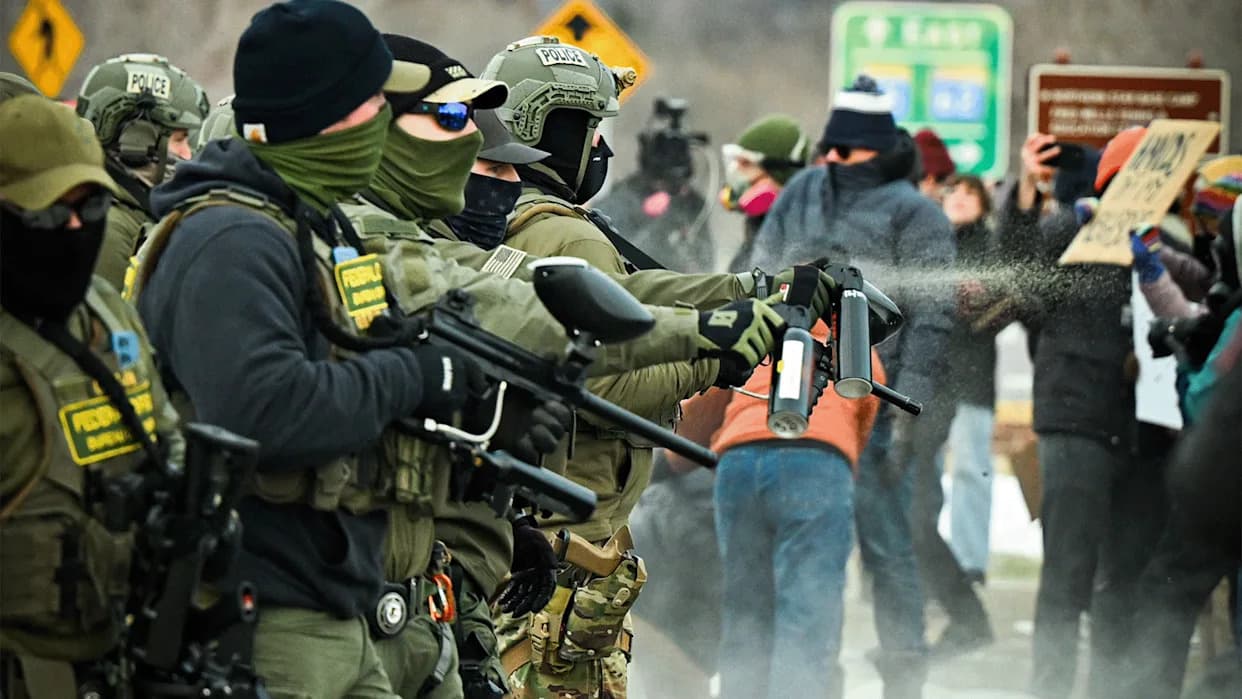
Militarized Policing Is at the Root of the Minneapolis Mayhem
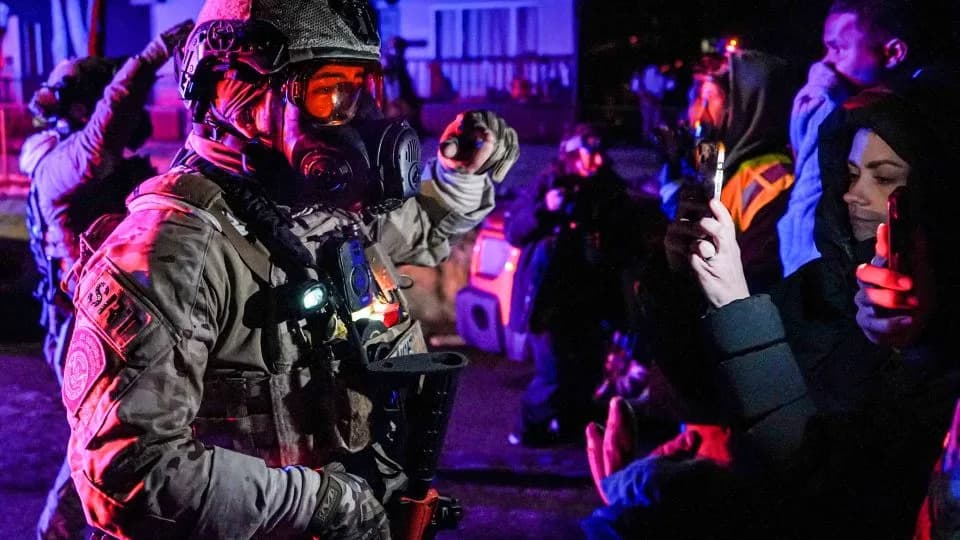
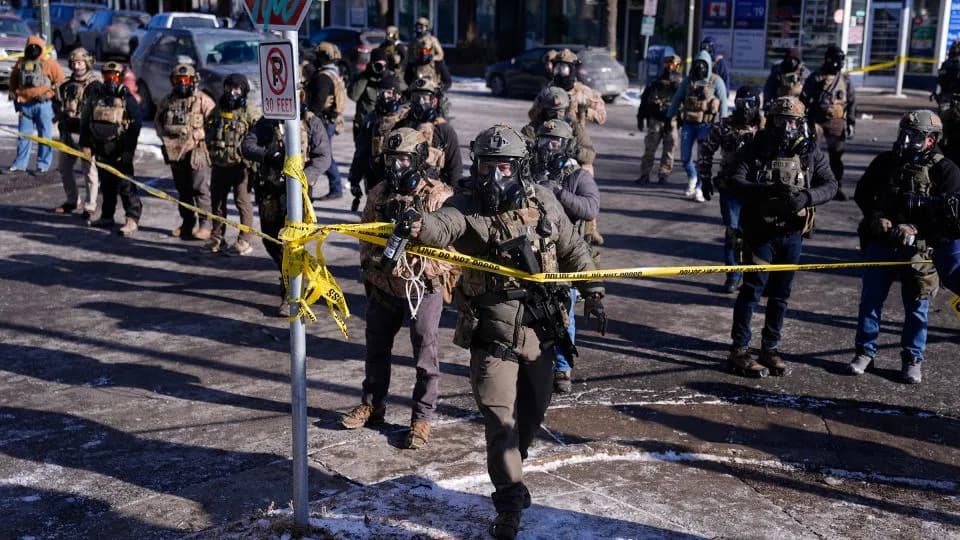
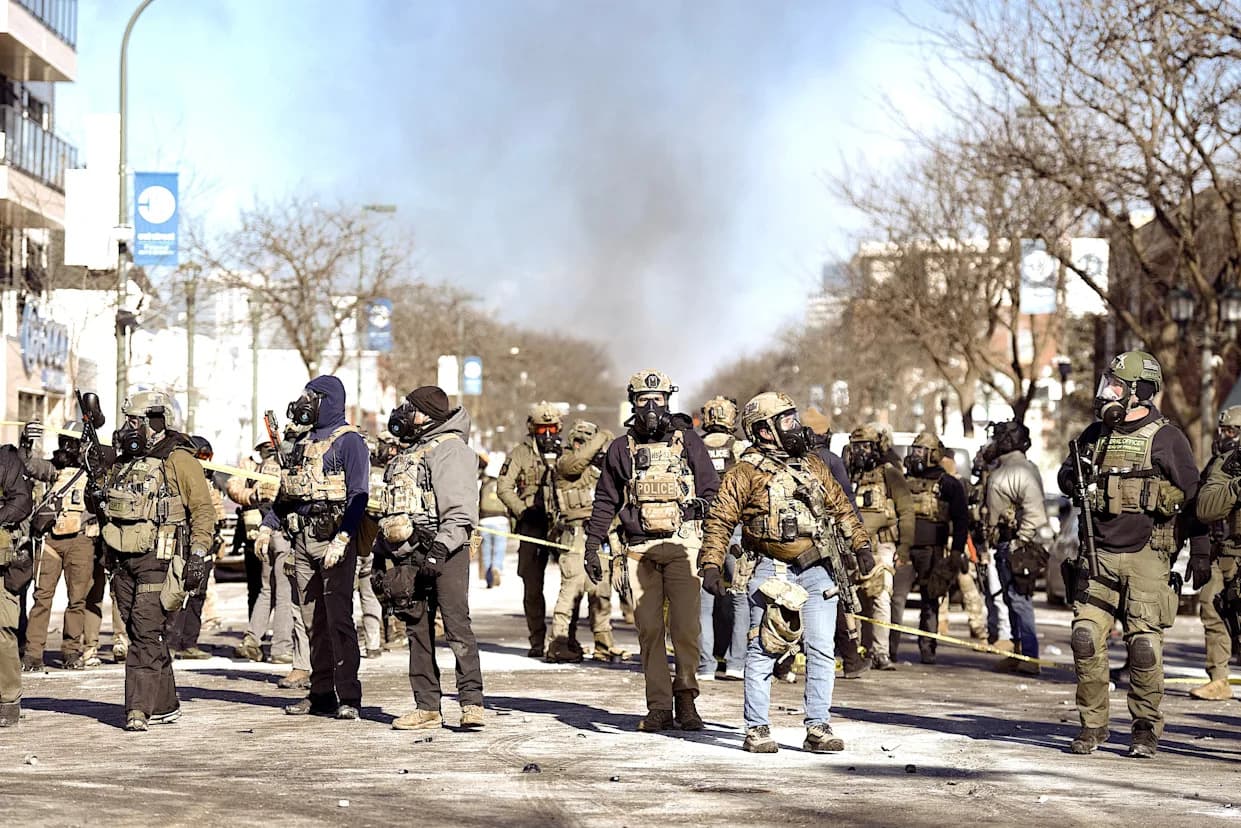
When I covered police use-of-force regularly for this paper, I encountered two kinds of officers: those who deliberately de-escalate tense encounters and those who escalate them. Today, a combination of weak hiring standards, deliberate federal policy decisions, inadequate training, and limited accountability appears to be pushing ICE and other federal forces toward the latter approach — a shift that threatens public safety and civil liberties nationwide.
I speak from personal experience. In one incident, while committing a minor, nonthreatening jaywalking offense, an officer shouted in my face in a manner that seemed intended to provoke a response and justify force. That kind of behavior is not an isolated tactic; it reflects a mindset that privileges intimidation over calm, disciplined tactics.
Escalation Is Often a Choice
Debates over police shootings usually focus on whether a specific use of force is legally justified — a frame that often favors officers under existing rules. But defenders rarely examine the discretionary choices that led to violent confrontations in the first place. Officers and agencies tell the public to comply, yet they seldom require officers to follow a de-escalation playbook designed to reduce tensions, calm emotions, and minimize the need for force.
Two Minneapolis Killings
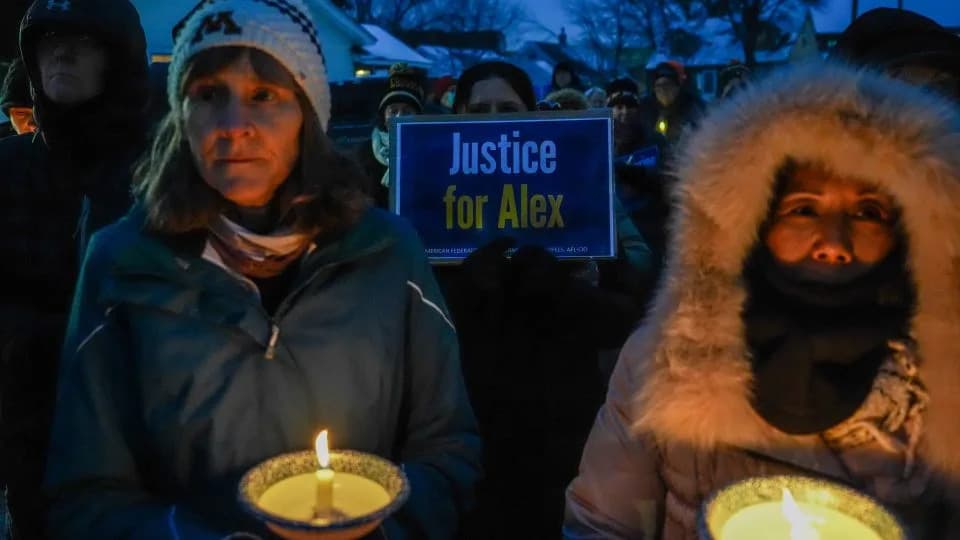
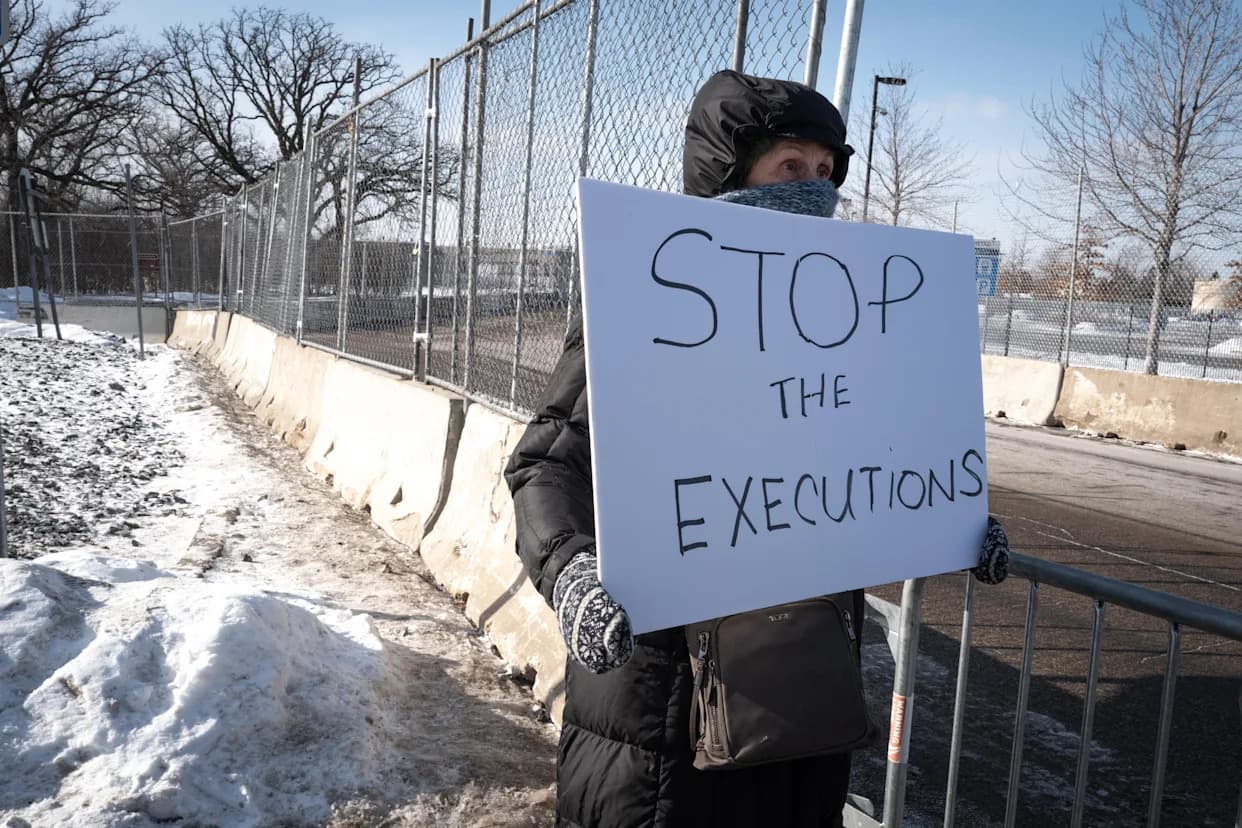
I will not re-litigate every detail of the Minneapolis incidents involving Renee Good and Alex Pretti; video and expert analysis are widely available. I believe both killings were unjustified. Public interpretations of those encounters often break down along partisan lines, which makes clear the need for neutral, thorough investigations rather than partisan posturing.
“The militarization of our police, whereby their outward appearance and display of weapons, uniforms and equipment (and the accompanying preference for force over other options to solve problems) breaks the necessary bonds between the community and its police officers.” — Right On Crime
Policy, Training, and Accountability Matter
Good policing depends on consistent hiring standards, training that emphasizes de-escalation, and robust, independent oversight after force incidents. Agencies that avoid impartial investigations or conduct pro forma reviews risk inflaming public anger. California addressed this by requiring outside investigations where conflicts exist.
Yet the federal response to the Good shooting differed markedly from common practice. The Department of Justice under the Trump administration said it would not review the Good shooting, and a Trump-appointed judge has enjoined the department from destroying evidence in the Pretti case. As journalist Radley Balko observed in The New York Times, the administration "made no...concessions. There were no promises of an impartial investigation. There was no regret or remorse." Those statements can be read as a projection of power that signals some misconduct may go unchecked.
Why Militarized Tactics Backfire
Poorly managed agencies and politicians who emphasize law-and-order rhetoric often exaggerate threats to justify heavy-handed tactics instead of adopting disciplined de-escalation strategies. Even within that context, some facts complicate alarmist narratives: the Cato Institute reports that 2025 was the second-safest year on record for ICE and Border Patrol agents, suggesting that blanket militarization is neither necessary nor clearly correlated with officer safety.
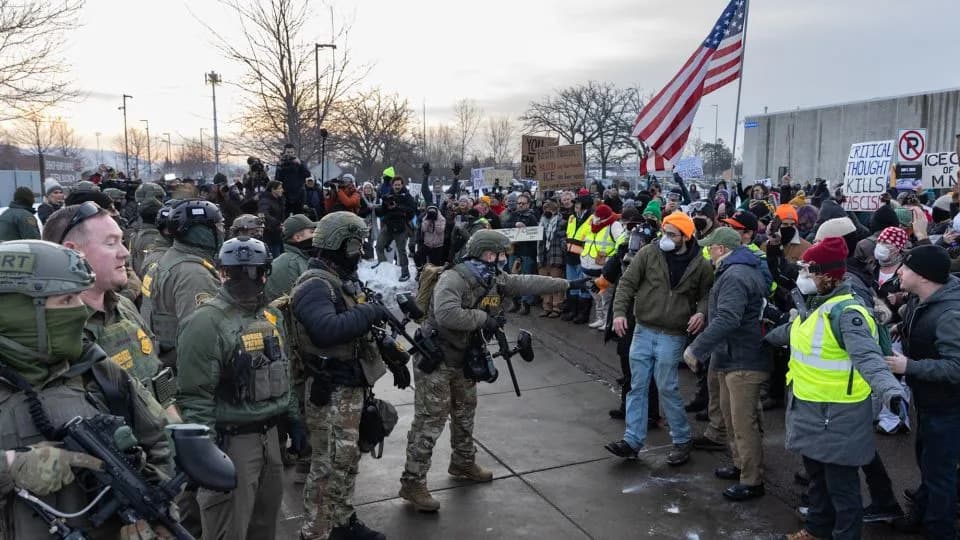
Federal officials are correct that Minneapolis can be a challenging operational environment. That reality strengthens — rather than weakens — the case for disciplined tactics and specialized training that limit violence and build community trust. If the goal is public safety and legitimacy, the answer is not militarized displays and aggressive posturing but clear standards, better training, and transparent accountability.
Conclusion
This combustible situation has been inflamed by design. To move beyond the current chaos, policymakers and police leaders must prioritize de-escalation, disciplined tactics, impartial investigations, and accountability. Otherwise, escalation will continue to erode public trust and endanger both civilians and officers.
This column was first published in The Orange County Register.
Help us improve.