South Korea recorded a modest rise in births: the fertility rate increased from 0.721 in 2023 to 0.748 in 2024, and monthly births have been higher year-on-year for 17 consecutive months. Experts point to post-Covid catch-up marriages, a larger cohort of women in their 30s and government incentives as likely contributors. However, high childcare costs, competitive private education, entrenched gender norms and limits on reproductive services for single women suggest the upswing may be temporary without deeper reforms.
South Korea’s Baby Bump: A Small Rise in Births — But Can It Last?
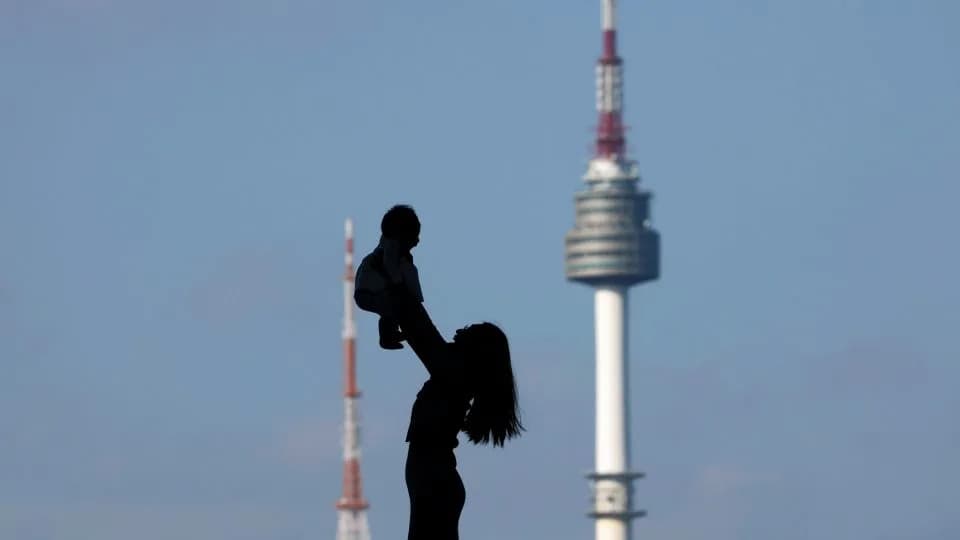
A woman holding up her baby is silhouetted against the backdrop of N Seoul Tower, commonly known as Namsan Tower, in Seoul, South Korea, on October 2, 2018. - Kim Hong-Ji/Reuters
In a bustling Seoul convention center in January, eager couples tried on baby carriers, tested strollers and inspected the latest car-seat safety features — a scene that felt at odds with years of dire headlines about South Korea's plunging birth rate and a widening demographic crisis across East Asia.
A Surprising Uptick
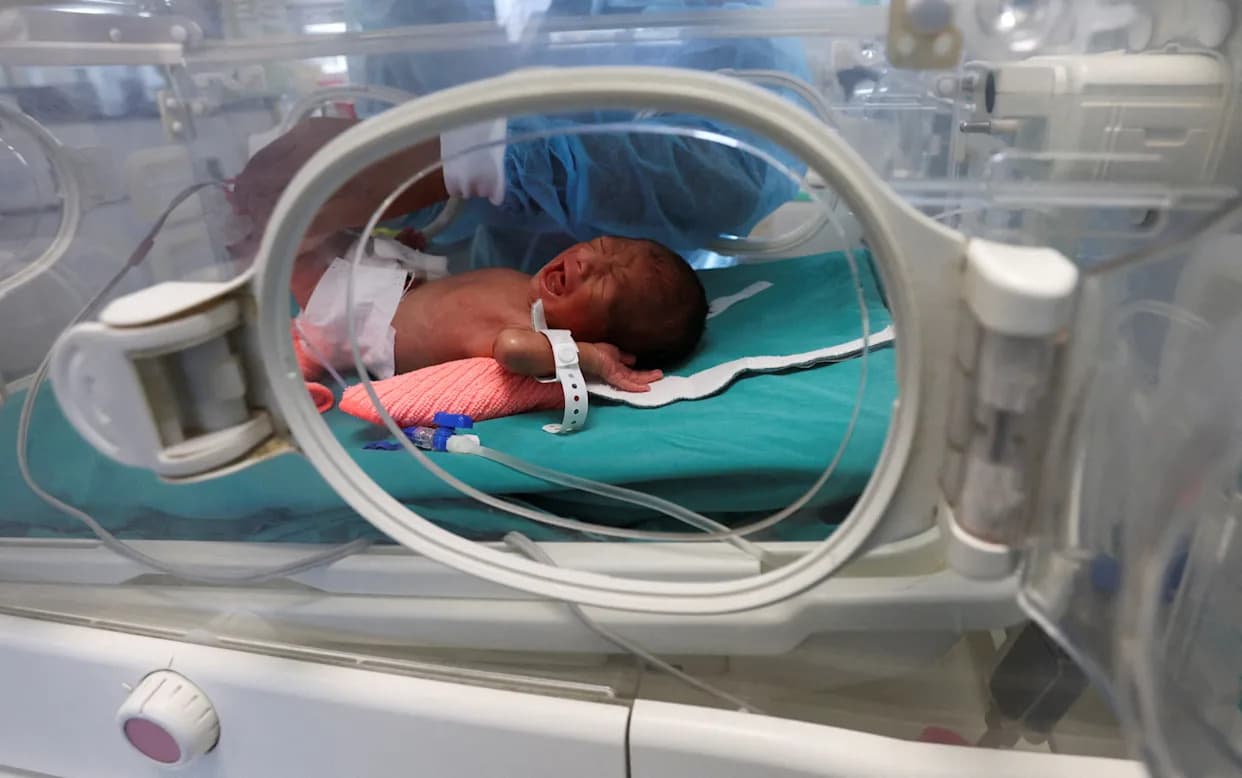
Against expectations, South Korea has seen a modest rise in births. After falling for years, the national fertility rate nudged up from 0.721 in 2023 to 0.748 in 2024, and monthly births have risen year-on-year for 17 consecutive months through January. While small, this sustained monthly increase has prompted fresh debate about whether the country has turned a corner.
Why Births May Be Rising
Experts and parents cite several plausible factors behind the rebound:
- Post-Covid Catch-Up: Many couples postponed marriage and childbearing during the pandemic and may now be moving ahead with delayed plans.
- Demographic Momentum: A relatively large cohort of women born to the Baby Boomer generation are now in their early to mid-30s — prime childbearing ages.
- Policy Push: Years of government measures — housing and childcare subsidies, cash handouts, extended parental leave, social campaigns, matchmaking events and corporate work-life initiatives — may be easing some obstacles.
- Higher-Order Births: Anecdotal reports suggest more women are having second or third children once they’ve had one, rather than a surge in first-time mothers.
'After I became pregnant, I quit my job,' said 31-year-old Yun So-yeon, who is due in March. 'There wasn’t enough support at my work. When someone gets pregnant, they all end up quitting.'
Why The Bump May Be Temporary
Despite the encouraging numbers, many structural and cultural barriers persist and could limit long-term recovery.
- High Cost Of Raising Children: South Korea ranks among the most expensive countries to raise a child, driven largely by heavy spending on private tuition and after-school programs.
- Workplace Culture And Gender Norms: Grueling work expectations and unequal caregiving responsibilities mean many mothers feel forced out of their jobs.
- Limited Access To Reproductive Services: Single women face restrictions on treatments such as IVF, and many feel policies don’t reach middle- and higher-income families facing steep childcare expenses.
- Social Attitudes: ‘No‑kids’ zones and public impatience with children make parenting in public uncomfortable for many families.
'If these structural issues are the real causes of Korea’s ultra-low fertility, then do these government policies really help? I don’t think so,' said Sojung Lim, Korea Foundation Professor of Korean Studies at SUNY University at Buffalo, cautioning that the gains could be short-lived.
Looking Ahead
Analysts warn the observed rise could fade as the post-Covid marriage catch-up ends and the current cohort of women ages out of peak childbearing years. Governments worldwide are watching South Korea’s experience for lessons about what interventions work — and which deeper social changes may be required to sustain higher birth rates.
Sources: Interviews with parents at a Seoul baby fair, comments from Sojung Lim, and recent national fertility statistics.
Help us improve.