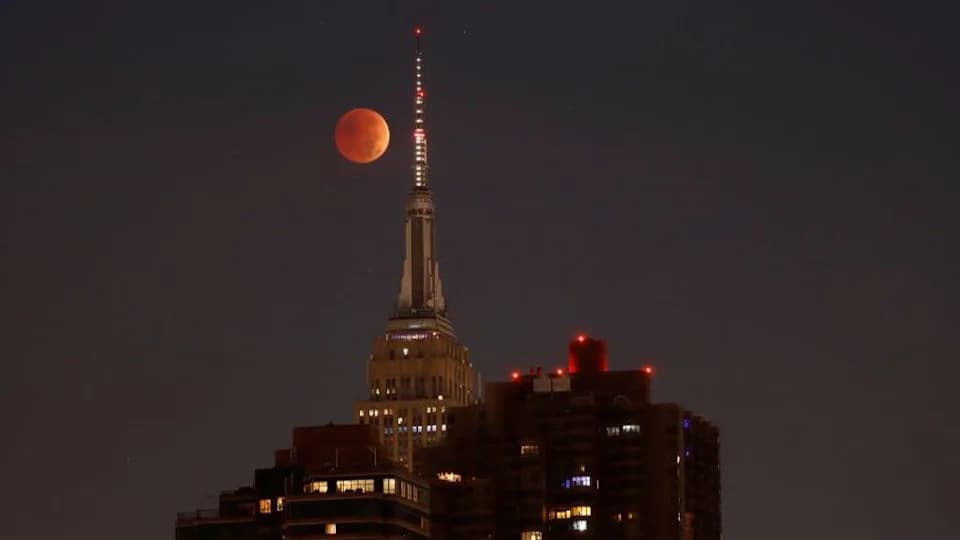
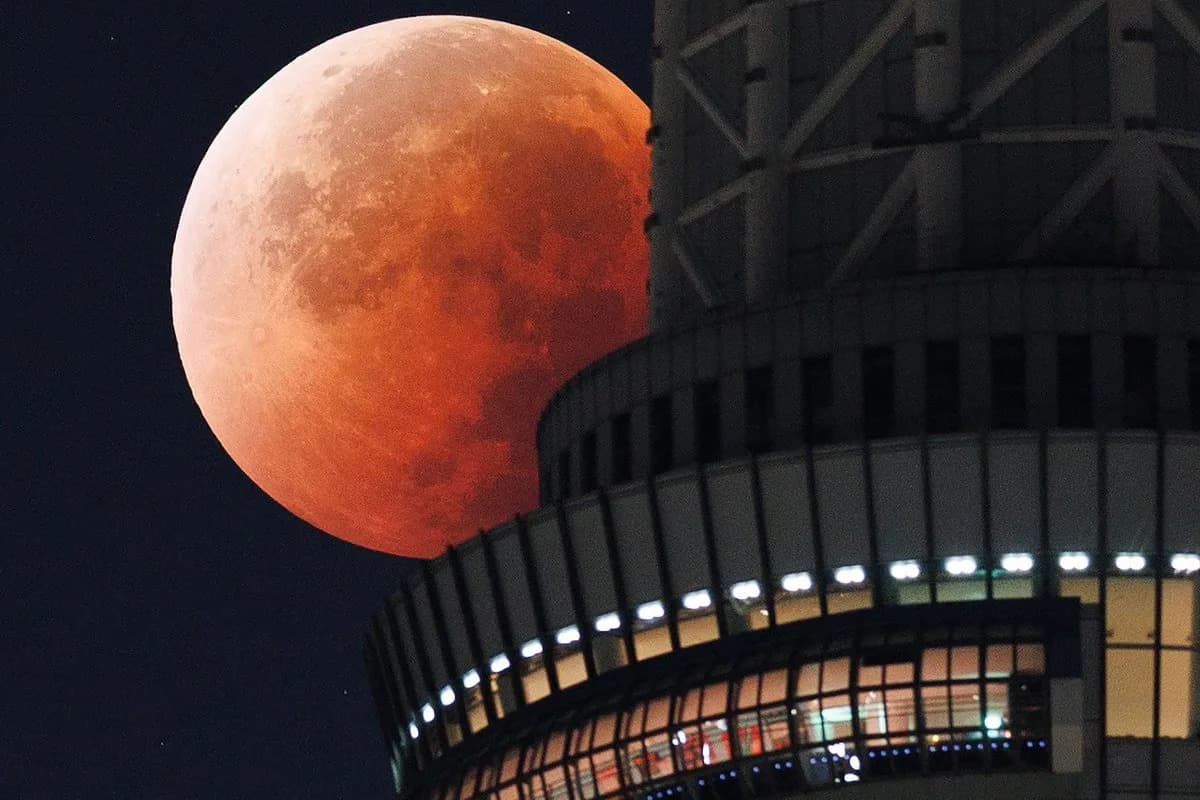
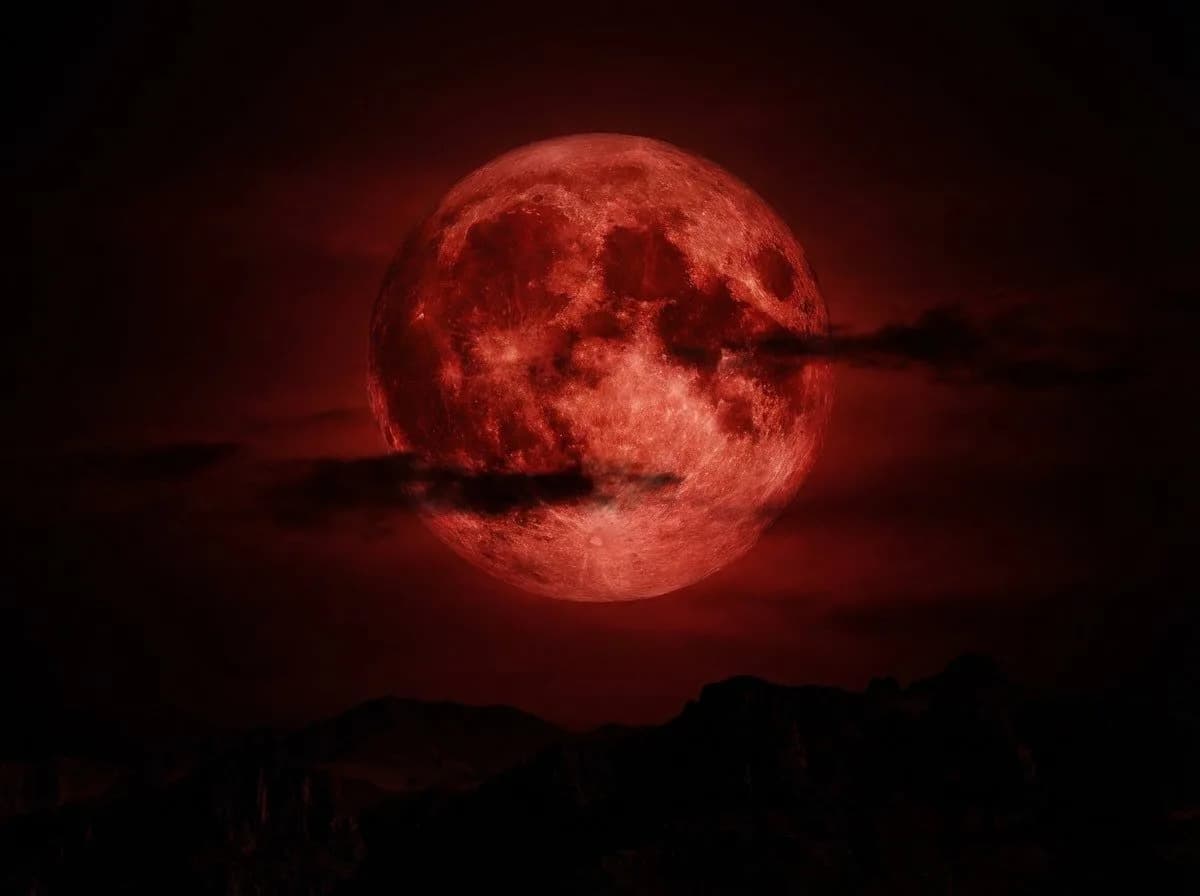
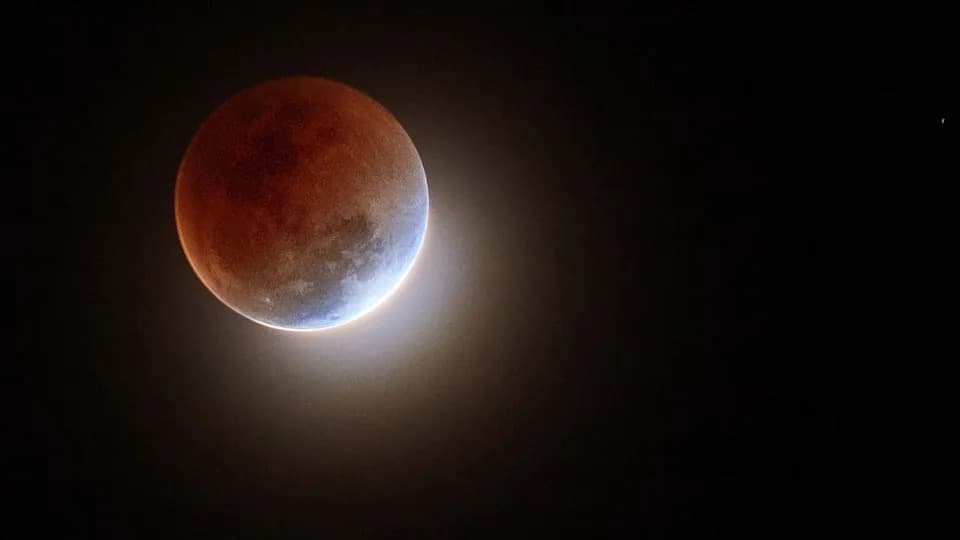
The total lunar eclipse on March 3 — often called a blood moon — will be visible from about one-third of Earth, including North America. Scientifically, the moon turns red because sunlight filtered through Earth’s atmosphere scatters blue light and passes red and orange wavelengths to the lunar surface. Historically, cultures worldwide created striking myths to explain eclipses; for viewing, move away from bright lights and consult timeanddate.com for local timings.
Blood Moon on March 3: Science, Myths, and How to Watch
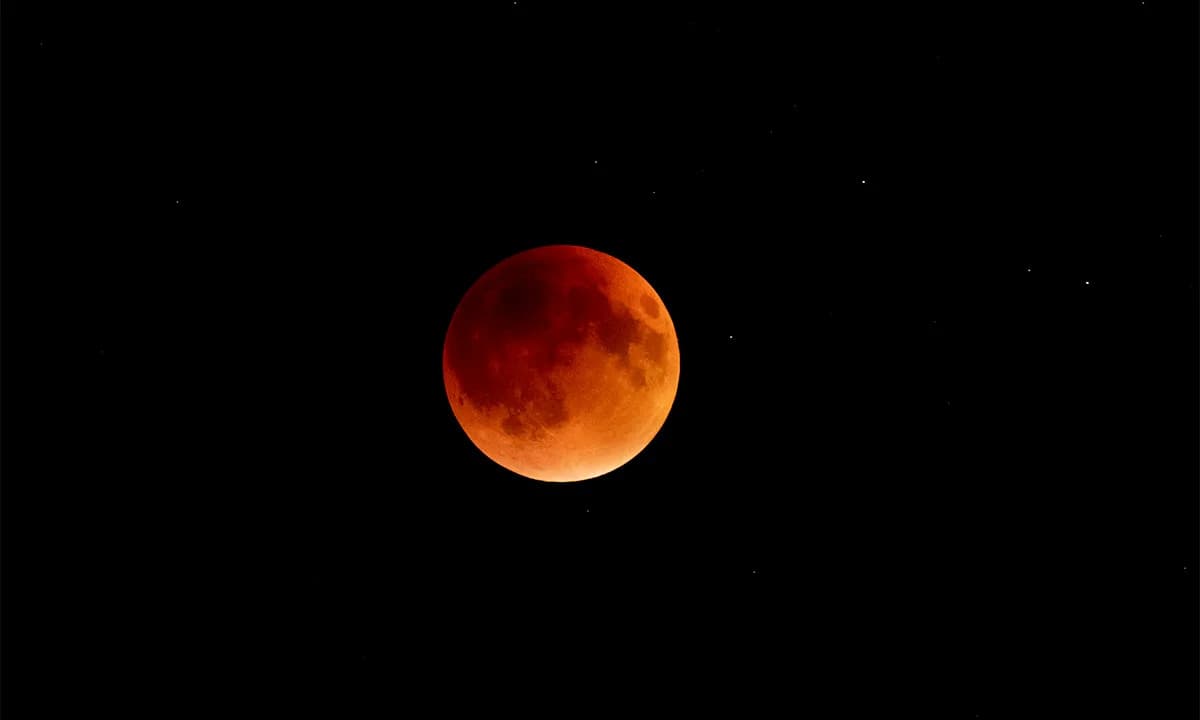
Lead image: Yathumon M A / Wikimedia Commons(Total lunar eclipse on 7th September, 2025, from Kannur, India. Credit: Yathumon M A / Wikimedia Commons.)
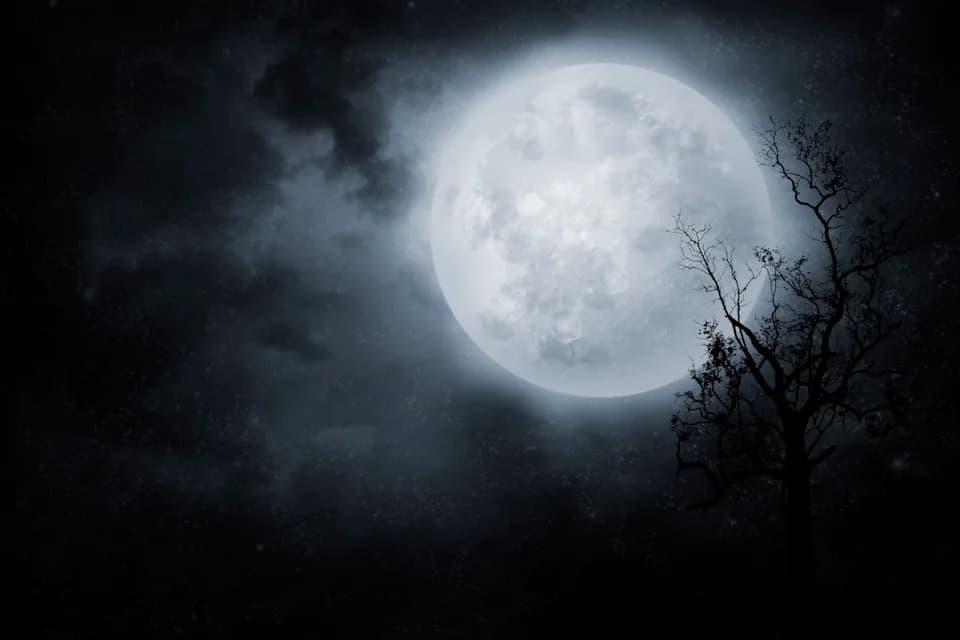
On March 3, a so-called blood moon — the copper-colored face of a total lunar eclipse — will be visible to roughly one-third of the planet, including observers across North America. From any given location, a total lunar eclipse is typically visible about once every 2.5 years.
Why the Moon Turns Red
A total lunar eclipse occurs when Earth passes directly between the sun and the moon, casting the lunar surface into Earth’s darkest shadow, the umbra. Most direct sunlight is blocked, but some sunlight is refracted and filtered through Earth’s atmosphere and then reaches the moon. Shorter wavelengths such as blue and violet are scattered out, while longer red and orange wavelengths pass through and illuminate the lunar surface — the same effect that paints our sunrises and sunsets.
It’s as if all of the world’s sunrises and sunsets are projected onto the moon — NASA
The exact shade of red depends on the state of Earth’s atmosphere at the time. Pollution, smoke from wildfires and ash from volcanic eruptions can deepen or shift the color toward darker reds or browns.
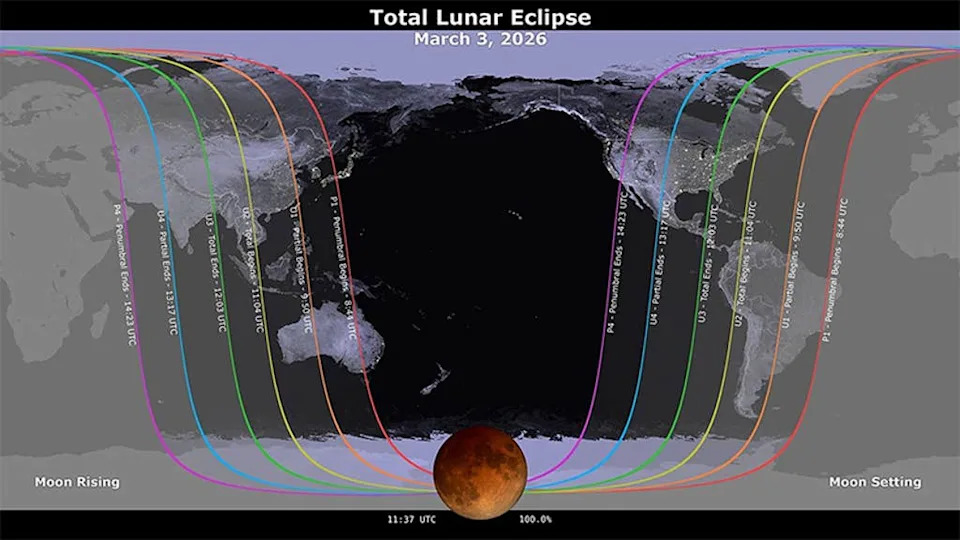
BLOOD MOON INCOMING:A map of the spots where the lunar eclipse will be visible on March 3.Image by NASA.
Myths and Cultural Responses
Long before the physics were known, cultures around the world offered vivid explanations for the moon’s sudden redness. In ancient Mesopotamia, eclipses were seen as threats to the king; people sometimes substituted a stand-in to protect the ruler during the event. The Inca interpreted a total lunar eclipse as a jaguar having swallowed the moon, and communities howled and shook spears to scare the beast away.
Hindu folklore tells of the demon Rahu, whose severed head chases and occasionally swallows the sun or moon, producing an eclipse. China and Korea preserved tales in which dogs were blamed for devouring the moon. Christian interpretations have varied: chroniclers during the First Crusade saw eclipses as signs about victory and defeat, while other scholars cautioned against superstition; in modern times, some groups have read recent sequences of eclipses as prophetic.
How To Watch
To see the eclipse best, move away from bright artificial lights and give your eyes time to adapt to the dark. A telescope or binoculars will reveal more detail, though the naked eye is sufficient to appreciate the red hue. Check local start and peak times on timeanddate.com so you don’t miss totality.
Note: This event is visible only from certain regions. Confirm whether your location is in the eclipse path before planning to view.
Help us improve.