Governments worldwide are tightening rules to curb children’s access to social media amid concerns about mental health, safety and data privacy. Australia enacted a pioneering nationwide ban for under-16s effective Dec. 10, 2025, with heavy fines for non-compliance, and several European countries and others have proposed similar age limits. The European Parliament issued non-binding recommendations, while tech platforms maintain a 13+ sign-up rule that child welfare groups say is inadequate.
Global Push To Restrict Children’s Social Media Access — Australia Leads With Under‑16 Ban
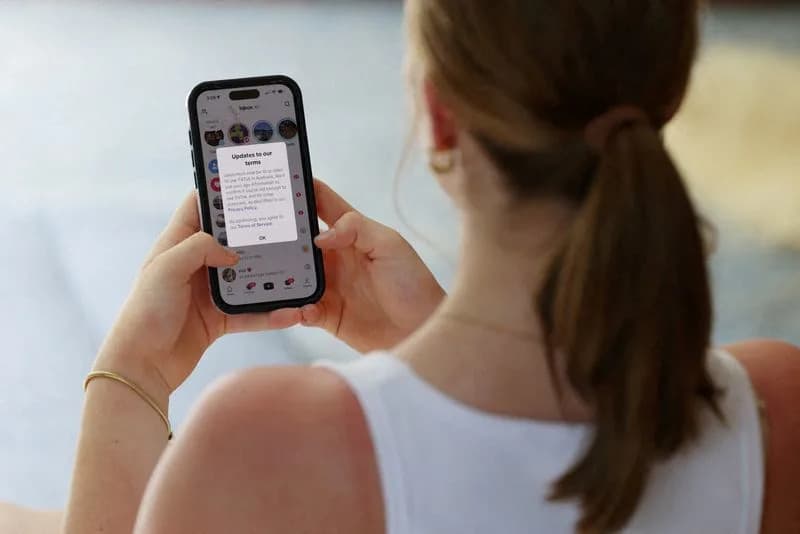
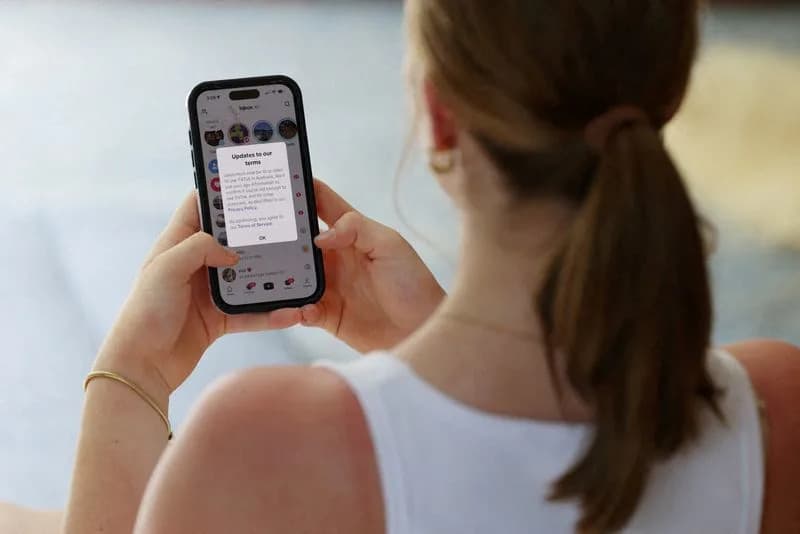
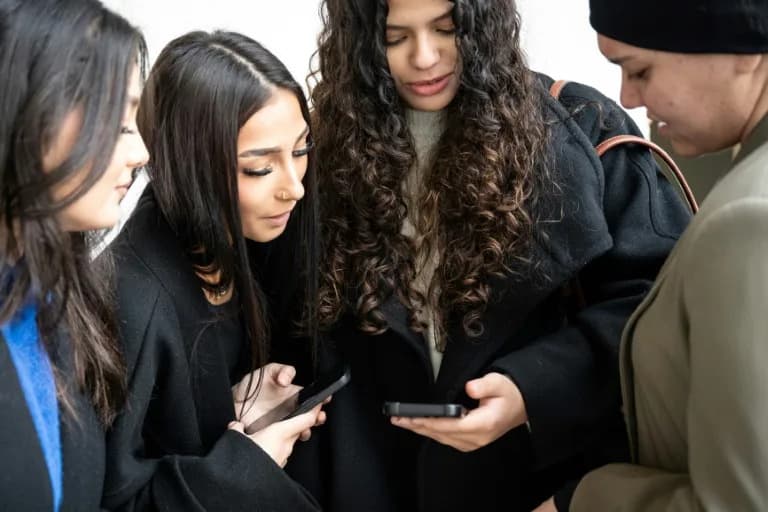
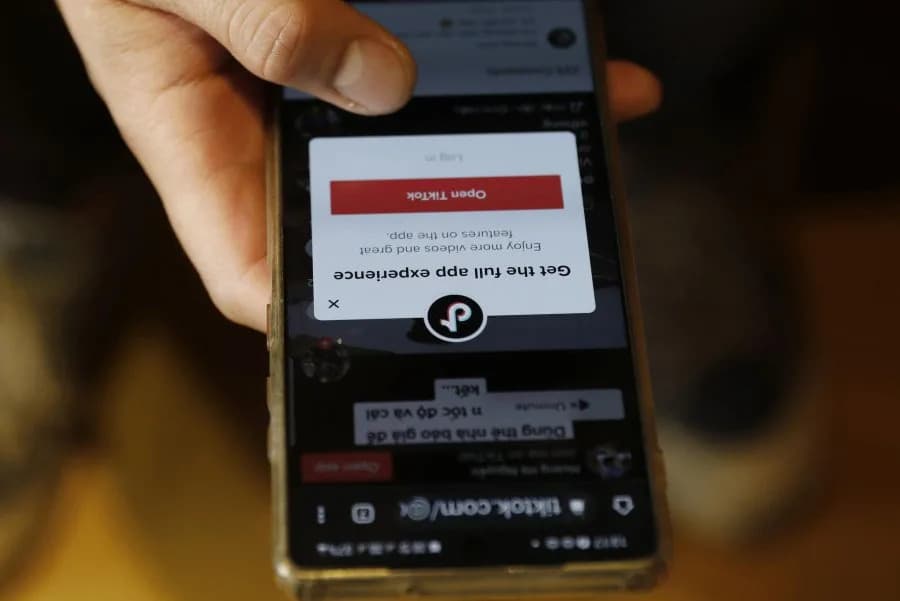
FILE PHOTO: A teenager poses holding a mobile phone displaying a message from TikTok as law banning social media for users under 16 in Australia takes effect, in Sydney, Australia, December 10, 2025. REUTERS/Hollie Adams/File Photo
Feb 6 (Reuters) - Governments worldwide are tightening rules to limit children’s use of social media amid mounting concerns about mental health, online safety and data privacy. Australia led the trend in December by becoming the first country to impose a nationwide ban on major social platforms for users under 16. Several European countries and others have since announced or proposed similar measures.
Where Countries Stand
Australia — A landmark law requires major social media companies to block users under 16 from accessing platforms from Dec. 10, 2025. Companies that fail to comply face fines up to A$49.5 million (about US$34.4 million).
Britain — Prime Minister Keir Starmer said the government is considering an Australia-style ban to better protect children online. Officials have not specified an age threshold, but are reviewing whether the current digital age of consent is set too low.
China — The Cyberspace Administration has implemented a so-called “minor mode” that enforces device-level and app-specific restrictions, limiting screen time according to a child's age.
Denmark — In November, Denmark announced plans to ban social media for those under 15, while allowing parents to grant access for children aged 13 and 14.
France — The National Assembly approved legislation in January to prohibit children under 15 from using social media amid concerns about online bullying and mental health. The bill still needs to clear the Senate and return for a final lower-house vote.
Germany — Minors aged 13 to 16 may use social media only with parental consent. Child protection groups say current safeguards are insufficient.
Greece — A senior government source told Reuters on Feb. 3 that Greece is “very close” to announcing a ban on social media for children under 15.
India — In January the chief economic adviser called for age restrictions on social media platforms, describing some industry tactics as “predatory.” The comment followed the Indian state of Goa saying it was weighing rules similar to Australia’s.
Italy — Italian law requires parental consent for children under 14 to register for social media; users aged 14 and older can sign up without parental permission.
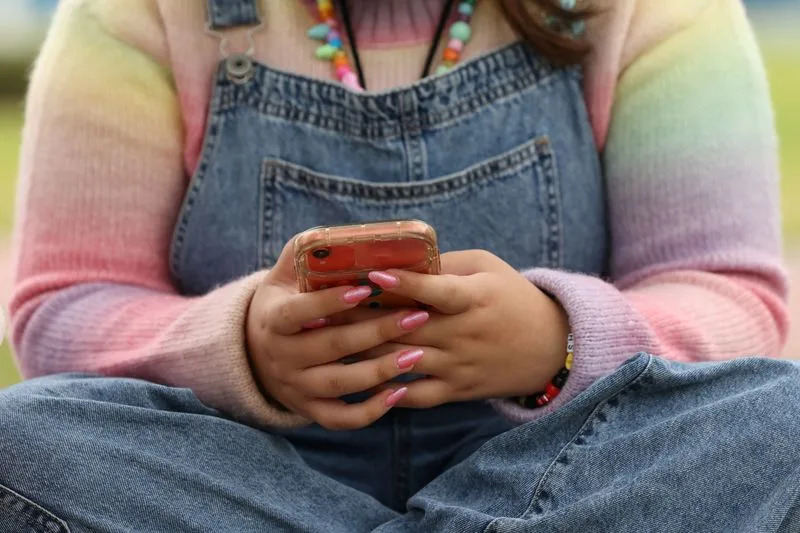
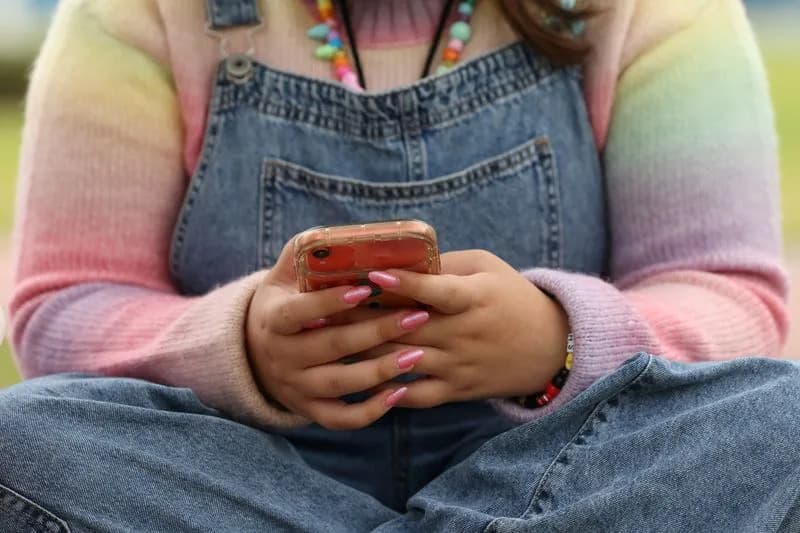
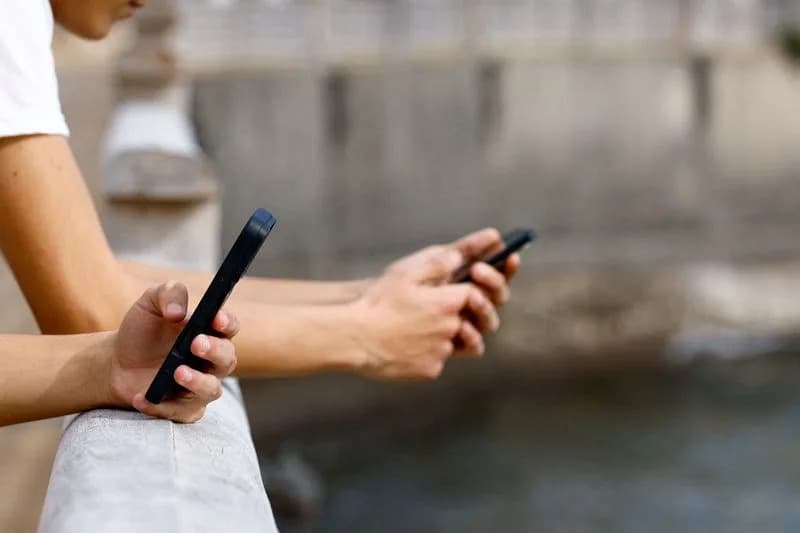
A girl uses her mobile phone in Sydney, Australia, November 22, 2025. REUTERS/Hollie Adams
Malaysia — Malaysia said in November it will ban social media for users under 16 starting in 2026.
Norway — In October 2024 Norway proposed raising the age at which children can consent to social media terms from 13 to 15, while allowing parents to consent on their behalf. The government is also working on legislation to set an absolute minimum age of 15.
Slovenia — Deputy Prime Minister Matej Arcon said on Feb. 6 that Slovenia is drafting a law to bar children under 15 from accessing social media.
Spain — Prime Minister Pedro Sanchez announced in early February that Spain will ban access to social media for under-16s and require platforms to implement age-verification systems. It remains unclear whether the measure must pass the fragmented lower house before enactment.
The U.S. — The Children’s Online Privacy Protection Act (COPPA) limits companies from collecting personal data from children under 13 without parental consent. Several U.S. states have passed laws requiring parental consent for social media use by minors; some of these laws have faced legal challenges on free-speech grounds.
EU Position And Industry Response
European Parliament — In November, lawmakers adopted a non-binding resolution calling for stricter age limits on social media, including proposals for a minimum age in the mid-teens for certain services and harmonised age rules across the bloc for video-sharing platforms and some AI services.
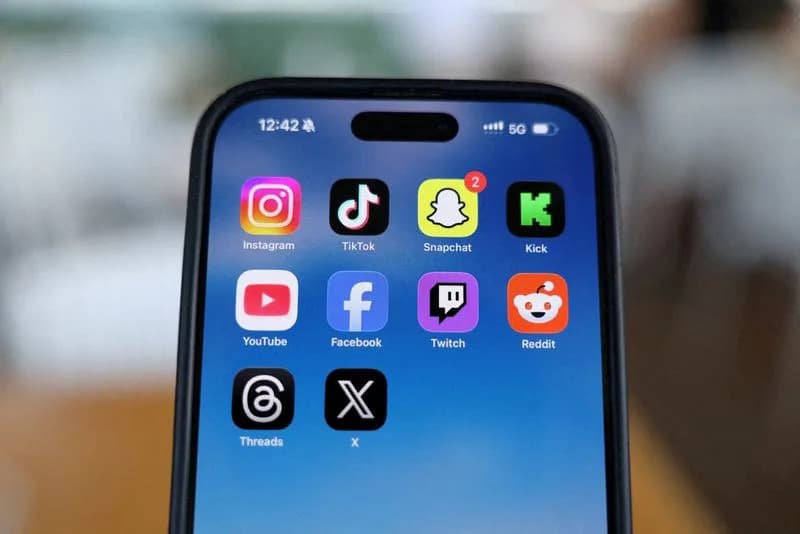
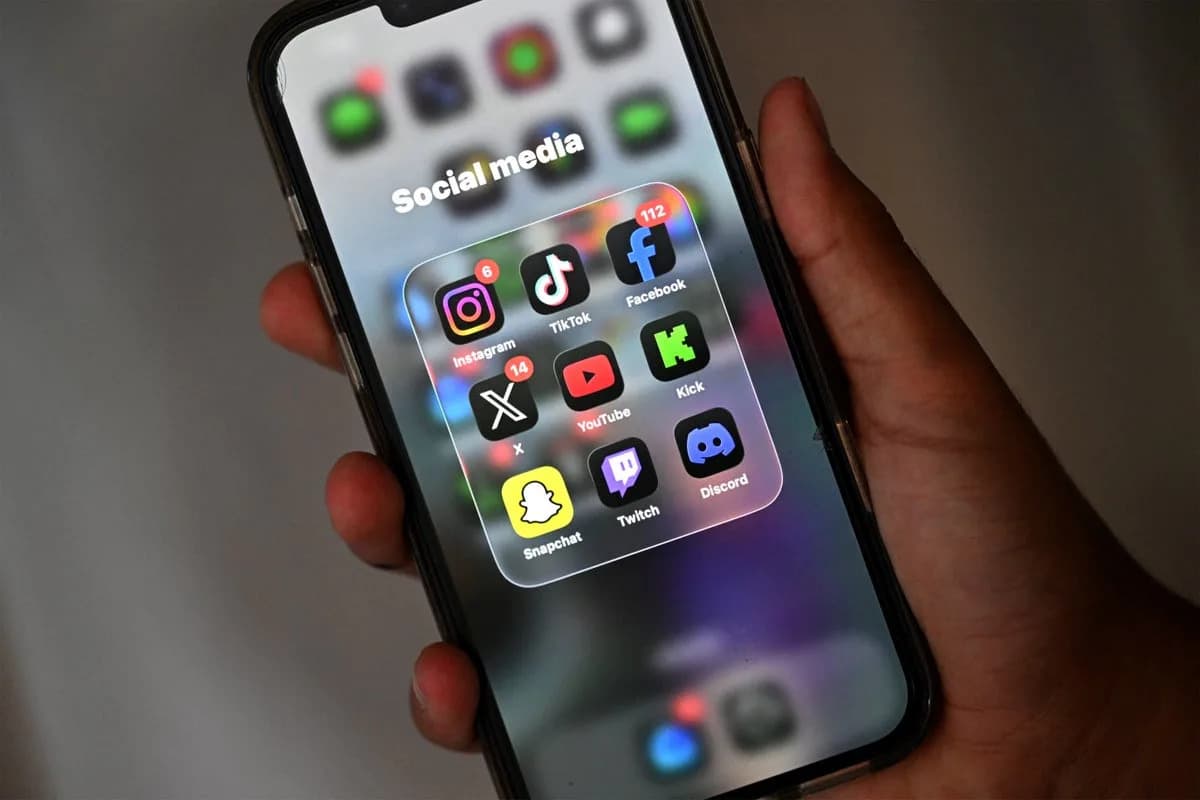
Tech Industry — Major platforms such as TikTok, YouTube (Alphabet), Facebook and Snapchat set a minimum sign-up age of 13. Child protection advocates, however, argue these rules are insufficient: official data from several European countries show many children under 13 already have accounts.
What To Watch
Key issues to follow include how platforms implement reliable age-verification, the balance between child safety and privacy or free-speech concerns, the effectiveness of parental consent systems, and legal challenges to new rules—especially in federated systems such as the U.S. and the EU.
($1 = 1.4374 Australian dollars)
(Compiled by Christine Chen in Sydney, Hugo Lhomedet and Paolo Laudani in Gdansk; Editing by Milla Nissi-Prussak and Bernadette Baum)
Help us improve.