Three Indian states — Andhra Pradesh, Karnataka and Goa — and a coalition ally of the ruling party are advancing proposals to restrict social media access for under-16s, potentially affecting about 12 million children. Officials want platforms to carry out age verification and consider age-appropriate defaults, pointing to recent laws in Australia and consultations in the UK. Support from researchers is tempered by warnings that bans could isolate marginalized teens who rely on online communities for support. The debate focuses on safety, platform responsibility, and practical challenges of enforcement.
India Considers Banning Under-16s From Social Media as States Press Platforms on Age Checks
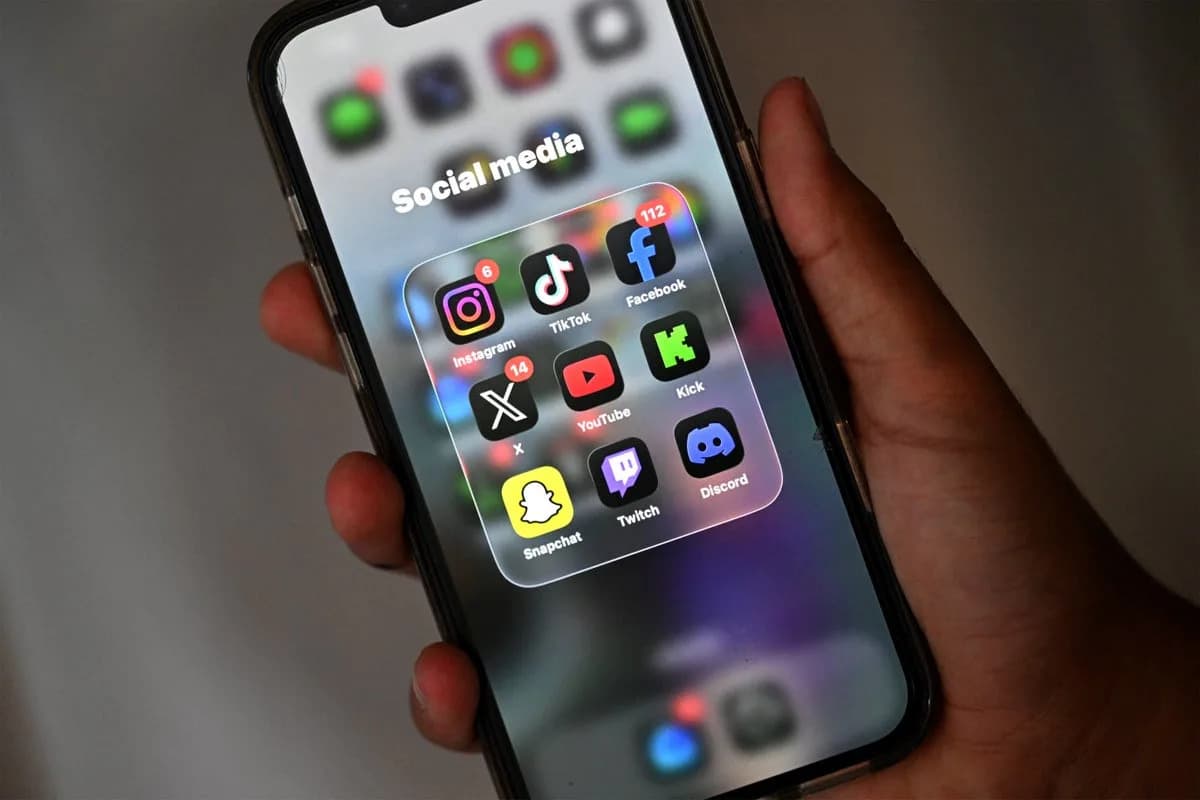
Growing calls for under-16s ban in one of world’s largest markets for social media
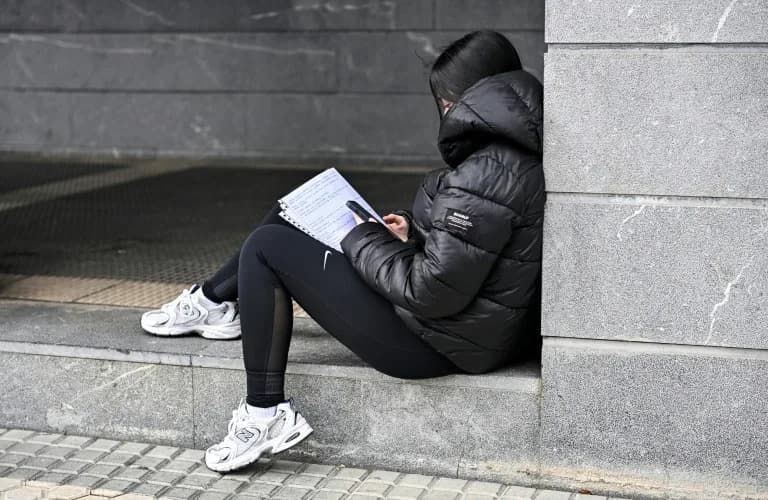
Momentum is building in India for limits on children’s access to social media, with three states and a coalition partner of the ruling party pursuing measures that could affect roughly 12 million minors.
Officials in Andhra Pradesh, Karnataka and Goa are discussing rules to restrict social media use by those under 16. A 15-page bill filed by an ally of Prime Minister Narendra Modi’s party would bar anyone under 16 from creating, maintaining or holding a social media account, and would place the burden of age verification on platforms.
What Officials Are Proposing
Telugu Desam Party lawmaker LSK Devarayalu said:
“We are asking that the entire onus of ensuring users' age be placed on the social media platforms.”Andhra Pradesh — home to an estimated 4.7 million teenagers — is preparing to invite representatives from Meta, X and Google to discuss safer design and age checks. Karnataka and Goa have also said they are studying overseas examples as they weigh their options.
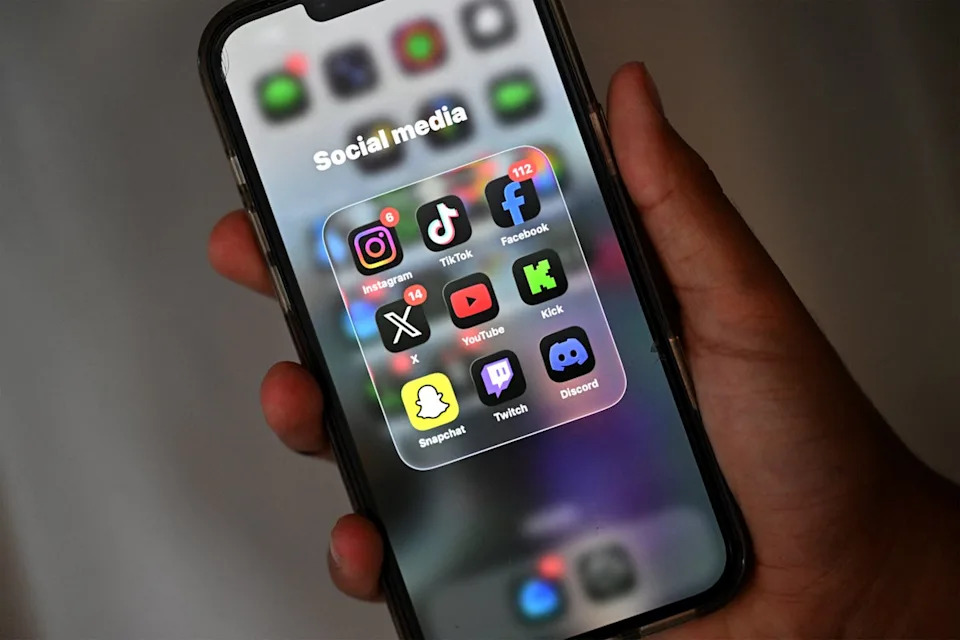
A 13-year-old boy poses at his home as he looks at social media on his mobile phone in Sydney (AFP via Getty Images)
International Context
State leaders point to recent moves abroad. Australia introduced legislation late last year requiring platforms such as Instagram, Facebook and X to take "reasonable steps" to prevent minors from holding accounts, under threat of significant fines. The UK and Finland have also examined age-based restrictions and safeguards for younger users.
National Conversation
At the national level, India’s chief economic adviser Anantha Nageswaran urged families and policymakers to consider screen-time limits, device-free hours and shared offline activities. In the government’s annual economic survey he wrote:
“Policies on age-based access limits may be considered, as younger users are more vulnerable to compulsive use and harmful content. Platforms should be made responsible for enforcing age verification and age-appropriate defaults.”
Support, Concerns And Practical Challenges
Many researchers, psychologists and digital-safety experts have welcomed stricter age checks and limits. But some academics raise concerns about unintended consequences: Monash University law professor Paula Gerber warned that a blanket ban could cut off marginalized young people — including LGBT+ teens — from online communities that provide crucial mental-health support and identity-building spaces.
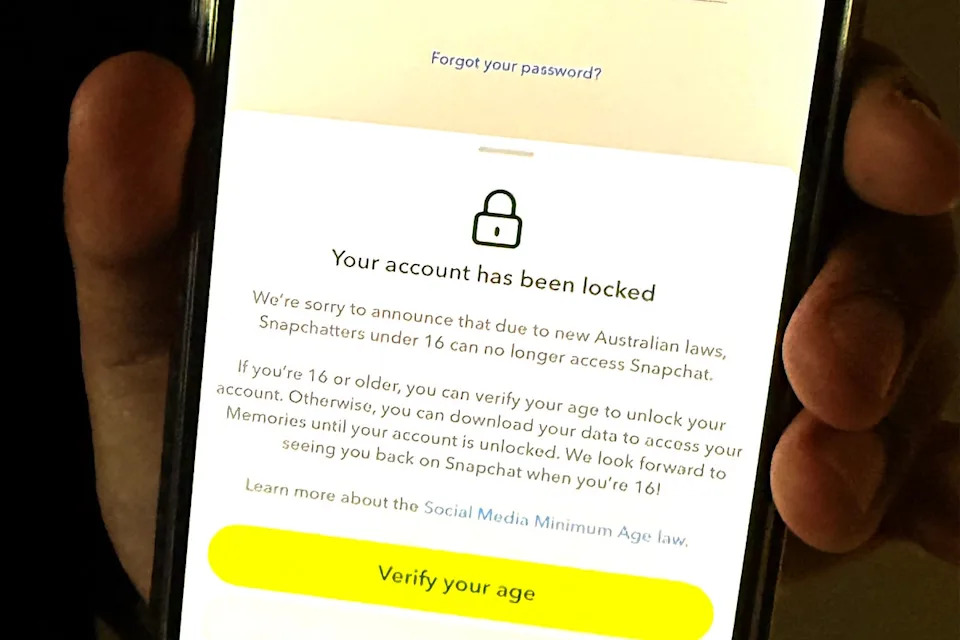
A 13-year-old boy displays a message on his mobile phone from social media platform Snapchat after his account was locked (AFP via Getty Images)
Practical issues remain: India currently does not enforce a single minimum age across platforms, and reliable age verification at scale raises privacy, technical and equity questions.
Scale And Stakes
India is believed to have around a billion internet users and is the world’s second-largest smartphone market. Several major platforms have more users in India than in any other country — estimates cited include roughly 500 million YouTube users, 403 million Facebook users and around 481 million Instagram users.
As state and national actors continue the debate, the outcomes could reshape access, responsibilities for major tech platforms, and the digital lives of millions of young Indians.
Help us improve.