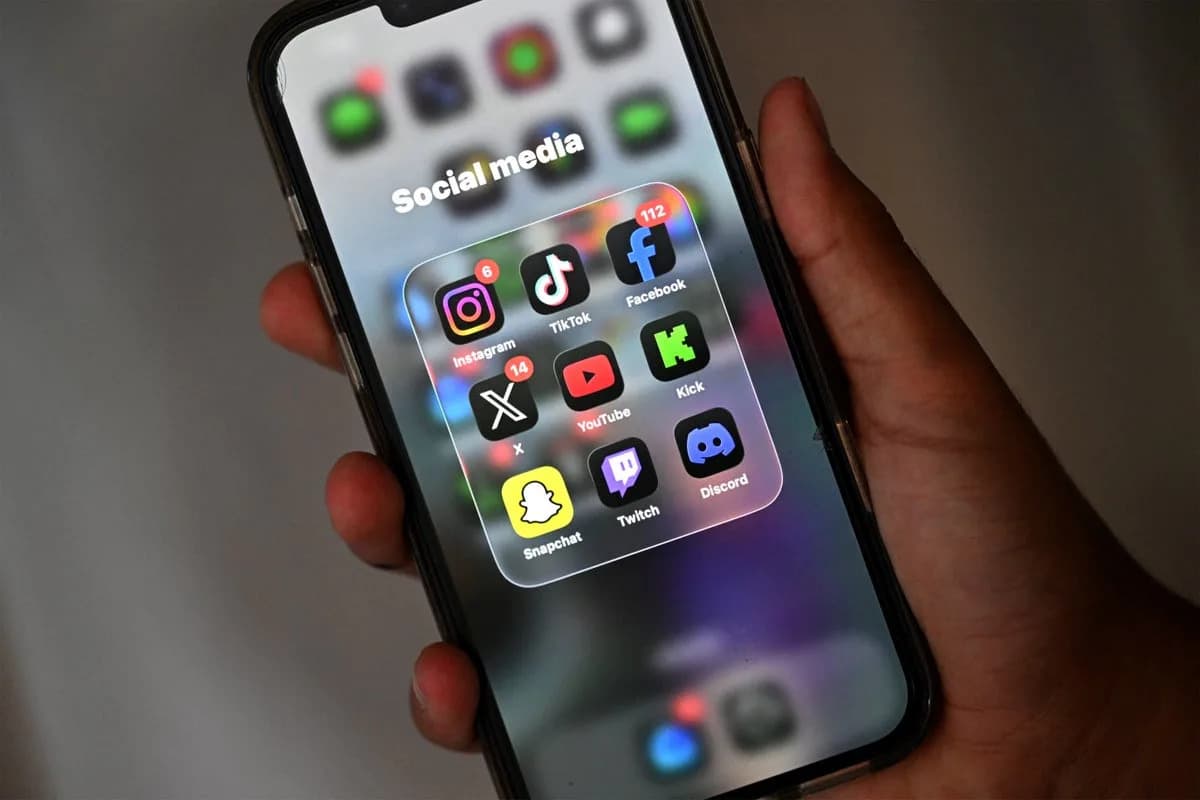
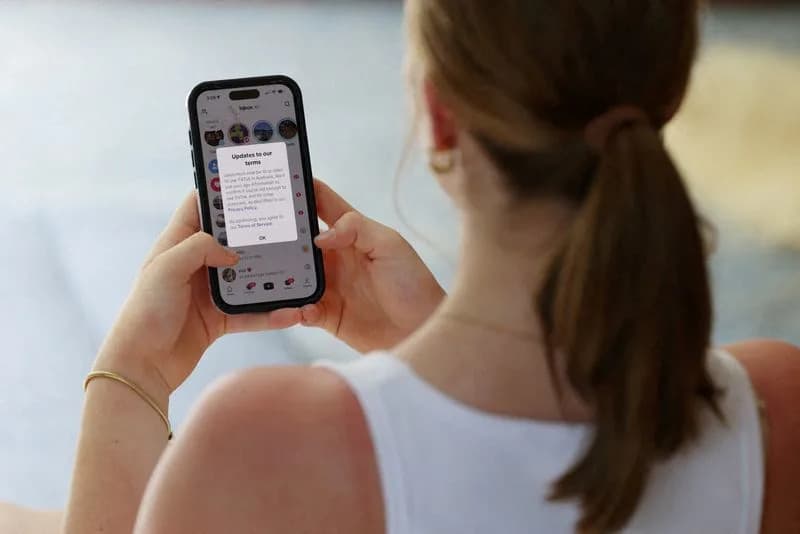
An ally of Prime Minister Narendra Modi has tabled a private member's bill to ban social media accounts for anyone under 16 and to require platforms to verify users' ages. The 15-page proposal argues India supplies massive amounts of data to foreign platforms and seeks to curb youth "digital addiction." The move follows similar measures abroad, including Australia's new under-16 restriction and France's under-15 proposal, and is expected to trigger debate in parliament.
Modi Ally Proposes Ban On Social Media For Under-16s — Bill Would Force Platforms To Verify Age
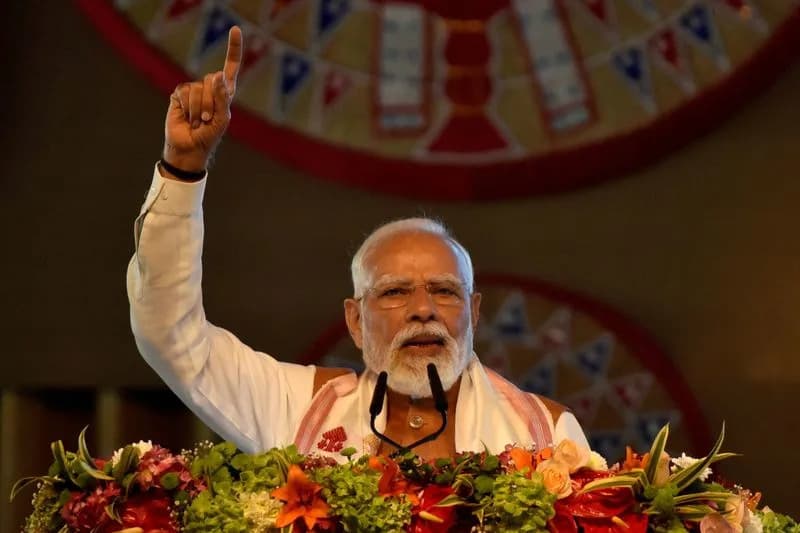
FILE PHOTO: India's Prime Minister Narendra Modi addresses his supporters after he inaugurated a new terminal building of Lokpriya Gopinath Bordoloi International Airport in Guwahati, India, December 20, 2025. REUTERS/Stringer/File Photo
An ally of Prime Minister Narendra Modi has introduced a private member's bill that would bar people under 16 from holding social media accounts, arguing that India supplies vast amounts of user data to foreign platforms. The proposal comes as global debate intensifies over the impact of social media on young people's mental health and safety.
What The Bill Would Do
Lawmaker L.S.K. Devarayalu's 15-page Social Media (Age Restrictions and Online Safety) Bill, seen by Reuters but not yet public, would make it illegal for anyone under 16 to create, maintain or hold a social media account. Platforms found to host accounts that violate the age limit would be required to disable them, and the bill places the onus of age verification entirely on the social media companies.
“Not only are our children becoming addicted to social media, but India is also one of the world's largest producers of data for foreign platforms,” Devarayalu told Reuters. “Based on this data, these companies are creating advanced AI systems, effectively turning Indian users into unpaid data providers, while the strategic and economic benefits are reaped elsewhere.”
Global Context
The proposal follows international moves to limit youth access to social platforms. Australia recently restricted social media use for children under 16, while France's National Assembly backed a measure to bar under-15s. Britain, Denmark and Greece are among other countries reviewing age-based rules. Advocates have welcomed such steps for child safety, while tech firms and free-speech groups have warned about unintended consequences.
Reactions And Practical Questions
Facebook operator Meta, Alphabet (YouTube) and X did not respond to Reuters requests for comment on the Indian bill. Meta has previously said it supports laws that strengthen parental oversight but cautioned that bans could push teens toward less-regulated and potentially less safe sites.
India does not currently set a minimum age for platform access. With about 750 million smartphones and roughly a billion internet users, the country is a crucial growth market for social apps. The IT ministry did not respond to requests for comment.
Political Significance And Next Steps
As a private member's bill — introduced by a lawmaker rather than a federal minister — Devarayalu's proposal does not itself become law but can prompt parliamentary debate and shape future policy. He represents the Telugu Desam Party, a regional ally important to Modi's governing coalition. The government's chief economic adviser recently called for policies on age-based access limits to address what he described as “digital addiction.”
Practical questions remain about how platforms would verify ages at scale, how enforcement would be handled, and whether such limits would drive young users to unregulated alternatives. The bill is likely to spark debate in parliament and among parents, child-safety advocates, tech companies and civil liberties groups.
Help us improve.