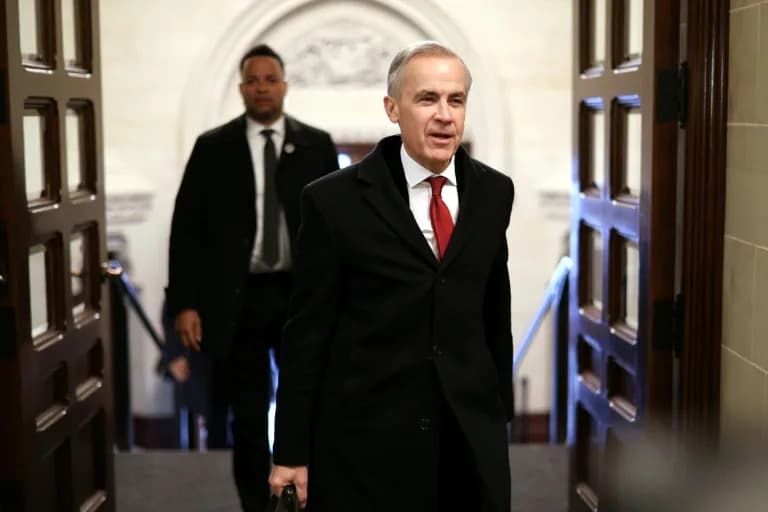
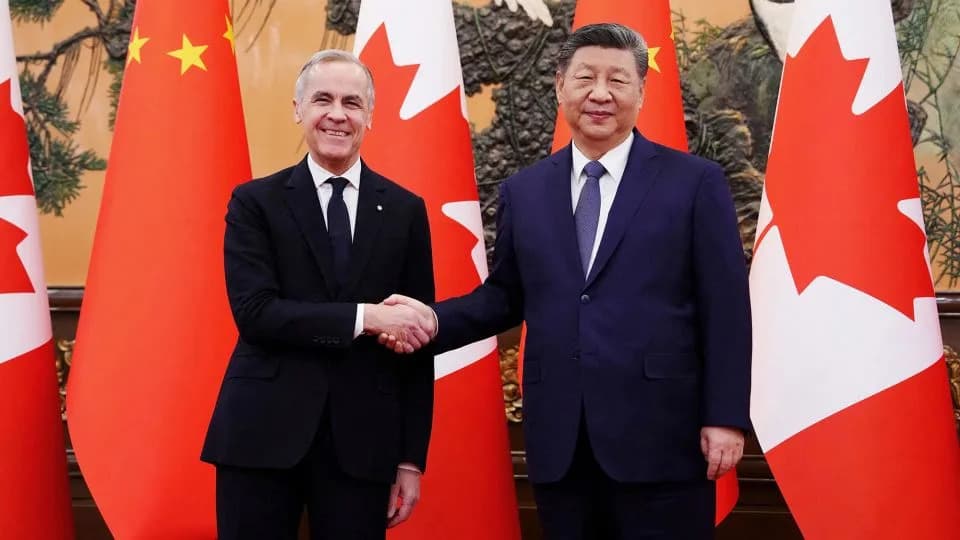
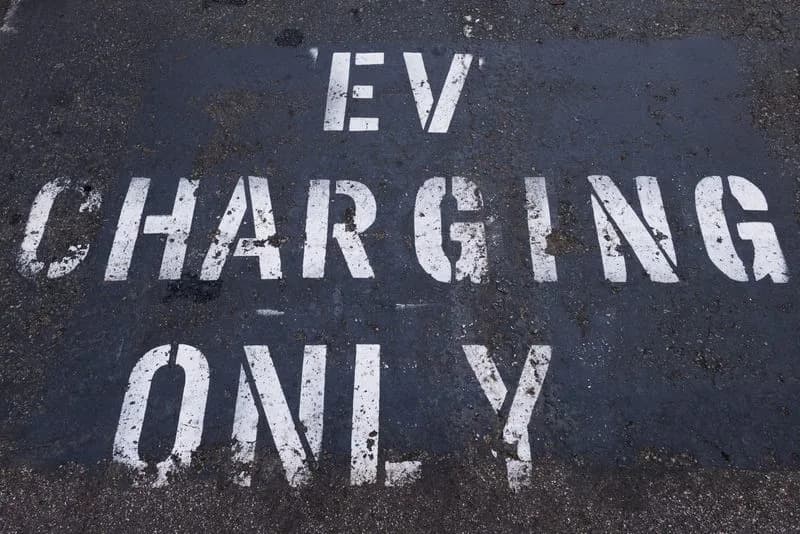
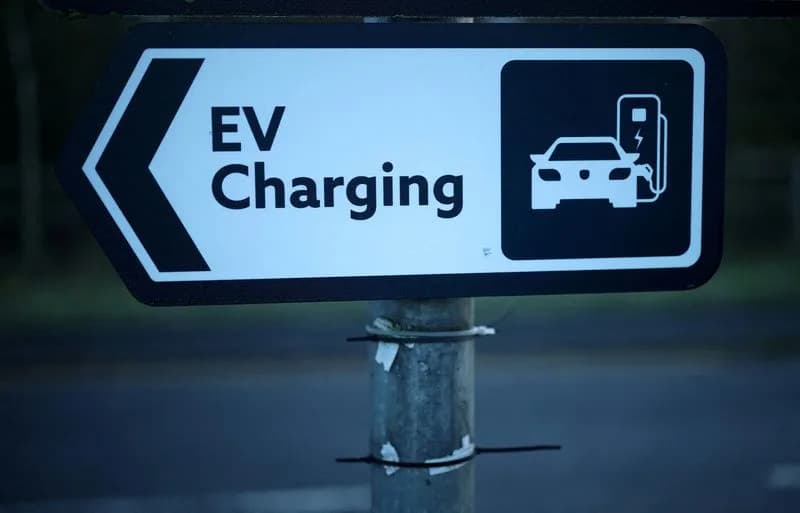
Prime Minister Mark Carney on Thursday announced he was scrapping a mandate that would have required all vehicles sold in Canada to be electric by 2035, while unveiling a CAN$3 billion package to support domestic electric vehicle (EV) production.
What He Announced
Carney said the move shifts policy from rigid sales mandates toward incentives and industry support aimed at strengthening Canada’s auto sector, which he described as vulnerable following recent U.S. tariff measures. His office said the CAN$3 billion (about US$2.2 billion) will help automakers and suppliers adapt, grow and diversify into new markets.
Targets and Rationale
Although he cancelled the all‑EV-by‑2035 rule, Carney set ambitious uptake targets: 75% of new vehicle sales to be electric by 2035 and 90% by 2040. He framed the approach as a practical, results‑oriented transition that protects jobs and supply chains while encouraging EV manufacturing in Canada.
Context and Reaction
The announcement represents a sharp policy shift from Carney’s predecessor, Justin Trudeau, whose government had legislated interim EV targets — including 20% electric sales this year and 60% by 2030 — and had implemented a household carbon tax. Since taking office, Carney has repealed that carbon tax and supported plans for a new oil pipeline from Alberta to the Pacific, moves that have drawn criticism from environmental groups.
Asked whether Canada still leads on climate action, Carney said, "Absolutely," adding that his policies will prioritize "results and solutions."
Carney emphasized the high degree of economic integration with the United States in the auto sector: "The average car is built from parts that travel across our border up to eight times before landing on the showroom floor," he said, warning that a once‑valuable trade relationship has become a vulnerability in light of U.S. tariff shifts.
Implications
Industry analysts say the funding could help Canadian plants retool and attract investment in EVs and batteries, but some automakers and environmental advocates may continue to push for clearer regulation or stronger incentives to speed consumer adoption of EVs. The government’s mix of targets and financial support will be closely watched by manufacturers, labor groups and trading partners.