Maryland Governor Wes Moore must decide whether to sign a bill that would end 287(g) agreements and bar local law enforcement from cooperating with ICE. The measure, approved by both legislative chambers, affects eight jurisdictions that currently coordinate with federal immigration authorities. Moore — often cast as a moderate with possible national ambitions — is balancing progressive pressure to cut ties with ICE against concerns from moderates and strategists about electoral risk.
Wes Moore’s Moment of Truth: Maryland Bill Would Bar Local Cooperation With ICE
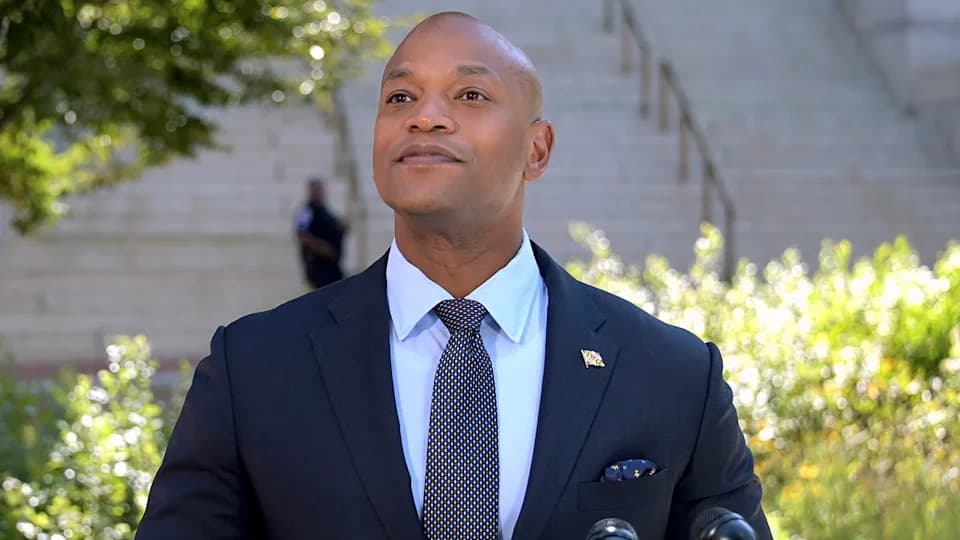
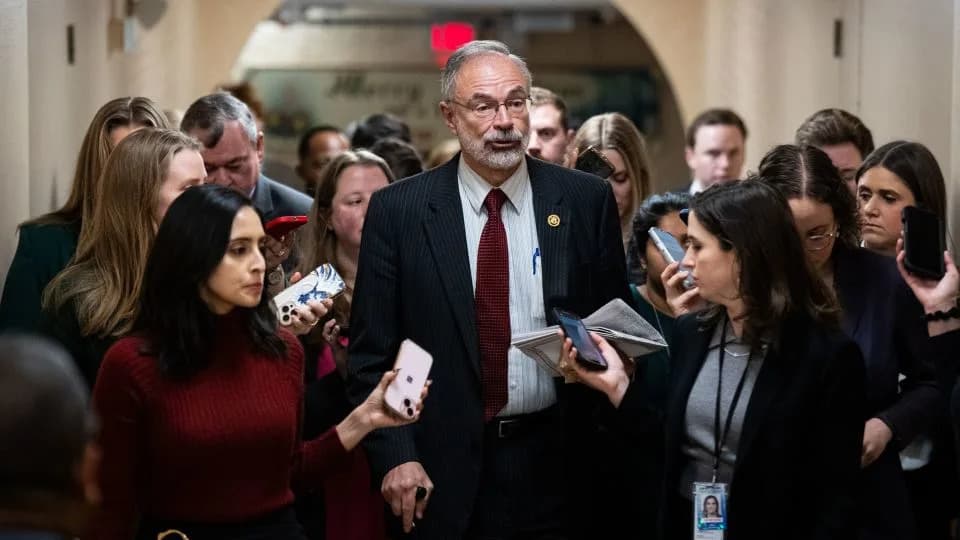
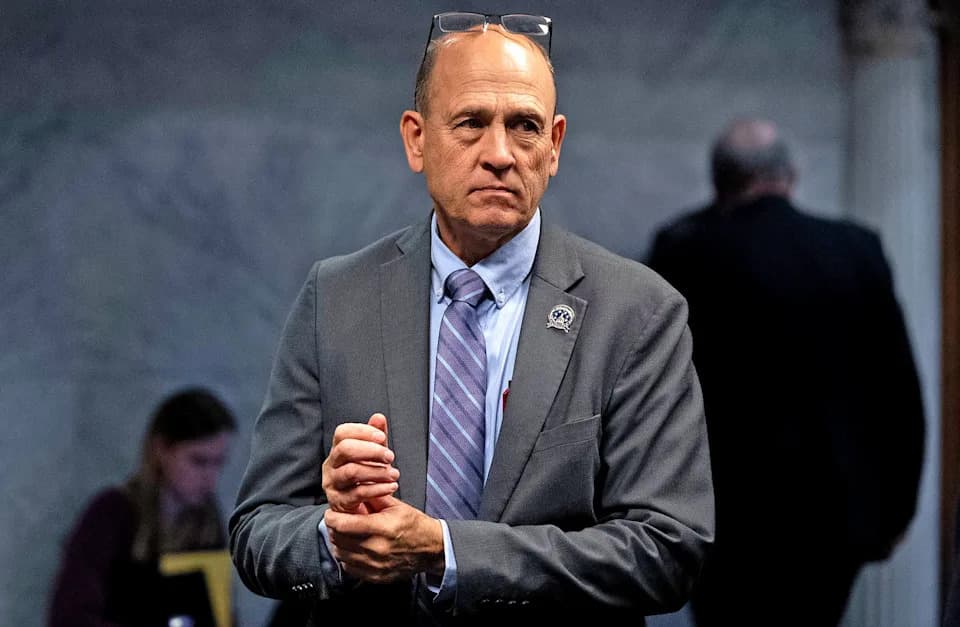
Maryland Gov. Wes Moore will soon have to make a decision on a bill that will prevent multiple Maryland jurisdictions from working with federal immigration authorities.(Getty Images)
Maryland Governor Wes Moore faces a politically charged decision as a bill that would end 287(g) agreements — effectively barring local law enforcement from cooperating with U.S. Immigration and Customs Enforcement (ICE) — heads to his desk.
What The Bill Would Do
Both chambers of the Maryland General Assembly approved legislation this week to terminate 287(g) agreements, the contracts that currently allow eight Maryland jurisdictions to coordinate with federal immigration authorities in detention settings and transfer individuals to ICE, according to Fox 45 Baltimore.
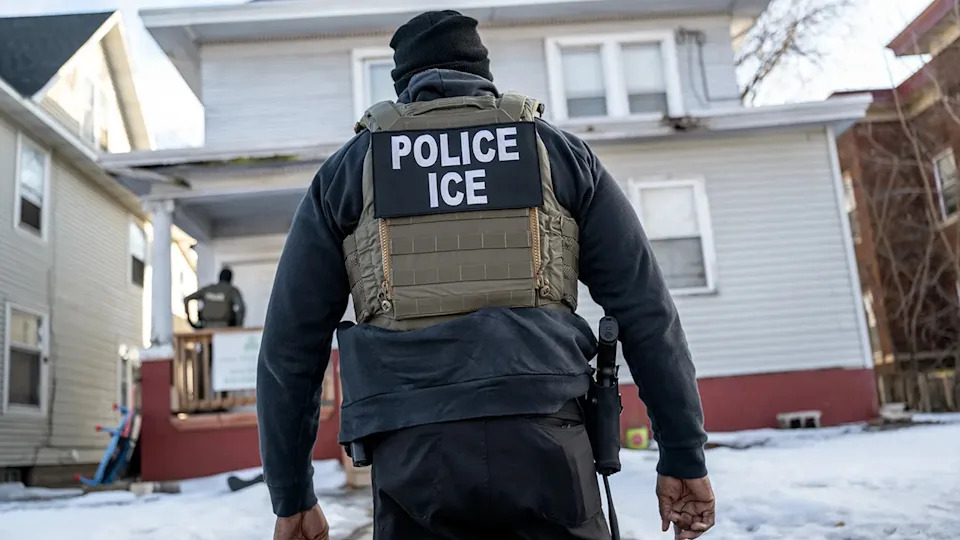
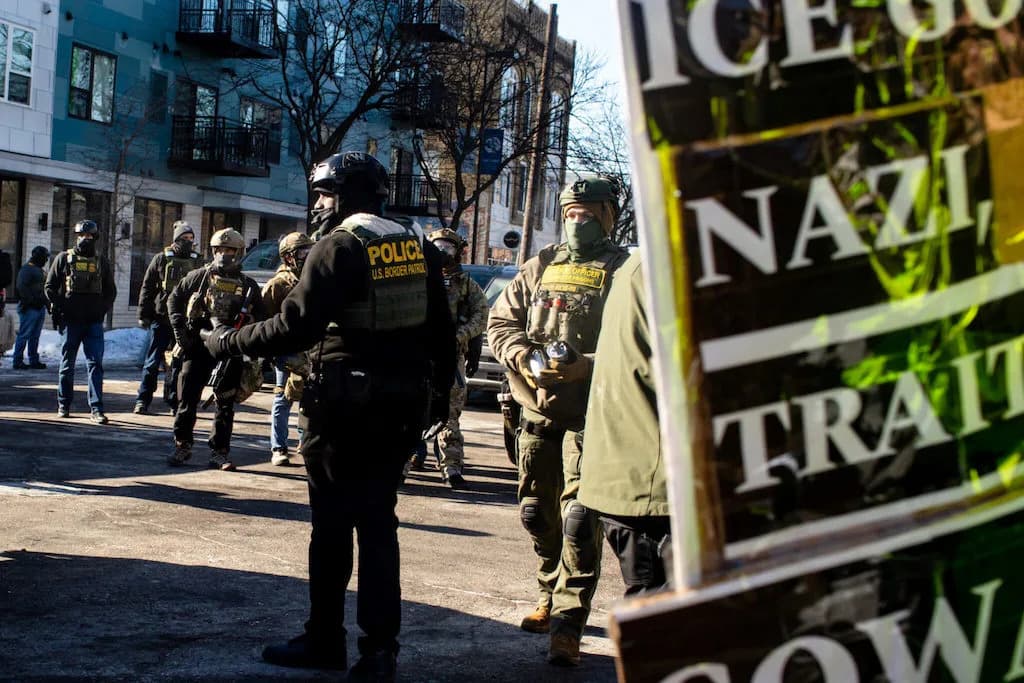
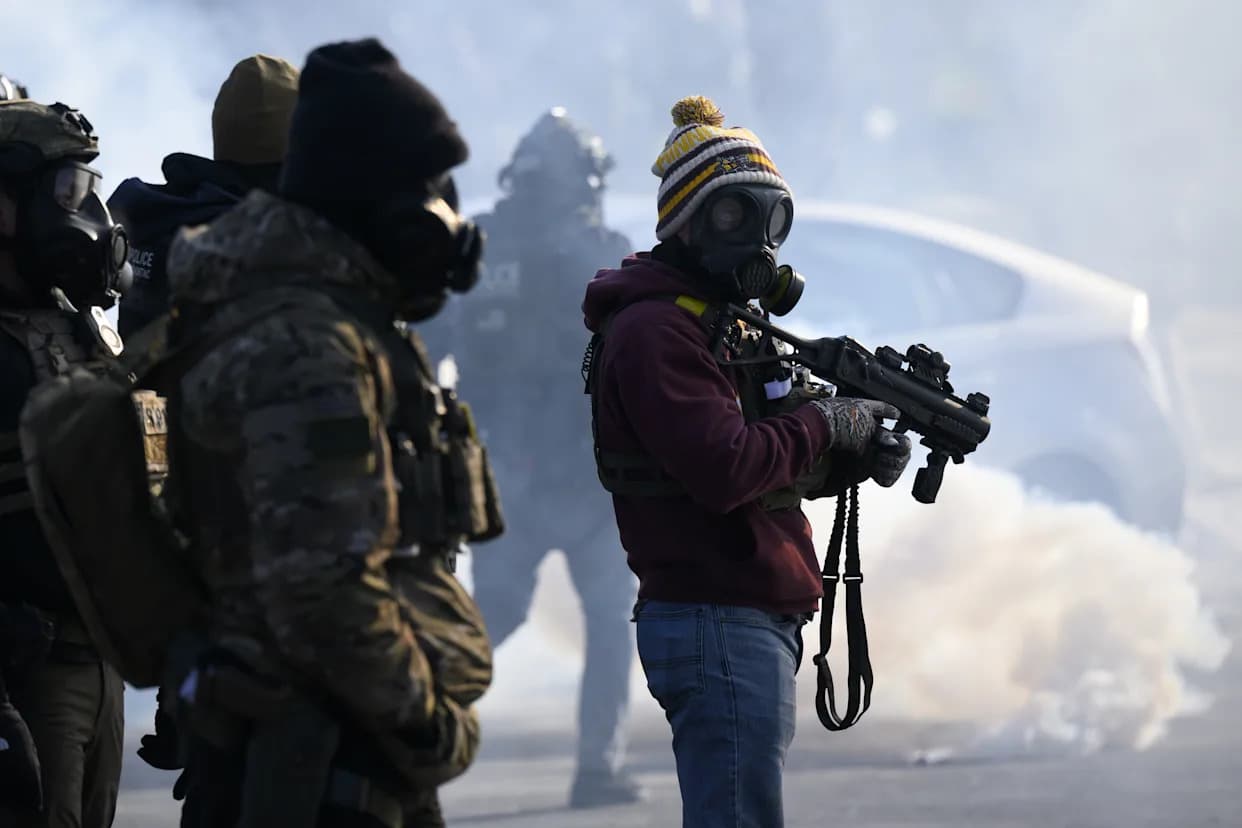
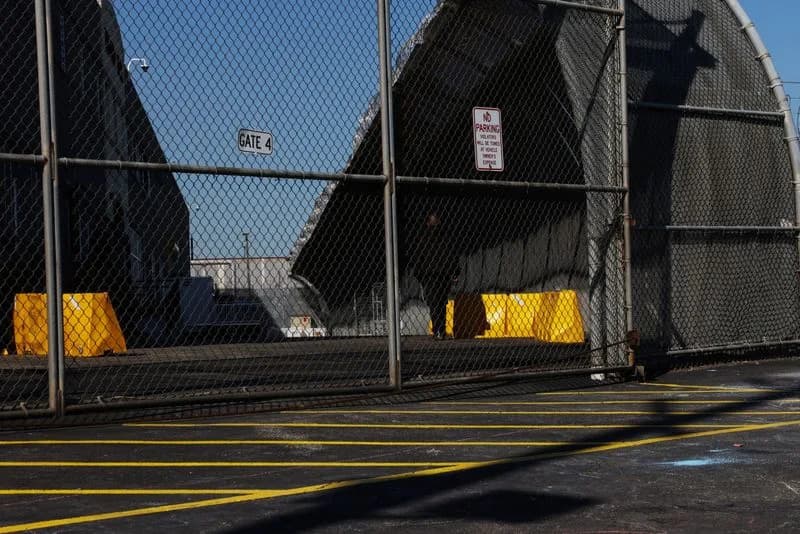
A federal law enforcement agent outside a home during a raid in south Minneapolis, Minnesota, on Jan. 13, 2026.
Political Stakes For Moore
Moore is often described as a moderate who emphasizes bipartisan problem-solving and support for law enforcement. That posture places him between progressive activists calling for a clear break with ICE and moderates and independents who view local cooperation as important to deporting criminal noncitizens. Many observers note the decision carries extra weight because Moore is widely viewed as a rising national figure with possible future presidential ambitions.
Administration Response And Context
Moore's office has criticized recent ICE actions and signaled caution about the legislation. Spokesperson Rhyan Lake told Fox News Digital that the governor is "gravely concerned about ICE's actions in Maryland and across the country under the Trump-Vance administration." Lake added, "Instead of focusing on violent offenders or public safety, the federal administration has created chaos and made communities less safe. The governor has made crystal clear: Maryland has no place for agents who are untrained, unqualified and unaccountable. As with any bill, he will review legislation as it comes to his desk."
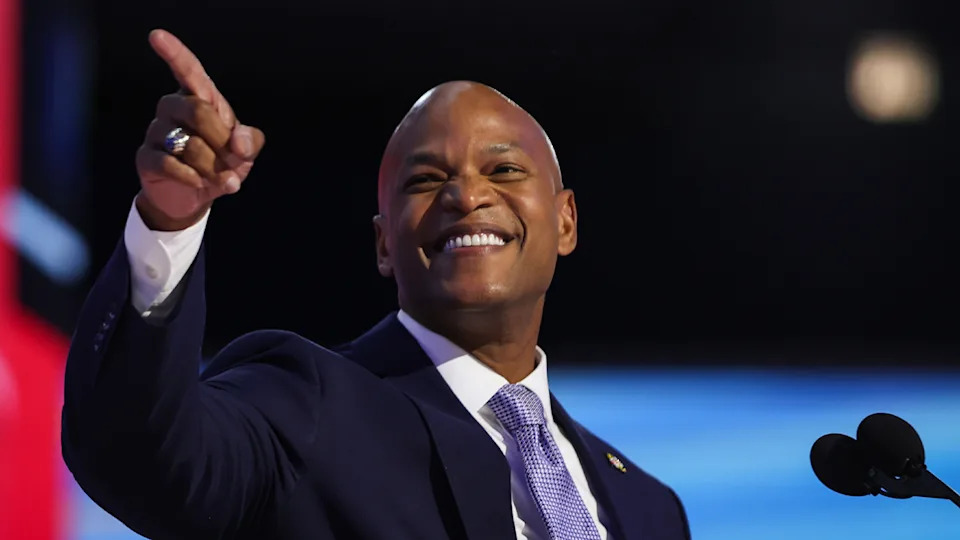
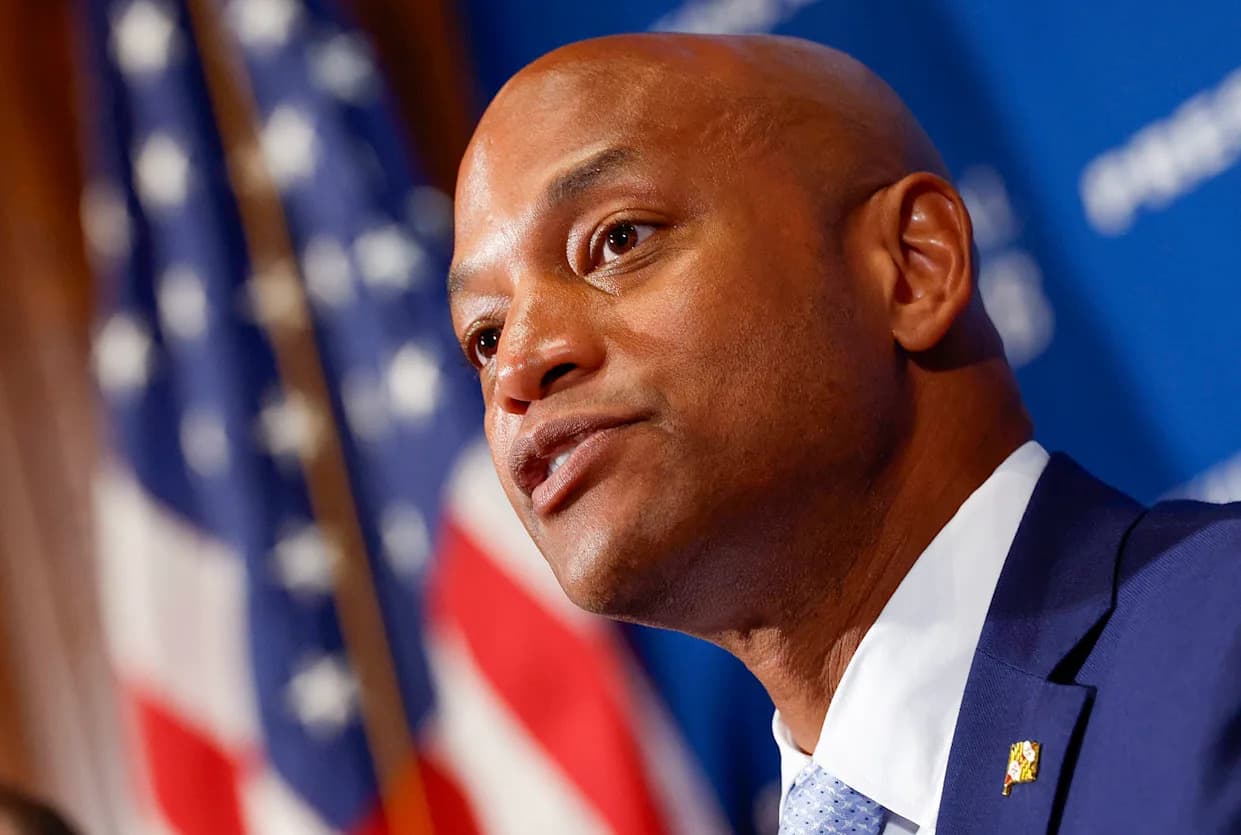
Maryland Gov. Wes Moore speaks during the Democratic National Convention on Aug. 21, 2024, in Chicago.
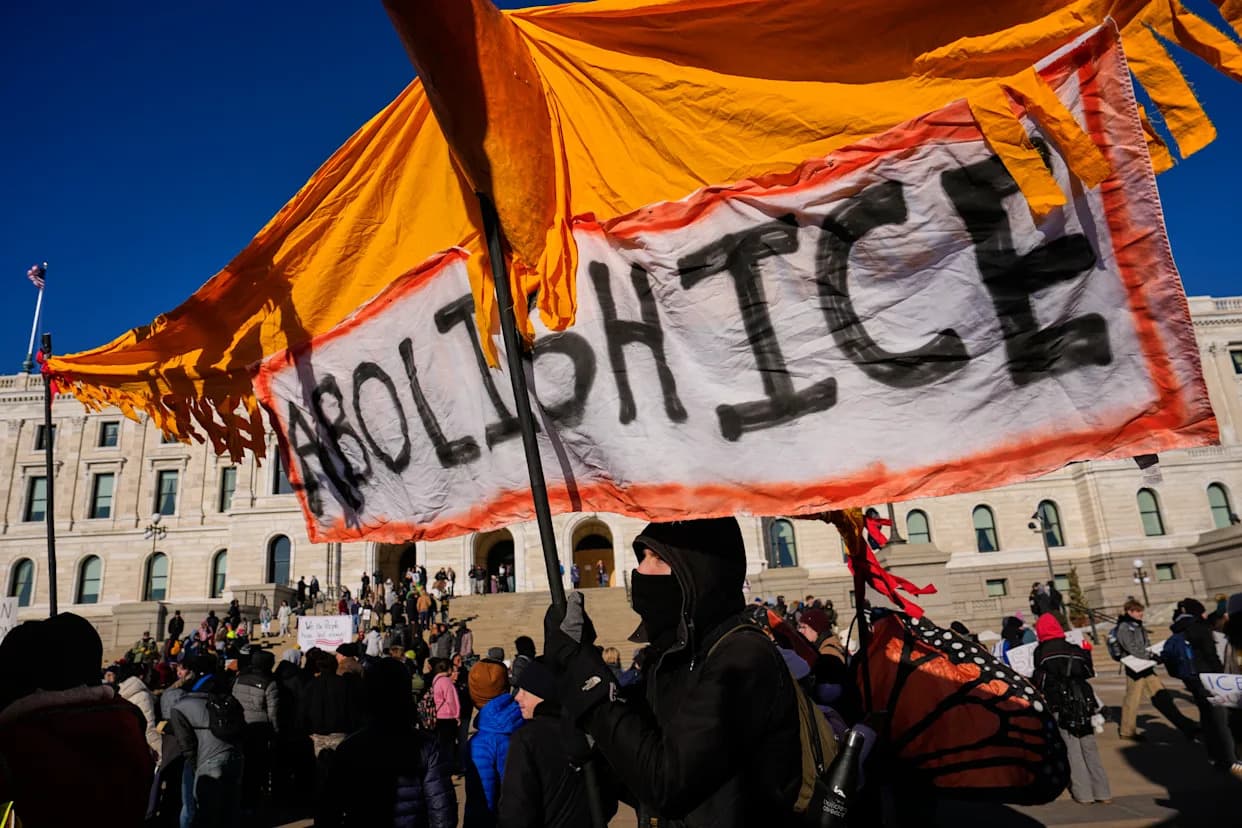
The debate follows national scrutiny of federal immigration tactics after the deaths of two Minnesota residents following confrontations with federal immigration agents. Moore has also attempted to tamp down speculation about a 2028 presidential run: in September he said he was "not running for president" in 2028 and that he is focused on serving a full term if reelected.
Voices And Political Calculations
Some Democratic strategists warn an outright break with ICE could carry electoral risks. Julian Epstein, a longtime Democratic operative and former chief counsel to the House Judiciary Committee, told Fox News Digital that sanctuary-style laws can be portrayed as "open borders" positions that alienate swing voters in general elections. Epstein recently wrote an opinion piece arguing that unrealistic demands on immigration enforcement could undermine public safety and political viability.
Bottom line: Governor Moore must weigh public-safety implications, pressure from the progressive base, and long-term political considerations as he decides whether to sign, veto, or seek changes to the bill.
Help us improve.