Starfish Space has secured a $52.5 million contract from the U.S. Space Force to use its Otter spacecraft to deorbit at least one satellite from the PWSA constellation, the first such disposal deal for a LEO network. Otter is being developed to capture and remove satellites, including those not designed for docking, and Starfish calls this capability "Deorbit‑as‑a‑Service." The company has demonstrated proximity and rendezvous technologies in orbit with Otter Pup vehicles and software trials, and plans further flights ahead of the targeted 2027 disposal mission.
US Space Force Taps Starfish Space in $52.5M First‑of‑Its‑Kind LEO Deorbit Contract
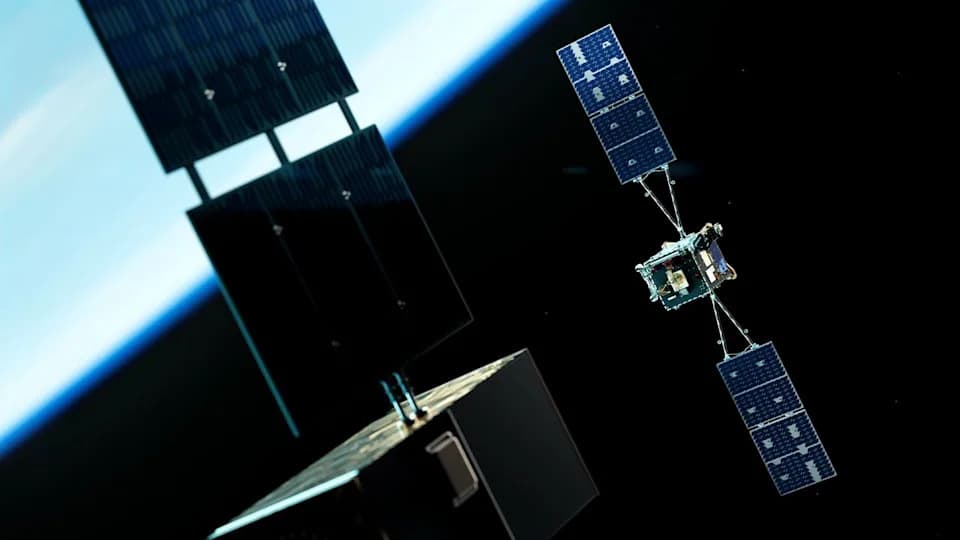
Starfish Space's Otter satellite is designed to rendezvous with and safely deorbit satellites without prior modifications, enabling disposal services for constellations in low Earth orbit. | Credit: Starfish Space
Starfish Space, a Washington‑based satellite‑servicing startup, has won a $52.5 million contract from the U.S. Space Force to remove at least one satellite from low Earth orbit (LEO) — the first contract specifically to provide end‑of‑life disposal services for a LEO constellation.
What the Contract Covers
Under the agreement, Starfish will use one of its Otter spacecraft to deorbit at least one satellite from the Proliferated Warfighter Space Architecture (PWSA) network. The company says it is targeting 2027 for the disposal mission, and plans to fly initial operational Otter missions beforehand to build experience with the vehicle.
About Otter and "Deorbit‑as‑a‑Service"
Otter is being developed to capture, service and — when required — safely remove satellites from orbit, including satellites that were not originally designed for in‑space servicing or docking. Starfish describes the offering as "Deorbit‑as‑a‑Service," a model intended to let operators extend satellite lifetimes while ensuring responsible end‑of‑life removal to limit space debris.
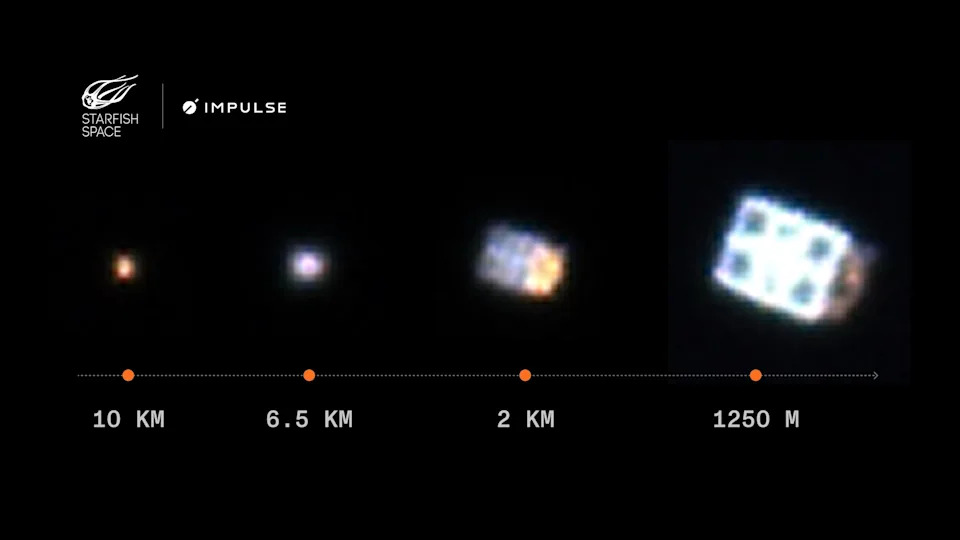
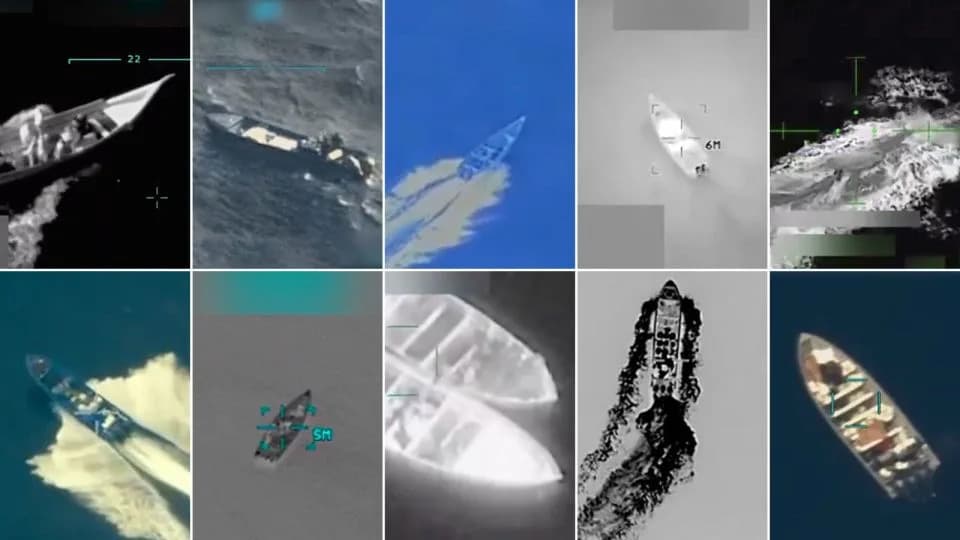
Imagery from the Starfish Space/Impulse Space Remora mission, during which one Mira spacecraft approached within a mere 4,100 feet (1,250 meters) of another. | Credit: Starfish Space/Impulse Space
"This contract and mission are proof that end‑of‑life satellite disposal provided by Otter can provide real value to LEO constellation operators," said Austin Link, co‑founder of Starfish Space. "With Otter, we've dramatically reduced the cost and complexity of satellite servicing across orbits."
Why This Matters
The PWSA constellation is being built to include hundreds of satellites for reconnaissance, navigation and communications for the U.S. military. This marks a shift from the traditional model of a few large, costly spacecraft to many smaller, more resilient nodes. A larger number of satellites improves redundancy and resilience, but also raises lifecycle and orbital‑cleanliness challenges that deorbiting services aim to address.
Flight Heritage and Demonstrations
While Otter itself has not yet completed the planned operational deorbit mission, Starfish has demonstrated related technologies in orbit. Otter Pup 1, a trailblazer vehicle, launched in June 2023 and maneuvered to within about 0.6 miles (1 kilometer) of a target space tug roughly ten months later. In October, an Impulse Space Mira orbital transfer vehicle using Starfish software closed to within about 4,100 feet (1,250 meters) of another Mira, demonstrating software‑based proximity capabilities.
Otter Pup 2 launched in June 2025 and reportedly attempted the first commercial satellite docking in LEO; Starfish and partners are still reporting exact mission milestones. Starfish plans additional Otter flights to gain operational experience prior to the Space Force disposal task.
Broader Implications
If carried out successfully, the PWSA deorbit mission would establish a precedent for contracts that fund dedicated end‑of‑life removal for large LEO constellations. That precedent could influence how both military and commercial operators manage satellite lifecycles and address the growing concern of space debris.
Help us improve.