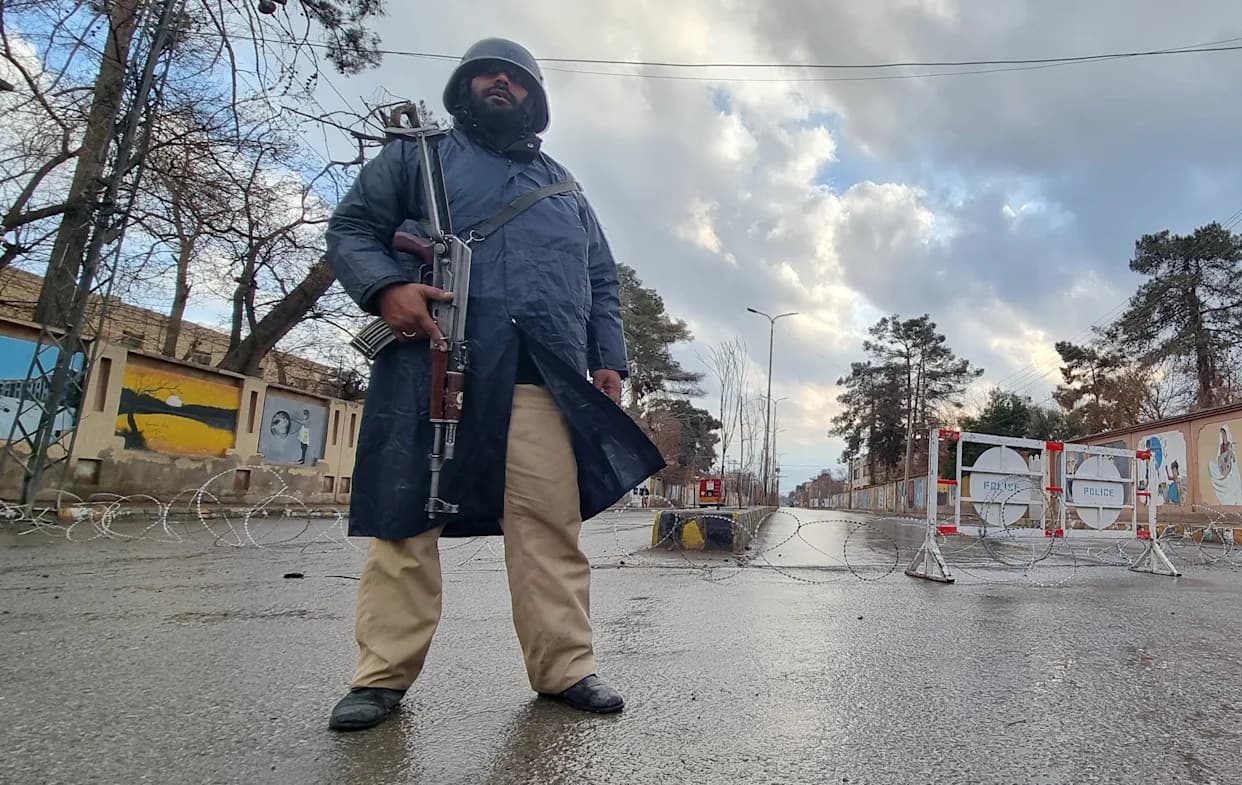
Pakistan's military announced it had concluded a weeklong security operation across restive Balochistan province, saying its offensives killed 216 fighters and uncovered a cache of foreign-origin weapons, ammunition and explosives.
Operation And Reported Outcomes
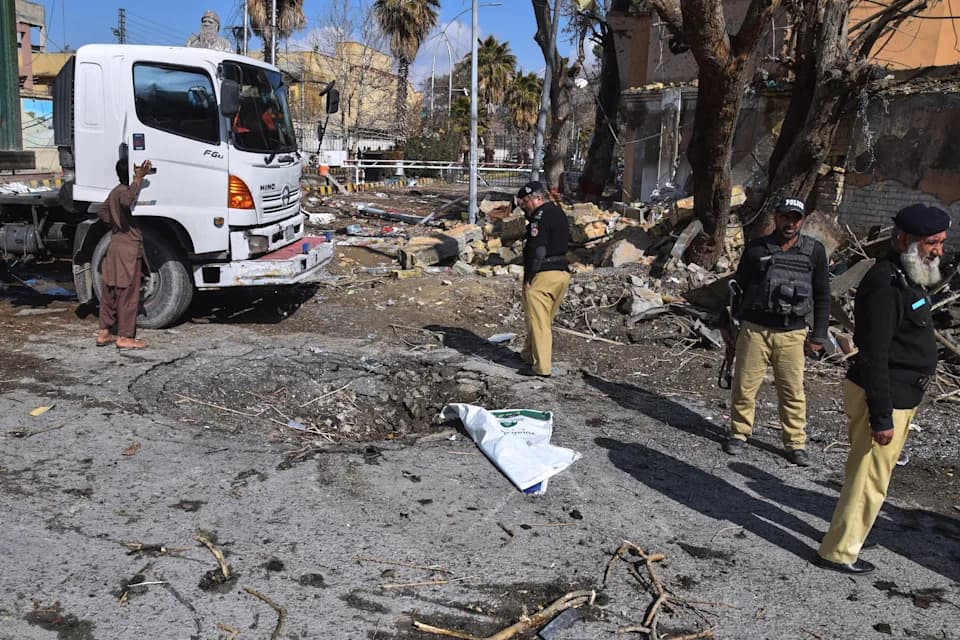
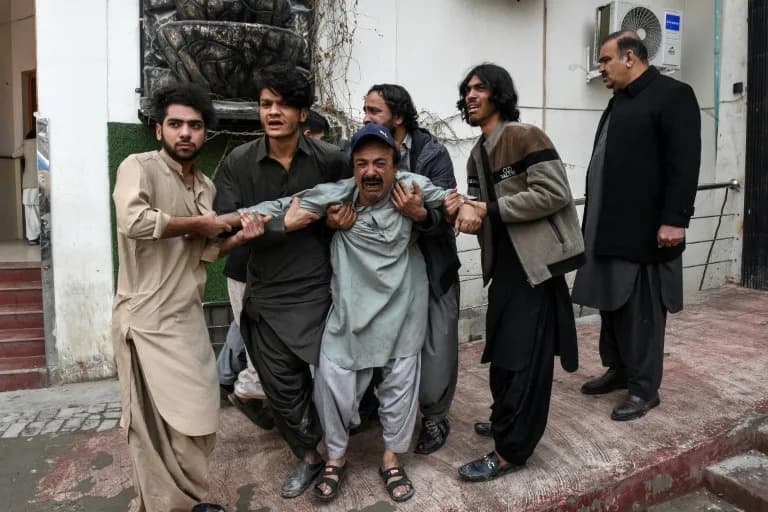
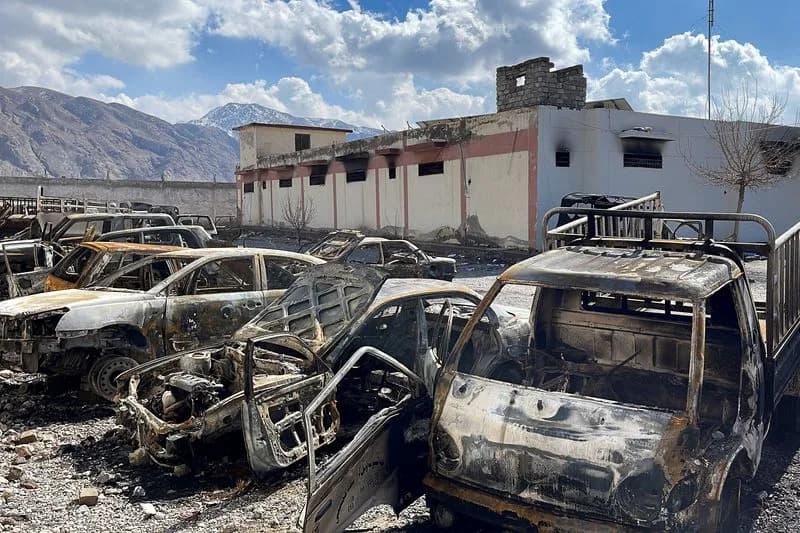
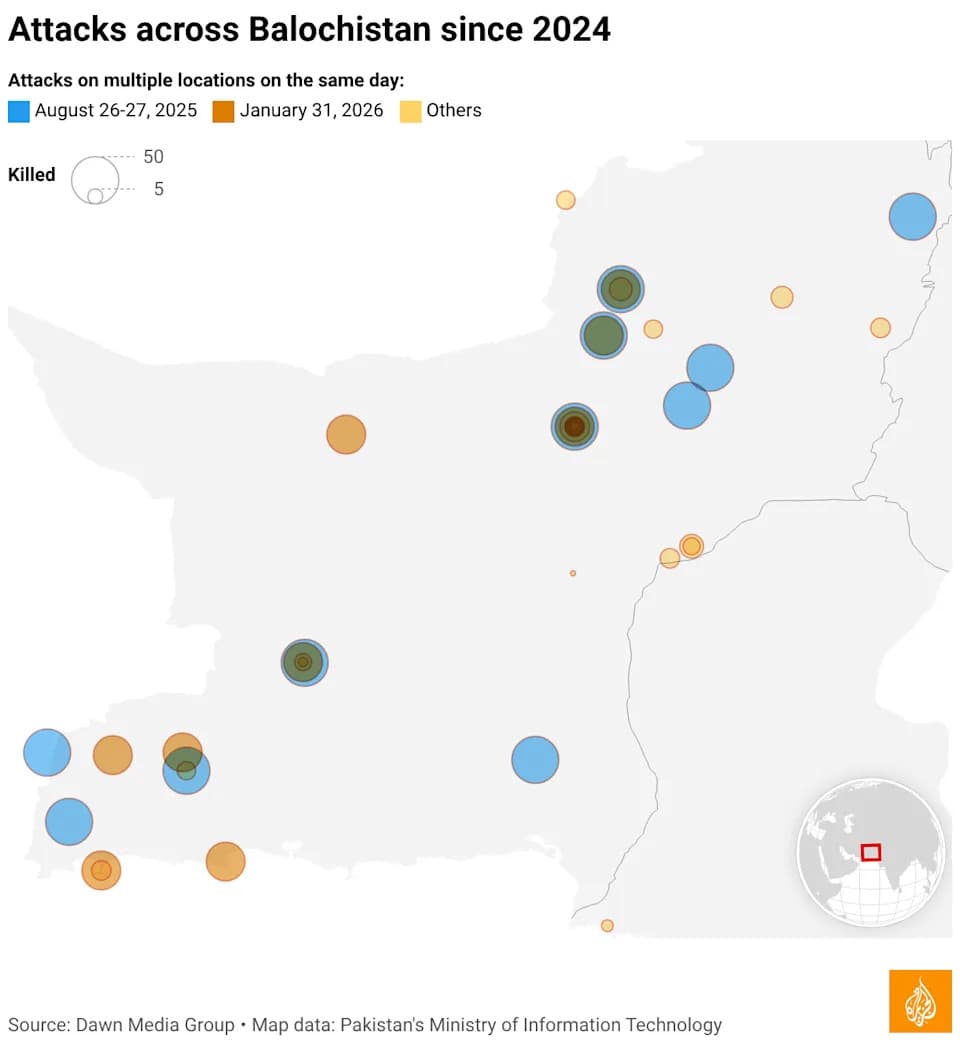
In a statement on Thursday, the military said Operation Radd-ul-Fitna-1 ("Countering Chaos-1"), launched on January 29, targeted what it described as separatist sleeper cells following a series of coordinated attacks attributed to the Balochistan Liberation Army (BLA). The army said the BLA had carried out province-wide assaults that struck schools, banks, markets and military installations.
The military claimed the operation "significantly degraded the leadership, command-and-control structures and operational capabilities of terrorist networks," reporting that 216 fighters were killed. Officials added that a "substantial cache of foreign-origin weapons, ammunition, explosives and equipment" was recovered and that preliminary analysis suggests the militants benefited from "systematic external facilitation and logistical support."
Casualties And Local Reactions
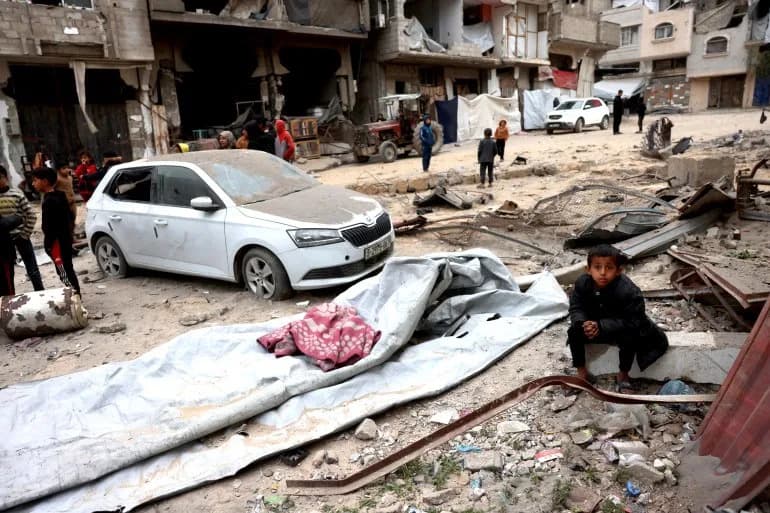
Authorities said the campaign also resulted in civilian casualties, reporting 36 civilian deaths, including women and children, and the deaths of 22 security and law enforcement personnel. These figures come from the military statement and provincial sources; independent verification was not cited in the release.
"Over the past 12 months, security forces in Balochistan have sent more than 700 terrorists to hell," Balochistan Chief Minister Sarfraz Bugti told reporters, adding that around 70 militants were eliminated in the two days before his remarks. He said the attacks would not weaken the province's resolve against terrorism.
Bugti also accused neighbouring India and Afghanistan of supporting the fighters, allegations both New Delhi and Kabul have denied, the statement said.
Context
Balochistan has long experienced a separatist insurgency. The resource-rich province—home to coal, gold, copper and gas deposits—has seen violence intensify in recent years, with armed groups saying they fight against perceived exploitation of local resources. Pakistani authorities have also said militants in the region have targeted civilians, security forces and foreign nationals, including Chinese workers on regional projects.
In 2025, separatists attacked a train carrying hundreds of passengers, triggering a two-day siege that left dozens dead, according to previous reporting and official accounts.
Note: The casualty and weapons recovery figures above are based on official military statements. Independent verification of the claims was not provided in the statement released by the military.