Pakistan has announced it will boycott its scheduled India match at the T20 World Cup while continuing in the tournament. The move follows deadly coordinated attacks in Balochistan that Islamabad has publicly blamed on India; the outlawed Balochistan Liberation Army claimed responsibility for the strikes. Pakistan will play its other games in Sri Lanka but will forfeit two group-stage points, tightening its path to the next round.
Pakistan to Boycott India T20 World Cup Match After Deadly Balochistan Attacks
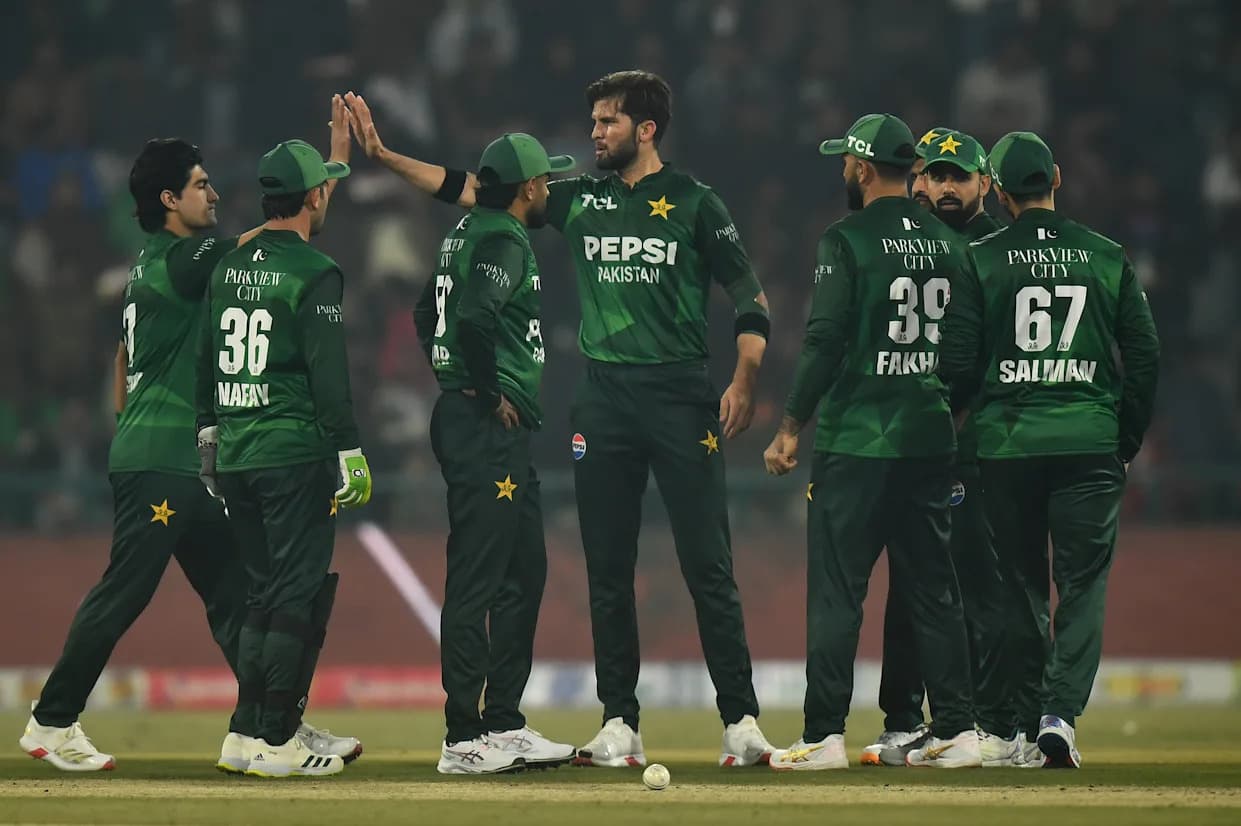
Pakistan play a T20 match against Australia in Lahore on February 1, 2026, which the home side won by 111 runs [Sameer Ali/Getty Images]
Pakistan has announced it will boycott its scheduled Twenty20 World Cup match against India while continuing to play the rest of the tournament. The decision was made public after deadly coordinated attacks in Balochistan that Islamabad has publicly linked to India — an allegation Indian officials deny.
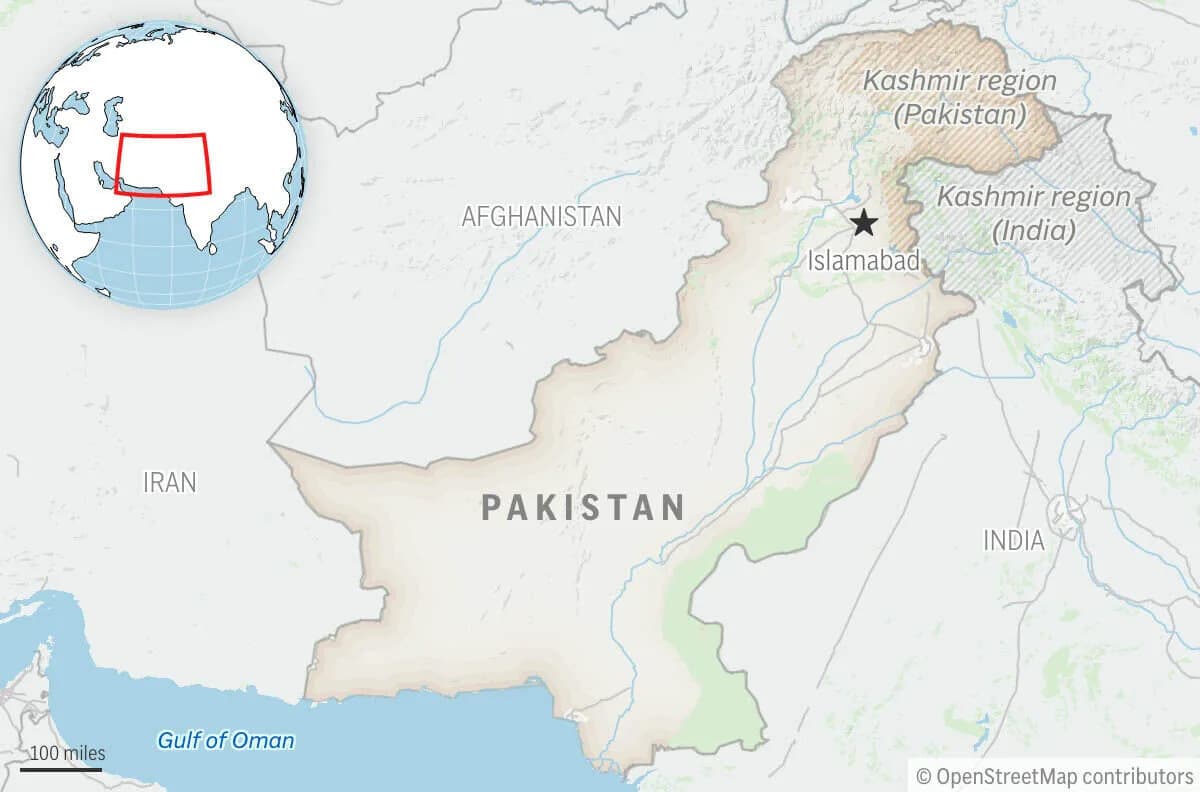
What Happened in Balochistan
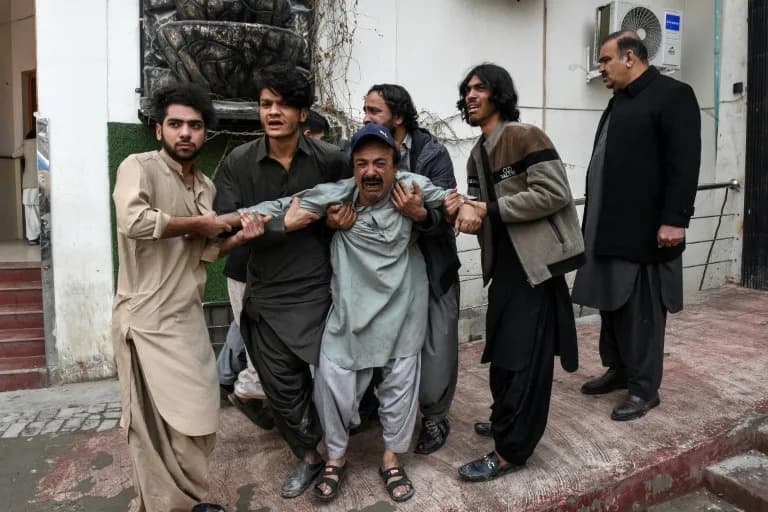
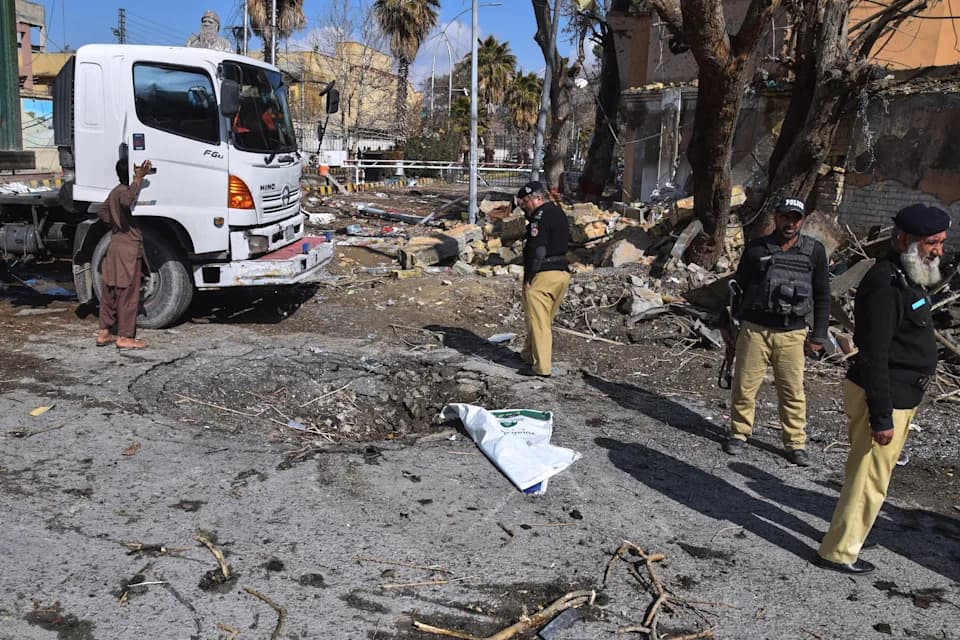
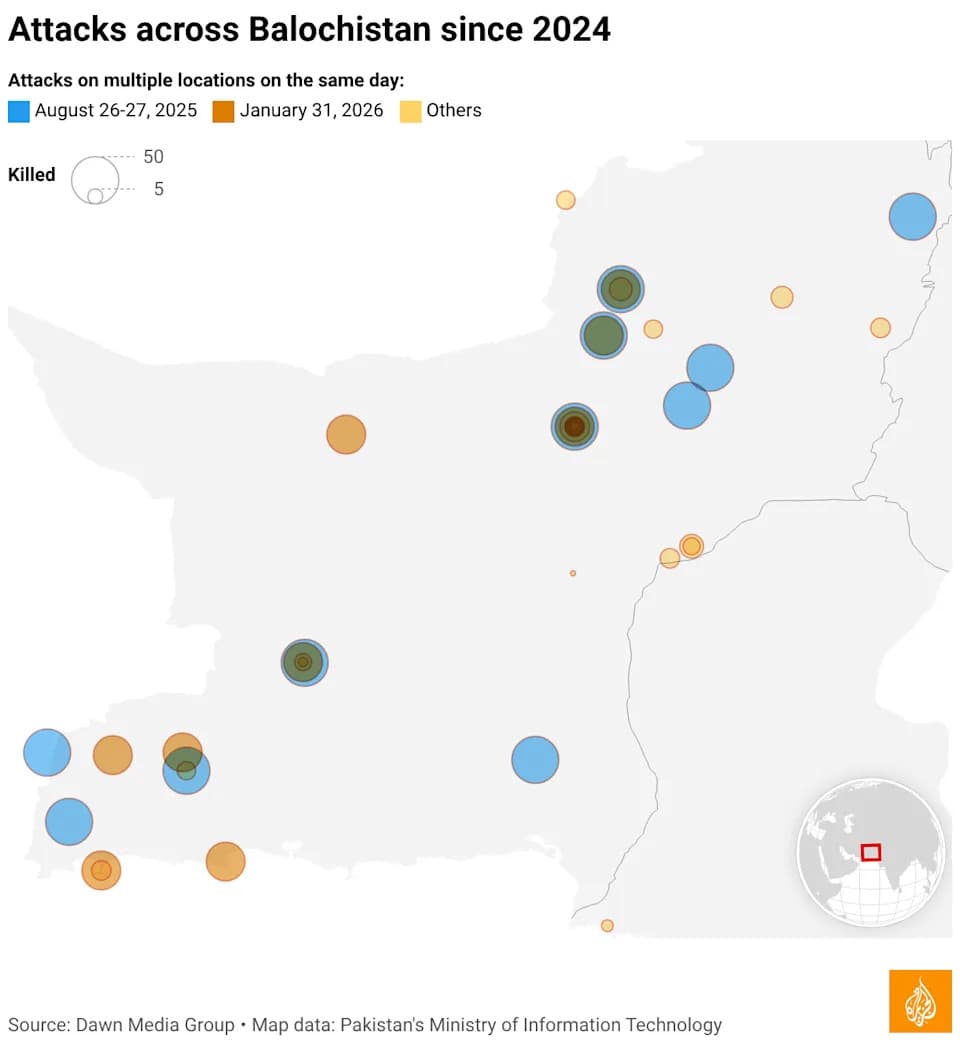
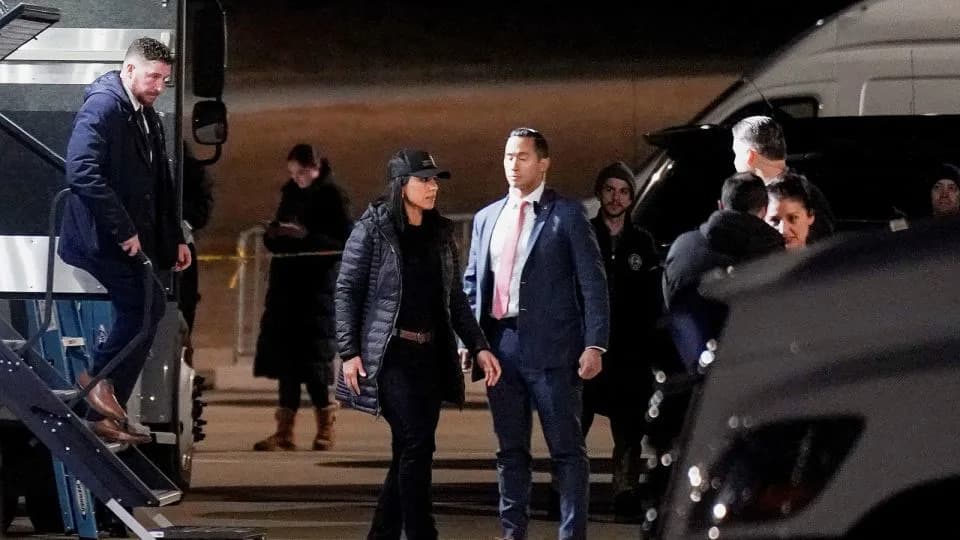
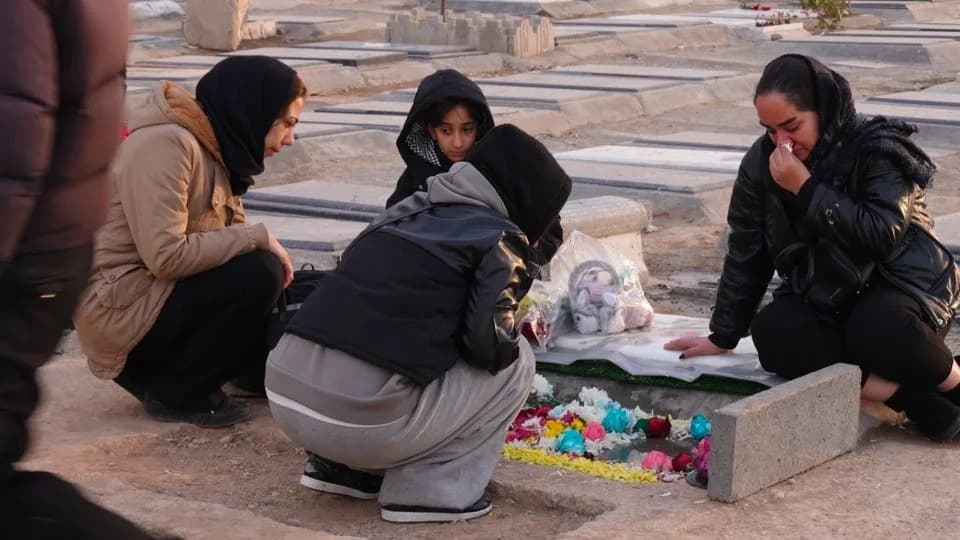
Early on Saturday, armed assailants attacked police stations and security posts in Quetta and other districts of Balochistan. Authorities said the violence left nearly 200 people dead, including at least 31 civilians, 17 security personnel and roughly 145 militants or fighters.
The outlawed Balochistan Liberation Army (BLA) claimed responsibility for the assaults, saying it struck military installations, police and civil administration targets across nine districts.
Political Fallout and Accusations
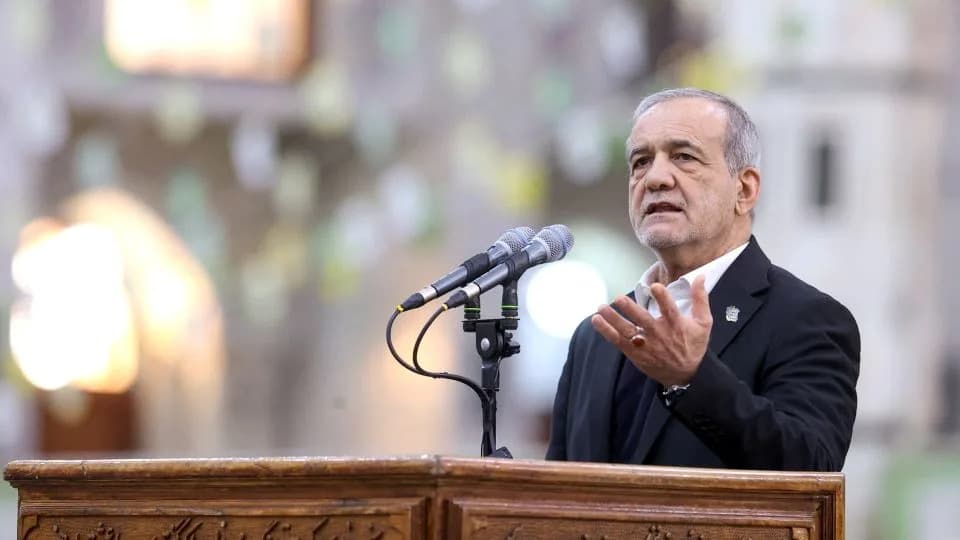
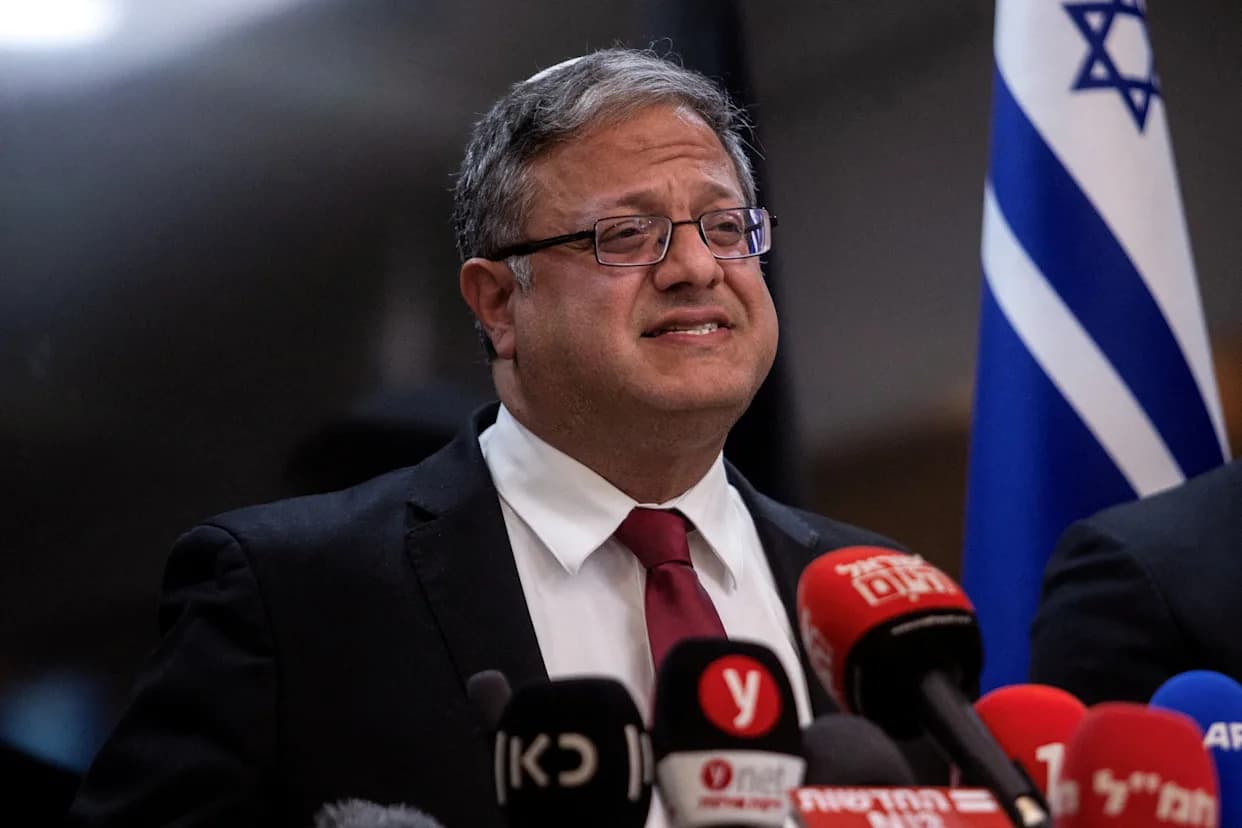
Mohsin Naqvi, Pakistan’s interior minister and chairman of the Pakistan Cricket Board (PCB), publicly accused India of planning the attacks while speaking alongside Balochistan’s chief minister, Sarfraz Bugti. Naqvi said, using strong language, that "these were not normal terrorists" and asserted India’s involvement, but he did not present publicly verifiable evidence to back the claim.
Bangladesh, The ICC And The Tournament Row
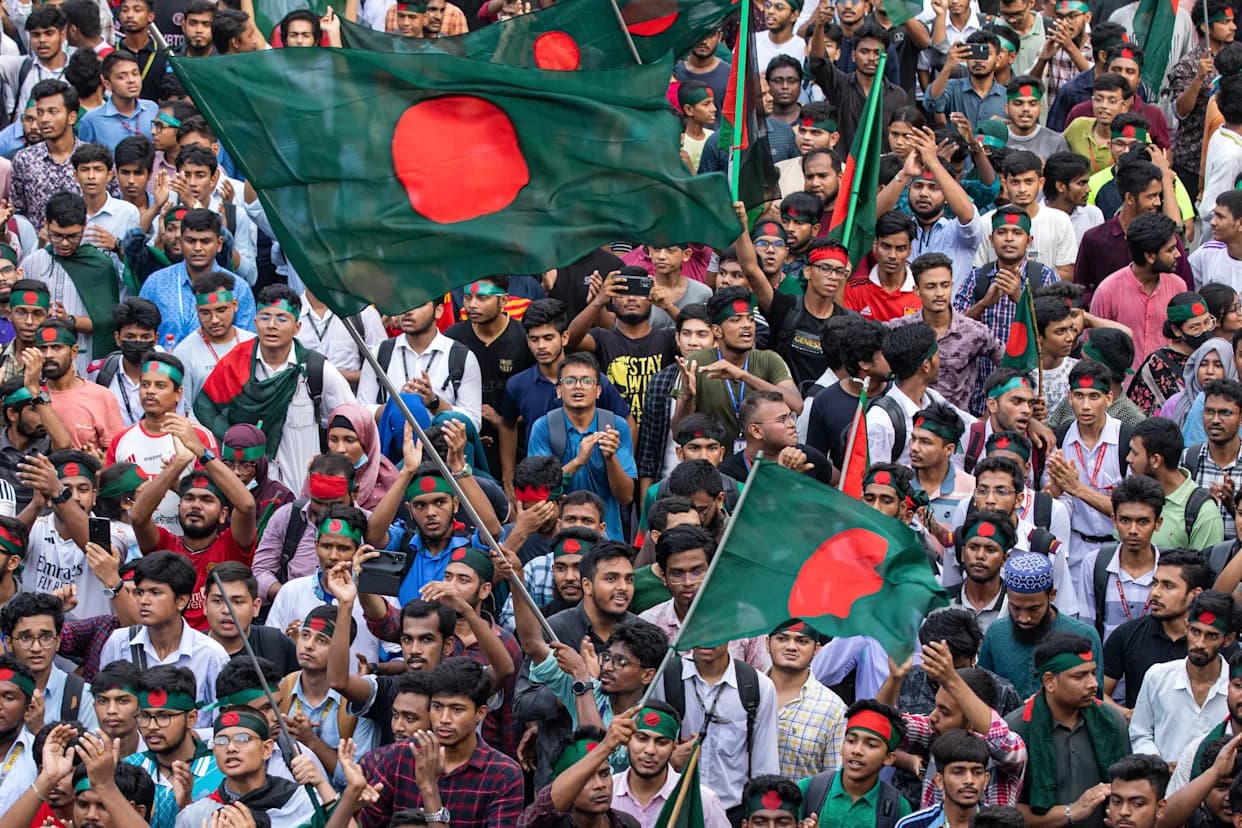
The boycott announcement comes amid a separate dispute that led the International Cricket Council (ICC) to remove Bangladesh from the tournament on 24 January after Bangladesh refused to play matches on Indian soil. The ICC replaced Bangladesh with Scotland, saying there was no "credible or verifiable security threat" to Bangladesh’s team in India, while Dhaka had sought its fixtures be moved to Sri Lanka.
Pakistan has criticised the ICC’s handling as double standards, arguing previous arrangements allowed India to avoid playing in Pakistan by staging fixtures in third countries and that similar accommodations should apply to others.
Logistics And Sporting Consequences
Under a board-level agreement, Pakistan will play its scheduled matches at neutral venues in Sri Lanka rather than in India. By refusing to play India at the neutral venue, Pakistan will forfeit the match and surrender two group-stage points to India, narrowing Pakistan’s margin for error in the group and increasing the number of wins required to advance.
Wider Security And Diplomatic Context
Tensions between India and Pakistan have periodically flared in recent years, including an aerial confrontation last year that involved drone and missile exchanges before a ceasefire was brokered. Separately, distrust of India has been growing in Bangladesh since political unrest there in mid-2024 and the departure of Prime Minister Sheikh Hasina to India.
In early January, the Board of Control for Cricket in India (BCCI) also removed Bangladesh fast bowler Mustafizur Rahman from IPL involvement, citing only "developments all around."
Commercial Impact
The India–Pakistan match is typically the tournament’s most-watched fixture; the 2021 meeting drew a record 167 million viewers, according to the tournament broadcaster. Its cancellation will likely cost broadcasters significant advertising revenue and deprive the match venue—Colombo’s R. Premadasa Stadium—of major match-day earnings from ticket sales.
Implications For Cricket Diplomacy
India and Pakistan have not played bilateral cricket since 2012 and meet only at multinational events. Pakistan’s boycott of a neutral-venue fixture could set a precedent that might encourage future political retaliation via tournament withdrawals, raising questions about the ICC’s ability to insulate sport from broader bilateral tensions.
Bottom line: Pakistan will remain in the T20 World Cup but will forfeit two points after refusing to play India at the neutral venue in Sri Lanka, citing the Balochistan attacks and the dispute over Bangladesh’s exclusion. The move deepens the intersection of politics, security and cricket in South Asia.
Help us improve.