Pakistani forces used helicopters and drones to retake Nushki after a three-day siege, part of coordinated Baloch Liberation Army attacks across Balochistan that left 58 civilians and security personnel dead. Security officials said they killed 197 militants, while the BLA claimed—without evidence—that it had killed 280 soldiers. The assaults disrupted rail services and mobile internet, saw multiple district offices seized and provoked renewed political tensions over responsibility and the province's long-running insurgency.
Helicopters and Drones Used as Pakistan Retakes Nushki After Three-Day Siege; 58 Dead in Balochistan Attacks
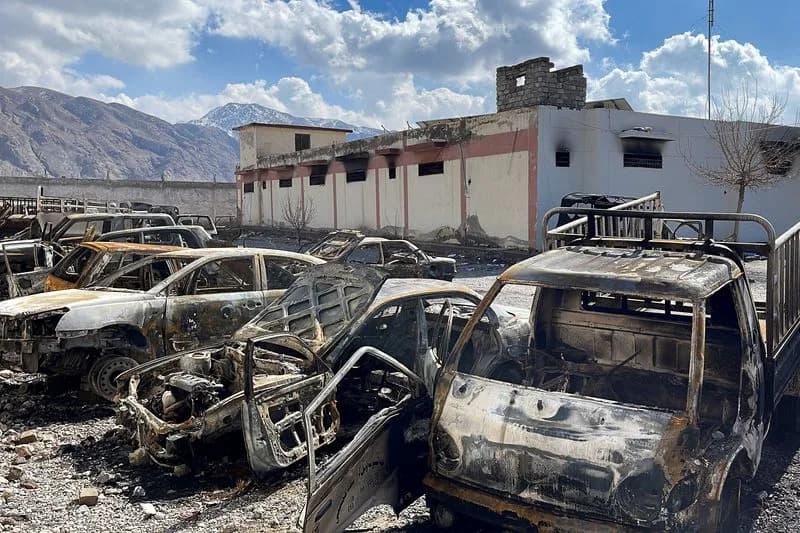
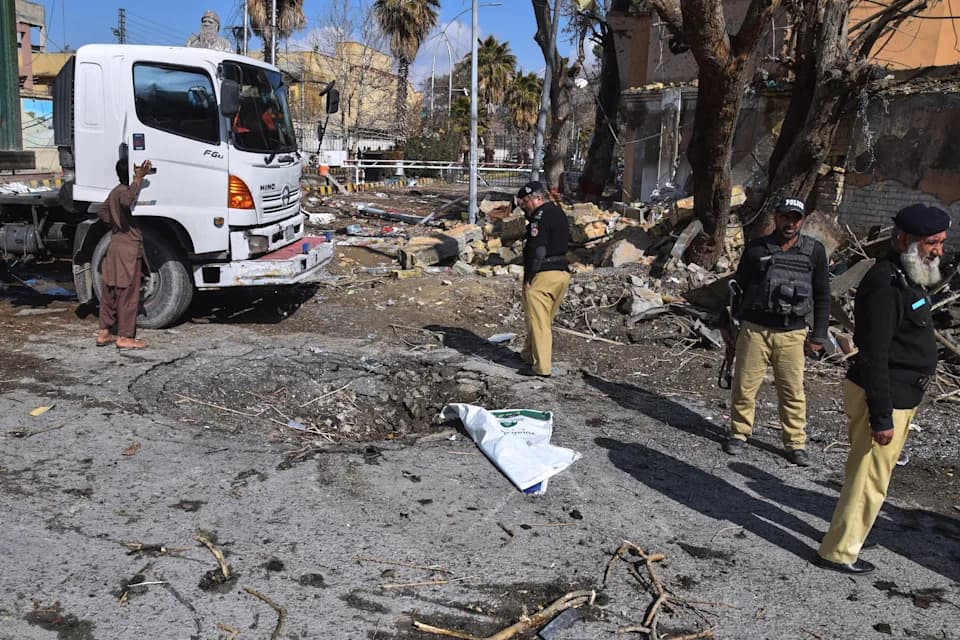
A view of damaged vehicles at a police station, following militant attacks, in Quetta, Pakistan, February 1, 2026. REUTERS/Stringer
Pakistani security forces used helicopters and drones to retake the desert town of Nushki after a three-day siege by separatist fighters, police said, as coordinated attacks across Balochistan left 58 civilians and security personnel dead.
The Assault and Immediate Aftermath
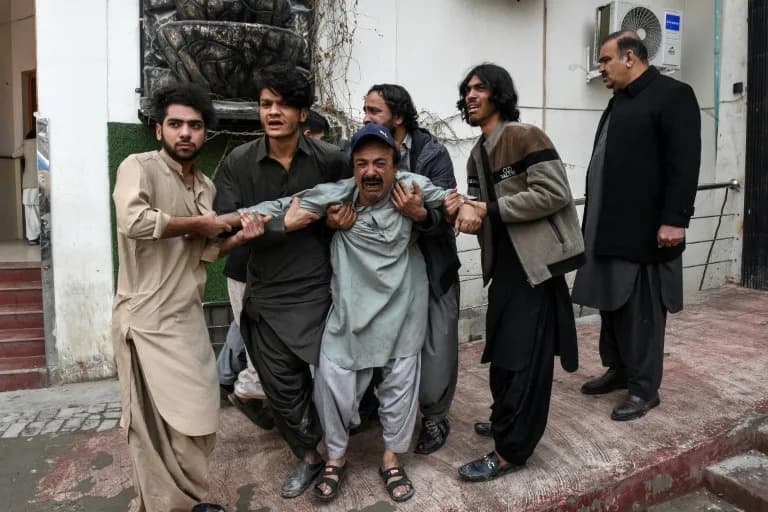
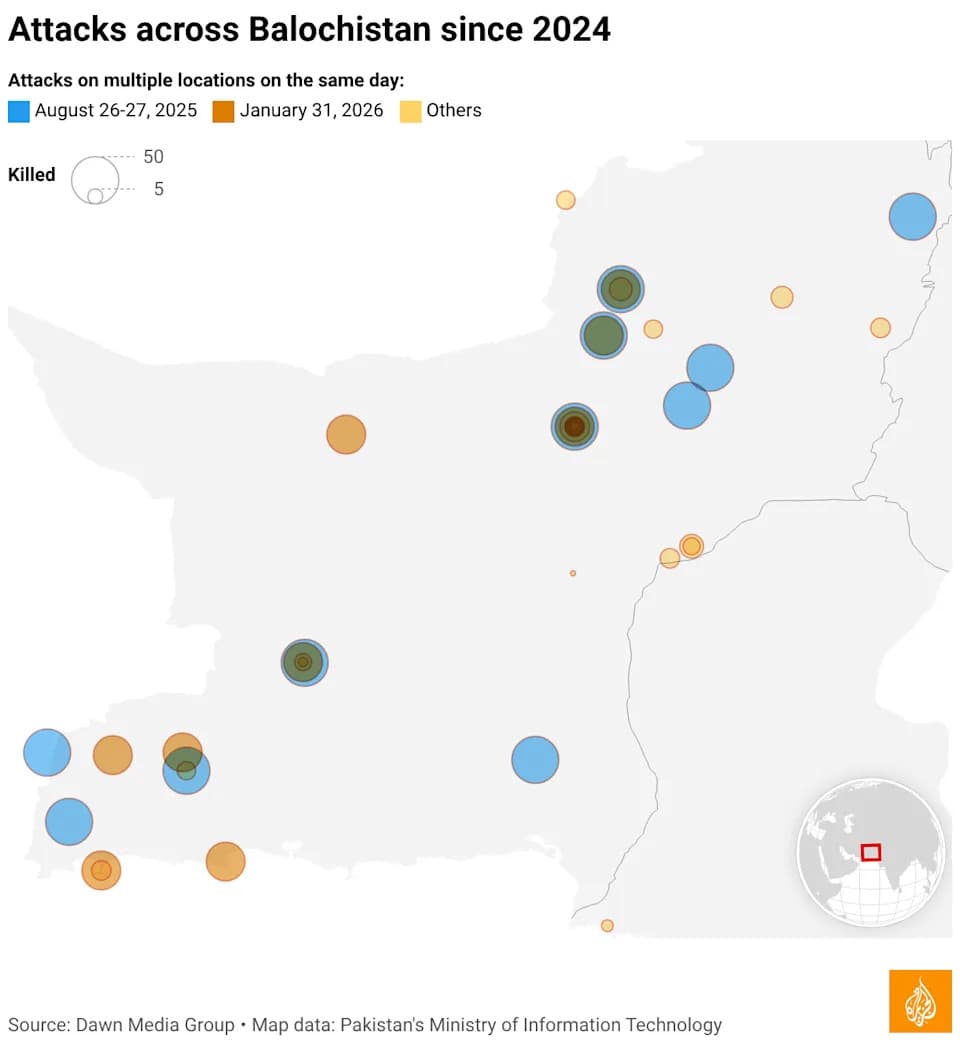
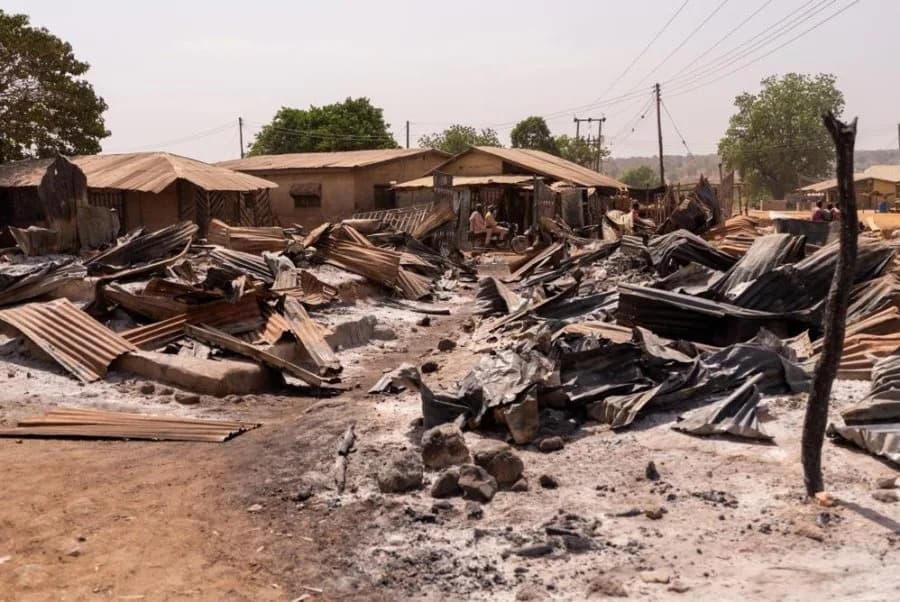
Saturday's synchronized offensive by the Baloch Liberation Army (BLA) brought large parts of Pakistan's largest province to a near standstill. Insurgents set off explosives and exchanged gunfire with security forces in more than a dozen locations, targeting schools, banks, markets and security installations.
"They were riding on motorcycles and were armed with grenades and rifles," said Nasrullah Khan, 51, a resident of Quetta. "I haven't seen devastating and coordinated attacks like these before." He said the assaults began at around 5 a.m. (0000 GMT) on Saturday.
Nushki: Siege, Hostages and Recapture
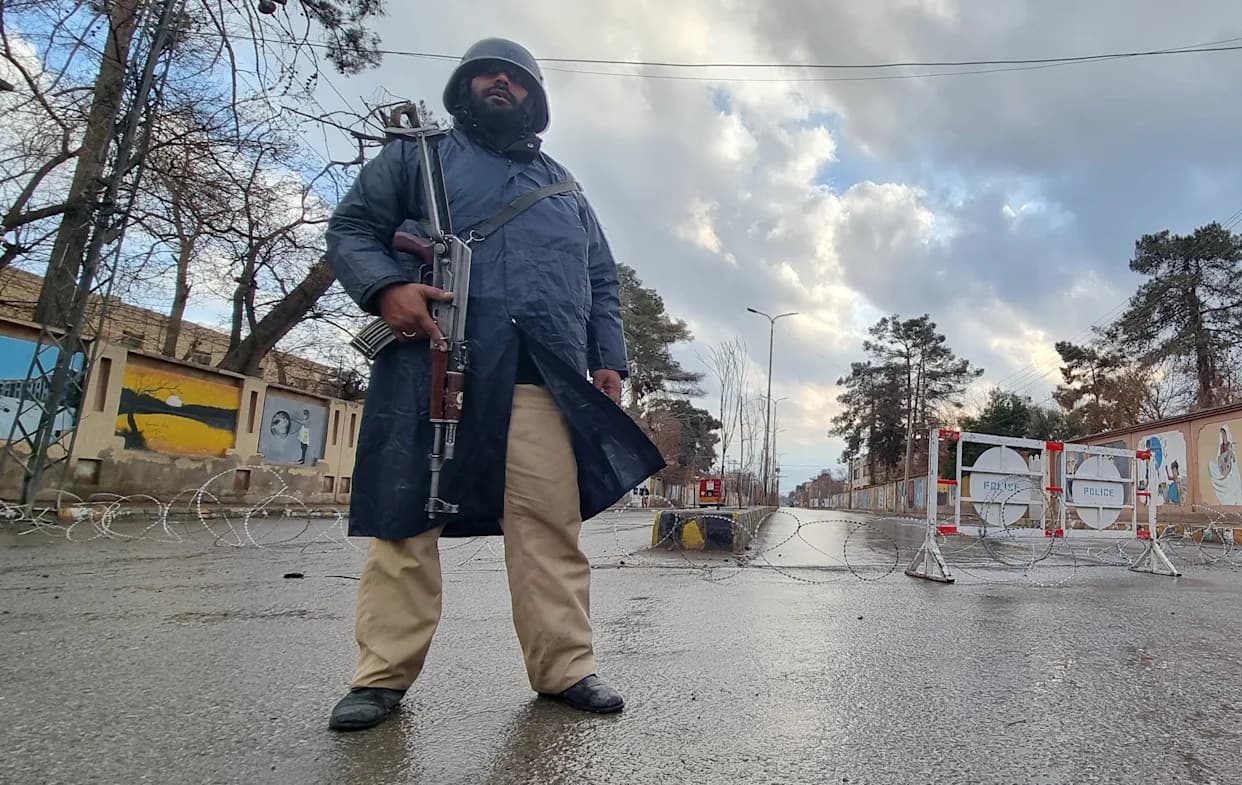
In Nushki, a desert town of roughly 50,000 people, militants seized the police station and parts of the government complex, holding the deputy commissioner hostage, according to Assistant Commissioner Maria Shamoon. Police said seven officers were killed in the fighting before security forces regained control late on Monday. Local officials reported residents were still without electricity days later.
"Helicopters and drones were used against the militants," a security official said, adding that operations against the BLA continued elsewhere in the province. Several officials spoke on condition of anonymity because they were not authorised to brief the media.
Casualties and Claims
Officials reported a total of 58 civilians and security personnel killed in the weekend violence. Security sources also said they had killed 197 militants, including 41 killed on Friday during military operations that preceded the insurgents' weekend offensive.
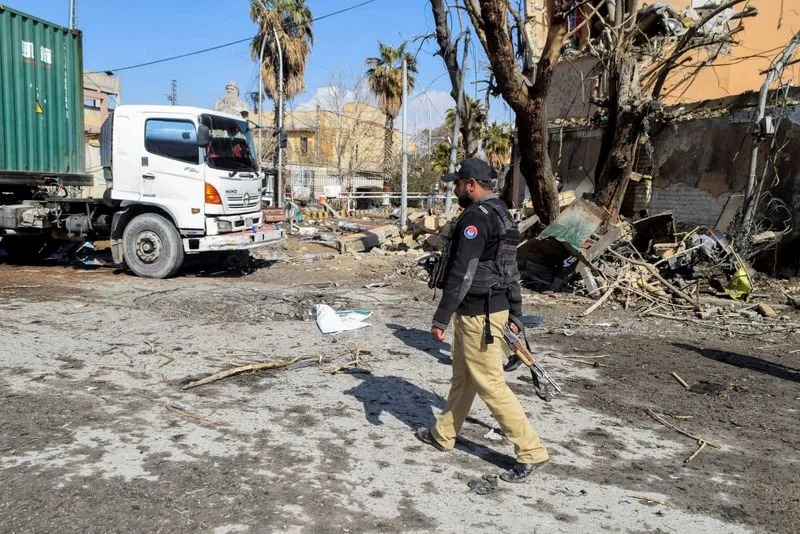
FILE PHOTO: A police officer walks past damage at the site, after militant attacks, in Quetta, Pakistan, February 1, 2026. REUTERS/Stringer/File Photo
The BLA, in turn, claimed it had killed 280 soldiers during what it called Operation "Herof" or "Black Storm," a claim the group offered without independent evidence.
Disruptions and Broader Context
Trains through Quetta were suspended and mobile internet was down across much of Balochistan, hampering communications and transport. The insurgents reportedly seized at least six district administration offices and at one point advanced to within about 1 km (0.6 mile) of the provincial chief minister's office in Quetta.
Mineral-rich Balochistan, which borders Iran and Afghanistan, hosts major Chinese investments including the Gwadar deepwater port and has long been the site of an ethnic Baloch separatist insurgency seeking greater autonomy and a bigger share of local natural-resource revenues.
Political Fallout
Pakistan has accused India of involvement in the attacks but has not produced evidence; India has rejected the allegations and urged Islamabad to address the region's grievances. Retired Lieutenant General Amir Riaz, who commanded troops in Balochistan from 2015 to 2017, said the insurgency has evolved over the last decade and is likely to cycle between stalemate and periodic spikes of violence.
(Reporting by Saleem Ahmed in Quetta and Asif Shahzad in Islamabad; additional reporting by Ariba Shahid in Karachi and Mushtaq Ali in Peshawar. Writing by Saad Sayeed; editing by Clarence Fernandez and Alex Richardson.)
Help us improve.