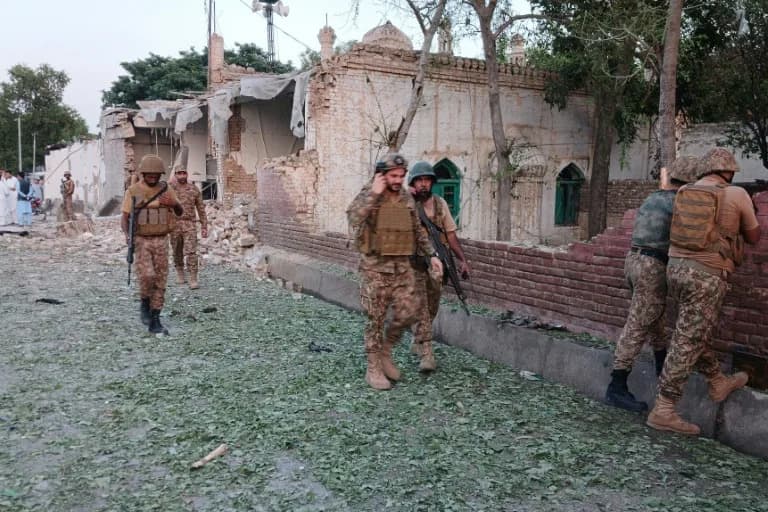
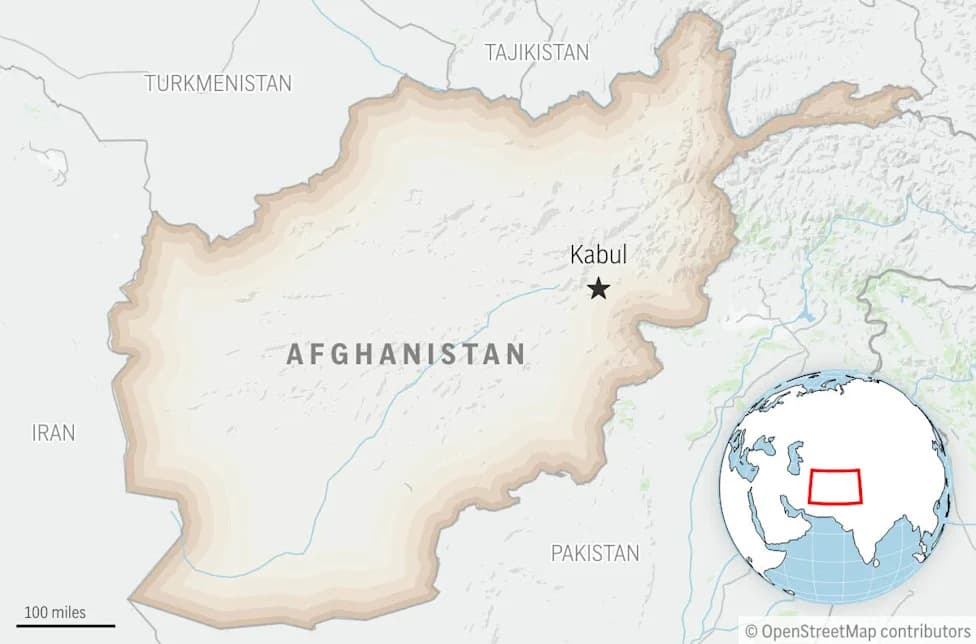
Pakistani security forces say they killed 145 suspected militants in Balochistan after coordinated suicide and gun attacks that left 33 people dead, mostly civilians. Officials identified the militants using the term "Fitna al-Hindustan," which they use to refer to the banned Baloch Liberation Army, and said some of the dead were Afghan nationals. The violence hit a mineral-rich province where Pakistan is seeking foreign investment, and officials accused India and Afghanistan of backing the attackers — charges both deny.
Pakistan Says 145 'Indian-Backed' Militants Killed In Balochistan After Coordinated Attacks
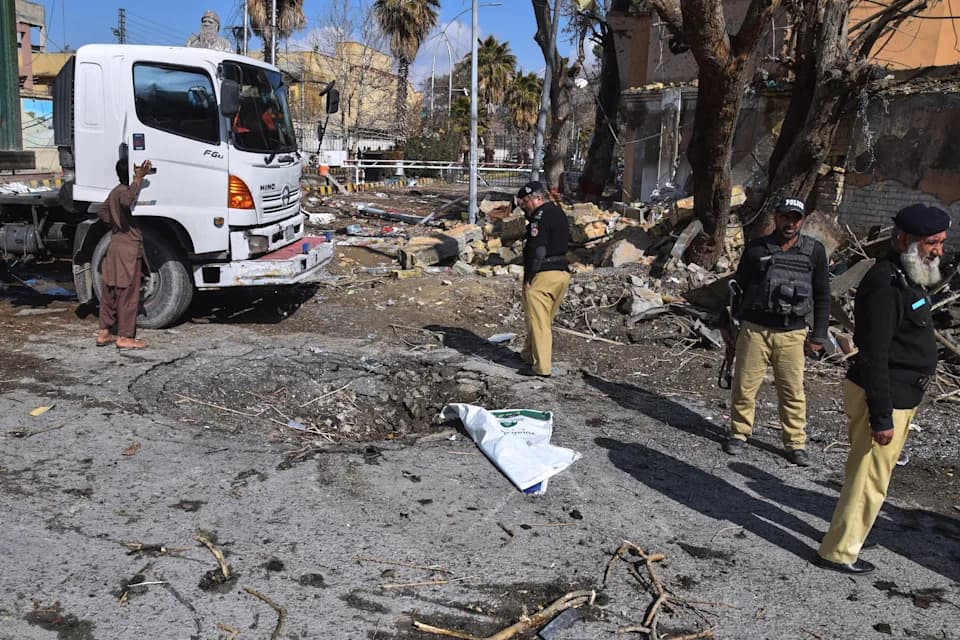
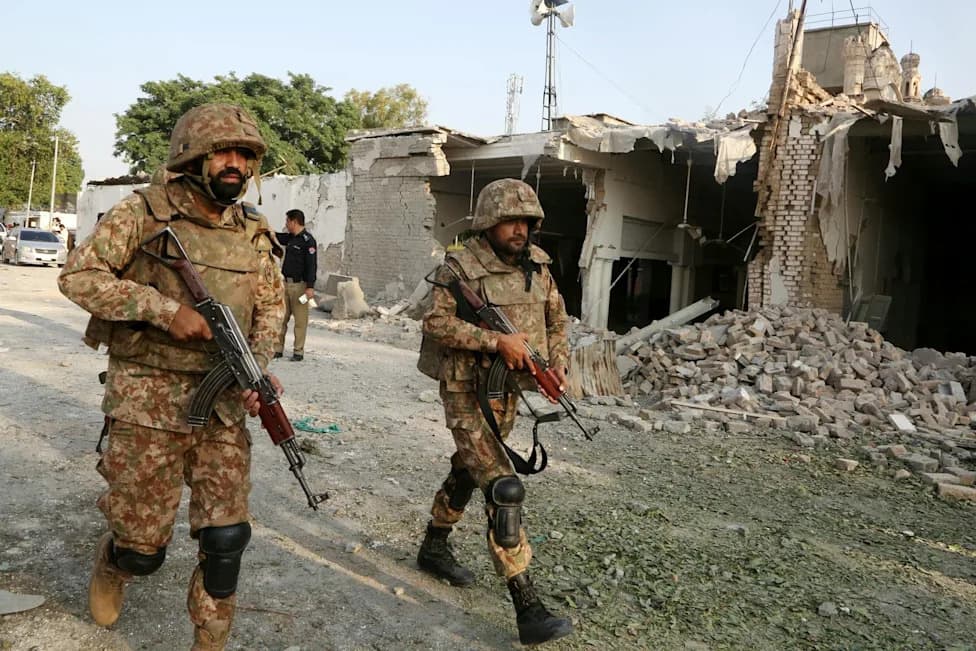
Police officers examine the site of Saturday's suicide bombing, in Quetta, Pakistan, Sunday, Feb. 1, 2026. (AP Photo/Arshad Butt)(ASSOCIATED PRESS)
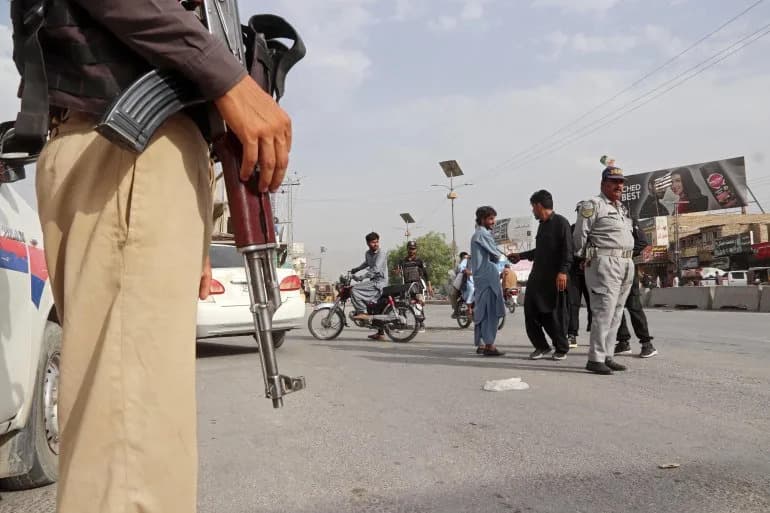
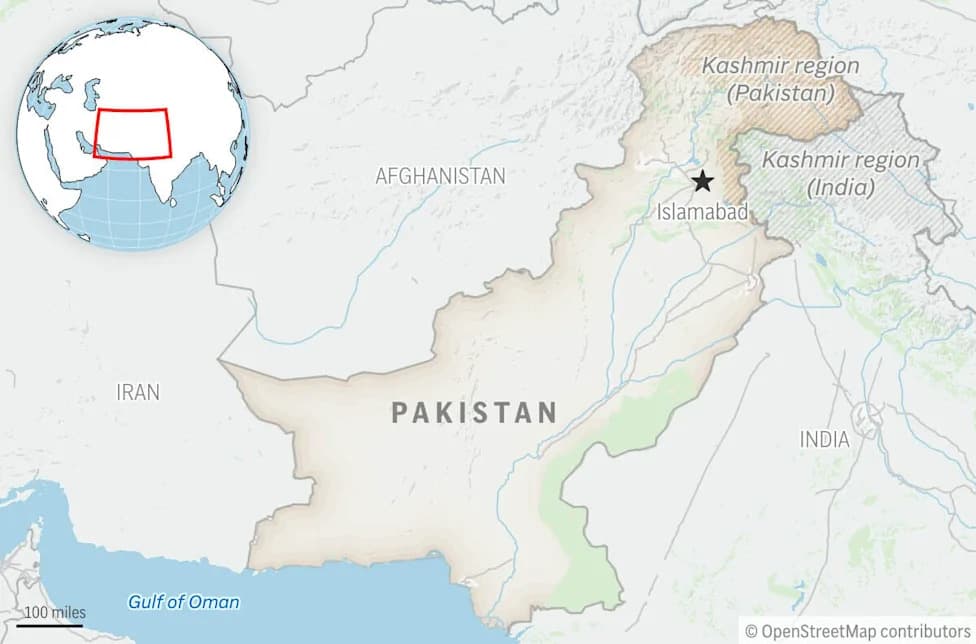
QUETTA, Pakistan — Pakistani police, military and paramilitary units said Sunday that they killed 145 fighters described by officials as "Indian-backed terrorists" during sweeping counterterror operations across restive Balochistan over the past 40 hours. The operations came a day after coordinated suicide and gun attacks left 33 people dead, officials said.
Authorities reported that the initial assaults, which began early Saturday at multiple locations across the province, killed 18 civilians — including five women and three children — and 15 security personnel.
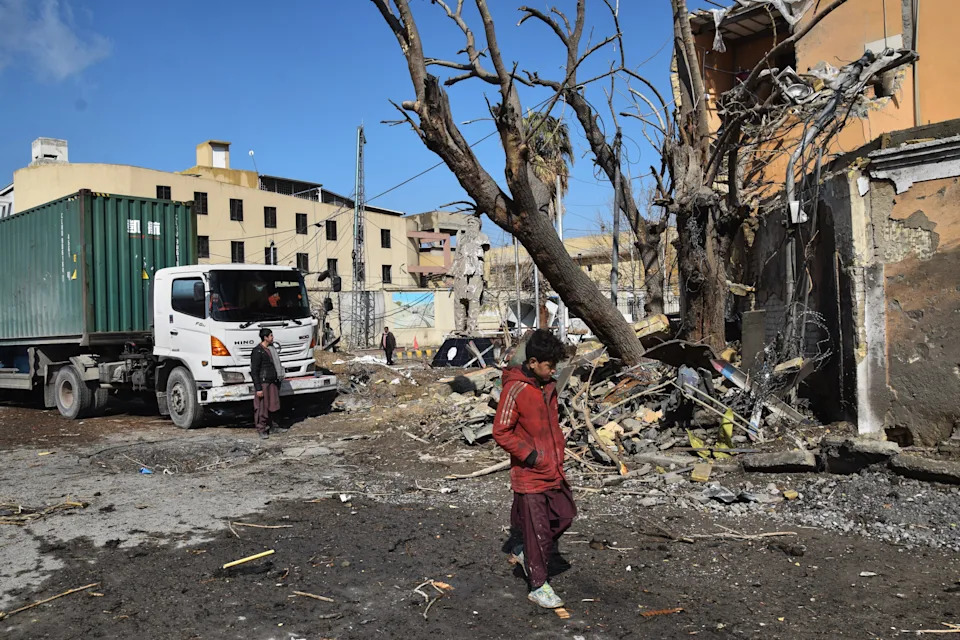
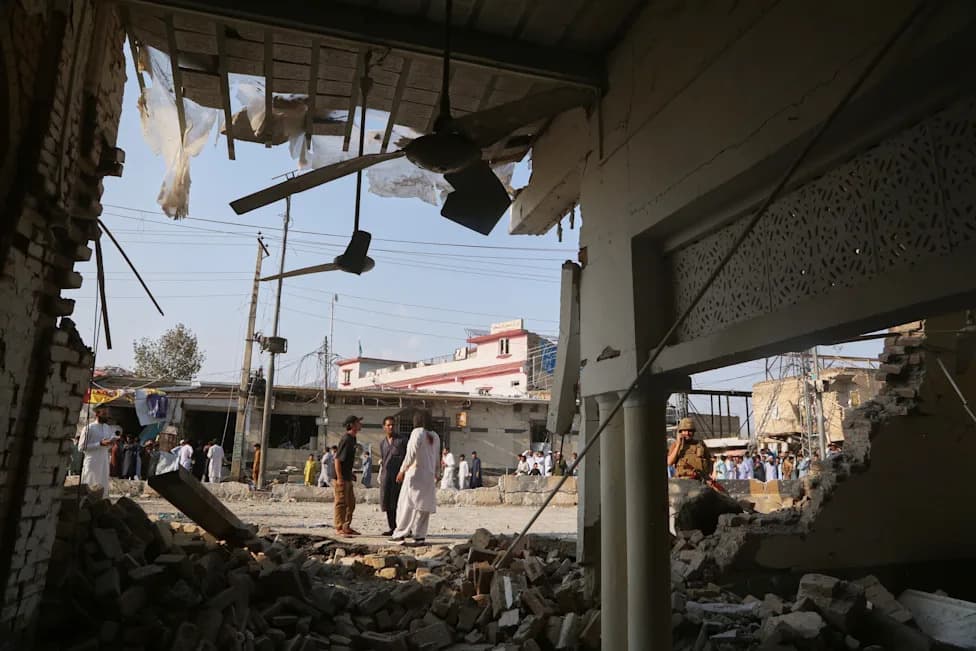
People walk past the site of Saturday's suicide bombing, in Quetta, Pakistan, Sunday, Feb. 1, 2026. (AP Photo/Arshad Butt)(ASSOCIATED PRESS)
Sarfraz Bugti, Balochistan's chief minister, told reporters in Quetta that security forces responded quickly and had killed 145 members of what the government calls "Fitna al-Hindustan," a label used by officials to refer to the outlawed Baloch Liberation Army (BLA). "The bodies of these 145 killed terrorists are in our custody, and some of them are Afghan nationals," Bugti said, adding that the attackers had sought to take hostages but failed to reach the city center.
Bugti spoke alongside senior official Hamza Shafqat, who often oversees counterinsurgency efforts in the province, and praised troops, police and paramilitary forces for repelling the assaults. He accused India and Afghanistan of backing the assailants and said senior BLA leaders were operating from Afghan territory; both Kabul and New Delhi denied the allegations.
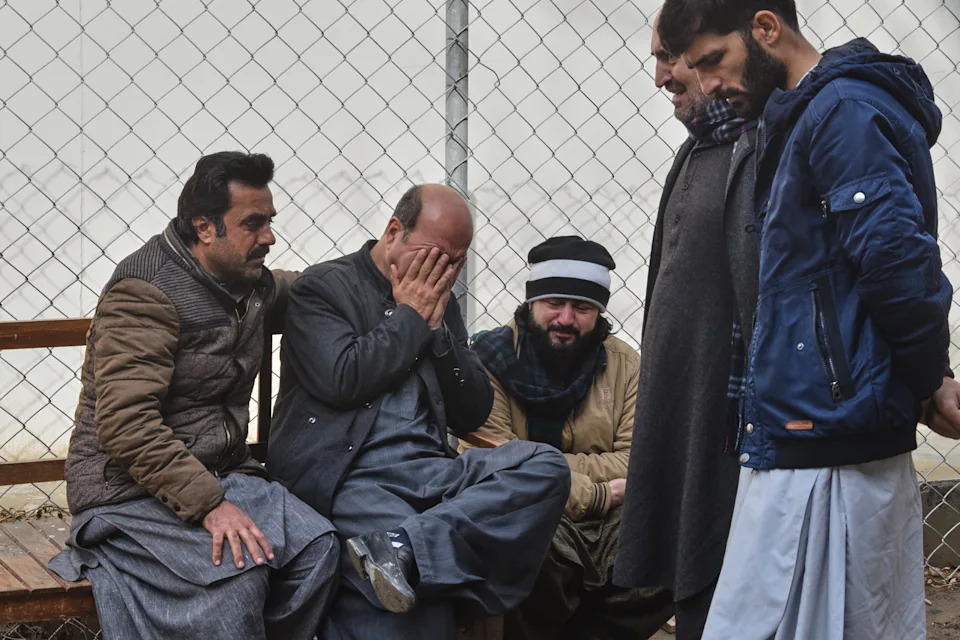
Relatives of police officers who were killed in a militants attack, mourn outside a hospital in Quetta, Pakistan, Saturday, Jan. 31, 2026. (AP Photo/Arshad Butt)(ASSOCIATED PRESS)
The attacks struck a mineral-rich region where Pakistan is trying to attract foreign investment. In September 2025, a U.S. metals company signed a reported $500 million investment agreement with Pakistan — an agreement that followed a U.S. State Department designation of the BLA and its armed wing as a foreign terrorist organization the previous month.
Residents described scenes of panic after a suicide bombing struck, killing several police officers. "(It) was a very scary day in the history of Quetta," said Khan Muhammad, a local resident. "Armed men were roaming openly on the roads before security forces arrived."
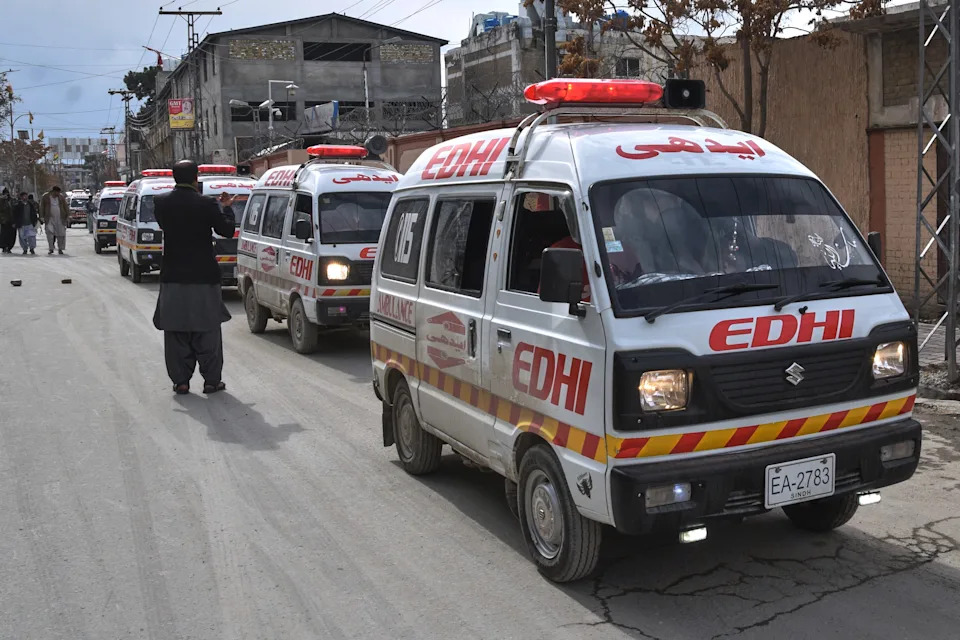
A journalist takes photo with his mobile phone to ambulances carrying the bodies of police officers who were killed in a militants attack, outside a hospital in Quetta, Pakistan, Saturday, Jan. 31, 2026. (AP Photo/Arshad Butt)(ASSOCIATED PRESS)
Bugti said militants stormed the home of a Baloch laborer in Gwadar and killed five women and three children, and he condemned the killings. He added that attackers had intended to seize hostages and storm government offices in Quetta's high-security zone but were thwarted: "We were aware of their plans, and our forces were prepared," he said.
The BLA is banned in Pakistan and has claimed or been blamed for numerous attacks in recent years, often targeting security forces, Chinese interests and infrastructure projects. Pakistani authorities say the group has cooperated with the Pakistani Taliban (Tehrik-e-Taliban Pakistan, TTP); the TTP is viewed as ideologically aligned with Afghanistan's Taliban, which returned to power in August 2021.
Balochistan has long experienced an insurgency led by ethnic Baloch groups seeking greater autonomy or independence from Islamabad. The violence has complicated efforts to develop the province's natural resources and to protect foreign investment and personnel.
Both Afghanistan and India have rejected Pakistan's accusations that they backed the latest attacks. Tensions between Pakistan and Afghanistan had already risen after cross-border strikes and other incidents in recent months.
Ahmed reported from Islamabad.
Help us improve.