Coordinated separatist attacks struck more than a dozen locations across Pakistan's Balochistan province, killing at least 10 security personnel and 11 civilians and prompting heavy clashes that officials said left 67 militants dead. The Baloch Liberation Army claimed responsibility, saying its raids included gun attacks and suicide bombings and involved women attackers. The assaults led to abductions, the freeing of inmates, mobile blackouts and suspended train services; Prime Minister Shehbaz Sharif praised security forces and accused India of backing the separatists. The violence follows recent military operations and long-running unrest in Pakistan's poorest, resource-rich province.
Coordinated Attacks Rock Balochistan: 21 Killed, Dozens Of Militants Reported Dead
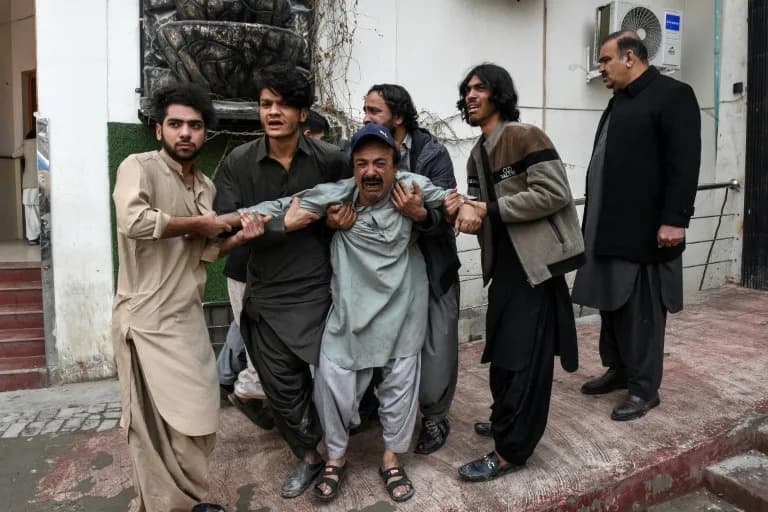
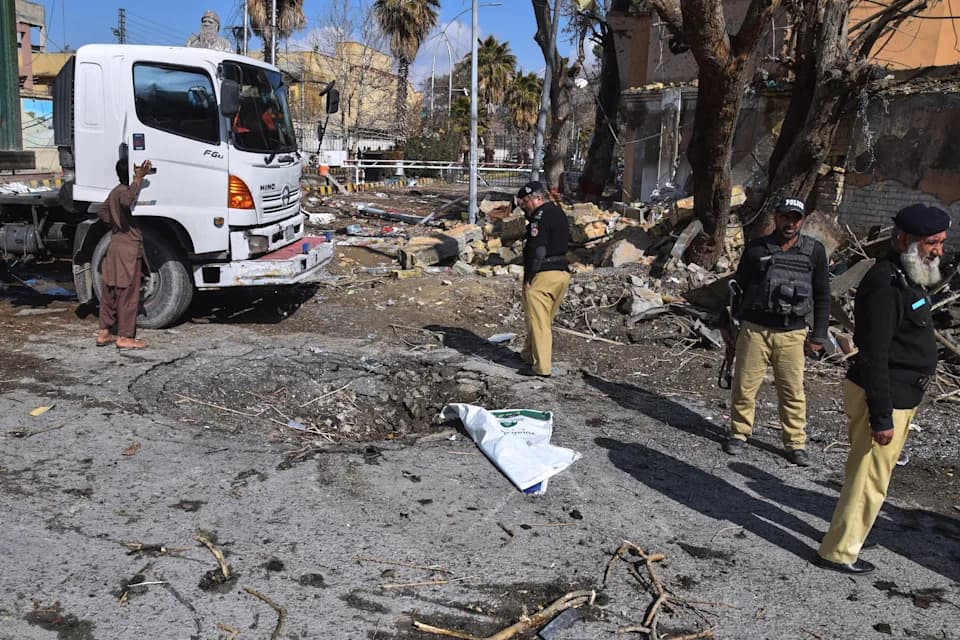
Pakistan has been battling a separatist insurgency in southwestern Balochistan province for decades (Adnan AHMED)(Adnan AHMED/AFP/AFP)
Coordinated separatist attacks swept across Pakistan's southwestern province of Balochistan on Saturday, killing at least 21 people and leaving large-scale destruction and disruption in their wake, officials and witnesses said.
Casualties, Clashes and Claims
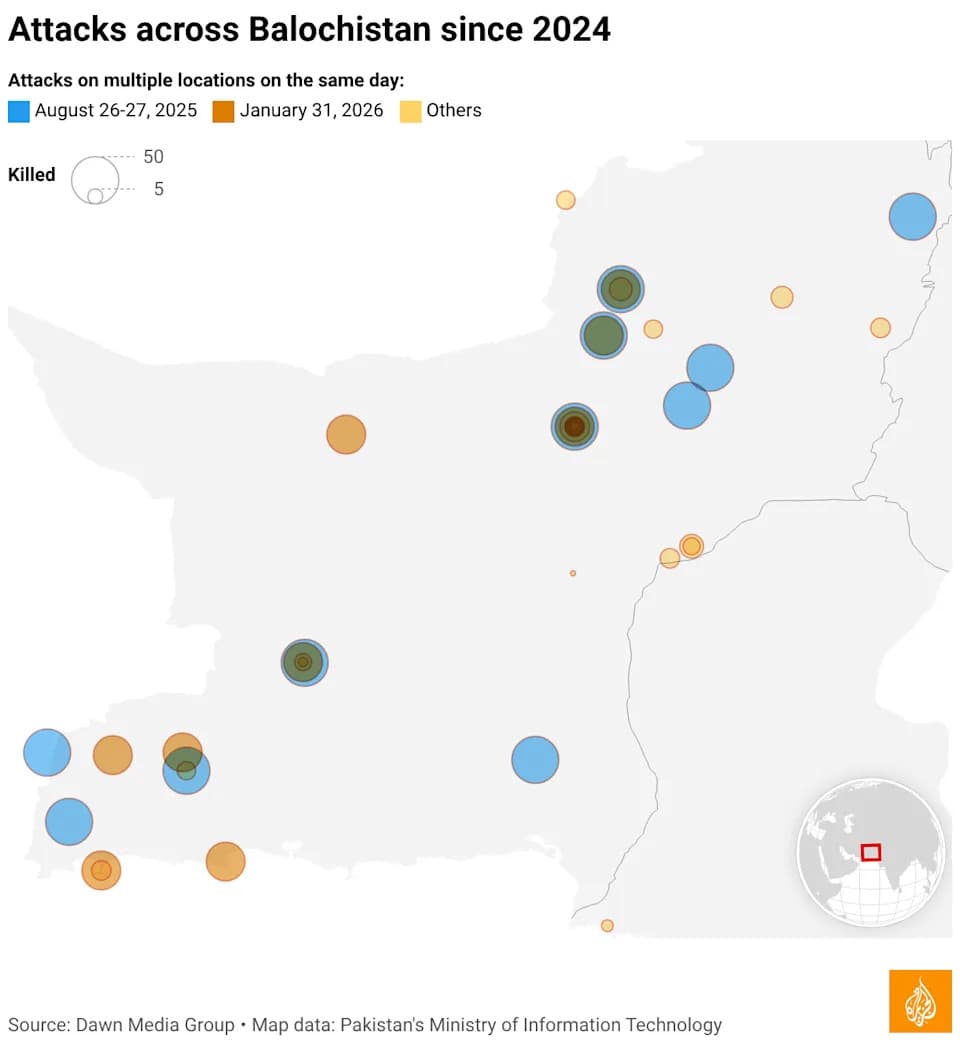
A senior security official, speaking to AFP on condition of anonymity, said the assaults struck "more than 12 locations" early in the morning. The official said "ten security personnel were martyred" and several others were injured. He added that subsequent clashes left 67 militants dead.
Officials also reported 11 civilian fatalities, including three women and three children. The precise circumstances of the civilian deaths were not immediately clear; Baloch separatists have in the past targeted civilians they accuse of collaborating with state agencies.
"Coordinated but poorly executed," a senior military official in Islamabad described the attacks, saying they "failed due to poor planning and rapid collapse under effective security response."
On the Ground in Quetta and Beyond
In the provincial capital Quetta an AFP journalist heard repeated explosions as heavy security deployments closed major roads and forced businesses to shut. Residents described a tense scene of checkpoints and restricted movement.
"Since morning, there have been explosions one after another," said Abdul Wali, a 38-year-old private employee, who struggled to find blood for his hospitalized mother. He added that police officers had warned civilians to retreat under threat of force.
Local officials reported several high-profile incidents: militants abducted a deputy district commissioner; in another district attackers freed at least 30 inmates from a jail and seized firearms and ammunition; and a police station was looted for weapons. Mobile phone services were jammed in affected areas and train services across the province were suspended.
Group Claims and Attack Tactics
The Baloch Liberation Army (BLA), the most active separatist group in the province, claimed responsibility in a statement to AFP, saying it targeted military installations, police and civil administration officials using gun attacks and suicide bombings. The group said it blocked major highways to disrupt military movement and released statements and videos suggesting several women took part in the operations.
Government Response and Context
Prime Minister Shehbaz Sharif praised security forces for "foiling" the attacks and vowed Pakistan would "continue the war against terrorism until its complete eradication," while accusing India of backing separatists in his statement. Sarfraz Bugti, Chief Minister of Balochistan, said security forces had recently killed hundreds of suspected militants and vowed such attacks would not weaken resolve against terrorism.
Saturday's violence followed a military announcement that its forces had killed dozens of ethnic Baloch insurgents in recent operations — including a separate claim that 41 insurgents were killed in two operations the previous day. Balochistan, despite rich natural resources, remains Pakistan's poorest province and has long been the scene of a separatist insurgency targeting security personnel, non-locals and foreign energy projects.
Recent History
The insurgency has produced repeated high-casualty incidents, such as last year's attack on a train carrying 450 passengers that led to a two-day siege and dozens of deaths. In August 2024 militants also carried out coordinated assaults across the province — blowing up bridges, storming hotels and targeting security installations — that killed dozens.
Help us improve.