Balochistan, Pakistan’s largest and poorest province, has experienced a long-running insurgency driven by disputed accession, political marginalisation and grievances over resource extraction. A recent spike in violence — including coordinated January 31 attacks that killed dozens — has underscored the limits of a predominantly military response. Analysts and local scholars argue the crisis is fundamentally political and call for confidence-building measures, truth and reconciliation, and inclusive, institutional dialogue to address enforced disappearances and economic exclusion.
Why Peace Remains Elusive in Pakistan’s Restive Balochistan
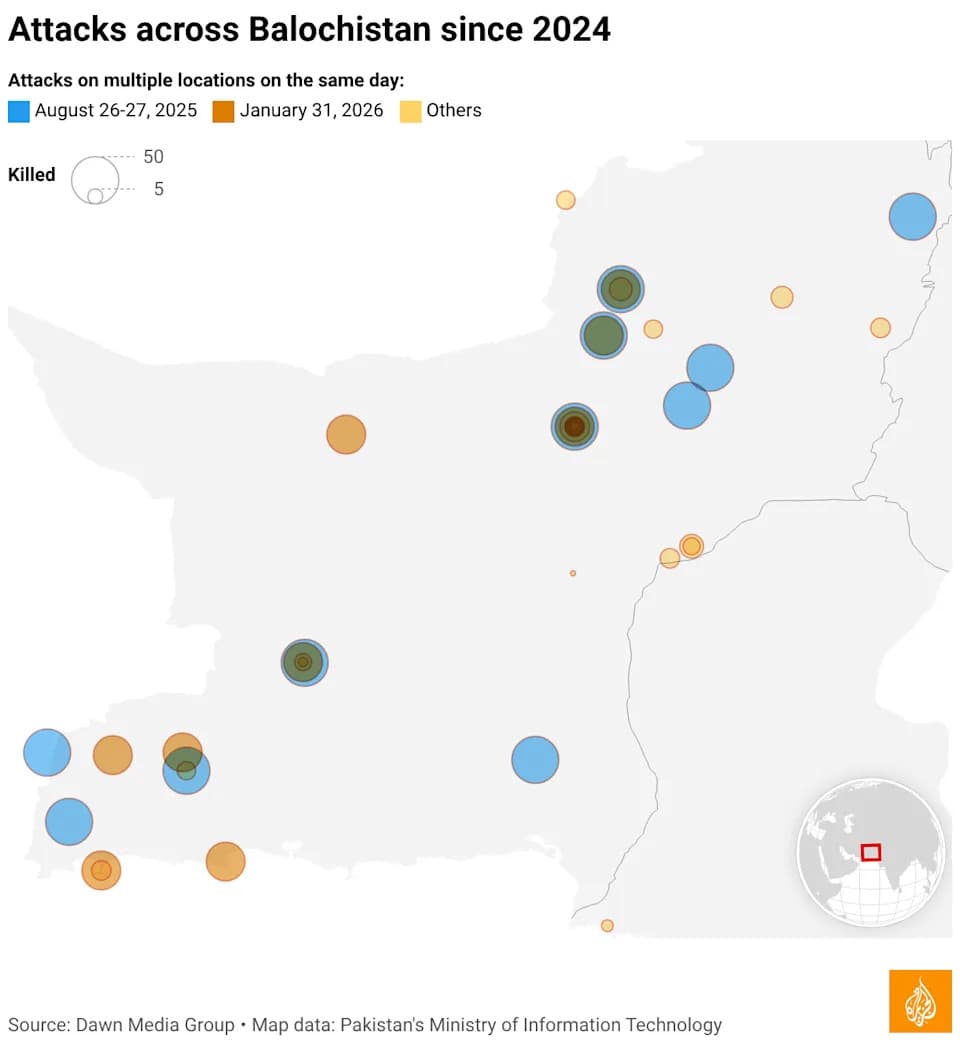
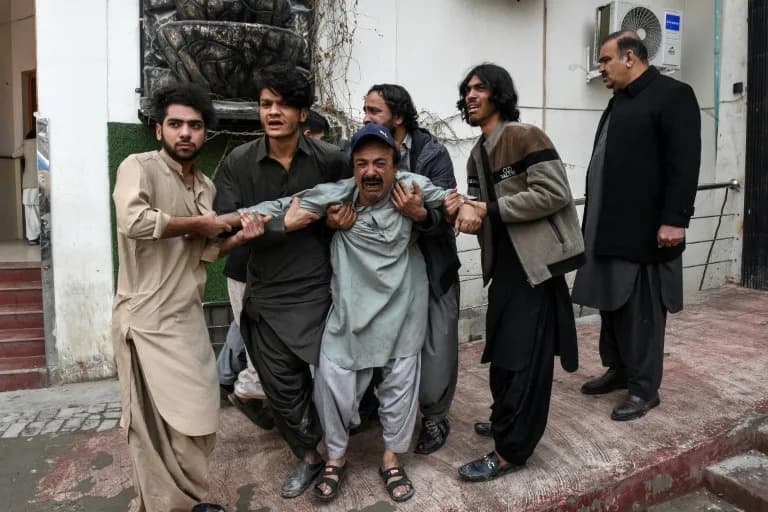
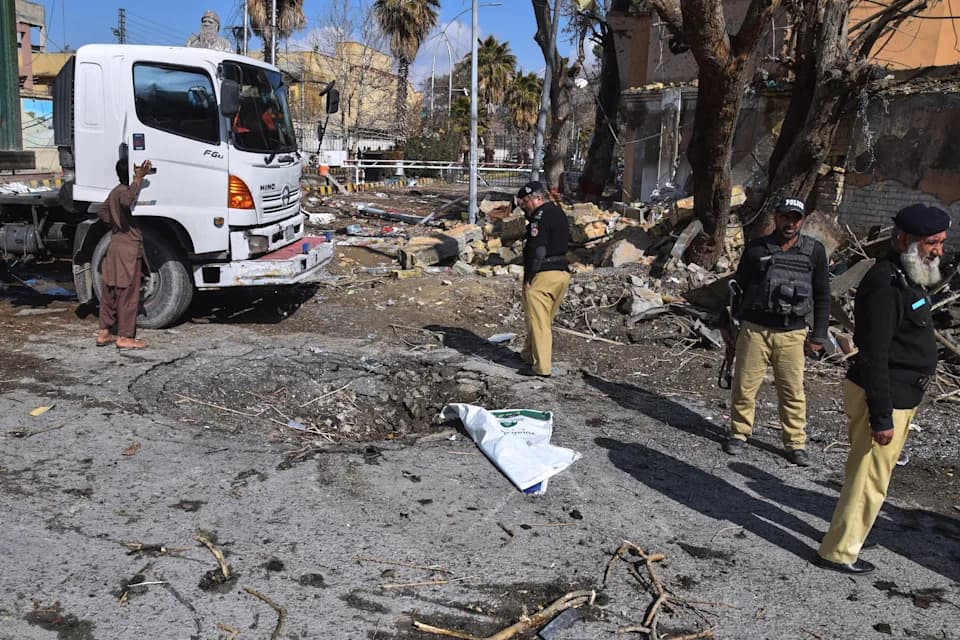
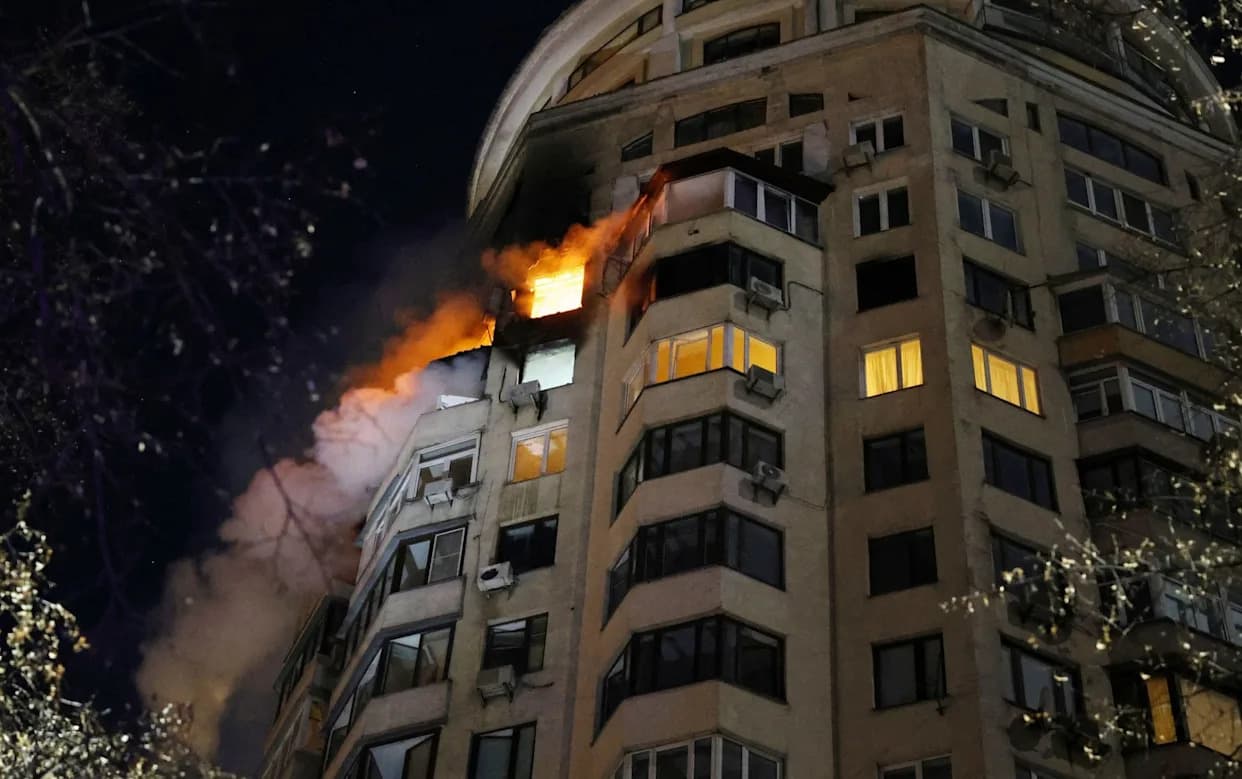
Islamabad — Balochistan, Pakistan’s largest yet poorest province, has been the site of a protracted insurgency rooted in disputed accession, political marginalisation and perceived economic extraction. The decades-long cycle of rebellion and military response has intensified in recent years, culminating in a sharp escalation of violence on January 31 when coordinated attacks struck nearly a dozen towns and cities.
Recent Escalation
Militant groups led by the Baloch Liberation Army (BLA) claimed responsibility for the January 31 assaults, which authorities say killed more than 30 civilians and at least 18 security personnel. Security forces reported that subsequent operations killed over 150 fighters. In the aftermath, the provincial chief minister said the solution lay with the military rather than renewed political dialogue — a position that many analysts contest.
Historical Roots
Balochistan’s uneasy relationship with the central state dates to the end of British rule. On the eve of partition the region was not a single political entity: parts were directly administered as 'Chief Commissioner’s Balochistan' while other areas — Kalat, Makran, Las Bela and Kharan — remained princely states. The 1948 accession of the Khanate of Kalat to Pakistan, followed by an early rebellion led by Abdul Karim, is widely remembered by nationalists as a "forced accession" and set a precedent for later resistance.
Major uprisings followed in 1958 (in reaction to the One Unit policy), in the 1960s (opposition to military rule and calls for political rights), and most violently in the 1970s after the dismissal of an elected provincial government. The 2000s saw renewed insurgency after high-profile incidents such as the 2005 rape case involving Dr. Shazia Khalid and the 2006 killing of tribal leader Nawab Akbar Bugti during a military operation.
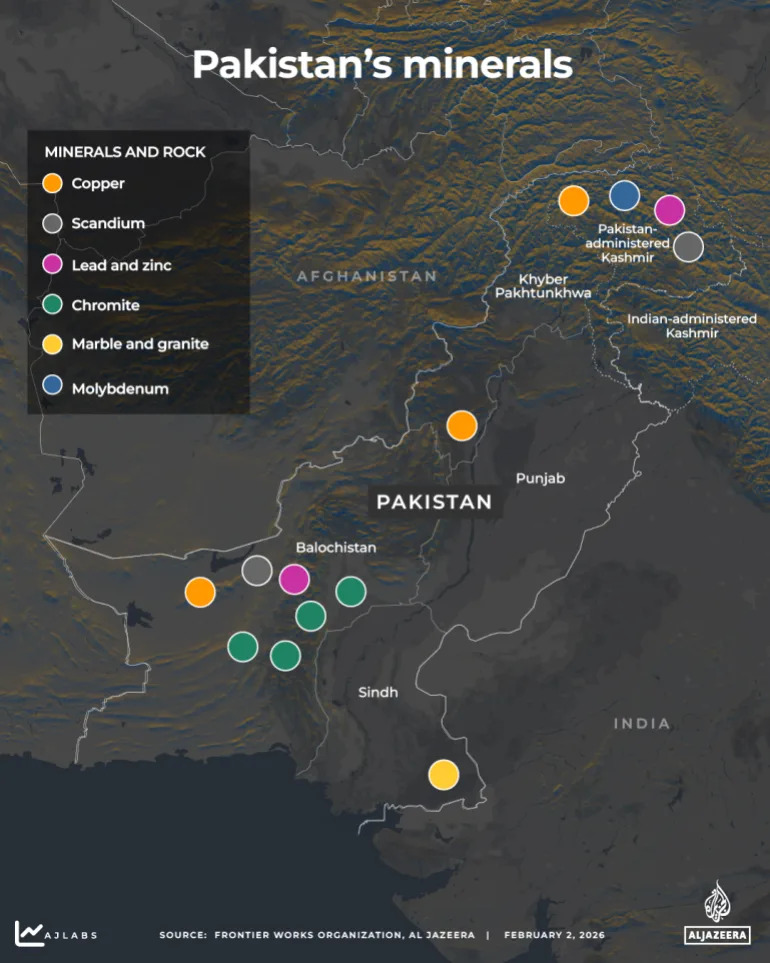
Interactive_Pakistan_Minerals_Feb2_2026
Economic Stakes and Strategic Importance
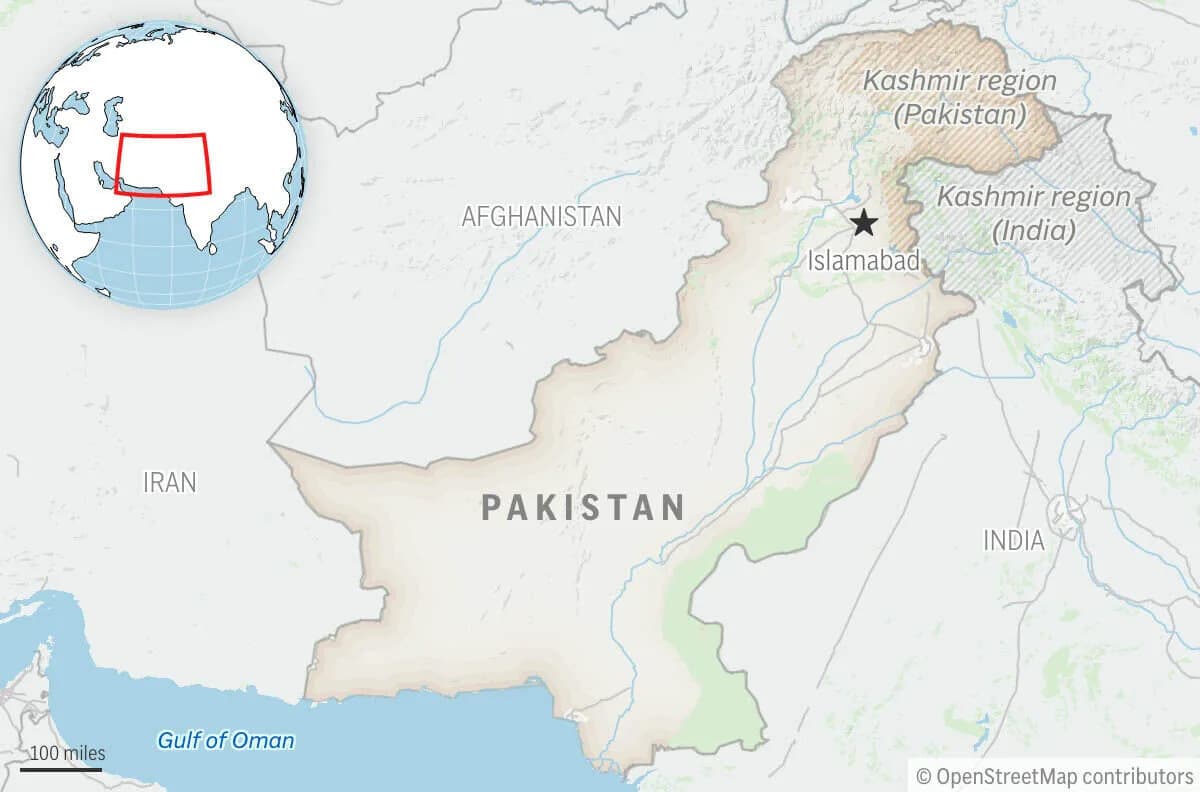
Balochistan contains abundant natural resources and a long coastline that opens onto the Strait of Hormuz. Major projects — including deep-sea port development at Gwadar, large-scale gas extraction, mineral exploration and the $62 billion China–Pakistan Economic Corridor (CPEC) — have turned the province into a strategic prize. Many local communities view these projects as extraction that benefits outsiders while leaving residents marginalised.
Security, Rights, and Allegations
The state has deployed significant security forces across the province. Rights groups and activists allege thousands of enforced disappearances and extrajudicial killings; the government denies responsibility and suggests many missing persons joined insurgent groups. Islamabad has also accused foreign powers, notably India, of fomenting unrest — claims that gained attention after the 2016 arrest of Kulbhushan Jadhav, whom Pakistan says was an Indian intelligence operative; India has denied the allegation.
Analysts' View: Many experts argue that a military-first approach cannot resolve fundamentally political grievances. They call for confidence-building measures, resolution of disappearances, credible political representation and structured dialogue.
Why Military Measures Fall Short
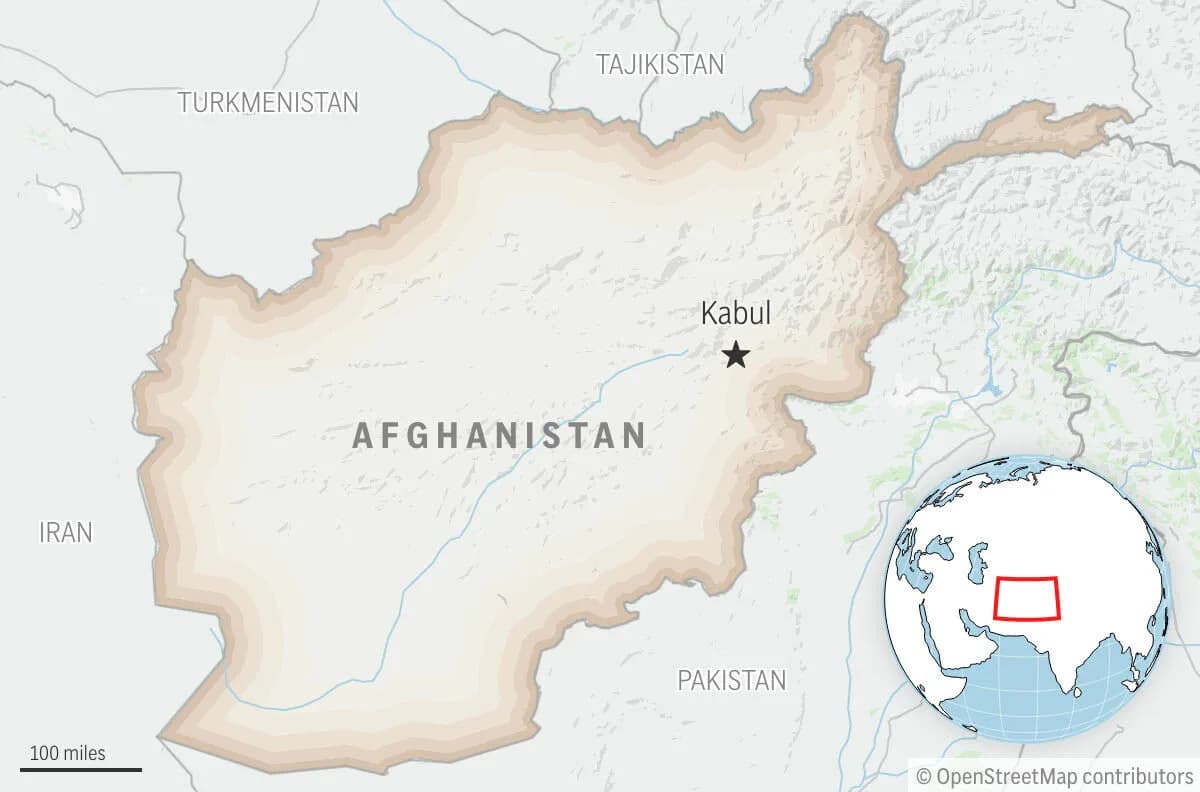
Balochistan accounts for roughly 44% of Pakistan’s land area but just over 6% of its population. Its rugged, arid terrain and porous borders with Iran and Afghanistan provide insurgent sanctuaries and complicate conventional counterinsurgency. Scholars note that when the state rules through coercion rather than building trust, local intelligence and cooperation dry up, allowing periodic strikes that expose security gaps.
Paths Toward a Durable Solution
Analysts and local experts recommend a recalibrated approach that treats the crisis as political: independent inquiries into disappearances, measures to ensure electorally legitimate representation, economic programs that deliver tangible benefits to local communities, and a credible Truth and Reconciliation mechanism to rebuild trust. Without these steps, the conflict is likely to remain cyclical.
Note: This article summarises complex and contested events drawing on official statements, activist reports and expert commentary. Figures and claims are reported as presented by respective parties.
Help us improve.