El Helicoide, an unfinished 1950s complex in Caracas that became one of Venezuela’s most infamous detention and torture centres, will be closed as a prison and redeveloped as a sports, cultural and commercial facility, the acting president announced. Human rights groups and survivors welcome the closure but oppose turning the site into recreational space that could erase documented abuses. Activists call for the complex to be preserved as a memorial or museum, demand compensation for wrongfully imprisoned people, and insist former detainees and civil society must be included in amnesty and reparations discussions.
Venezuela to Repurpose Notorious El Helicoide: Closure Praised, Critics Demand Memorialisation
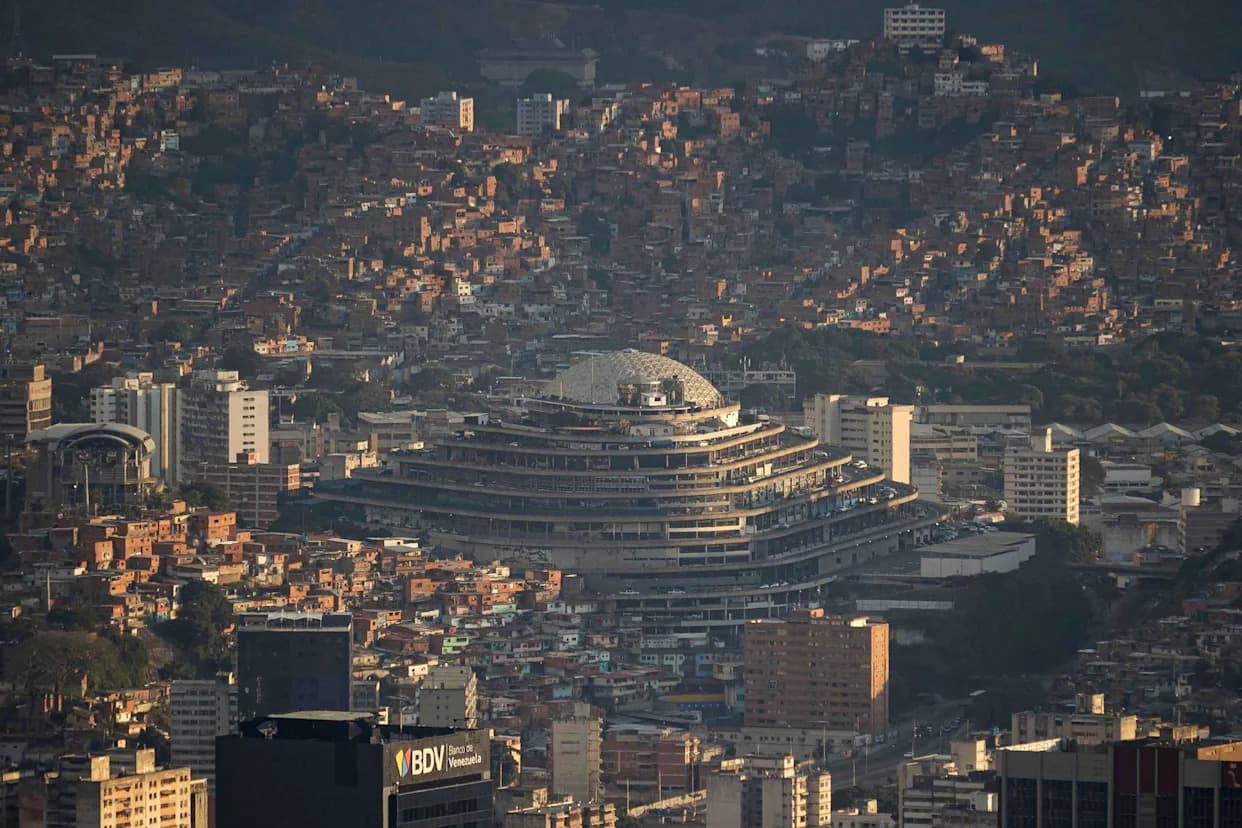
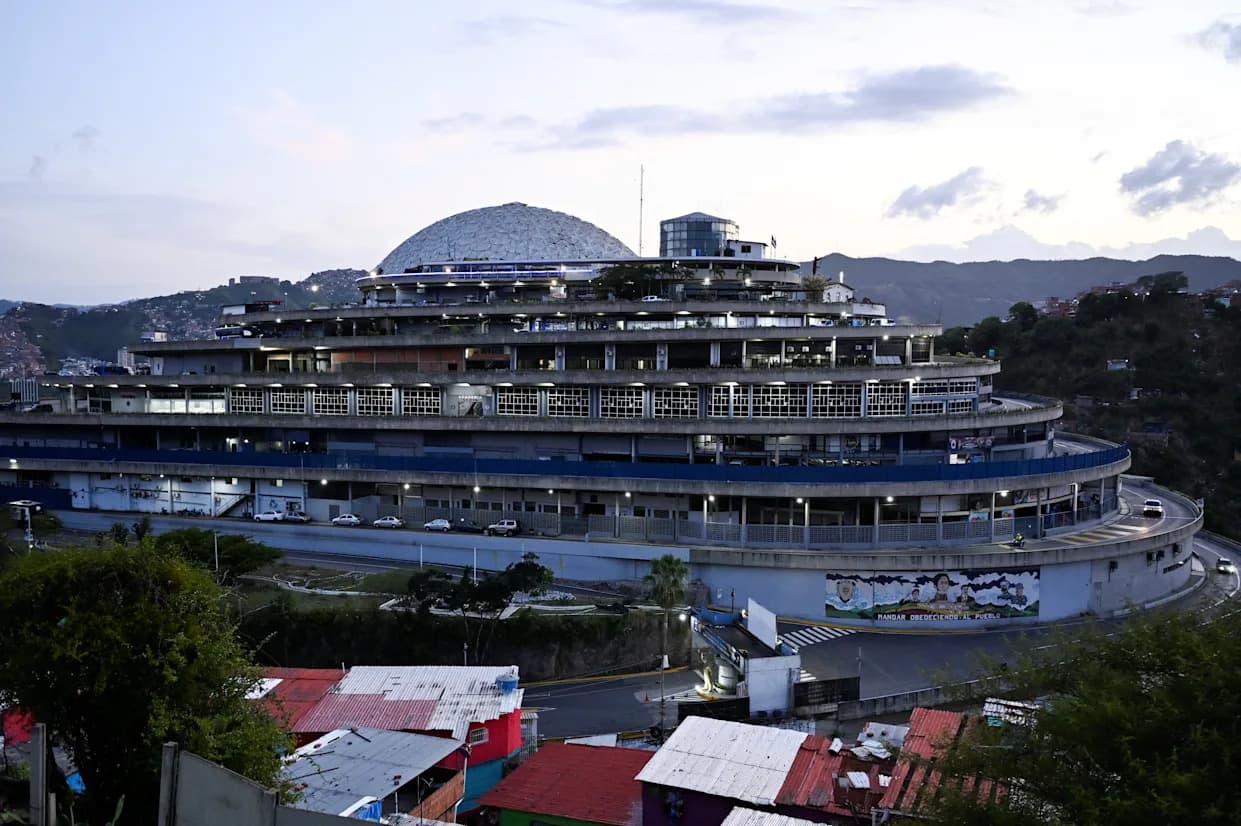
An overview of El Helicoide in Caracas, Venezuela, last month.Photograph: Ronald Pena R/EPA(Photograph: Ronald Pena R/EPA)
The unfinished 1950s concrete complex El Helicoide in central Caracas—originally planned as a futuristic, drive‑through shopping centre—will be closed as a detention site and converted into a sports, cultural and commercial centre, acting president Delcy Rodríguez announced. The decision has been welcomed by some as an end to a deeply abusive chapter, but survivors, human rights groups and activists warn the plan risks erasing a history of documented torture and political repression.
A Building With a Troubled Past
Conceived during the Marcos Pérez Jiménez dictatorship, El Helicoide was meant to house some 300 shops, cinemas, a hotel, a concert hall and even a heliport. Construction halted after Pérez Jiménez was overthrown in 1958, and over subsequent decades the complex served various roles: a temporary shelter in the 1970s, a crime hotspot, and later the headquarters of Venezuela’s domestic intelligence service.
From Intelligence HQ to Notorious Prison
Under Hugo Chávez and later Nicolás Maduro, sections of the structure were repurposed into detention cells. The Bolivarian National Intelligence Service (Sebin) used El Helicoide as a detention centre for political prisoners; reports by human rights organisations and a United Nations mission documented systematic abuse, including electric shocks, beatings, suffocation and prolonged bans on family visits. In recent years the facility and Sebin operations were reportedly under Delcy Rodríguez’s authority.
Closure, Conversion—and Controversy
Rodríguez said the complex will be redeveloped as a “sports, cultural and commercial centre for police families and neighbouring communities.” She framed the move as part of broader measures the government is promoting to show change in the wake of recent political developments.
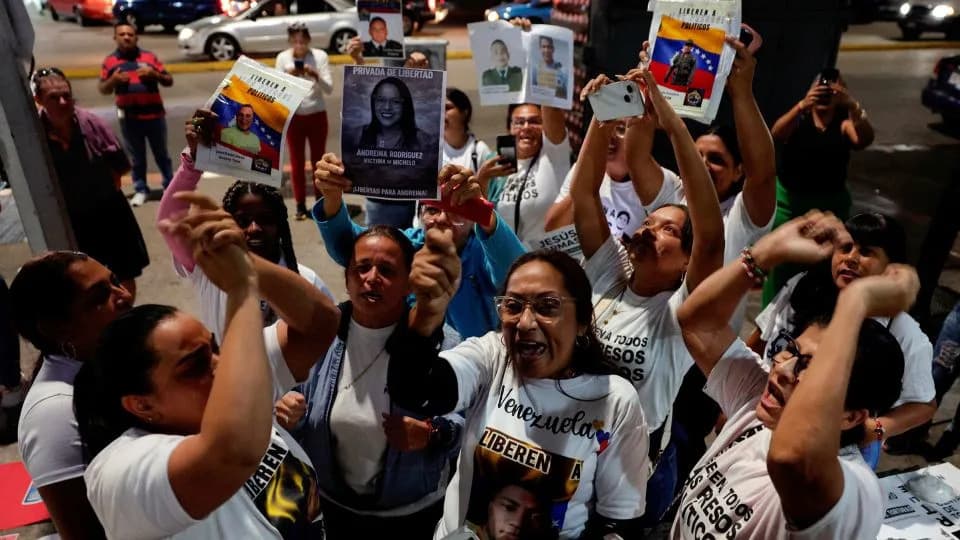
“The horrors committed at El Helicoide have already been sufficiently documented and exposed,” said Martha Tineo, coordinator of the NGO Justicia, Encuentro y Perdón (JEP), which has supported political prisoners and their families for years.
Tineo and other activists welcome the closure of the detention facilities but oppose converting the site into purely recreational uses that could obscure or sanitise its history. They argue El Helicoide should be preserved as a memorial or museum—similar to Argentina’s Escuela de Mecánica de la Armada (ESMA)—to document abuses, provide reparations and help prevent future violations.
Voices of Survivors
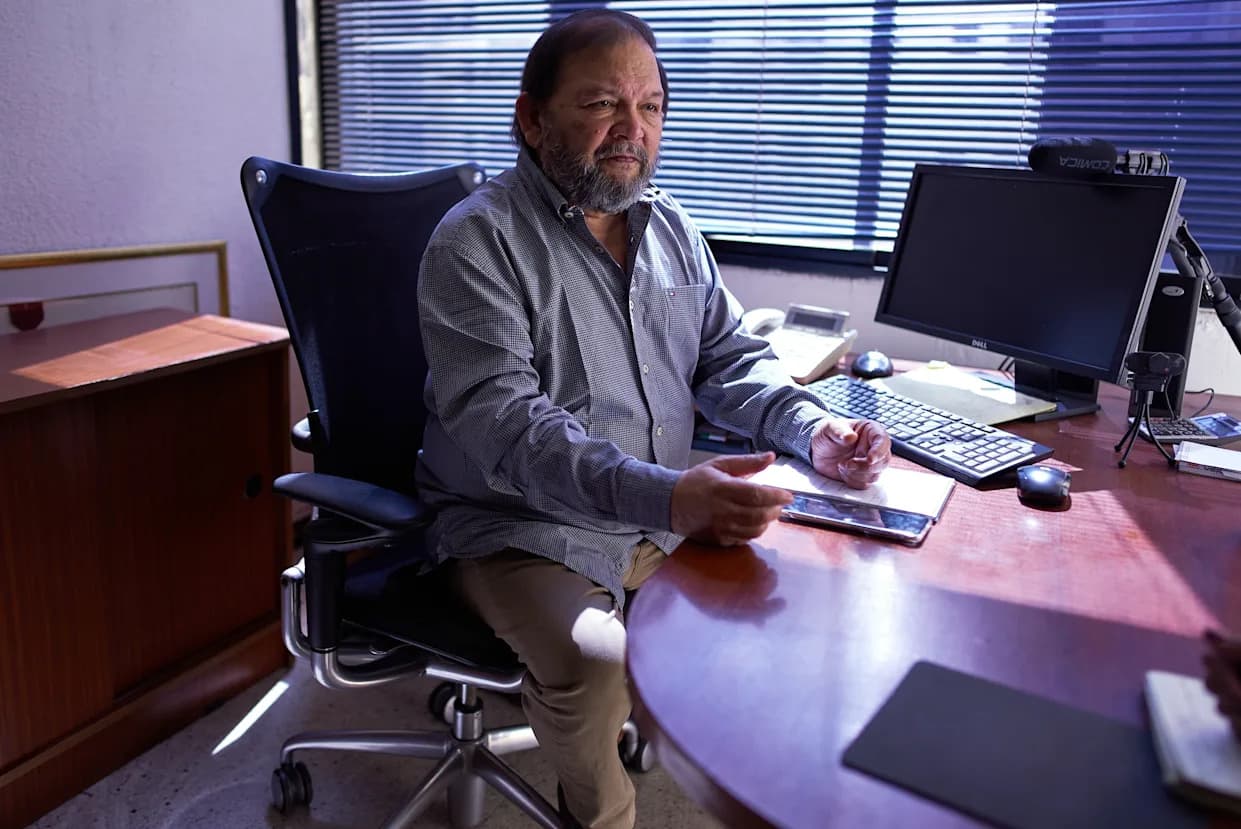
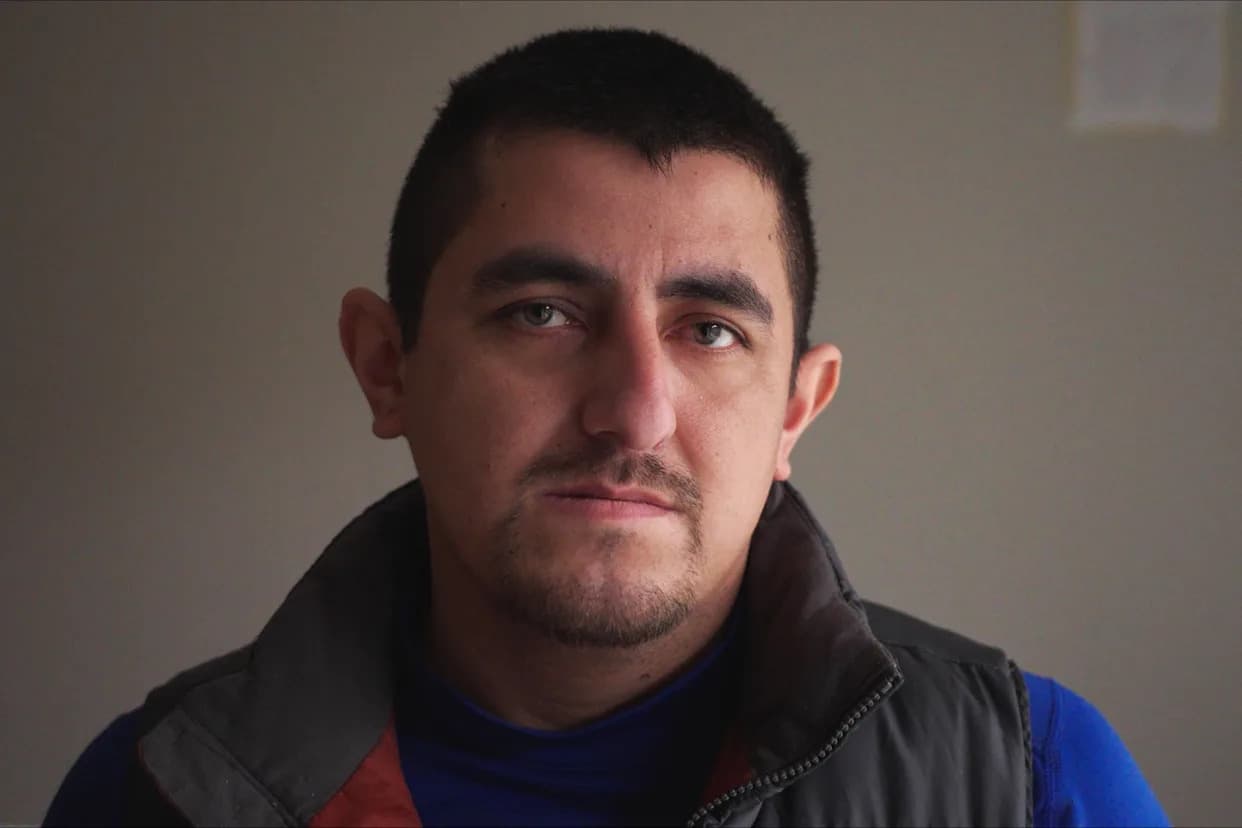
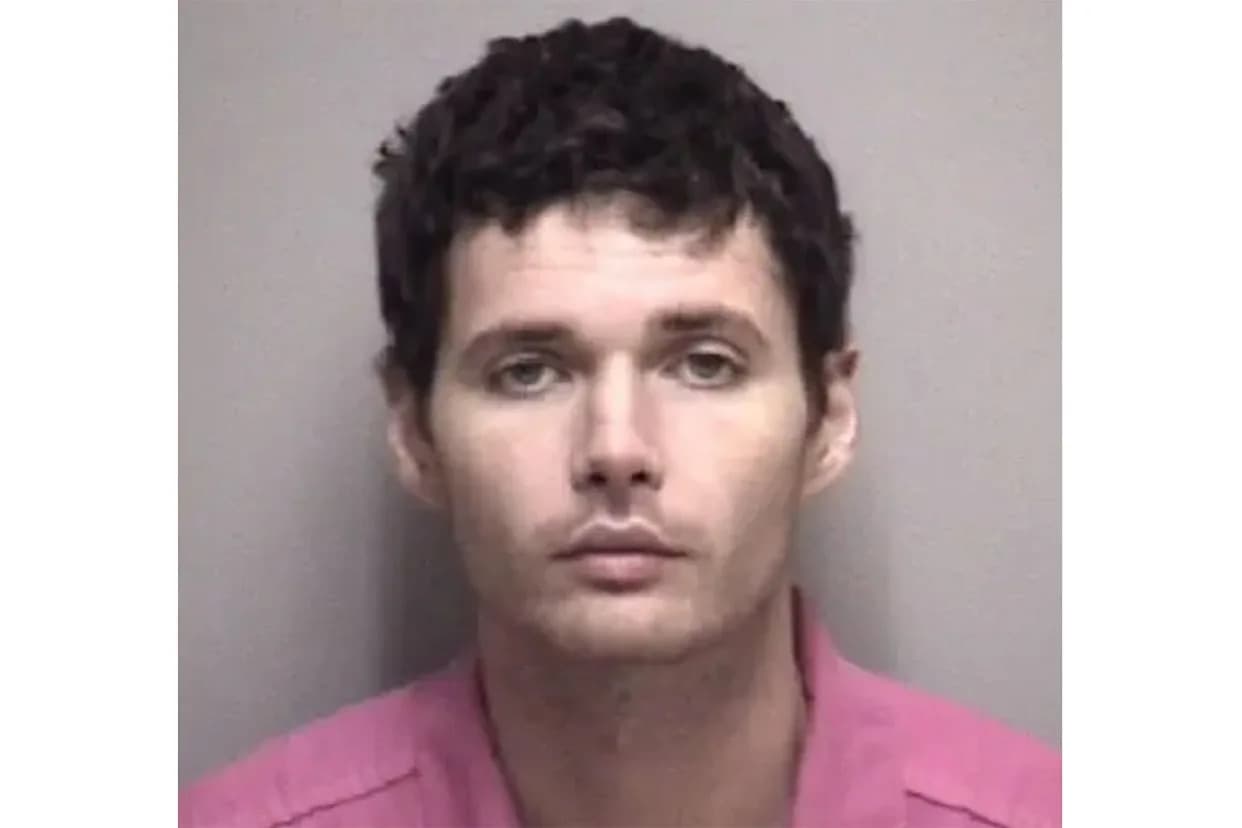
Engineer and activist Ángel Godoy, 52, who spent nine months in El Helicoide last year, said he was not physically tortured there but was denied contact with his family for the first three months. Arrested during a government crackdown on opposition efforts to collect voting records after the 2024 election, Godoy was charged with terrorism, incitement to hatred and calls to armed action. He was later transferred to Yare prison and released after 372 days on 14 January, subject to restrictions including monthly court reporting and a travel ban.
“I think I will only truly be free when each and every one of my fellow prisoners is out of those unjust cells,” Godoy said, reflecting the view of many released detainees.
Outstanding Concerns
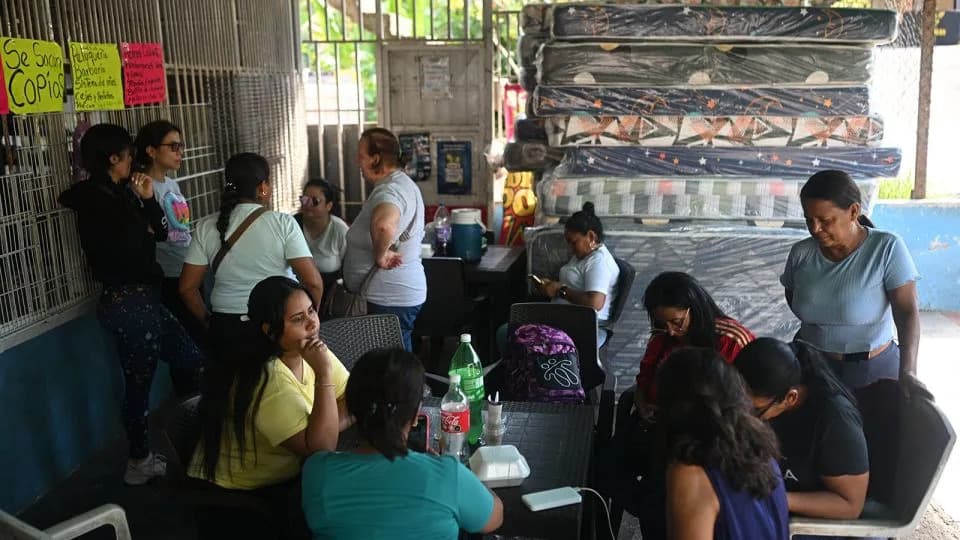
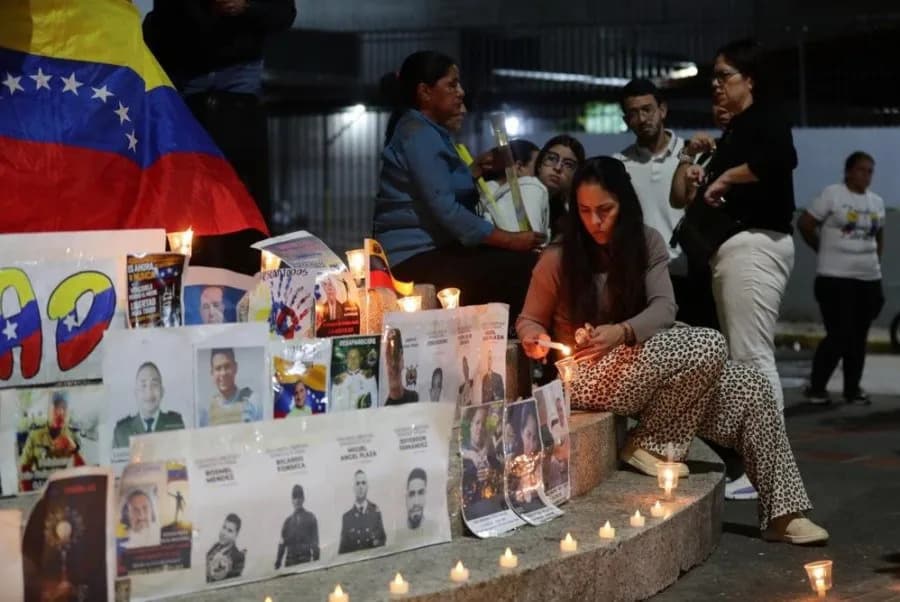
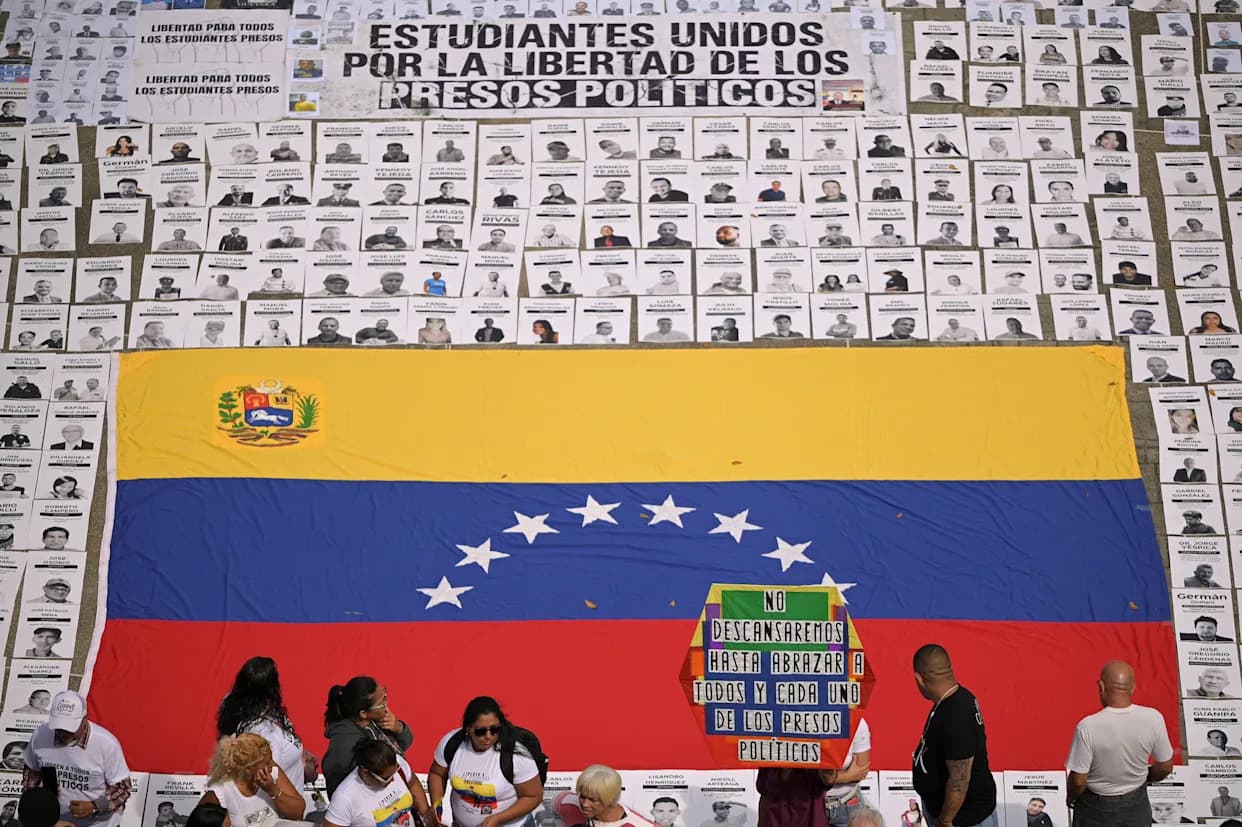
Activists estimate between 600 and 800 political prisoners remain jailed despite Rodríguez’s pledge to send an amnesty bill to the National Assembly. Observers warn the measure may exclude those convicted of serious crimes such as homicide, and that many political detainees were charged with unproven allegations—including alleged assassination plots—against Maduro.
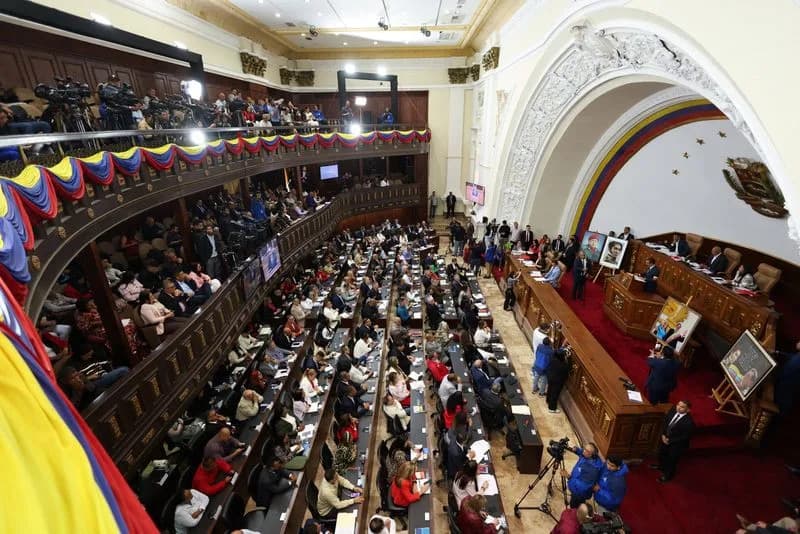
Tineo has called for meaningful participation by political prisoners, former detainees (including families of those who died in custody), and civil society in discussions about any amnesty and reparations. Critics also highlight recent legislation, such as a new oil industry law passed with limited public debate, as evidence that the current administration may preserve elements of past governance rather than enact deep reform.
“Trying to carry on as things were in the past would amount to confirmation that there is no real will for change from the government,” Tineo said.
The government has not yet published detailed plans or a timeline for the conversion, nor has it committed to preserving the building’s history as part of the redevelopment. Activists say any transition should prioritise truth, memory and reparations alongside community uses.
Help us improve.