Human rights activist Javier Tarazona has been released after 1,675 days in detention, his family said. Foro Penal says it has verified more than 300 political prisoner releases since January 8, while government officials claim over 600 but have not published an official list. Vice President Delcy Rodríguez unveiled a draft amnesty law that could cover hundreds of detainees and transform the Helicoide prison into a community complex. Rights groups warn more than 700 political detainees remain jailed and are calling for charges to be revoked.
Venezuelan Rights Activist Javier Tarazona Freed After More Than Four Years as Prisoner Releases Continue
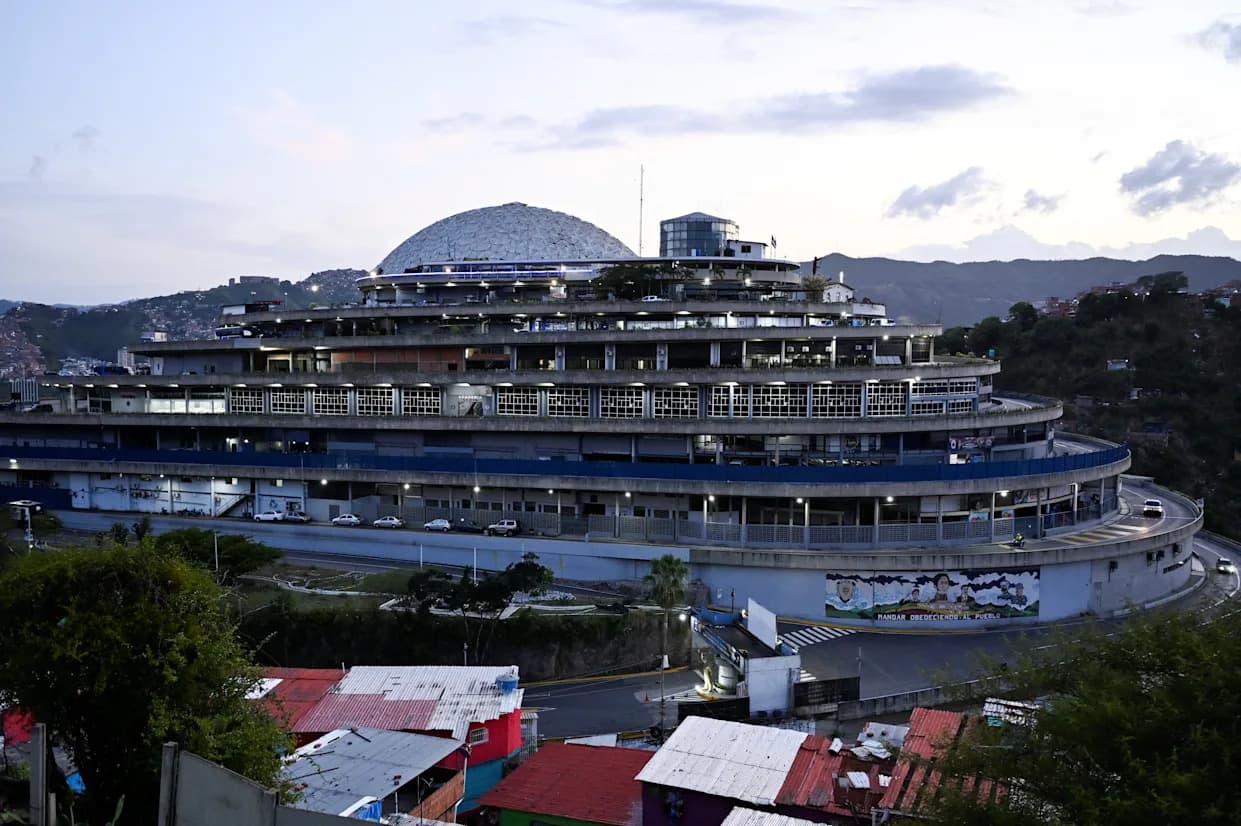
The Helicoide detention centre in Caracas, where Venezuela holds many of its political prisoners, would be turned into a sports and social services complex under a plan by interim President Delcy Rodriguez [Maxwell Briceno/Reuters]
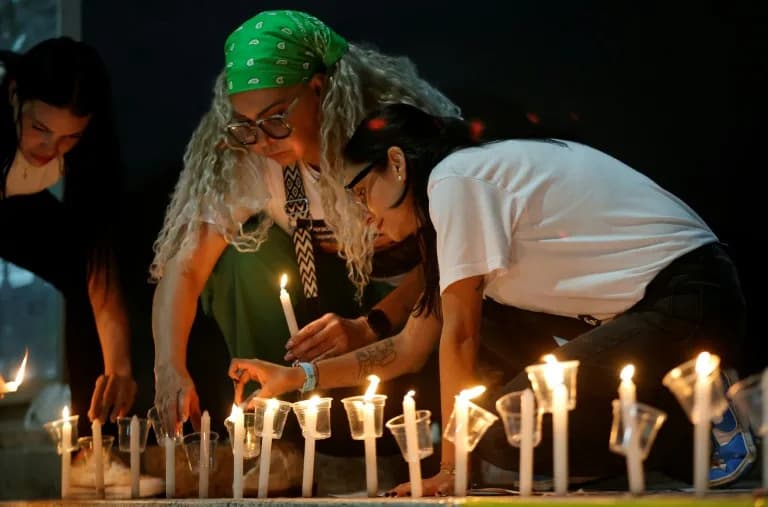
Venezuelan human rights activist Javier Tarazona has been released from detention after 1,675 days — more than four years — his family said, in a wave of prisoner releases that rights groups and families say remains incomplete.
"After 1,675 days, 4 years and 7 months, this long-awaited day has arrived. My brother Javier Tarazona is FREE," Jose Rafael Tarazona wrote on X. "One person's freedom is everyone's hope."
Verified Releases and Disputed Figures
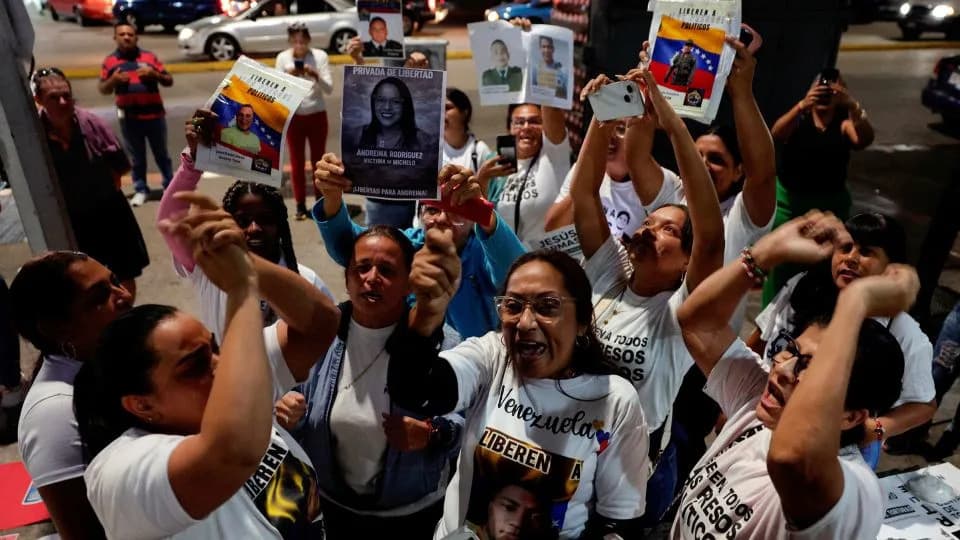
Legal rights group Foro Penal said Tarazona was freed along with several other detainees from the Helicoide detention centre in Caracas and that it has verified more than 300 political prisoners released since the government announced a series of releases on January 8. Government officials have offered a higher figure — saying more than 600 people have been released — but have not published an official list or provided clear timelines, and appear to include releases from previous years.
Amnesty Proposal and Helicoide Plans
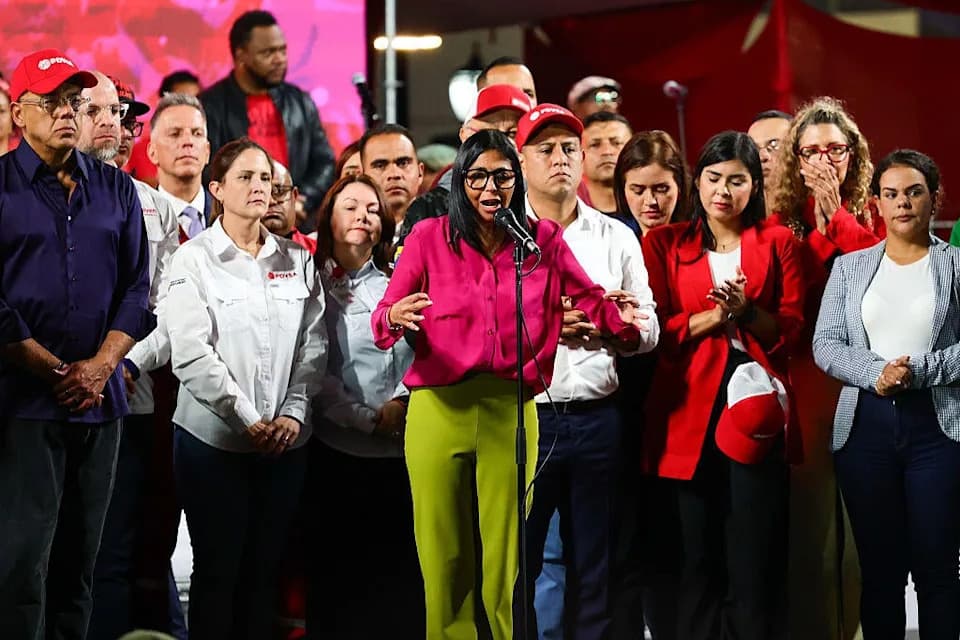
Vice President Delcy Rodríguez unveiled a draft amnesty law she said could cover hundreds of detainees. She also said the Helicoide — a detention centre long criticised by rights organisations for abuses — would be repurposed as a sports and social services complex if the plan proceeds.
Who Is Javier Tarazona?
Tarazona directs FundaRedes, an organisation that documents alleged abuses by Colombian armed groups and by elements of the Venezuelan military along the shared border. He was detained in July 2021 and accused of "terrorism" and conspiracy — charges that his family, colleagues and many rights defenders say are politically motivated.
Unfinished Business
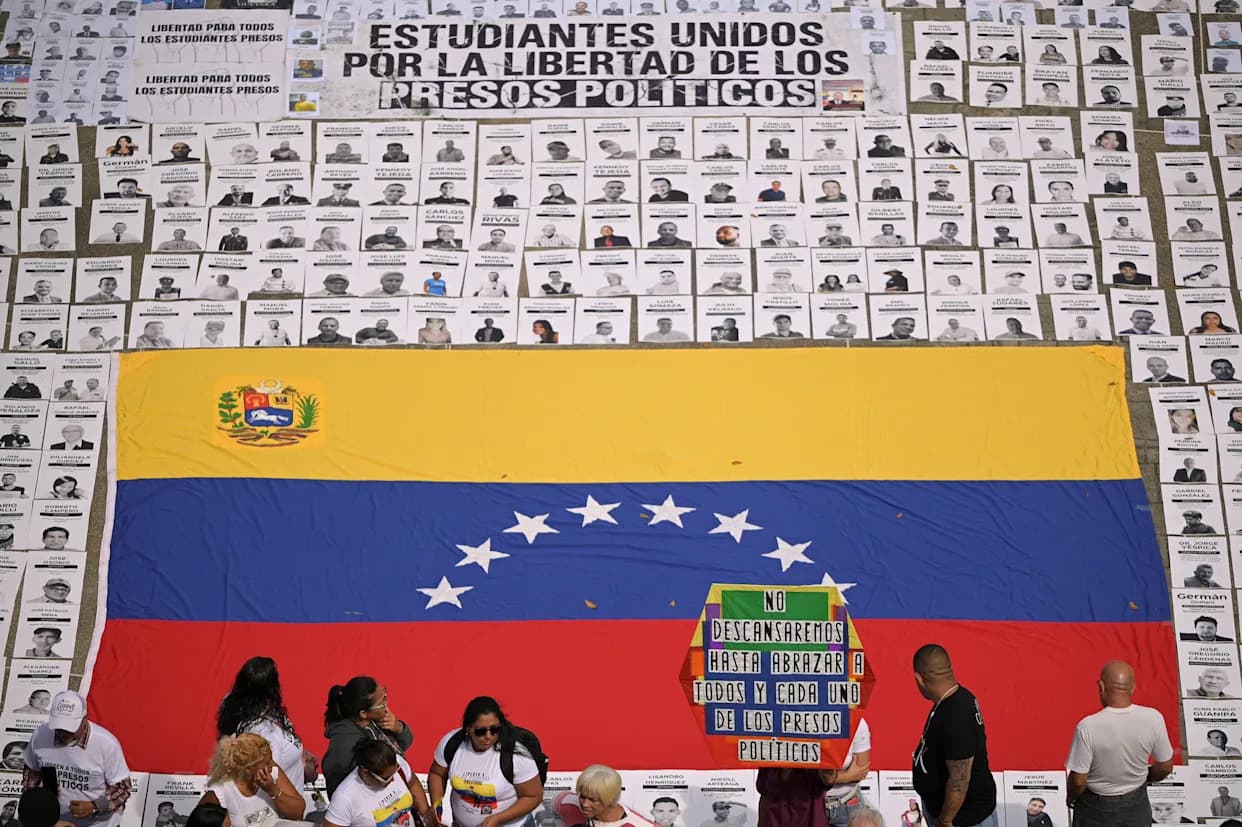
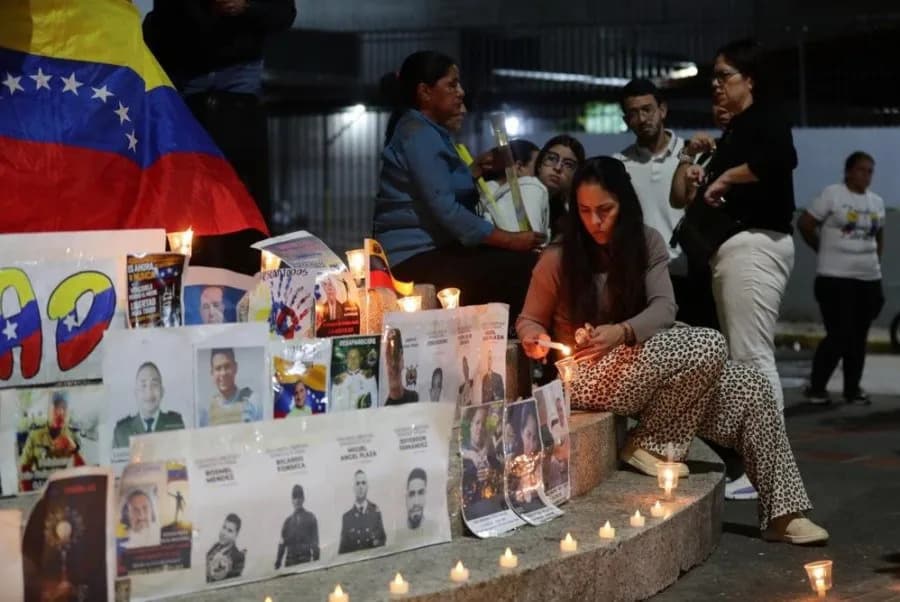
Foro Penal and families warn that many detainees remain behind bars: an updated count from the group now lists more than 700 people it considers political prisoners, including cases previously unreported by fearful relatives. Rights advocates and relatives continue to demand that charges and convictions against detainees regarded as political prisoners be revoked.
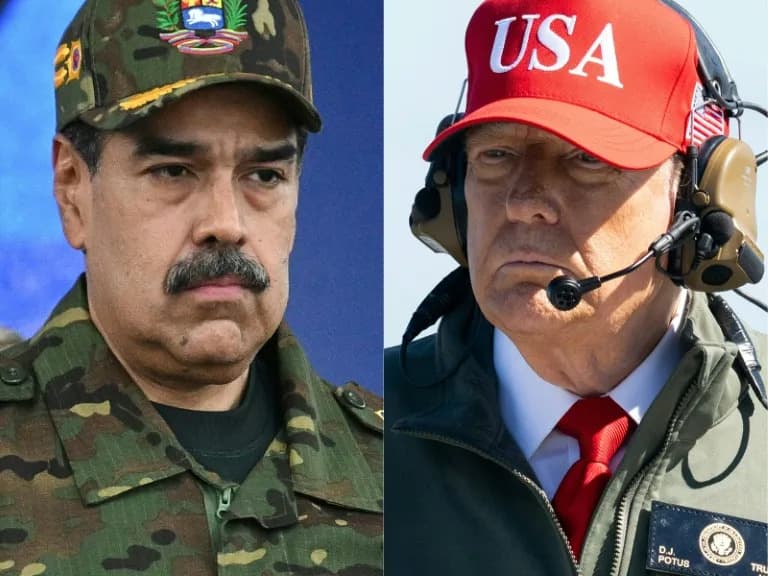
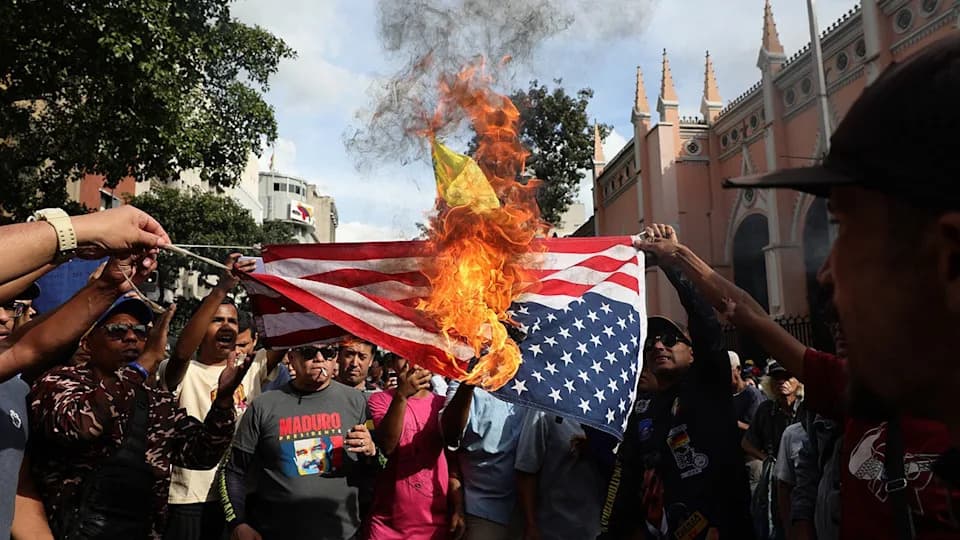
These releases were announced as the top United States envoy for Venezuela arrived in Caracas to reopen a U.S. diplomatic mission, seven years after ties were cut. Some online posts circulated an unverified claim that U.S. forces had abducted President Nicolás Maduro; there is no credible evidence to support that allegation, and it contradicts verified reporting on the situation.
What Comes Next
Key questions remain: how many detainees will be covered by the amnesty, whether charges will be formally revoked, and how swiftly remaining prisoners will be freed. Rights groups say transparency — including an official list of releases and clear timelines — is essential for confidence that the process is genuine.
Help us improve.