The Venezuelan National Assembly unanimously approved the first of two votes on a broad amnesty bill that would pardon people jailed for political protests or criticizing officials and would lift international restrictions such as Interpol notices. The draft would restore seized assets, remove political bans and allow exiled opposition figures to return, but it excludes serious crimes such as murder, war crimes, corruption and drug trafficking. It covers alleged offenses from Jan. 1, 1999, to the law's enactment and could free hundreds; rights groups report hundreds have already been released while many remain detained.
Venezuela Assembly Unanimously Clears First Vote on Broad Amnesty for Jailed Protesters
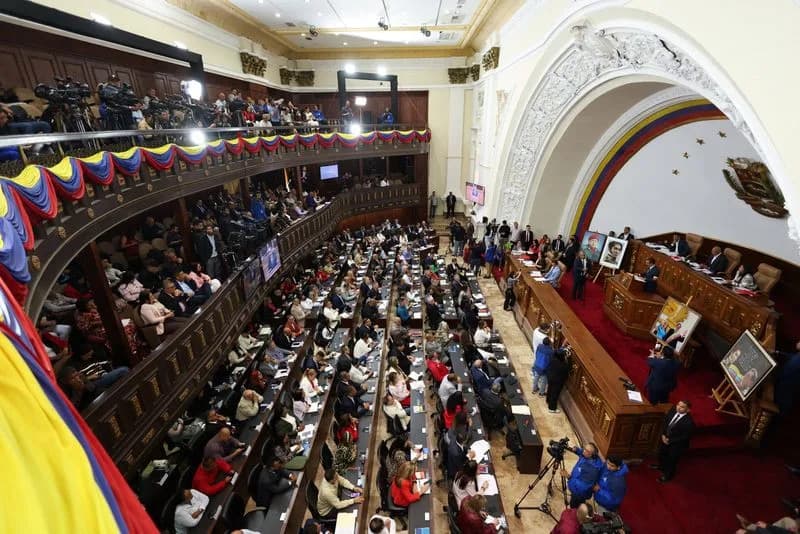
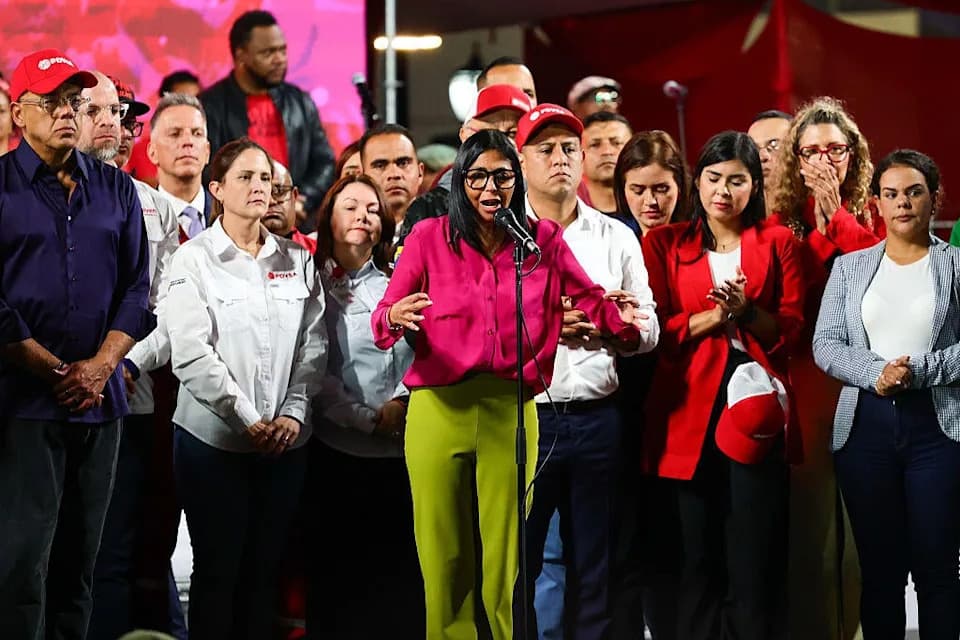
Members of the Venezuela's National Assembly attend an ordinary session to discuss the Amnesty law, at the National Assembly, in Caracas, Venezuela, February 5, 2026. REUTERS/Leonardo Fernandez Viloria
An amnesty bill before Venezuela's National Assembly that would immediately pardon people imprisoned for participating in political protests or criticizing public figures won unanimous approval in the first of two required votes on Thursday.
According to a draft reviewed by Reuters, the proposal would restore assets seized from detainees, annul Interpol red notices and other international measures issued against them, and lift politically motivated bans on holding public office. The draft says these steps would allow opposition figures living abroad to return safely to Venezuela.
The measure passed unanimously in the first reading at the National Assembly, which is controlled by the socialist ruling party. A date for the second and final vote has not yet been set.
The amnesty, announced last week by interim President Rodriguez, could lead to the release of hundreds of people if it is approved in its current form. The move is likely to be welcomed by international actors that have pushed for prisoner releases.
Scope, Exemptions And Implementation
The draft states the amnesty would cover alleged offenses committed between January 1, 1999, and the date the law takes effect. It would be applied immediately to individuals who acted peacefully or who have urgent health needs.
Exemptions: The bill would not grant amnesty to people convicted of human rights violations, war crimes, murder, corruption, or drug trafficking. Other offenses — including instigating illegal activity, resisting authorities, damaging property, rebellion, treason and illegal possession of weapons — would be covered if they occurred in the context of political protests.
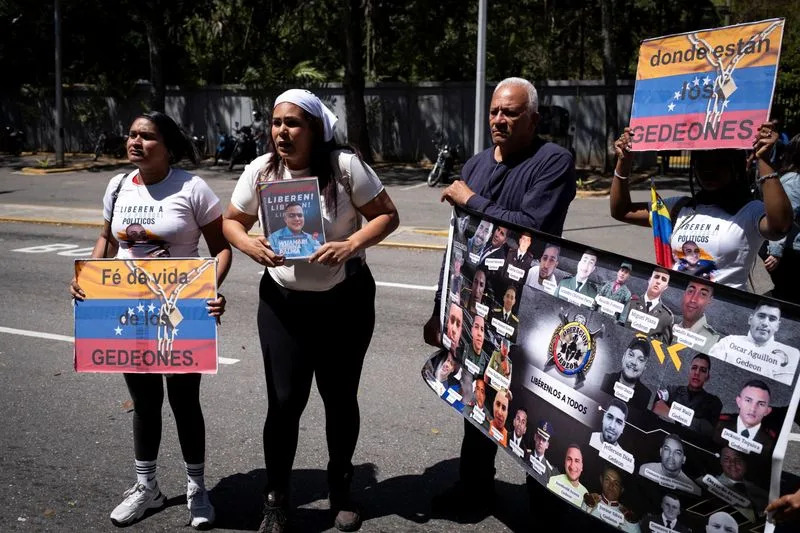
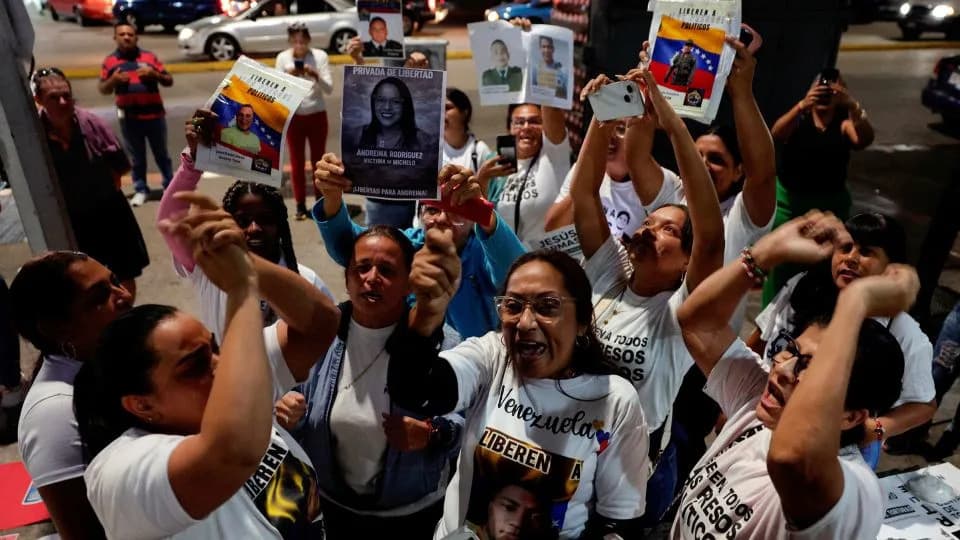
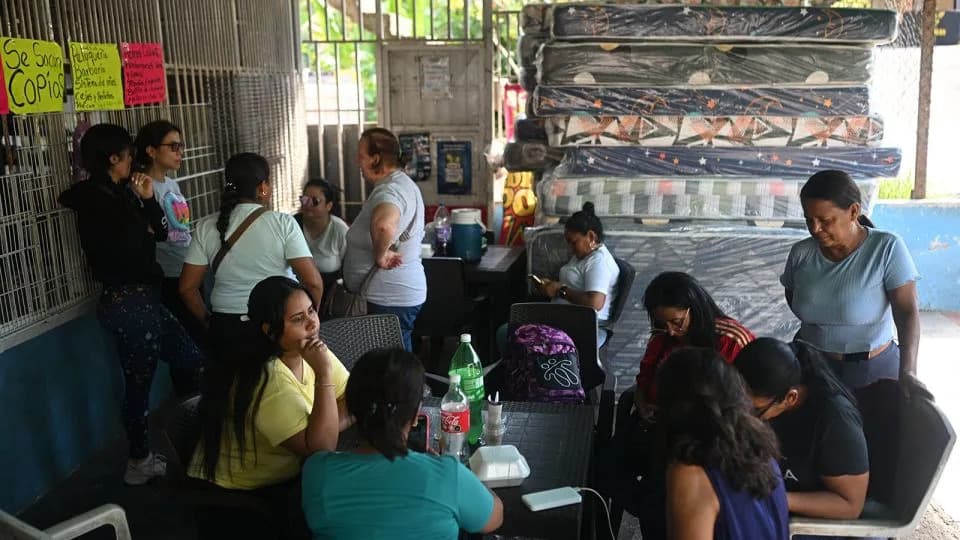
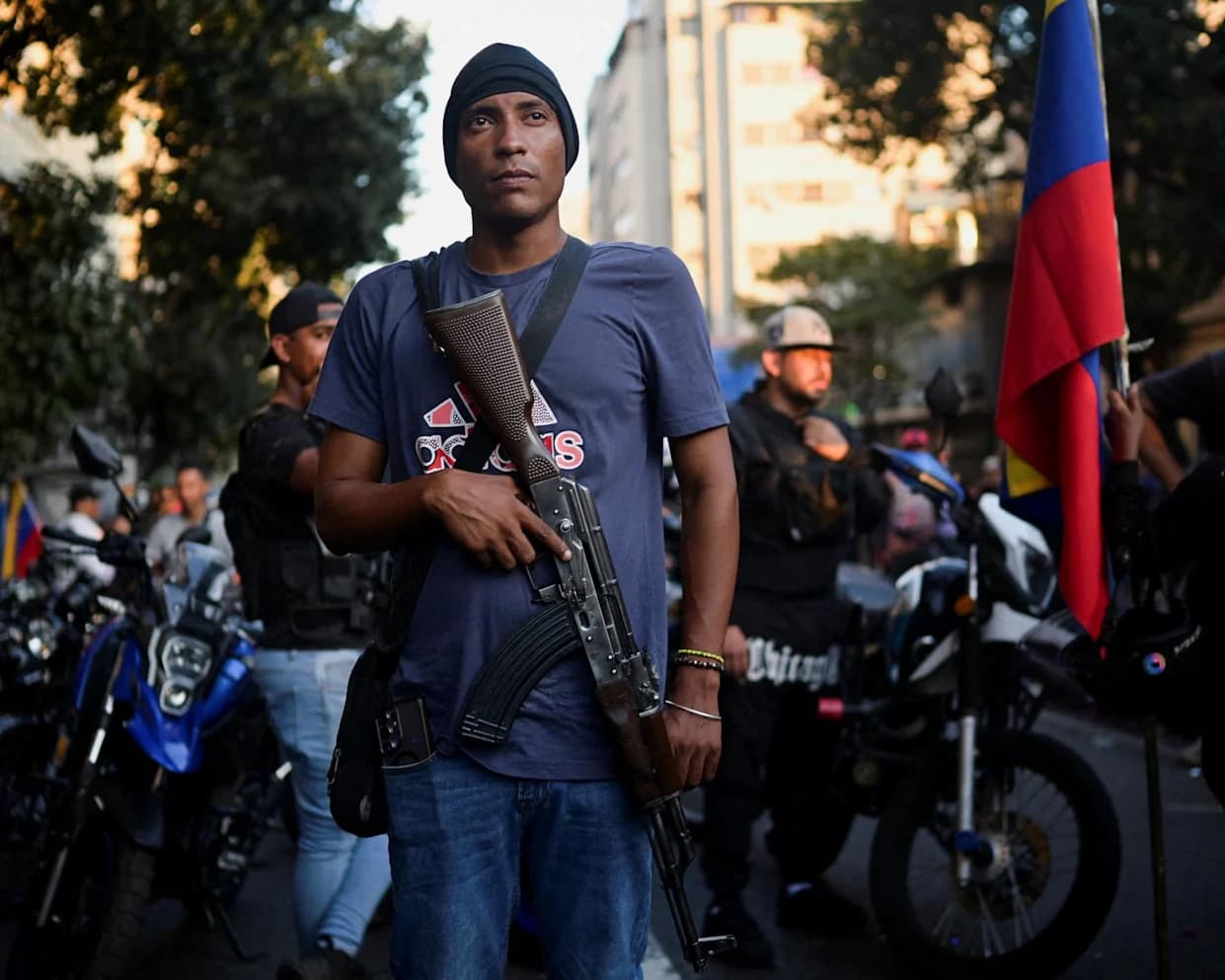
People rally at the entrance of the Central University of Venezuela calling for the release of prisoners after the announcement of an amnesty law, in Caracas, Venezuela, February 3, 2026. REUTERS/Marco Bello
The draft explicitly references mass demonstrations that rocked the country and led to fatalities in 2007, 2014, 2017, 2019 and 2024. It would also extend to alleged defamation committed as part of criticism of authorities.
Reactions And Numbers
Jorge Rodriguez, president of the National Assembly and brother of the interim president, described the law as ‘‘a difficult but necessary step’’ and warned it would face obstacles.
"The path of this law is going to be full of obstacles, full of bitter moments ... we're not only going to have to swallow hard ... but also swallow frogs," he said. "We ask for forgiveness and we also have to forgive."
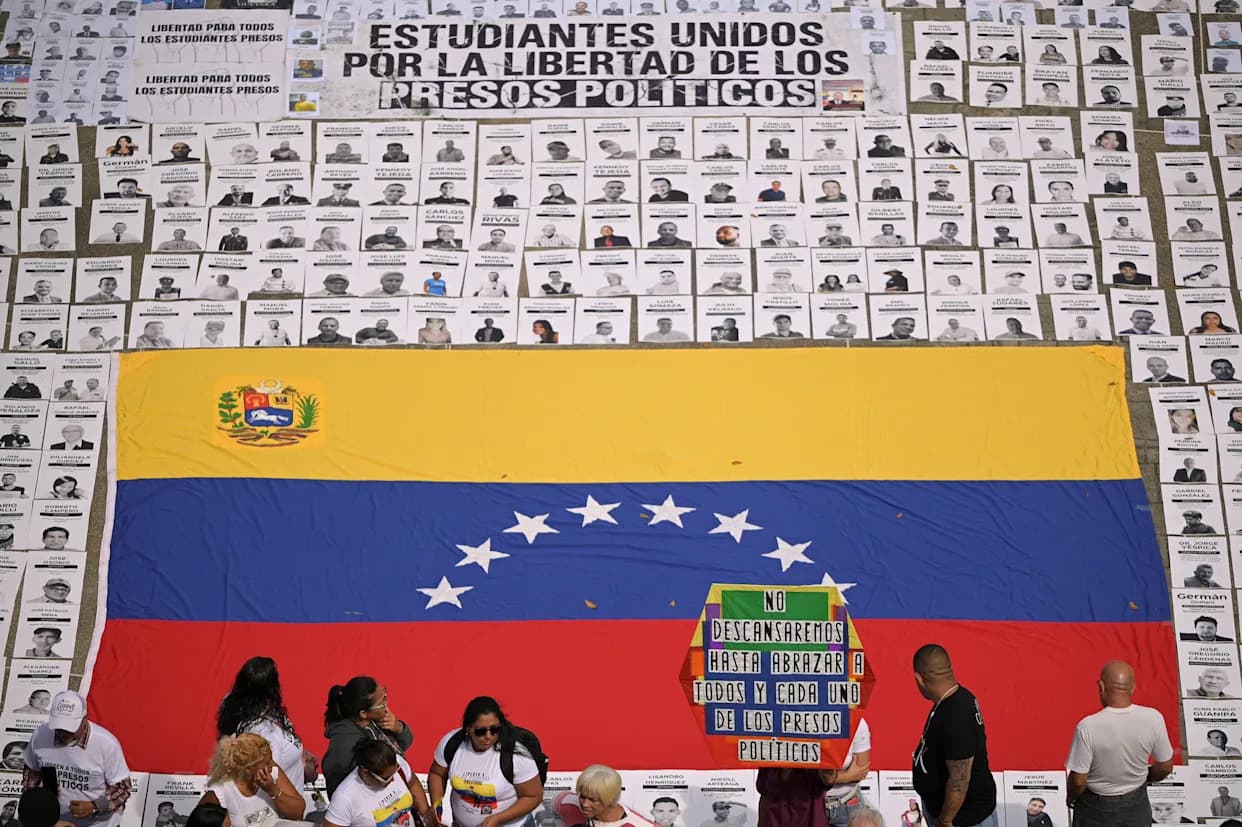
Rights group Foro Penal says it has verified 383 political prisoners were freed after a new series of releases beginning January 8, and reports that more than 680 people remain jailed — a figure that includes detainees whose families had not previously reported their detentions. Government officials dispute those tallies and have said the number of releases is higher, though they have not clarified the timeframe used.
If enacted, the bill would lift international movement restrictions for those covered by the amnesty, "guaranteeing the safe and persecution-free return of Venezuelan citizens who are abroad," according to the draft. Many opposition figures and dissident former officials have lived abroad to avoid arrest warrants they say are politically motivated.
The legislation would also revoke politically motivated bans on public office and remove sanctions imposed on media outlets for political reasons if those sanctions relate to offenses covered by the amnesty.
Reporting by Reuters; editing and local context added for clarity.
Help us improve.