Fifteen-year-old Rimas Abu Lehia has been wheelchair-bound since a bullet shattered her knee five months ago. She is one of more than 20,000 Palestinians — including roughly 4,500 children — waiting for medical evacuation tied to the Rafah crossing reopening. Israel has proposed allowing limited patient movement (estimates range from 50 to 150 patients per day), but even at higher rates it would take months to evacuate everyone on the list. Gaza’s health system is overwhelmed, with thousands of cancer patients and other critically ill people urgently needing care abroad.
A Gaza Teen’s Hope to Walk Again Hinges on Rafah Reopening as Thousands Wait for Medical Evacuation
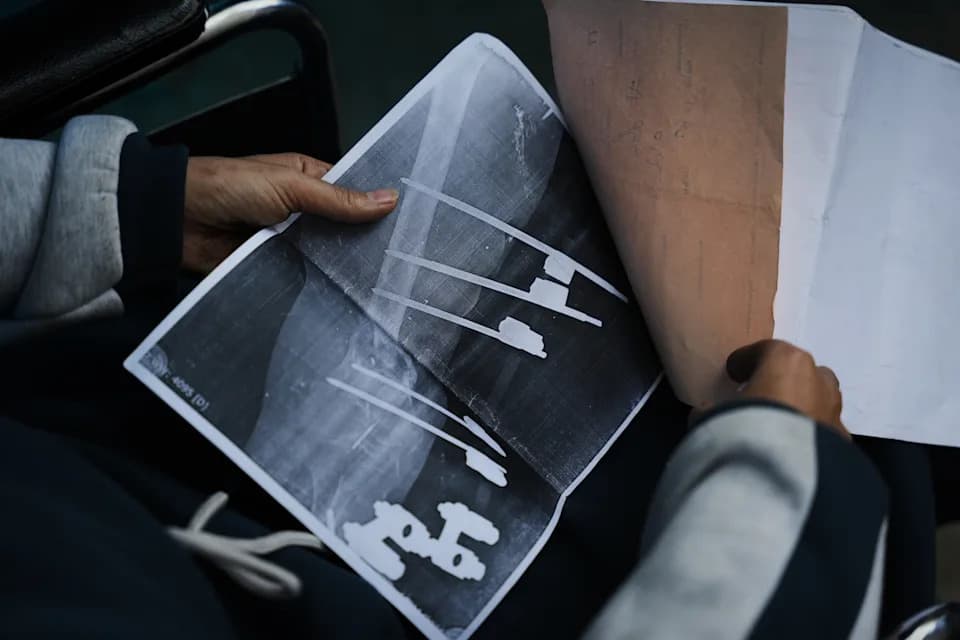
Islam Saleh, who was injured in her left leg in an Israeli strike on a school shelter in Jabalia in 2024, shows her medical reports inside her family's tent in Zawaida, Gaza Strip, Tuesday, Jan. 27, 2026, as she awaits permission to travel outside Gaza for treatment. (AP Photo/Abdel Kareem Hana)(ASSOCIATED PRESS)
Fifteen-year-old Rimas Abu Lehia has relied on a wheelchair since a bullet shattered her left knee five months ago while she searched for food near an aid truck in Khan Younis. Her doctors say she needs specialized surgery abroad to have any chance of walking again — a possibility that depends on the reopening of the Rafah border crossing between Gaza and Egypt.
Evacuations Hinge on Rafah
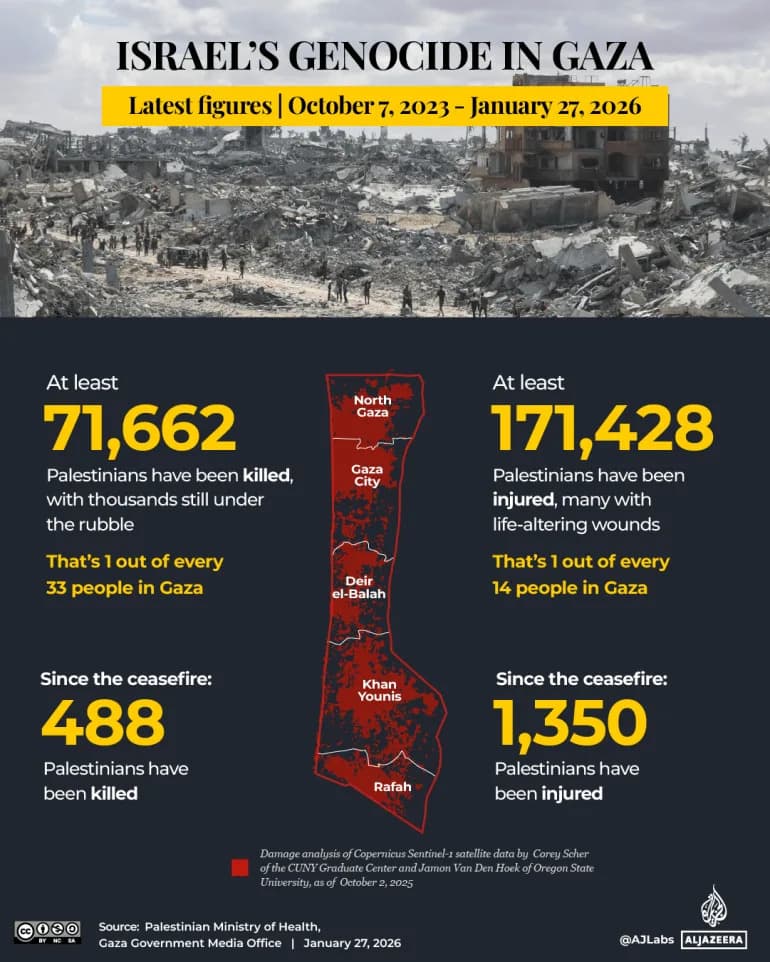
Rimas is one of more than 20,000 Palestinians, including roughly 4,500 children, on Gaza Health Ministry waiting lists for evacuation to receive treatment for war injuries or chronic illnesses. The lists include about 440 people with life-threatening conditions, and the ministry reports that more than 1,200 patients have died while waiting for evacuation.
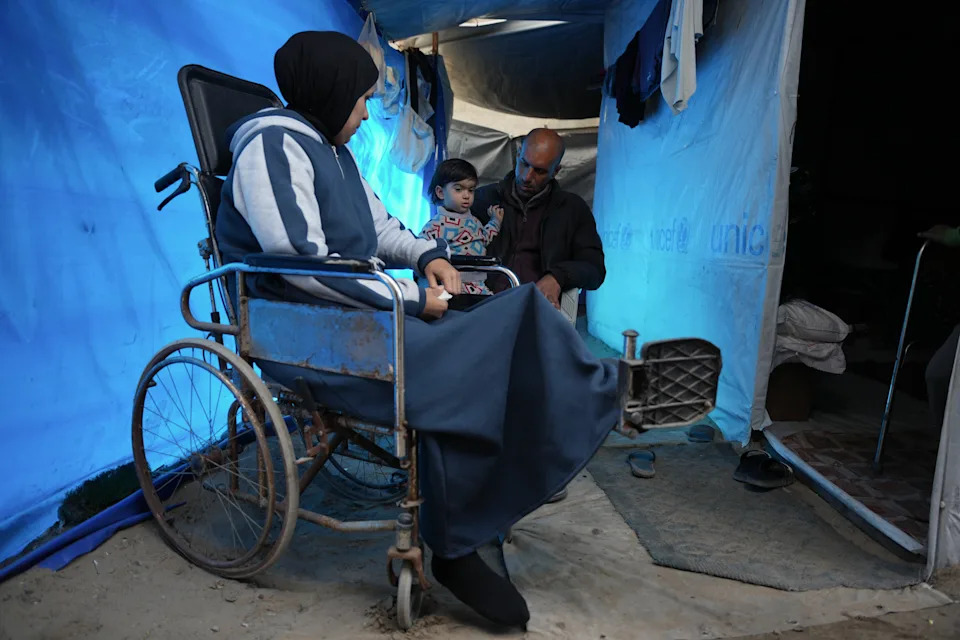
Islam Saleh, who was injured in her left leg in an Israeli strike on a school shelter in Jabalia in 2024, sits in a wheelchair inside her family's tent in Zawaida, Gaza Strip, Tuesday, Jan. 27, 2026, as she awaits permission to travel outside Gaza for treatment. (AP Photo/Abdel Kareem Hana)(ASSOCIATED PRESS)
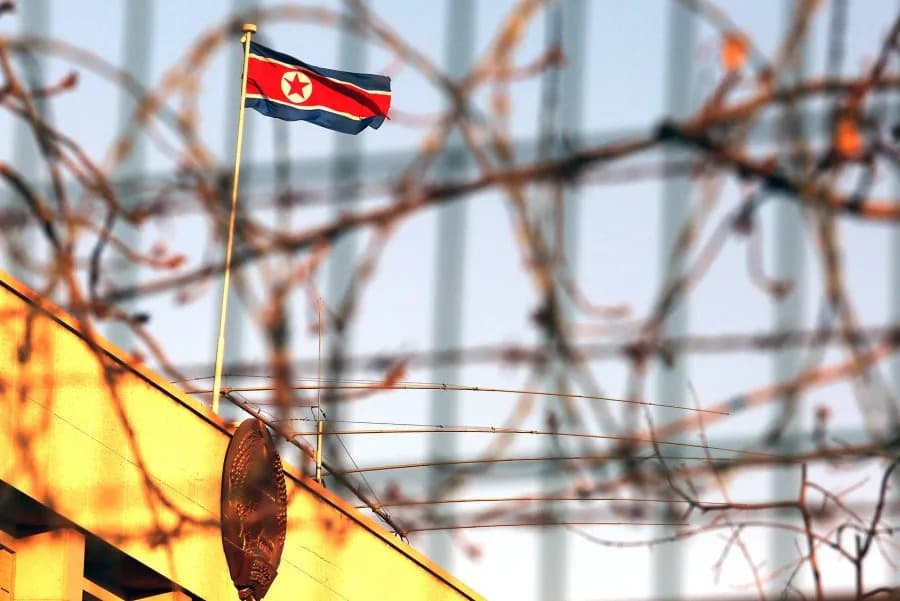
The Rafah crossing is a central element of the nearly four-month-old ceasefire between Israel and Hamas. Israel announced the crossing would open in both directions on Sunday but said movement would be limited to people only. Prime Minister Benjamin Netanyahu indicated Israel would allow about 50 patients a day to leave; other Israeli officials have suggested figures up to 150 per day. By comparison, U.N. figures put evacuations at roughly 25 patients per week since the ceasefire began.
At the higher daily rates discussed, it would still take months — roughly 130 to 400 days of crossings — to move everyone on the current lists, illustrating the scale of need versus available capacity.
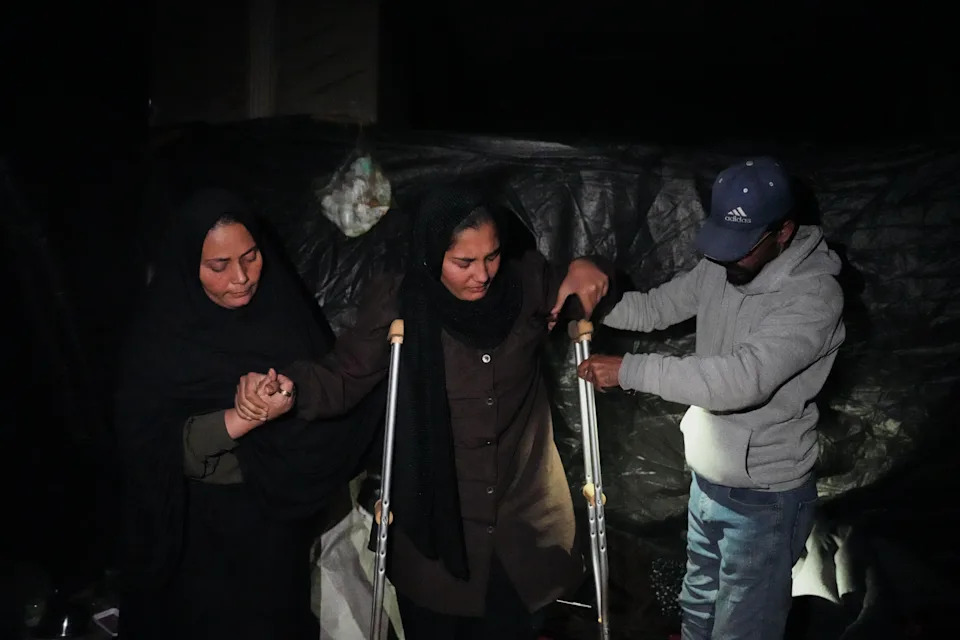
Rimas Abu Lehia, 15, who was injured in her left leg by Israeli fire, tries to sit on the ground with the help of her parents inside her family's tent in Khan Younis, Gaza Strip, Tuesday, Jan. 27, 2026, as she awaits permission to travel outside Gaza for medical treatment. (AP Photo/Abdel Kareem Hana)(ASSOCIATED PRESS)
Gaza's Health System Under Strain
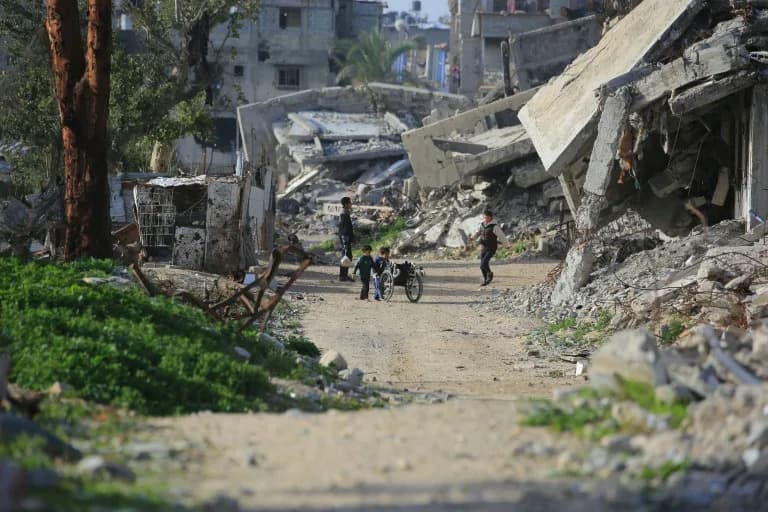
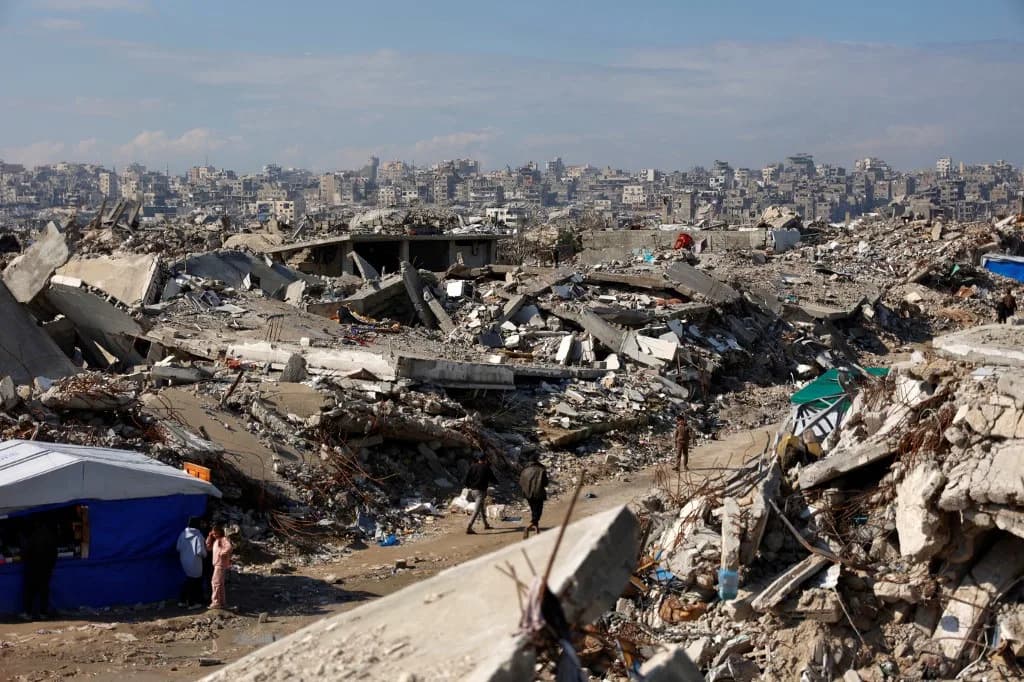
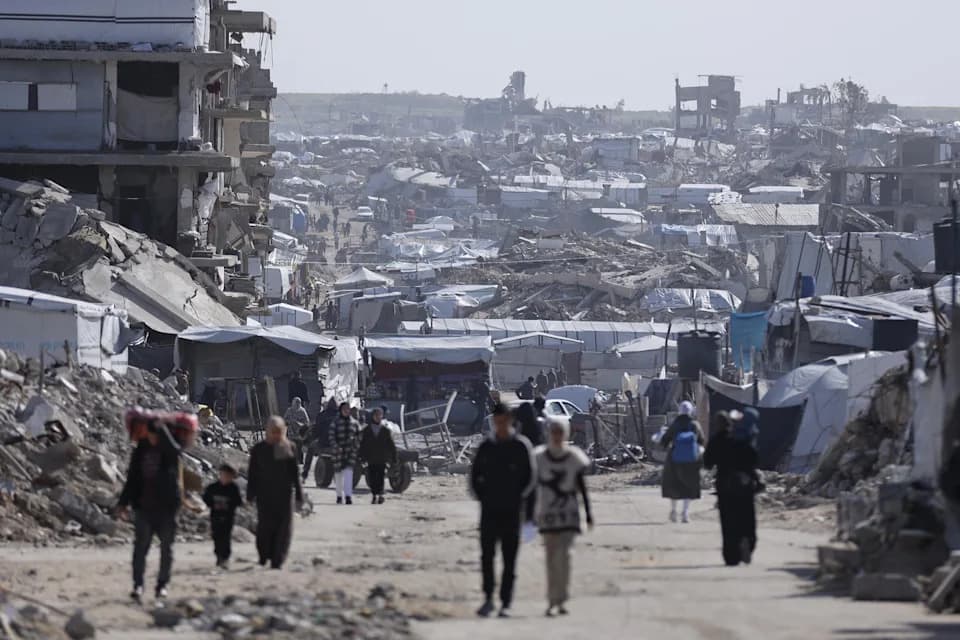
Gaza’s health sector has been devastated by months of fighting. Hospitals that remain functioning are overwhelmed by casualties, face acute shortages of medical supplies and many cannot perform complex surgeries. The territory’s only specialized cancer hospital closed early in the war and was destroyed in early 2025, the Israeli military said, alleging without providing evidence that militants were using the facility.
The World Health Organization reports more than 10,000 patients have been evacuated for treatment abroad since the war began. After Israeli forces seized and closed Rafah in May 2024, weekly evacuations fell to an average of about 17 patients until the recent ceasefire; a brief lull in early 2025 saw more than 200 patients moved per week for two months.
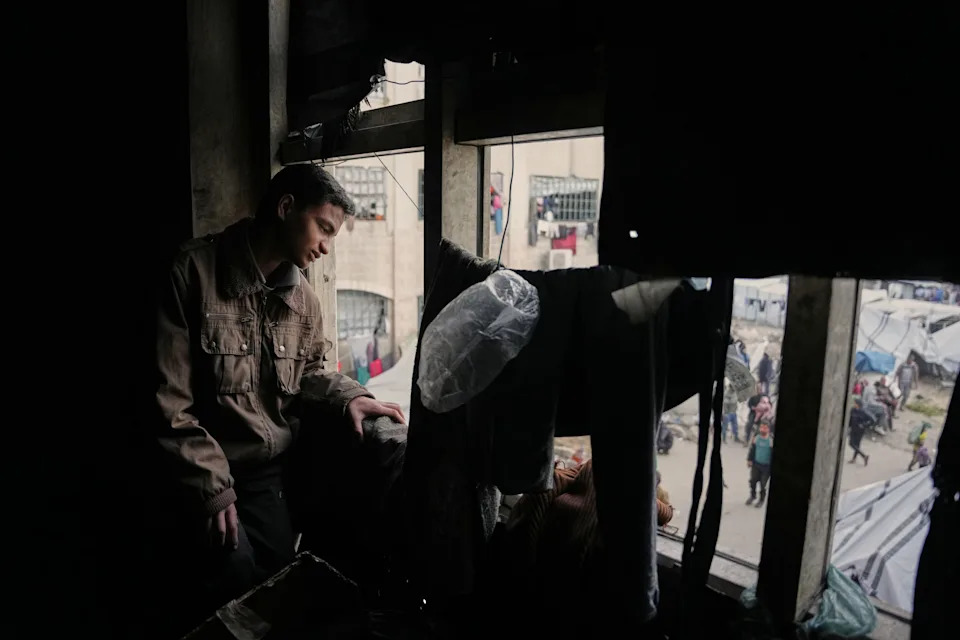
Mahmoud Abu Ishaq, 14, who is suffering vision loss and is awaiting permission to travel outside the Gaza Strip for medical treatment, poses for a photo in Khan Younis, Gaza Strip, Tuesday, Jan. 27, 2026. (AP Photo/Abdel Kareem Hana)(ASSOCIATED PRESS)
Cancer And Chronic Care Needs
The Gaza Health Ministry estimates there are over 11,000 cancer patients in the territory and that roughly 75% of required chemotherapy drugs are unavailable. At least 4,000 cancer patients need urgent referral abroad, the ministry says.
One example is 22-year-old Ahmed Barham, who has been battling leukemia. Ahmed lost approximately 35 kilograms (77 pounds) after two lymph-node-removal surgeries in June and has been placed on an urgent referral list but has not yet received confirmation of travel. "There is no treatment available here," his father said. "My son is dying before my eyes."
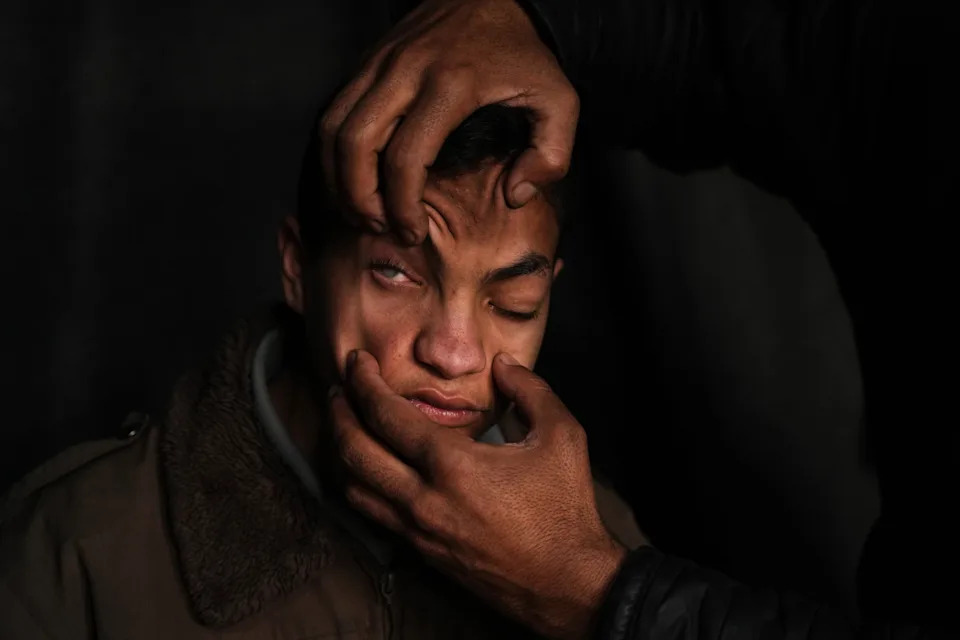
Mahmoud Abu Ishaq, 14, who is suffering vision loss due to a corneal condition, has his eye shown to the camera by his father as they await permission to travel outside the Gaza Strip for medical treatment, in Khan Younis, Gaza Strip, Tuesday, Jan. 27, 2026. (AP Photo/Abdel Kareem Hana)(ASSOCIATED PRESS)
Families Waiting In Desperation
Fourteen-year-old Mahmoud Abu Ishaq has waited more than a year for a referral after a roof collapse during an Israeli strike left him with a retinal detachment and permanent blindness, his father said. Families like Mahmoud’s and Rimas’s say the opening of Rafah is their only hope for care.
Constraints, Legal Issues And International Response
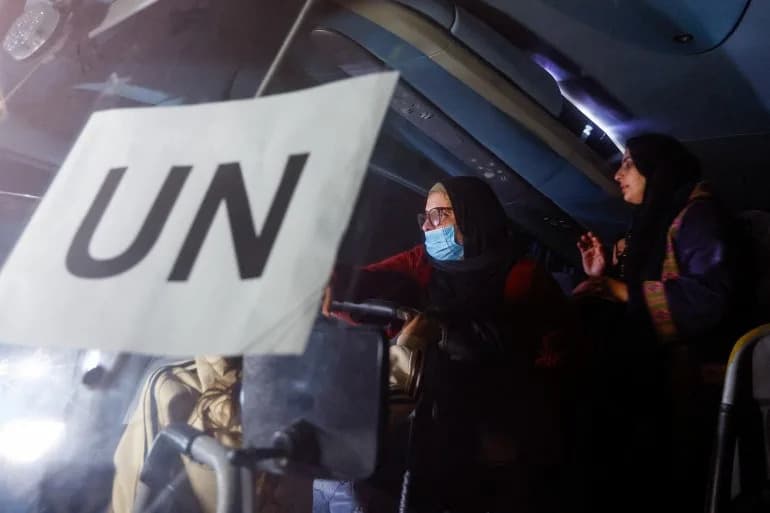
A U.N. official, speaking anonymously, said many countries have been reluctant to accept patients for treatment because Israel would not guarantee they could later return to Gaza. The majority of evacuees so far have gone to Egypt, the United Arab Emirates, Qatar and Turkey. Israel has also banned sending patients to hospitals in the Israeli-occupied West Bank and east Jerusalem since the war began; five human-rights groups have petitioned Israel’s High Court of Justice to lift the ban. Separately, a Jerusalem District Court allowed one cancer patient to travel to the West Bank for treatment on Jan. 11 after a petition by the Israeli rights group Gisha.
Rimas's Story
Rimas was wounded in August while searching for her younger brother, who had gone to collect food from passing aid trucks. Gaza health officials say hundreds died when troops fired on crowds near aid deliveries during periods of severe food shortages; the Israeli military says forces fired warning shots. After multiple surgeries at Nasser Hospital, doctors told Rimas and her family that her knee could not be repaired in Gaza and recommended a knee replacement abroad. Her family was told she might be evacuated in January, but as of now she remains at home in a wheelchair.
“I wish I didn’t have to sit in this chair,” Rimas said through tears, pointing at the wheelchair. “I need help to stand, to dress, to go to the bathroom.”
The reopening of Rafah offers a potential but limited path for many patients like Rimas. Even if crossings increase, capacity constraints, destination countries’ willingness to accept patients and restrictions on returns mean many will continue to wait, and some will face life-threatening delays.
Reporting: Associated Press contributors reported from Cairo and the Gaza Strip. Statements and figures cited are attributed to the Gaza Health Ministry, the World Health Organization and Israeli official announcements as reported by news agencies.
Help us improve.