The Rafah crossing into Egypt reopened after more than 18 months, but stringent security checks and administrative delays meant only five medical evacuees left Gaza and 12 people returned — far below earlier promises. Gaza health officials say about 20,000 patients remain waiting for approval to travel for treatment, while ambulances queued at the border. UN and Qatari officials called the partial reopening insufficient and urged full implementation of humanitarian provisions. Recent strikes added to the toll, which Palestinian authorities report as at least 71,800 dead since October 2023.
Rafah Reopens After 18 Months — Only Five Medical Evacuees Leave and 12 Return as Restrictions Persist
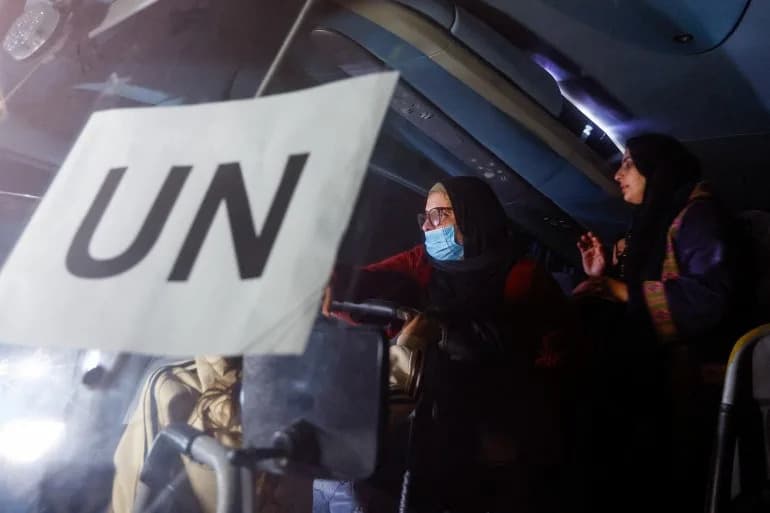
Palestinians coming from the Rafah crossing after its reopening on February 2, 2026, arrive in a vehicle at Nasser Hospital in Khan Younis in the southern Gaza Strip [Mahmoud Issa/Reuters]
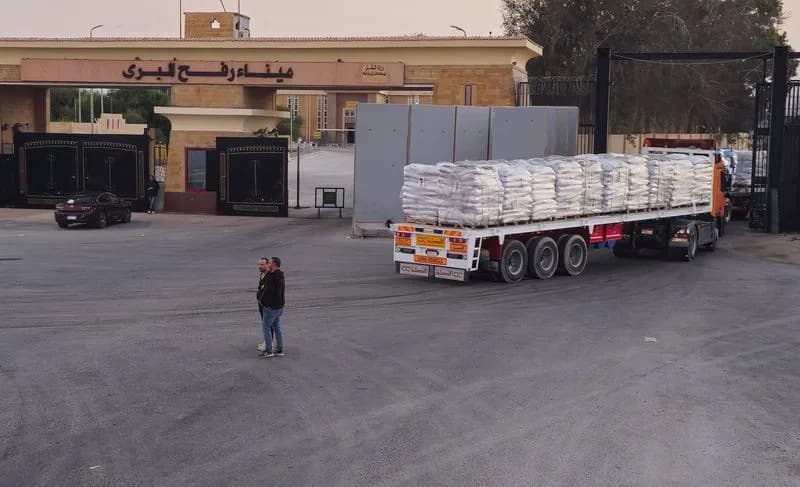
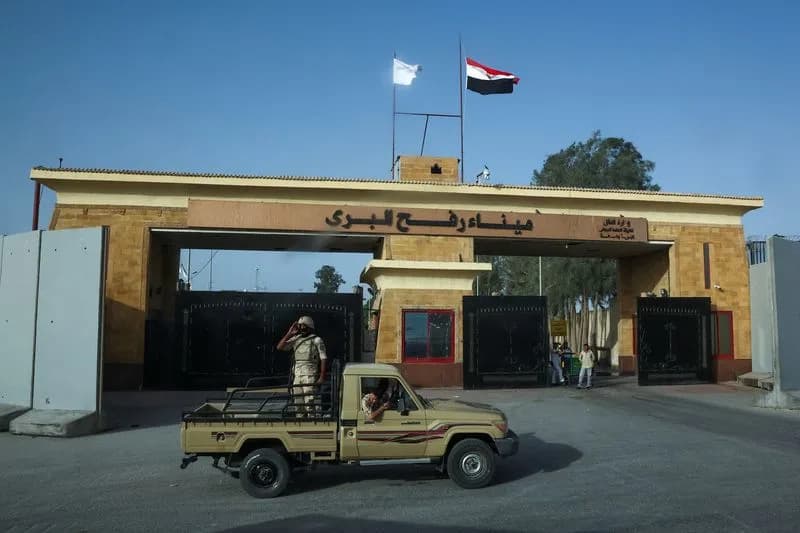
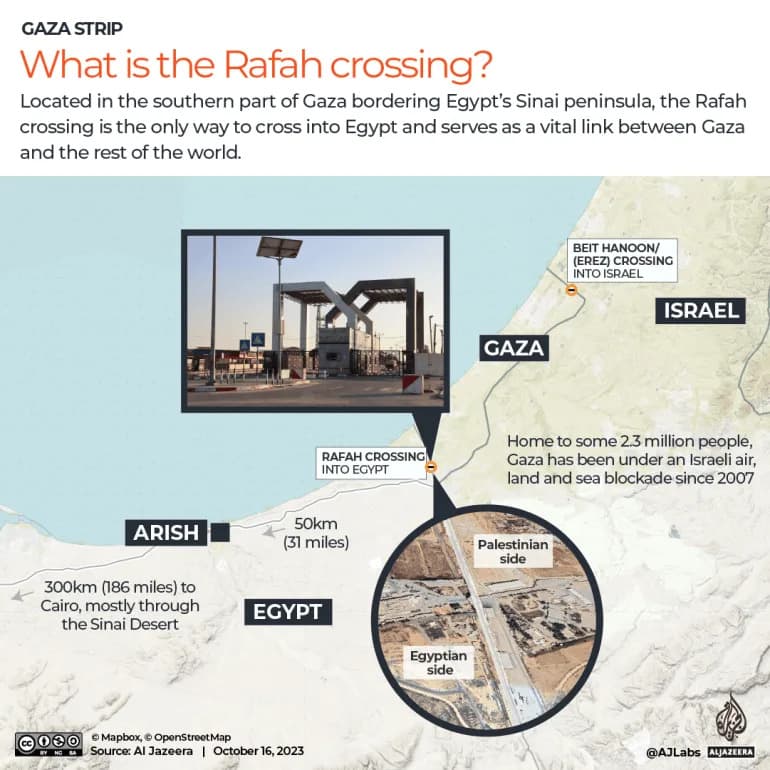
The Rafah border crossing into Egypt reopened on Monday after more than 18 months, but only a trickle of people were able to pass in either direction as Israeli security measures and bureaucratic delays remained in place.
Israeli authorities allowed just five medical evacuees to leave Gaza and 12 Palestinians to return, well below the 50-per-direction figure officials had earlier said would be permitted. Long security vetting and administrative hurdles delayed travellers for hours and limited movement through the crossing.
Limited Movement and Strict Vetting
Al Jazeera’s Hani Mahmoud, reporting from Gaza City early Tuesday, said the reopening fell far short of expectations. He described lengthy holds and extensive security clearance procedures imposed by Israeli forces at Rafah that delayed passengers for many hours.
'This is coming after a long time of waiting,' Mahmoud said. 'They were expected to be entering the Gaza Strip throughout the past hours, but they were held for long hours, and this is in part due to the long process of security clearance set by the Israeli military on the Rafah crossing.'
Instead of dozens returning across the day, a single bus carrying 12 people — the first to enter Gaza through Rafah in more than 18 months — brought a small group home early Tuesday.
Medical Backlog and Humanitarian Concerns
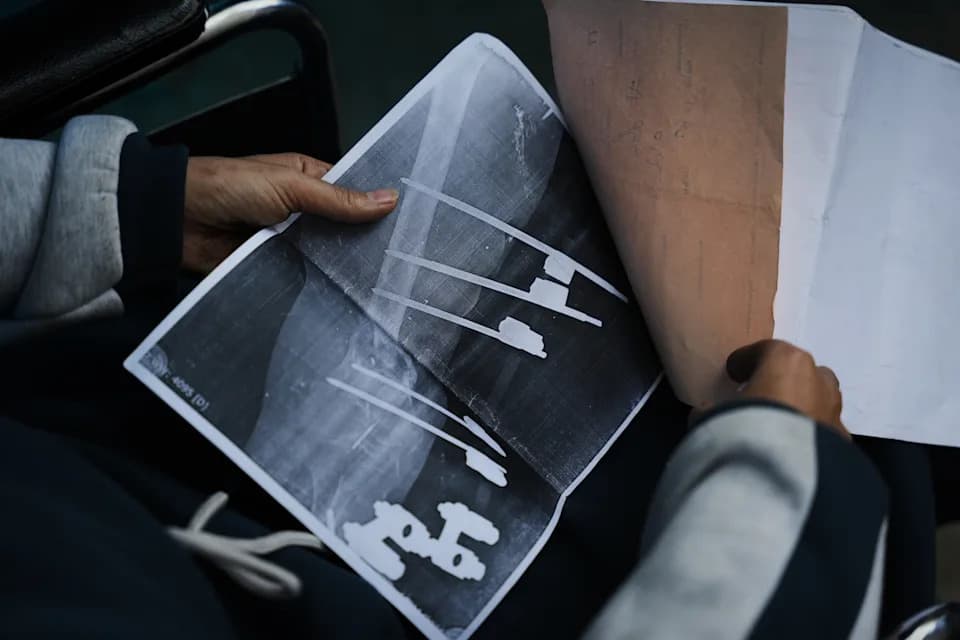
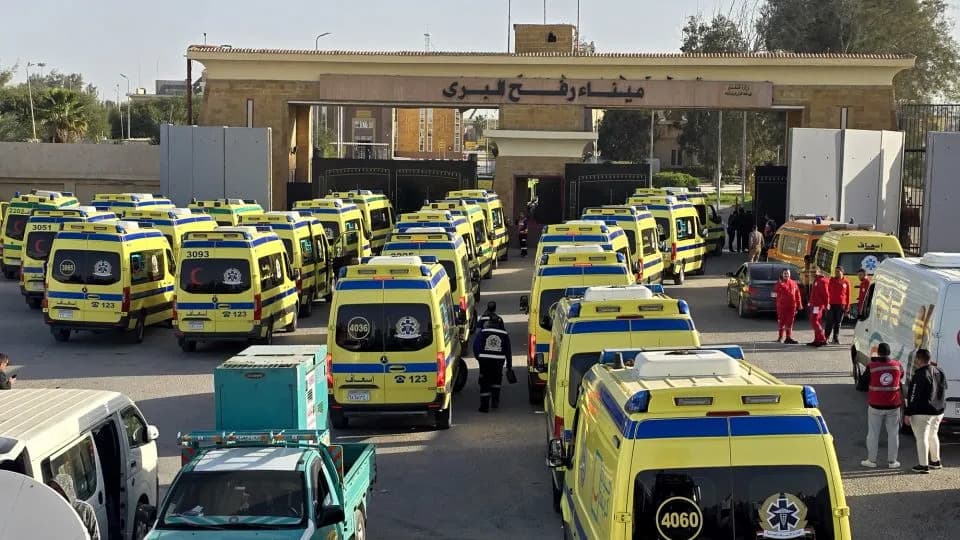
Gaza health officials said while five patients were cleared to travel on Monday, roughly 20,000 children and adults remain on the Gaza side awaiting approval to travel for medical treatment in Egypt or elsewhere. Ambulances were shown queued for hours at the border, ready to transfer patients once permits were granted.
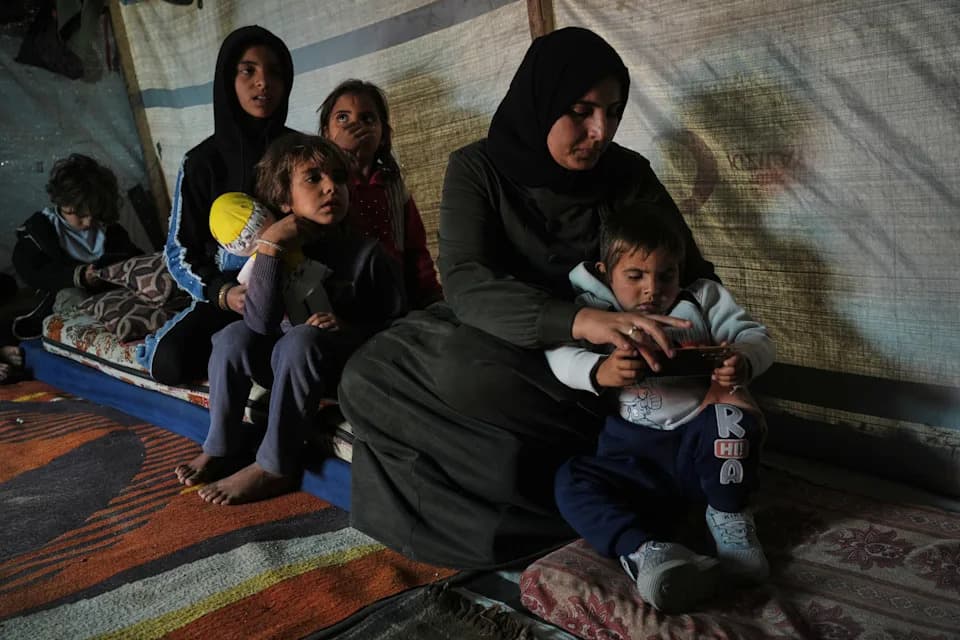
Al Jazeera’s Tareq Abu Azzoum, reporting from Khan Younis, spoke with families of patients who remain unable to leave. Randa Abu Mustafa said her son lost sight in both eyes after injuries sustained during the fighting; he was among the five allowed to depart. Other families, such as Shimaa Abu Rida whose daughter was seriously wounded in an air attack, continue to wait anxiously for permission to seek care.
International Responses
Tom Fletcher, United Nations Under-Secretary-General for Humanitarian Affairs, described the partial reopening as insufficient and urged that Rafah function as a genuine humanitarian corridor to deliver life-saving aid. Qatar, which helped negotiate a ceasefire arrangement, welcomed the opening as 'a step in the right direction' and called on Israel to fully implement the deal to ensure an uninterrupted flow of humanitarian assistance.
Security Context And Crossings
One of the restrictions at Rafah is that only Palestinians who left Gaza during the war are being allowed to re-enter via the crossing, and only after undergoing exacting security screening. Before the recent offensive, Rafah had been Gaza’s primary crossing with Egypt; other crossings are shared with Israel. Israeli forces seized Rafah during the May 2024 operation.
Violence And Casualties
Violence continued across Gaza on Monday. Reports say Israeli strikes killed at least three Palestinians in central and northern parts of the territory. The Palestinian news agency Wafa reported that drones hit an area near a funeral in Nuseirat, killing two people and wounding several; Israeli forces also reportedly killed one person in Halawa Camp in Jabalia.
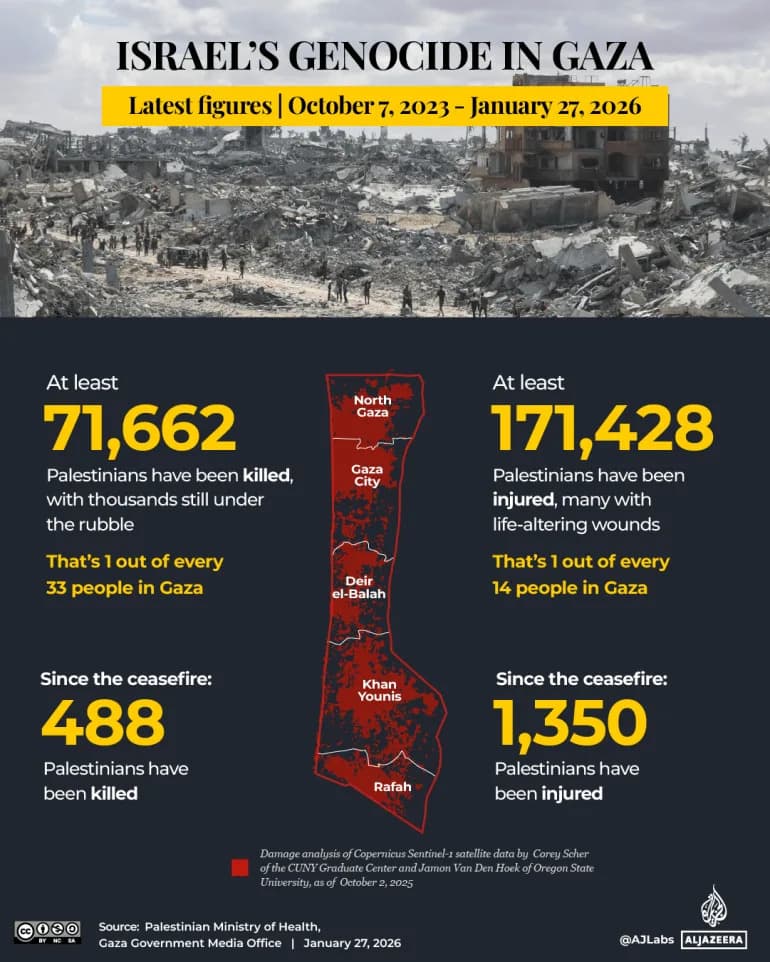
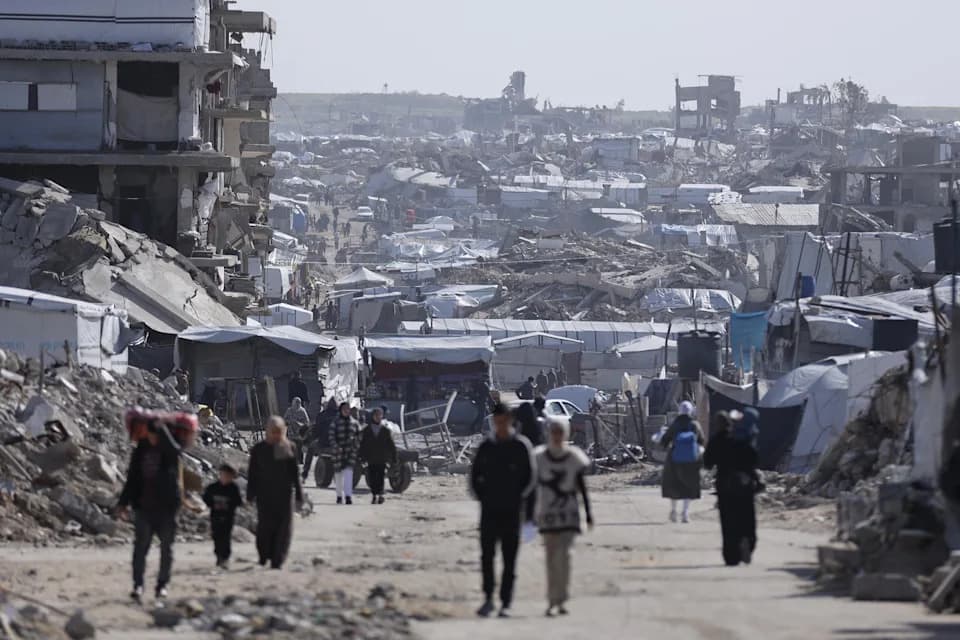
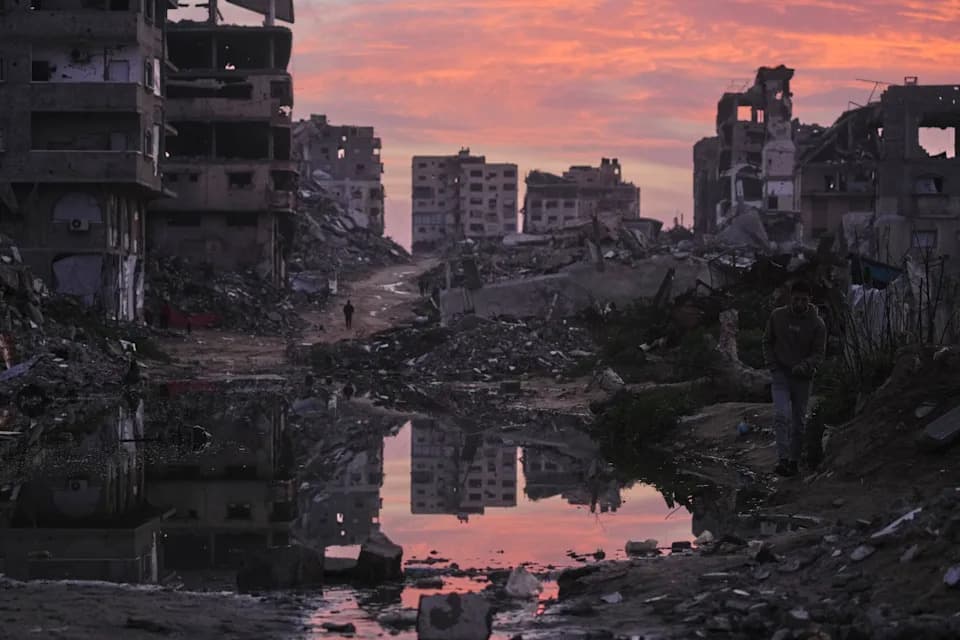
According to Palestinian health authorities, the latest fatalities brought the reported death toll since October 2023 to at least 71,800, with 171,555 injured.
What This Means: The reopening of Rafah provided only limited relief for people in Gaza. Long vetting procedures, narrow eligibility rules and continued restrictions on goods and medicines mean the crossing is not yet functioning as an effective humanitarian lifeline.
Help us improve.