The DRC’s mineral-rich eastern provinces are closely watching an inaugural international ministerial in Washington as the US and other powers vie for access to critical minerals. Local residents and activists warn that opaque deals, land dispossession and ongoing conflict could deepen exploitation, displacement and environmental harm. Campaigners call for transparency, local processing, fair revenue-sharing and strong governance to ensure minerals benefit Congolese communities rather than foreign interests.
‘We Are Exploited’: Congolese Fear They’ll Lose Out as US Pursues Critical Minerals Deals
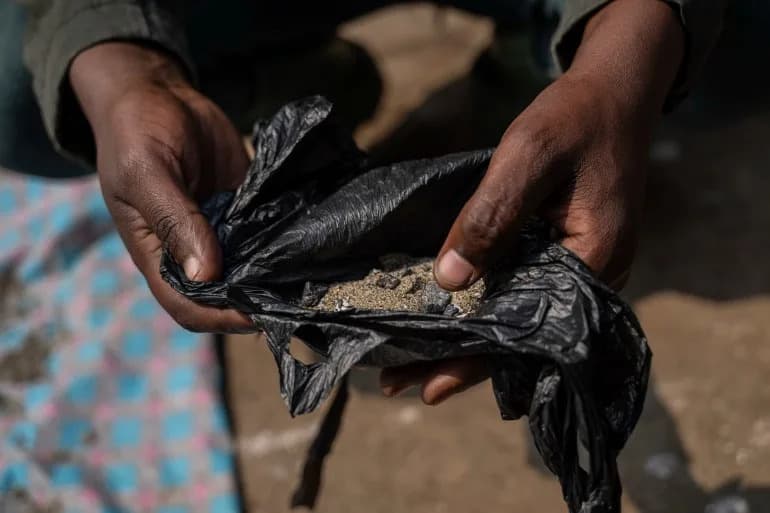
A miner holds newly extracted coltan ore in Rubaya, the Democratic Republic of the Congo [File: Moses Sawasawa/AP]
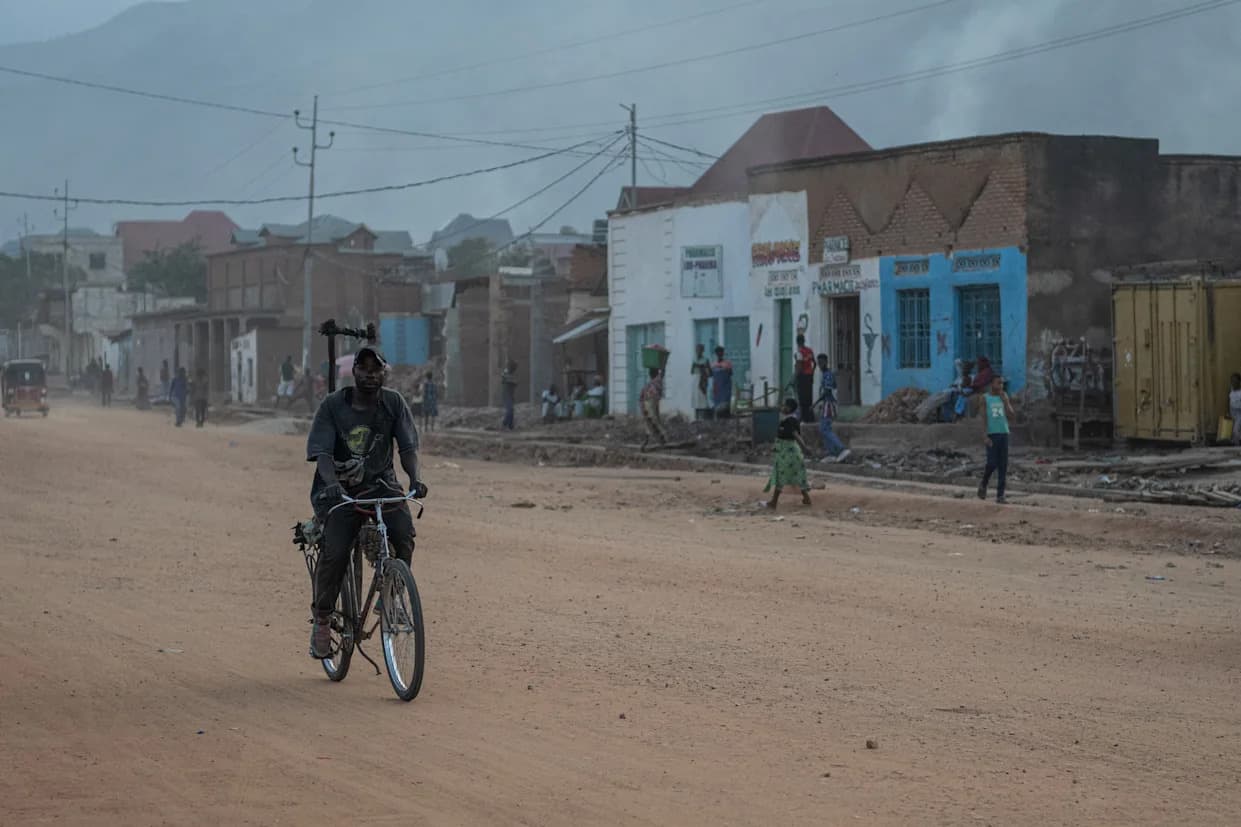
Goma, Democratic Republic of Congo — In eastern cities sitting atop vast reserves of copper, cobalt and lithium, residents are watching anxiously as diplomats meet thousands of kilometres away.
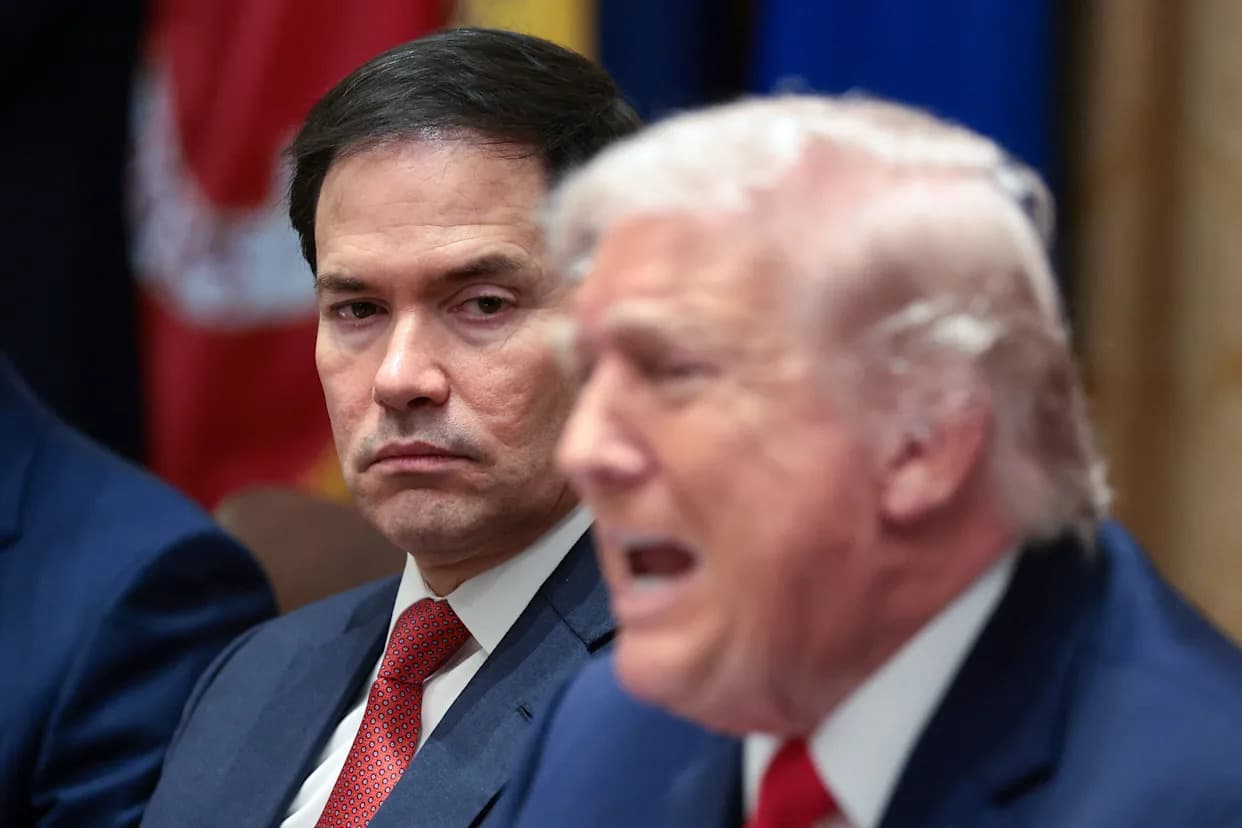
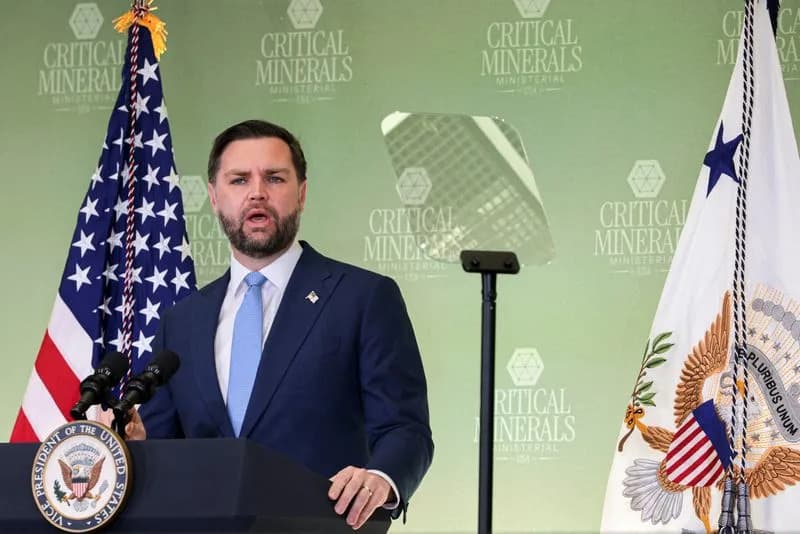
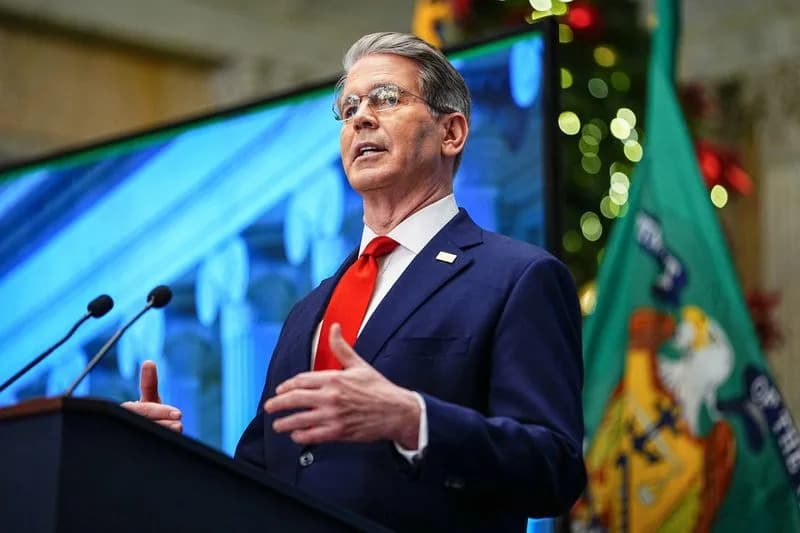
In Washington, DC, Marco Rubio is set to host the inaugural Critical Minerals Ministerial, where delegations from about 50 countries — including the DRC — will discuss ways to strengthen and diversify global mineral supply chains as the United States seeks to reduce reliance on China in this strategically vital sector.
Local Fears Amid International Deals
As part of a so-called "resources-for-security" arrangement reached last year, Washington signed a mining agreement with Kinshasa to secure supplies of minerals central to modern technologies and national security. President Félix Tshisekedi has described the initiative as an economic opportunity. But many residents of mining hubs — who face chronic poverty, displacement and armed violence — fear the deals will deepen exploitation rather than deliver broad benefits.
“We are exploited in mineral extraction,” said Gerard Buunda, a 28-year-old economics student in Goma, a key source of coltan, tin and gold. “There are investors who make us work; sometimes they chase us off our land and force us to work for them in their mines for their own selfish interests. We don’t want to be exploited any more.”
Concerns Over Land, Labour and Environment
Buunda and other residents accuse multinational companies and some local elites of colluding to buy land from communities, displace people, impose low wages, exploit children and degrade the environment. Activists warn this pattern fuels insecurity and entrenches the so-called resource curse: abundant natural wealth paired with persistent poverty.
“When investors find new mines, they buy land from local communities in collusion with our leaders and displace them — and this is the root cause of insecurity,” Buunda said.
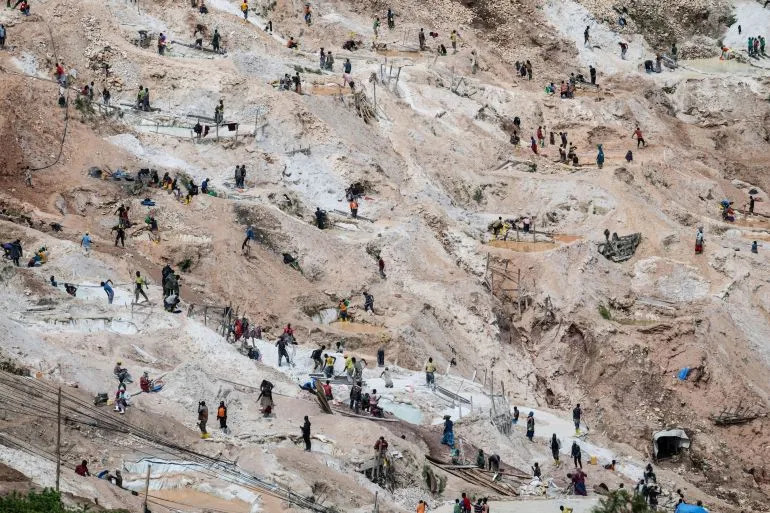
Miners work at the D4 Gakombe coltan mining quarry in Rubaya, DRC [File: Moses Sawasawa/AP]
Geopolitics and the Energy Transition
The DRC’s cobalt and lithium deposits have become central to the global energy transition because they are essential for electric-vehicle batteries and renewable-energy technologies. That has drawn growing international interest and geopolitical competition for access to critical minerals.
Some commentators are sceptical the DRC will secure tangible gains. “This market is attracting covetousness from major powers,” said Koko Buroko Gloire, an international affairs commentator. “At the end of the day, benefits for the Congolese depend on the will of local leaders.”
Local activists emphasise the need for transparency, local processing, fair revenue-sharing and compliance with environmental standards if the DRC is to capture real value from its resources.
Infrastructure Plans and the Lobito Corridor
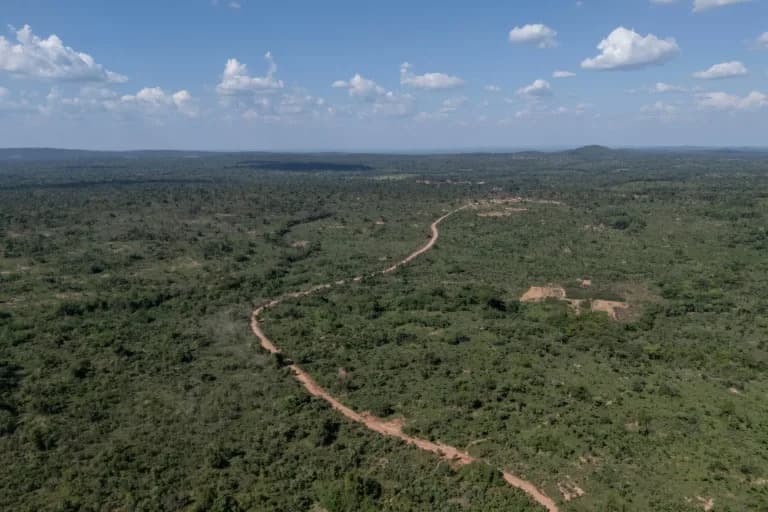
The Lobito Corridor railway project — intended to connect mining provinces to Angola’s Atlantic coast and facilitate exports — has been highlighted as a potential way to improve access to markets. But campaign group Global Witness warned that rehabilitation work could displace thousands of people. Satellite analysis and field interviews in Kolwezi suggest up to 6,500 residents might be affected, with disputed land titles and contested clearance areas creating a complex social and legal picture.
Global Witness called the corridor a “litmus test” for whether Western partners can deliver a fairer model of resource development.
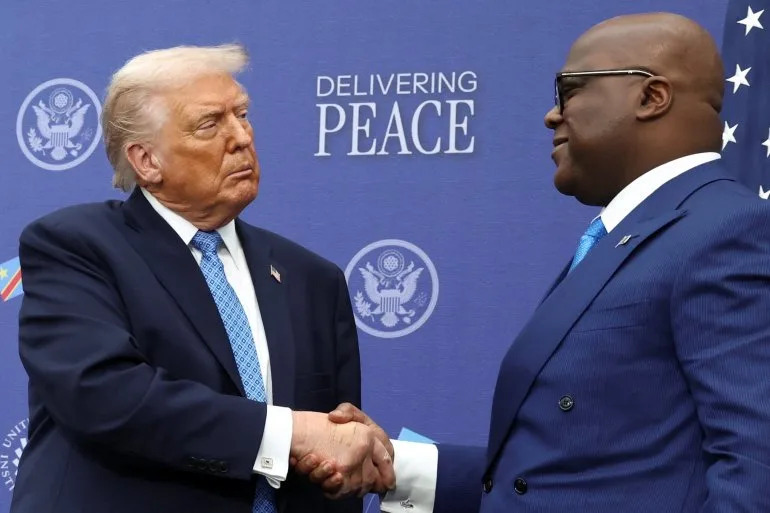
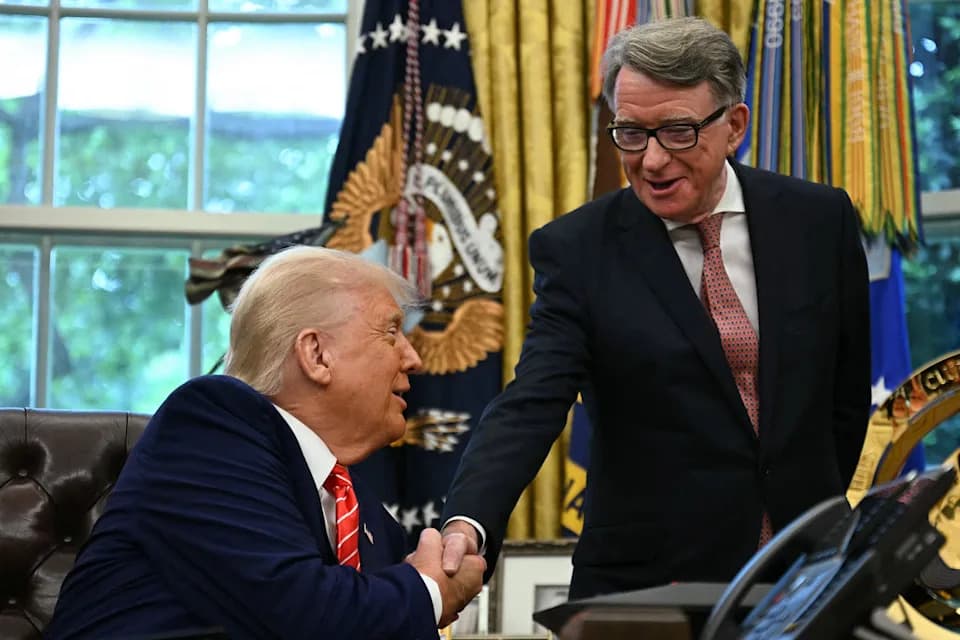
US President Donald Trump shakes hands with President of the Democratic Republic of the Congo Felix Tshisekedi during a signing ceremony at the United States Institute of Peace in Washington, DC, December 4, 2025 [Kevin Lamarque/Reuters]
Conflict, Rebel Control and Illicit Trade
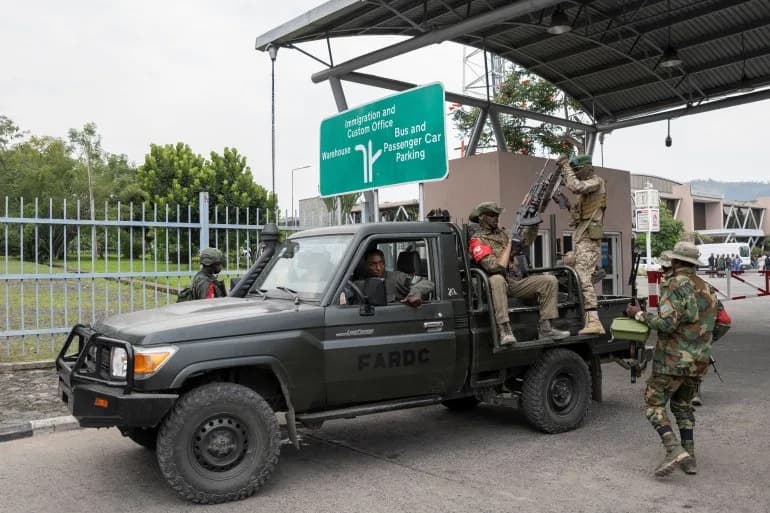
Parts of eastern DRC remain under the control of armed groups. Cities such as Walikale and Rubaya — rich in minerals including coltan, cassiterite and gold — have seen little improvement in living standards despite extensive extraction. A report by the Global Initiative Against Transnational Organized Crime found that opaque gold supply chains in South Kivu remain linked to conflict, human rights abuses and environmental harm.
Fighting has at times approached mineral-rich areas, raising fears of uncoordinated, illegal exploitation. “When there is war, there is illegal exploitation of our minerals,” said Chirac Issa, an environmental activist in Tanganyika province. “There is no government order to regulate the work of miners. From an environmental standpoint, uncontrolled mining could contribute to pollution and endanger ecosystems.”
Calls For Clear Terms And Local Benefits
Activists and analysts say the success of international agreements will depend on transparency, robust governance and tangible local investment. Gentil Mulume, a Goma-based transparency and governance campaigner, urged delegates to show seriousness about environmental standards, transparency in mining governance and plans for industrialisation.
John Katikomo, an environmental activist, criticised the opacity of the DRC-US arrangements and called for clear disclosure of terms so citizens can judge whether promised benefits will materialise. “Many people are misinformed, and there is poor distribution of resources in relation to these critical minerals. Will the population benefit from this?” he asked.
For many Congolese watching discussions in faraway capitals, the central question remains whether agreements negotiated abroad will translate into roads, hospitals, jobs and environmental protection at home — or simply another chapter in the long story of resource extraction that leaves communities behind.
Help us improve.