President Lai Ching-te urged Taiwan to prioritize trade and economic cooperation with democratic partners such as the United States, emphasizing joint work on AI, critical minerals and securing semiconductor supply chains. Recent Taiwan-U.S. talks produced economic-security statements and support for the Pax Silica Declaration. The visit of a KMT delegation to Beijing highlighted cross-strait engagement, while domestic disputes over Lai's $40 billion defence proposal continue to draw U.S. attention.
Lai Says Taiwan Will Turn to Democracies — Not China — for Trade, Eyes U.S. AI and Minerals Partnership
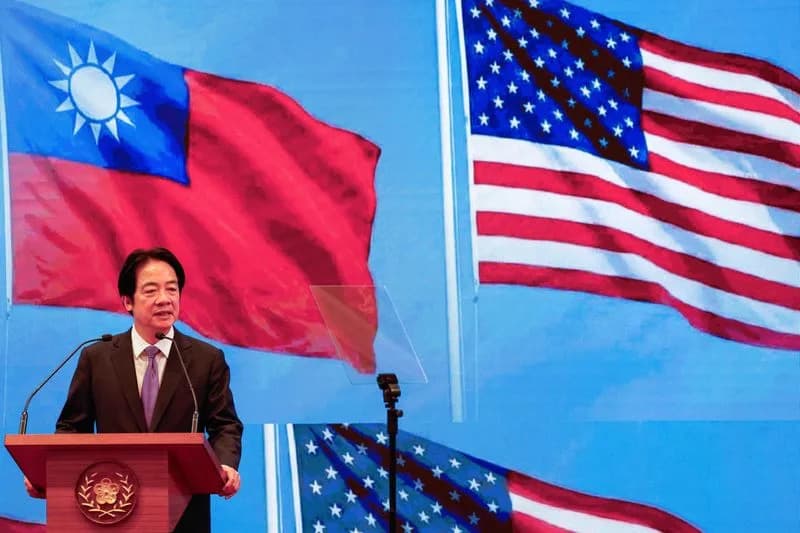
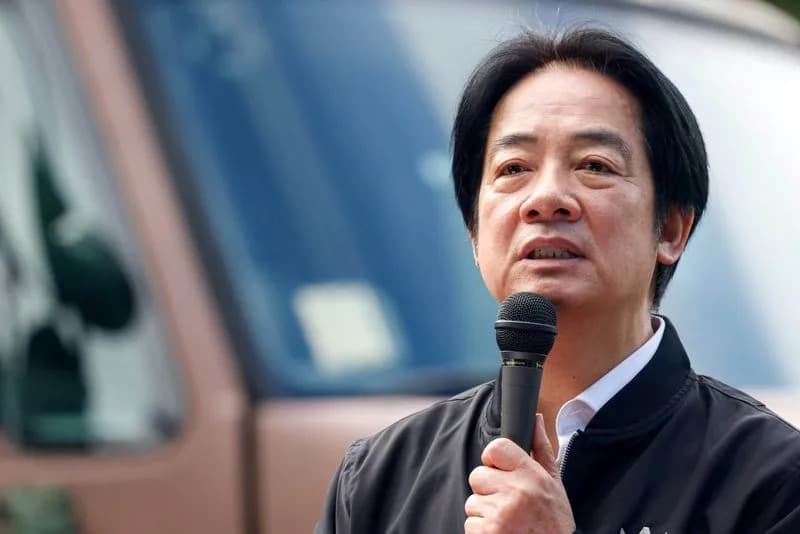
Taiwan's President Lai Ching-te speaks at a press conference on the latest round of economic talks with the U.S., in Taipei, Taiwan, February 3, 2026. REUTERS/Ann Wang
TAIPEI, Feb 3 (Reuters) - President Lai Ching-te said on Tuesday that Taiwan should prioritize economic and trade cooperation with fellow democracies rather than with China, outlining how his administration plans to deepen collaboration with the United States on artificial intelligence, critical minerals and semiconductor supply chains.
Senior Taiwanese and U.S. officials last week met at a high-level forum to discuss cooperation on AI, technology and drones. The U.S. State Department described Taipei as a "vital partner," and the two sides signed statements on economic-security cooperation and the Pax Silica Declaration — a U.S.-led initiative aimed at safeguarding AI and semiconductor supply chains amid intense competition with Beijing.
Speaking at a news conference about the U.S.-Taiwan Economic Prosperity Partnership Dialogue, Lai praised the results of those talks. "Taiwan is on the right economic path and is striding confidently onto the world stage. Taiwan has both the capability and the confidence to work with its democratic partners to lead the next generation of prosperity," he said.
Beijing Meeting
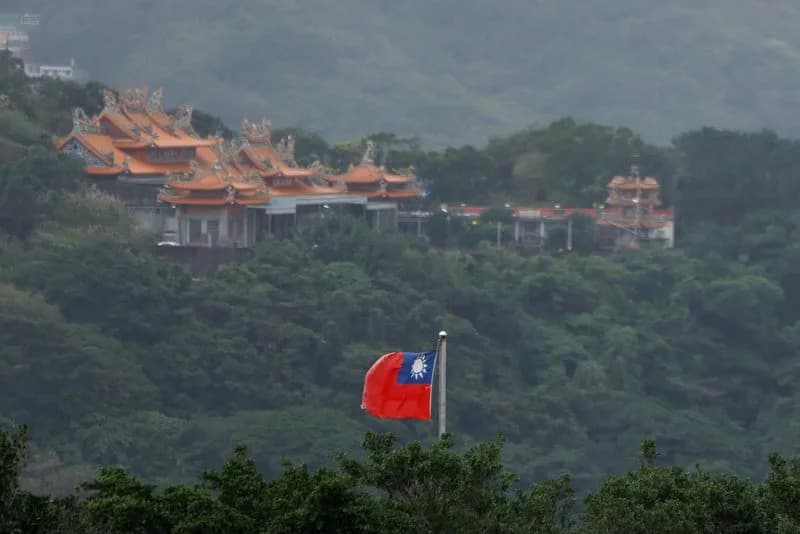
The comments came as Hsiao Hsu-tsen, deputy chairman of the main opposition Kuomintang (KMT), attended a think-tank exchange in Beijing with China's Communist Party on topics described as non-political, including AI and tourism. The KMT said the event emphasized "peaceful development" and cross-strait cooperation.
"We should cooperate across the Taiwan Strait to earn money from the world, rather than oppose each other across the strait and let foreign countries reap the benefits, exploiting Taiwan and hollowing it out," Hsiao said, according to a party readout.
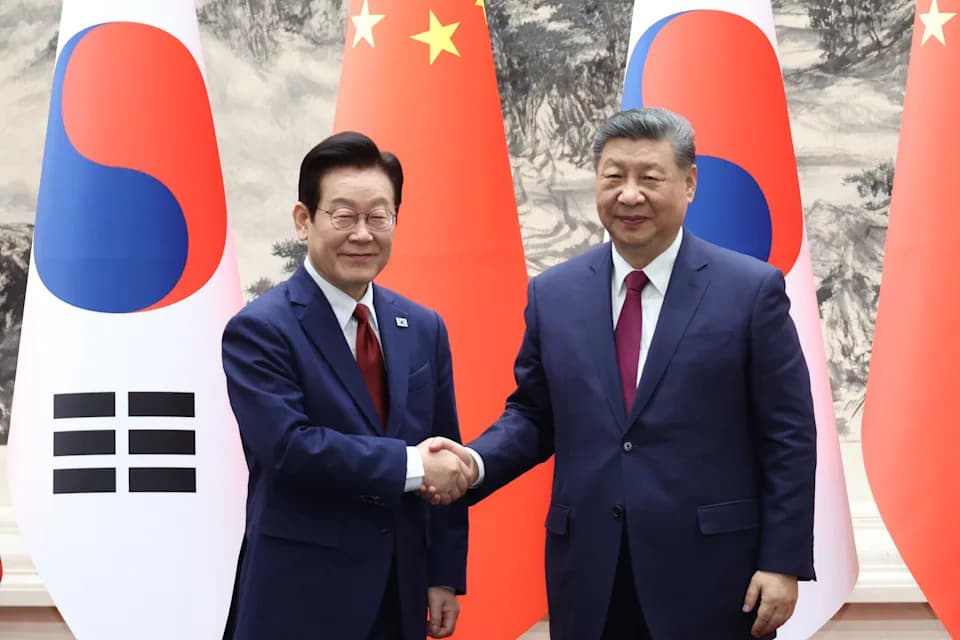
China has refused to engage directly with Lai, labelling him a "separatist," while Lai insists only Taiwan's people can decide the island's future. He reiterated his willingness to speak with Beijing "on the basis of parity and equality."
Domestic Rift Over Defence Spending
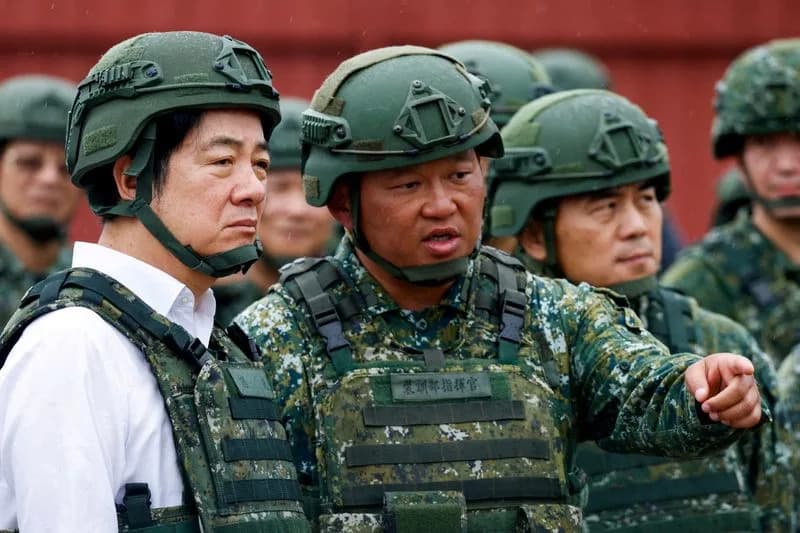
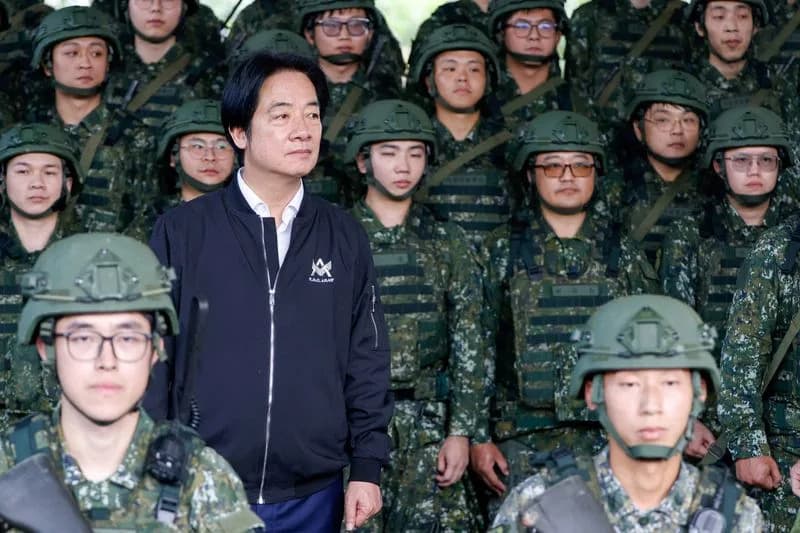
At home, Taiwan's opposition has blocked Lai's proposed $40 billion special defence budget and advanced an alternative that would fund only select U.S. weapons systems rather than the full package Lai requested.
U.S. Senator Roger Wicker, chairman of the Senate Armed Services Committee and a vocal advocate for Taiwan, wrote on X that he was "disappointed" by the cuts and urged Taiwan's parliament to reconsider, citing rising threats from China. The KMT responded that it supports defence funding but criticised Wicker's remarks as made "without sufficient information," asking rhetorically whether the U.S. Congress would approve an eight-year, open-ended budget without specifics.
(Reporting by Yimou Lee and Ben Blanchard; Editing by Raju Gopalakrishnan and Clarence Fernandez)
Help us improve.