Former Bolivian President Evo Morales has been out of public view since Jan. 8 amid an outstanding arrest warrant and an investigation in Tarija into alleged aggravated human trafficking. Allies say he is "safe" and recuperating in the Chapare region under protection from coca growers, while authorities say he remains subject to restrictions on movement. The developments coincide with a political shift after Rodrigo Paz’s election and the government’s decision to restore cooperation with the U.S., including the return of the DEA.
Evo Morales’ Whereabouts Unclear As Bolivia Issues Arrest Warrant And Reopens Ties With U.S. DEA
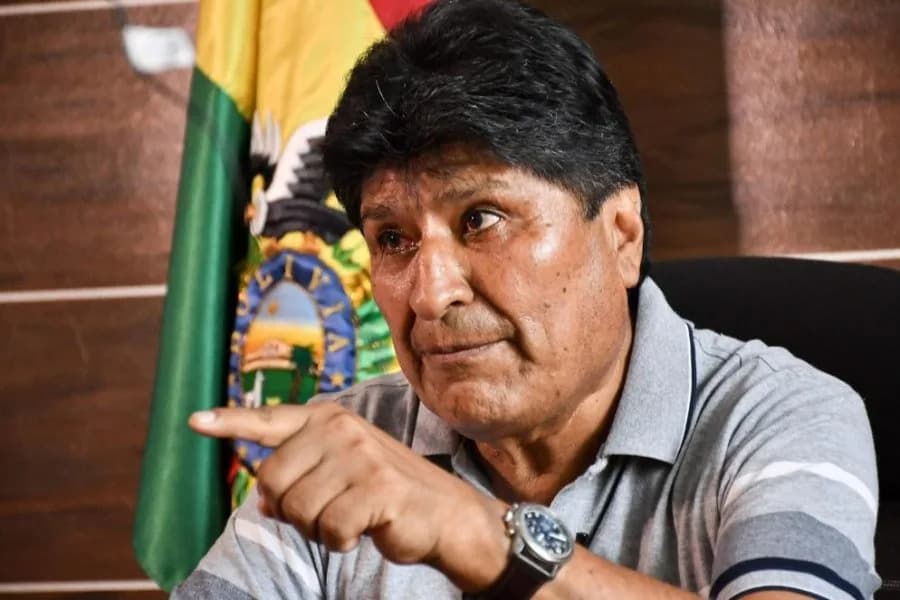
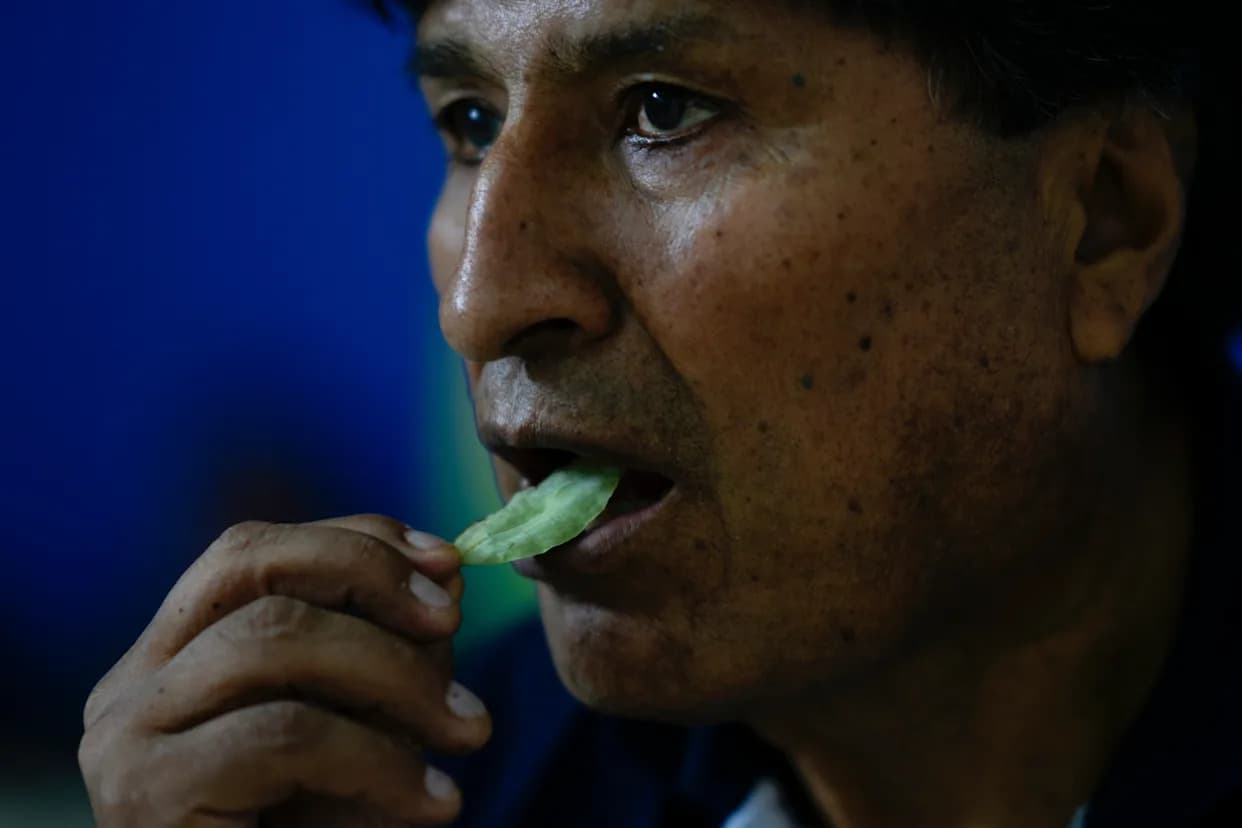
Former Bolivian President Evo Morales has not been seen in public for more than four weeks amid an outstanding arrest warrant and the announced return of the U.S. Drug Enforcement Administration to the country. File Photo by Jorge Abrego/EPA
Feb. 4 (UPI) — Former Bolivian President Evo Morales has not been seen in public for more than four weeks as an outstanding arrest warrant looms and the government moves to restore cooperation with the U.S. Drug Enforcement Administration (DEA).
Absence And Legal Case
Morales — Bolivia’s first Indigenous president and a dominant figure on the left who governed from 2006 to 2019 — has been absent since Jan. 8 from his weekly Sunday radio program and from party and union gatherings in the Tropics of Cochabamba, a historic stronghold of his political base. He has also been largely inactive on social media, a break from his usual public profile that has prompted widespread speculation.
The former president faces an investigation in Tarija on allegations of aggravated human trafficking. Prosecutors say Morales maintained a relationship with a minor during his third term and allegedly fathered a child in 2016. Morales has repeatedly denied the accusations, calling them political persecution. After missing scheduled court hearings, authorities declared him a fugitive and issued an arrest warrant.
Location And Protection
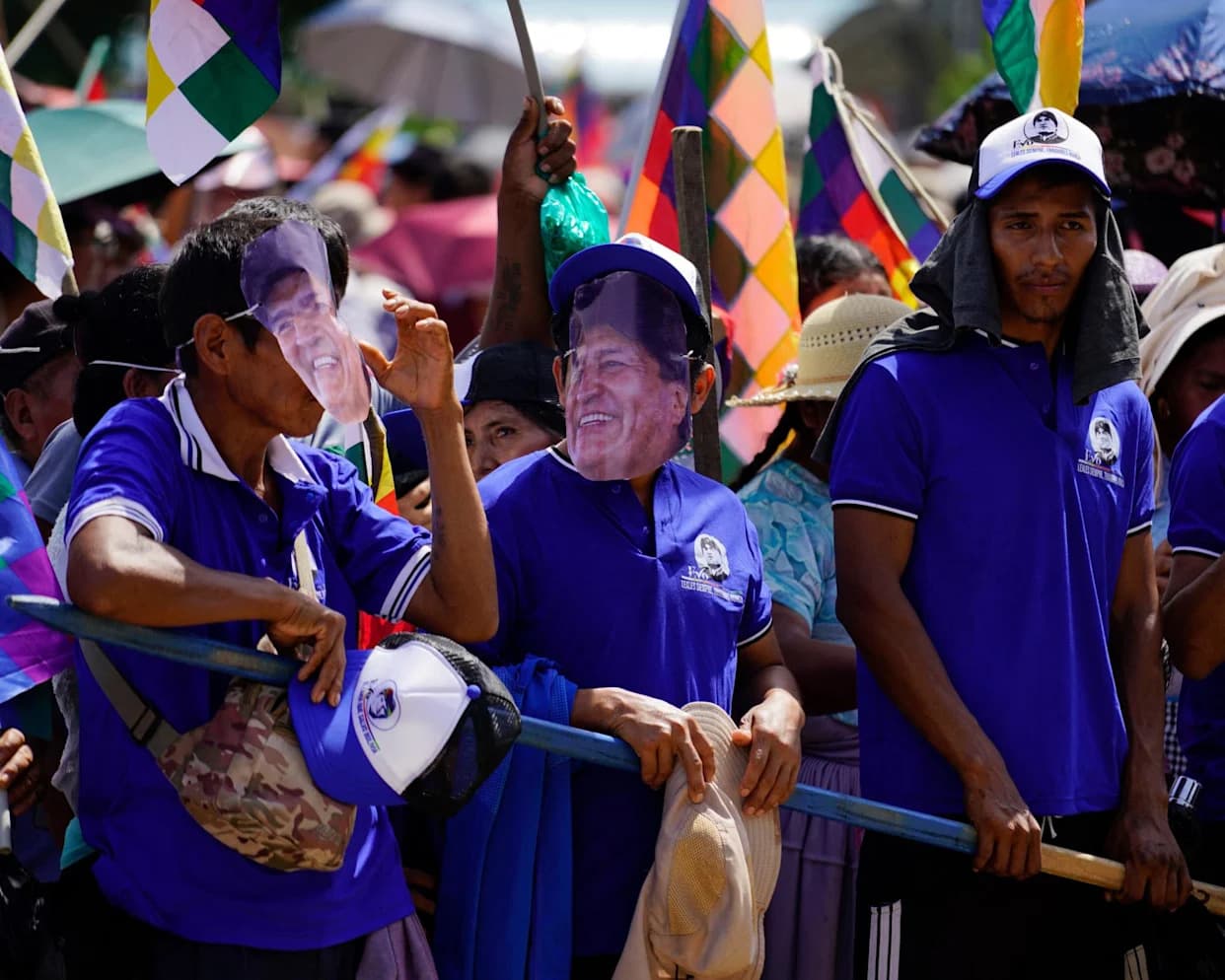
Since October, Morales is believed to have remained in the Chapare region — an area roughly the size of New Jersey — where coca growers' organizations have provided protection by blocking roads and staging vigils to deter police entry. Close allies say he is "safe" and recuperating for health reasons, but they have not disclosed his precise whereabouts.
"State surveillance should not be a threat to anyone," said Vice Minister of Social Defense Ernesto Justiniano, describing recent helicopter flights as part of anti-narcotics operations tied to efforts to reactivate cooperation with Washington.
Government Response And Political Context
Government officials, including Minister Marco Antonio Oviedo and Police Commander General Mirko Sokol, say Morales remains in Chapare and that there are no records showing he has legally left the country. Oviedo described conditions in the Chapare as a kind of "de facto house arrest," reflecting limits on Morales’s ability to move freely.
Morales’s silence and absence come amid a major political shift in Bolivia. Following nearly two decades of left-wing rule, a center-right administration led by President Rodrigo Paz took office after the October election. The Movement for Socialism — Morales’s party — suffered a steep electoral defeat and now holds marginal representation in national politics.
Since taking office in November, President Paz has reoriented foreign policy and announced the restoration of ties with the United States, including the return of the DEA, which Morales expelled in 2008. The prospect of increased U.S. involvement has heightened concerns in Chapare, prompting coca growers to step up local security amid fears of a possible capture operation.
Implications
Morales’s prolonged absence has intensified tensions during a sensitive political transition as the new government seeks to reassert state control in regions historically dominated by coca-grower unions. Critics say the failure to execute the arrest warrant undermines legal certainty and state authority, while supporters warn that heavy-handed operations could inflame local unrest.
Help us improve.