States nationwide are advancing laws to bar nondisclosure agreements in civil settlements involving child sexual abuse, a move supporters say will prevent survivors from being silenced and help expose abusers. Texas enacted a ban last June, and other states including California, Missouri and Tennessee have enacted similar measures. Many new bills follow Missouri’s model “Trey’s Law”; some apply retroactively while others do not. Lawmakers largely back the changes, though some caution a blanket prohibition could complicate settlements for nonprofits and faith-based organizations.
States Move to Block NDAs That Silence Survivors of Child Sexual Abuse
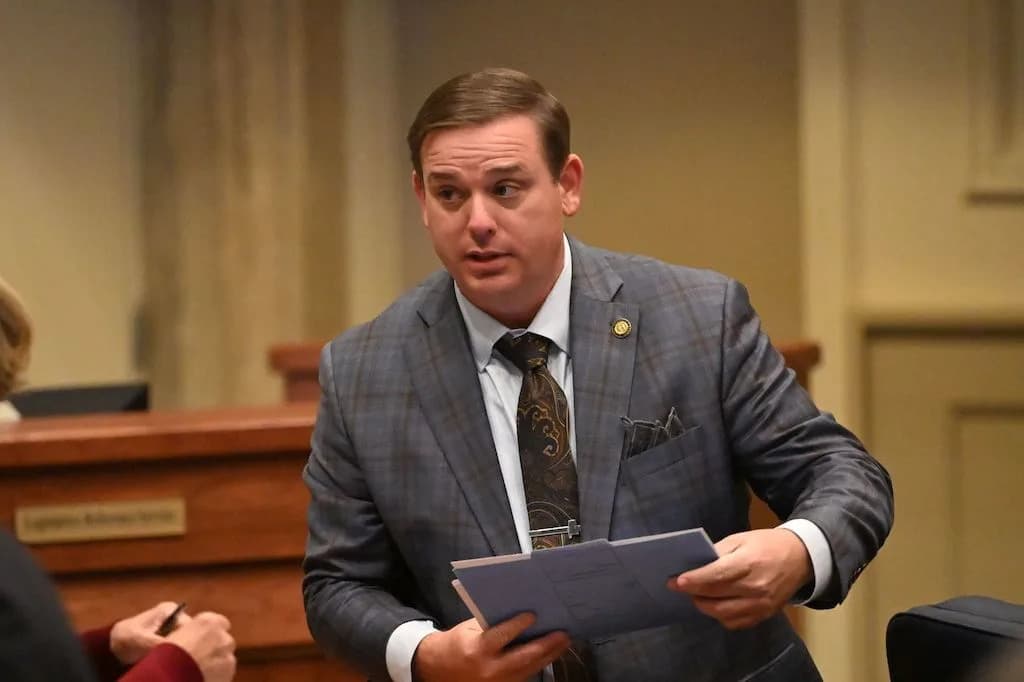
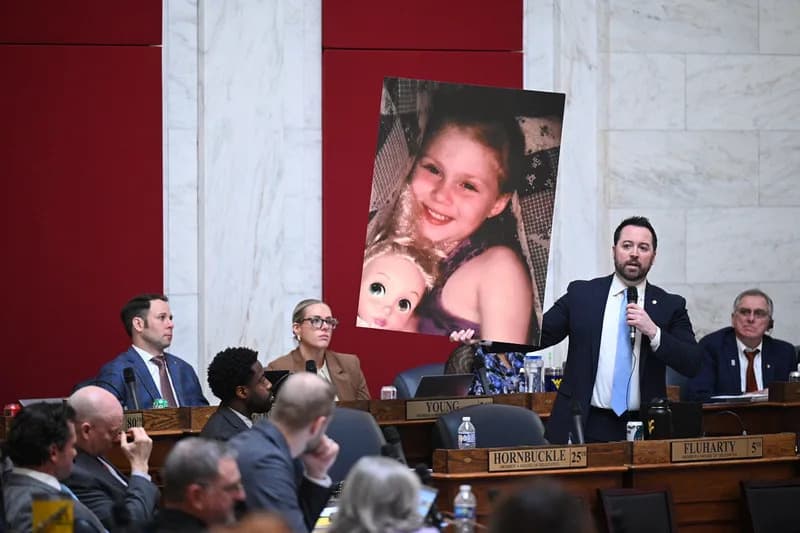
Alabama state Sen. Matt Woods, a Republican, speaks to a colleague on the floor of the Alabama Senate in January. The Senate passed a bill Woods sponsored that would prohibit civil courts from issuing nondisclosure agreements against survivors of child sexual abuse.
Editor’s note: If you or someone you know needs help, the U.S. national suicide and crisis lifeline is available by calling or texting 988, or via online chat at 988lifeline.org.
Lawmakers in several states are advancing laws to prevent nondisclosure agreements (NDAs) from silencing survivors of child sexual abuse. Proponents say the measures will protect survivors, expose abusers and prevent future harm; critics warn that an outright ban could complicate civil settlements and affect nonprofit and faith-based institutions.
One Survivor’s Refusal and a High-Profile Case
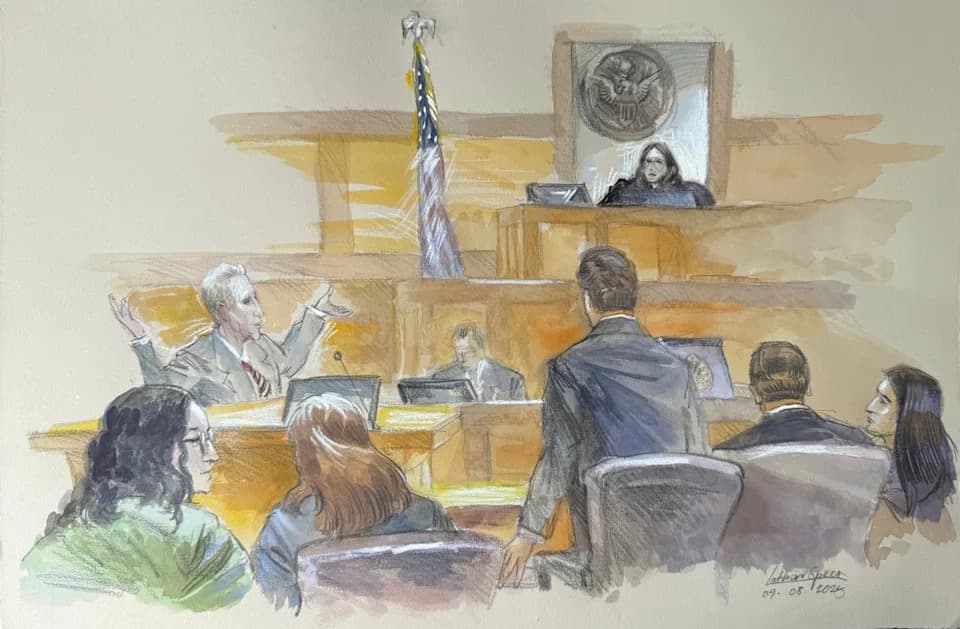
Cindy Clemishire says she was first abused at age 12 on Christmas night by a traveling evangelist staying with her family. She says the abuse continued for about four years. When she sought restitution in 2007, Clemishire says the abuser’s attorney offered $25,000 in exchange for a nondisclosure agreement that would bar her from speaking about the abuse. She refused.
“Had I agreed to that NDA, Robert would have continued to have power over me,” Clemishire told Texas lawmakers as she urged passage of a law banning NDAs in civil cases involving child sexual abuse. Because she declined the agreement, she later spoke publicly about her experience and helped pressure prosecutors and advocates.
The man Clemishire identified, Robert Morris, later founded Gateway Church in Texas and—after a criminal investigation—pled guilty to child sex abuse charges.
State and Federal Responses
Texas enacted a law last June that prevents NDAs from being enforced in civil settlements involving child sexual abuse. California, Missouri and Tennessee have enacted similar or related restrictions. This year, lawmakers in Oklahoma, Alabama and Georgia have moved comparable measures, many modeled on “Trey’s Law”—state legislation first passed in Missouri and named for Trey Carlock, a survivor who died by suicide after signing an NDA that limited his ability to speak about abuse he suffered at a Christian summer camp.
At the federal level, the 2022 Speak Out Act targets preemptive workplace NDAs by invalidating nondisclosure clauses signed before a dispute involving sexual assault or harassment arises; it does not nullify NDAs signed after allegations surface. Several recent state bills go further by applying retroactively to void older NDAs, while others apply only to agreements made or amended after the law takes effect.
Bipartisan Support—and Some Caution
Restrictions on NDAs in sexual abuse cases have attracted bipartisan support in many states, often passing with broad margins. Supporters say banning these NDAs prevents institutions from hiding abuse and helps protect children.
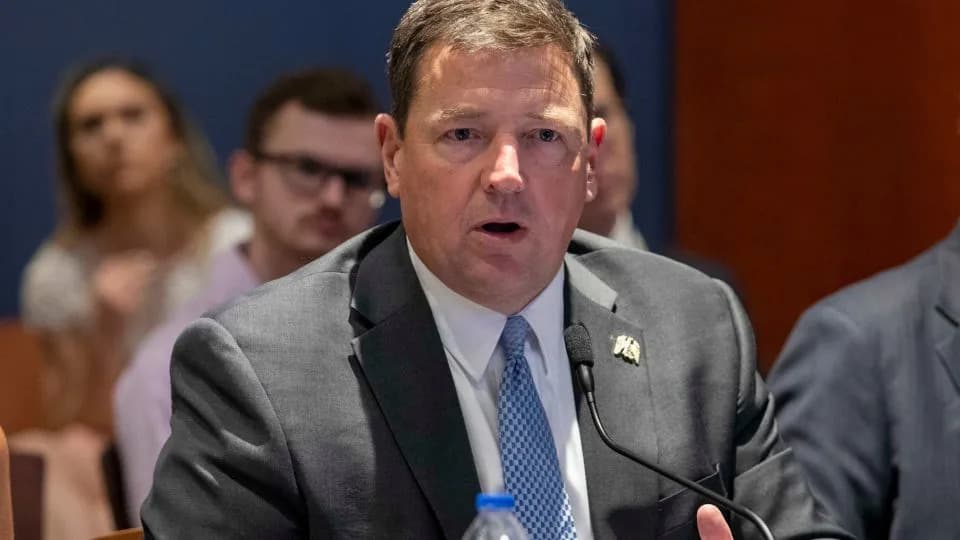
But some lawmakers urge caution. In Alabama, Republican Sen. Greg Albritton warned that a blanket ban could remove a tool institutions rely on to settle claims and fund reforms, potentially harming organizations that provide community services. The sponsor of the Alabama measure, Republican Sen. Matt Woods, said the bill aims to let survivors speak and heal.
What This Could Mean
Advocates say banning NDAs in child sexual abuse settlements could increase transparency, expose patterns of abuse and make it easier to protect future victims. Opponents contend that civil settlements sometimes require confidentiality to resolve claims and enable victims to receive compensation. As states grapple with these trade-offs, key differences—such as whether a law is retroactive—will shape how many survivors regain the right to speak.
Reporter: Anna Claire Vollers
Help us improve.