The killing of Alex Pretti in Minneapolis triggered intense scrutiny of the administration’s response, putting certain officials under pressure while White House policy chief Stephen Miller has so far avoided major consequences. Senate Democrats forced a temporary split of DHS funding from a larger package to secure time for reforms on ICE patrols, use-of-force rules, and body cameras. Other notable developments include Trump’s nomination of Kevin Warsh for Fed chair, an FBI search in Fulton County tied to 2020 ballots that involved DNI Tulsi Gabbard, and an assault on Rep. Ilhan Omar amid heated presidential rhetoric.
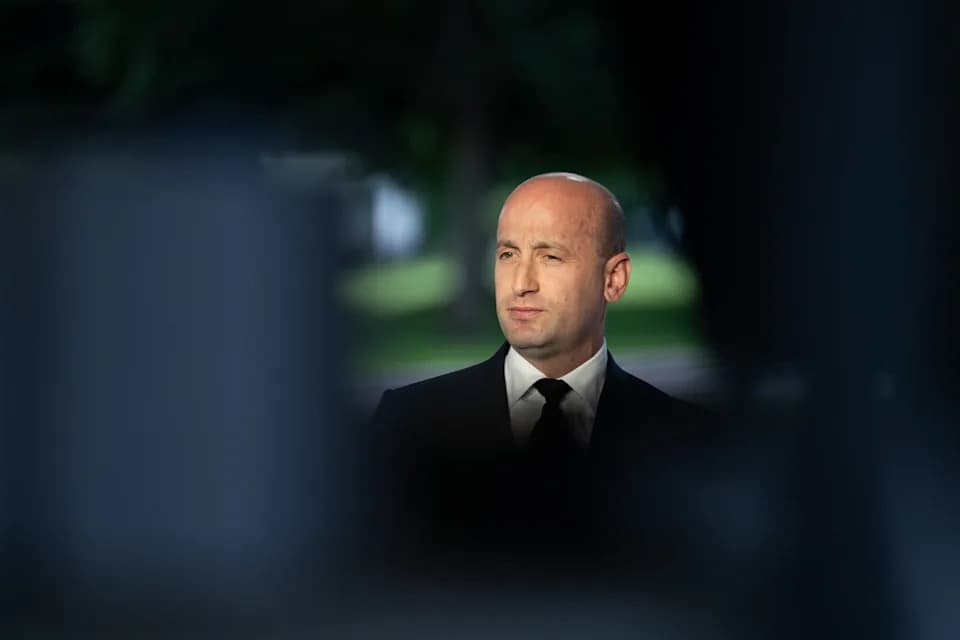
Why Stephen Miller Keeps Avoiding Accountability

Photo illustration by Slate. Photo by Michael Gonzalez/Getty Images.
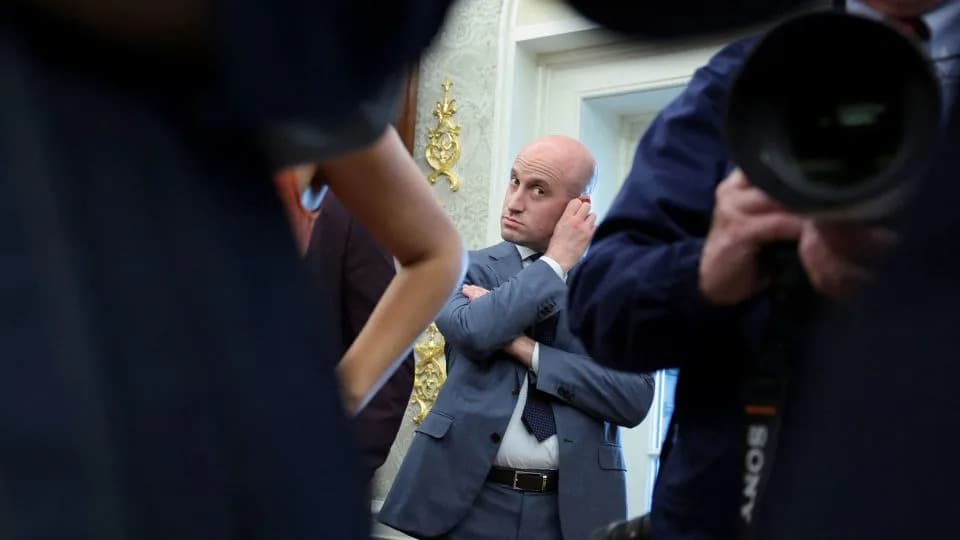
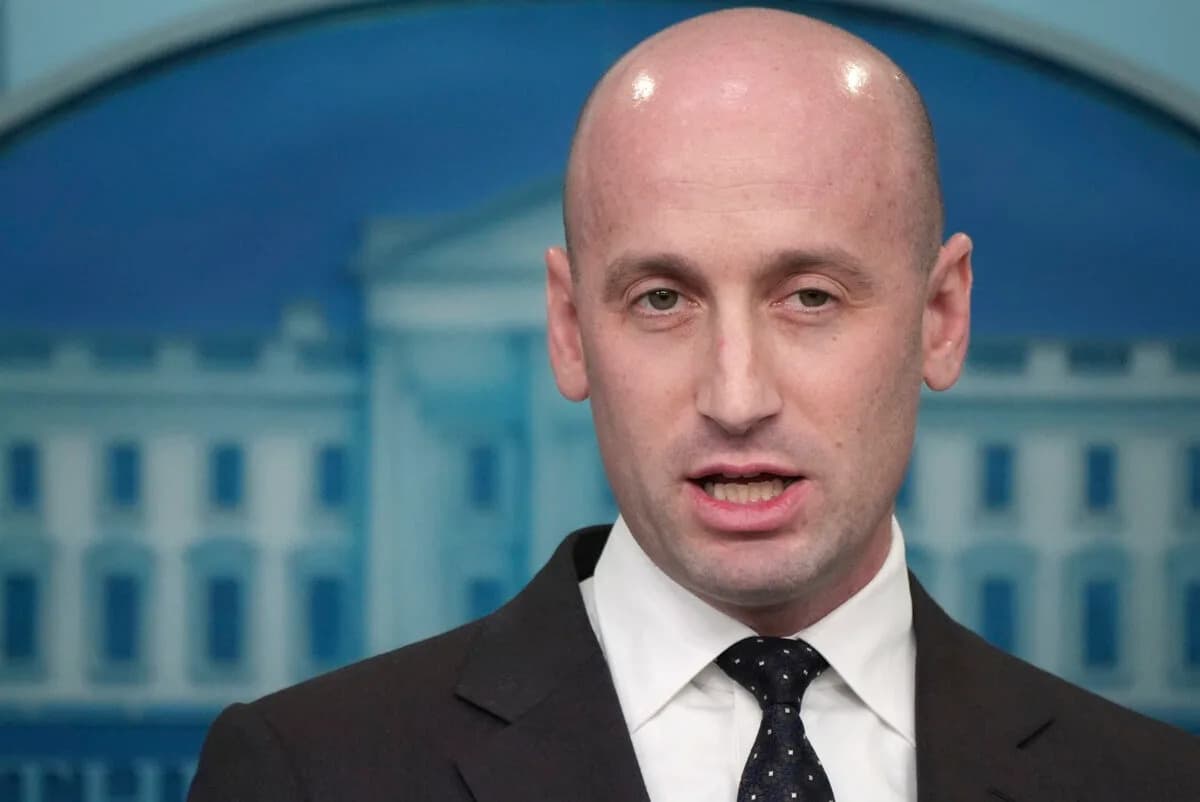
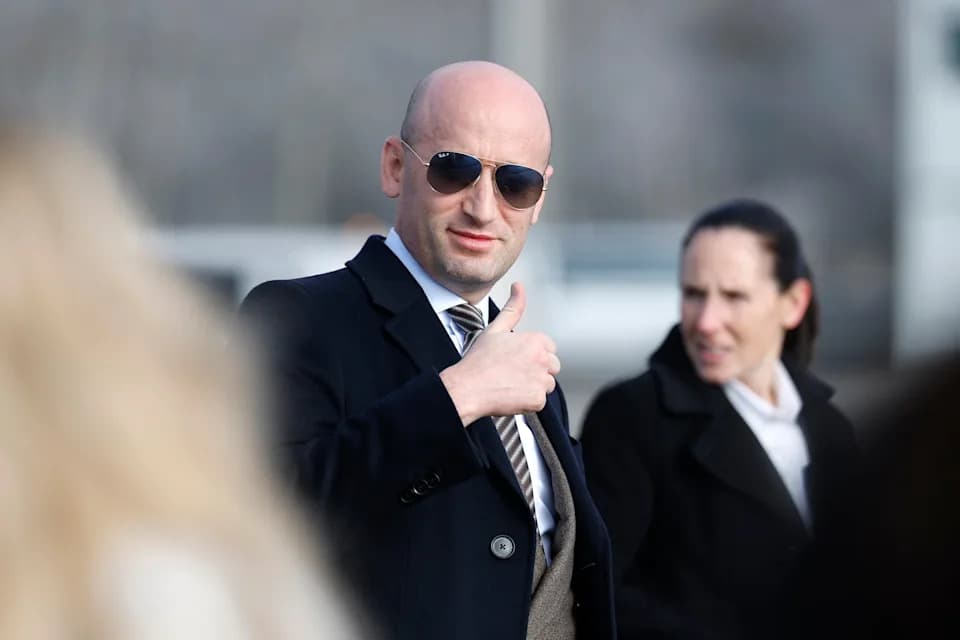
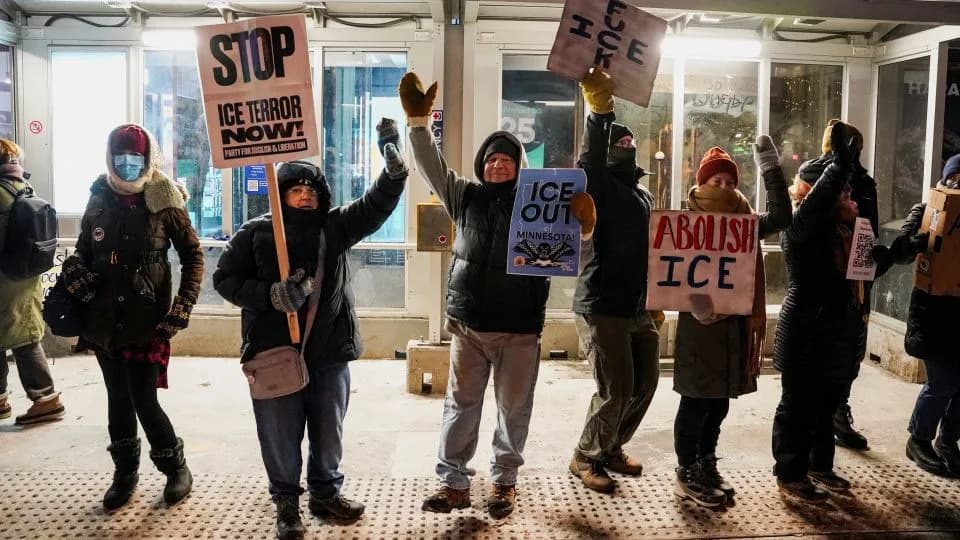
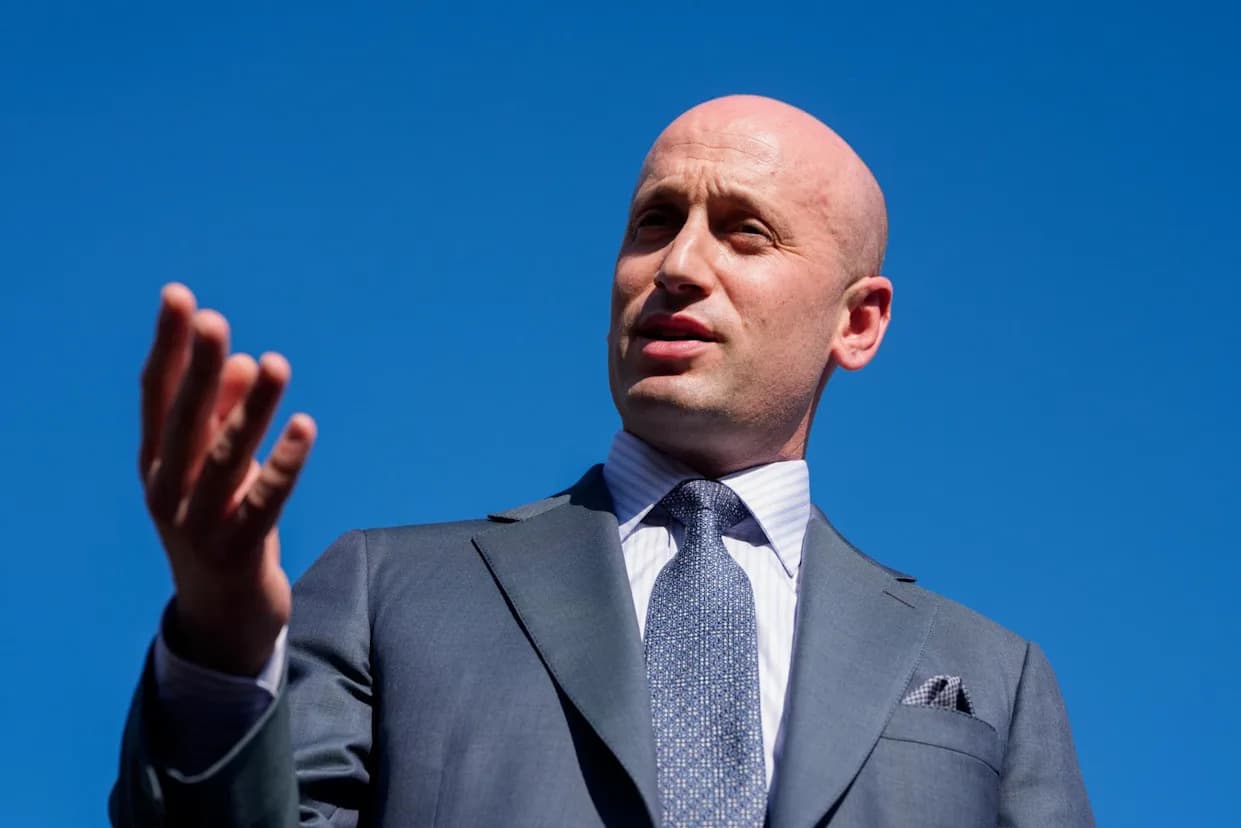
The killing of protester Alex Pretti in Minneapolis dominated the week’s headlines and set off a scramble inside the administration over who will take responsibility. While several officials have faced pressure or reassignment, Stephen Miller — the White House policy chief known for hard-line rhetoric and influential policymaking — has so far escaped major consequences. Below we break down who’s under fire, what lawmakers are demanding, and why Miller remains central to the story.
Who’s Taking the Heat
In the current administration, Kristi Noem — identified in reporting as the official overseeing the Minneapolis operation — drew intense criticism after describing Pretti as a “domestic terrorist” at a press briefing. That characterization, coupled with other inflammatory language from the administration, produced bipartisan calls for accountability. Noem reportedly met with the president for two hours to defend her actions; for now, White House leaders appear reluctant to make a high-profile firing.
Miller’s Role And Resilience
Stephen Miller, the White House policy chief, also quickly used incendiary language — calling Pretti an “assassin” and accusing him of trying to “murder” agents. Noem’s team told Axios that Miller helped craft the initial messaging, which is consistent with his long-standing reputation for aggressive, early accusations. Historically, Miller has weathered controversies that have toppled other senior officials; that institutional resilience helps explain why he remains influential even as colleagues are reassigned or pressured.
Congress Pushes For Reforms — And Time
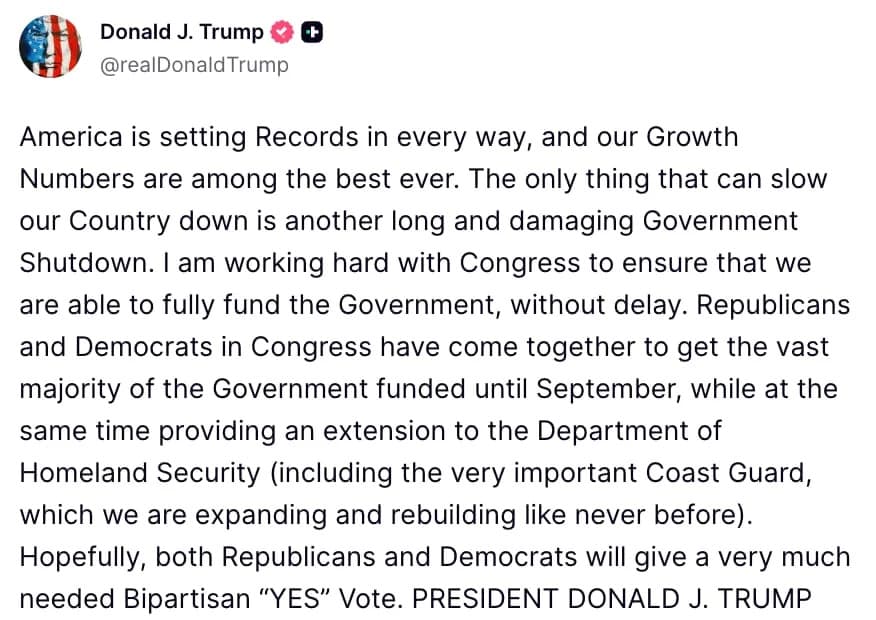
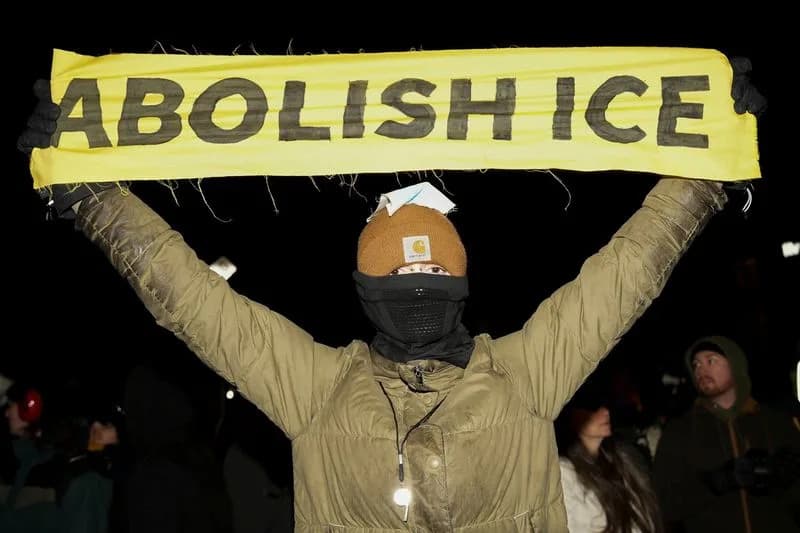
Senate Democratic leader Chuck Schumer refused to advance a legislative package that included Department of Homeland Security funding until new reforms were negotiated. After talks, Republicans and the White House agreed to strip DHS funding from the larger bills and advance the other appropriations — buying about two weeks for talks specifically on DHS. Schumer’s negotiating position included three concrete demands: ending roving ICE patrols and tightening warrant standards; creating a universal code of conduct for federal law-enforcement use of force; and requiring officers to wear clear identification and body cameras while barring face coverings that obscure identity.
Other Big Stories This Week
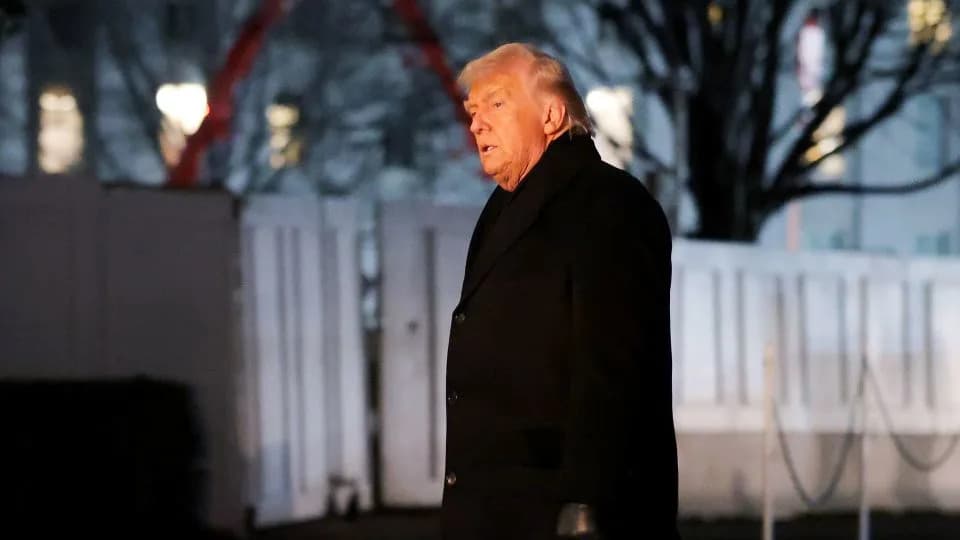
President Trump announced financier Kevin Warsh as his nominee to replace Jay Powell as Federal Reserve chair when Powell’s term ends in mid-May. Warsh, a former Fed governor, is known for hawkish post-crisis views but has signaled different positions since then — raising questions about whether his past judgments or present statements will guide policy.
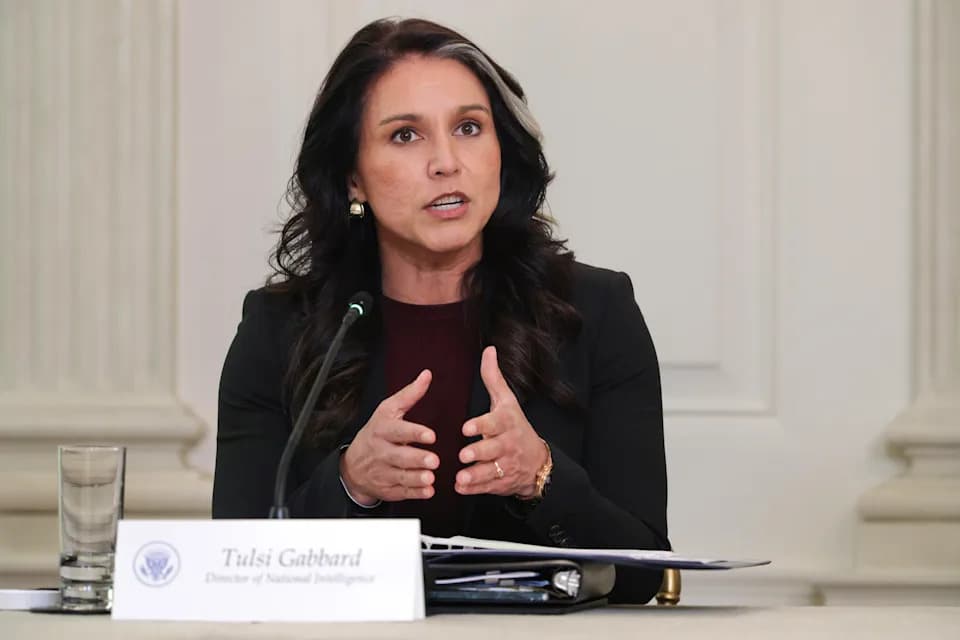
In Georgia, an FBI search of an election office in Fulton County sought documents related to the 2020 general election. The operation drew national attention and concern from legal observers who warned it could be used as a precedent to intimidate election officials. Reportedly, Director of National Intelligence Tulsi Gabbard was present at the scene — a surprising detail that has prompted criticism about politicizing intelligence resources.
Political Fallout And Personal Threats
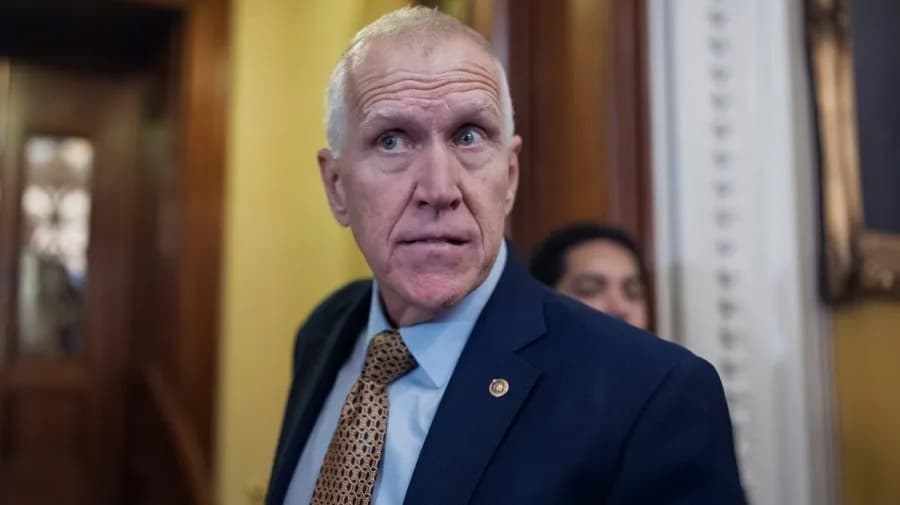
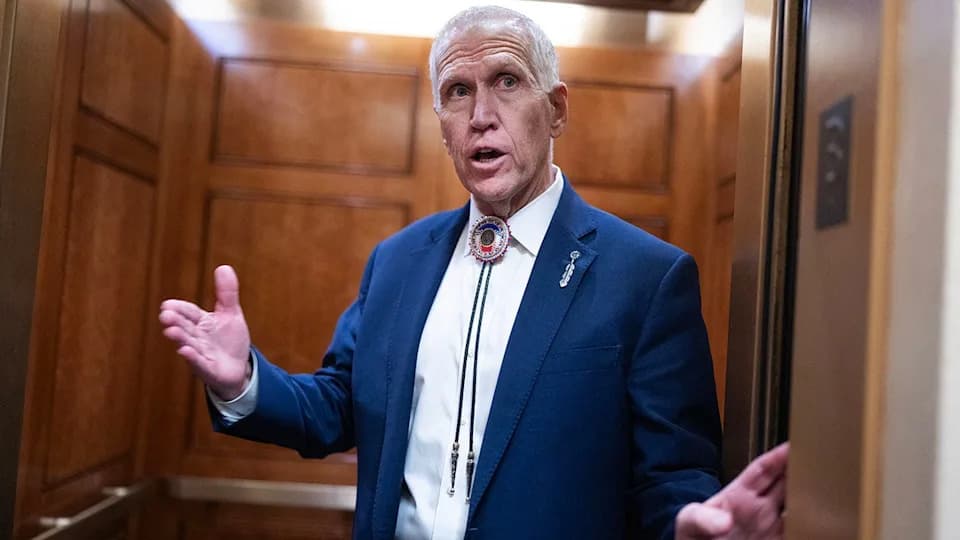
Sen. Thom Tillis criticized the administration’s handling of the Minneapolis incident and called for the removal of the official in charge, while avoiding direct personal attacks on the president. President Trump responded by attacking Tillis and Sen. Lisa Murkowski on national television — an exchange that underscores the fraught interplay between GOP dissenters and the White House.
Finally, Rep. Ilhan Omar was sprayed with a liquid at a public event; authorities later determined it was apple cider vinegar diluted with water. Omar linked the incident to a pattern of intensified threats that followed hostile presidential rhetoric aimed at her. The episode reinforced concerns about the real-world consequences of inflammatory public language.
What This Means
Across these developments, a consistent pattern emerges: senior advisers who shape aggressive policy and messaging can remain influential even as other officials bear the public fallout. Whether that balance holds as pressure mounts on policing, immigration enforcement, and election-related actions will be one of the defining political questions in the near term.
Editor’s note: This piece improves clarity and grammar in the original reporting. Readers should consult multiple sources for real-time updates and for confirmation of official titles and assignments, which can change during a transition period.
Help us improve.