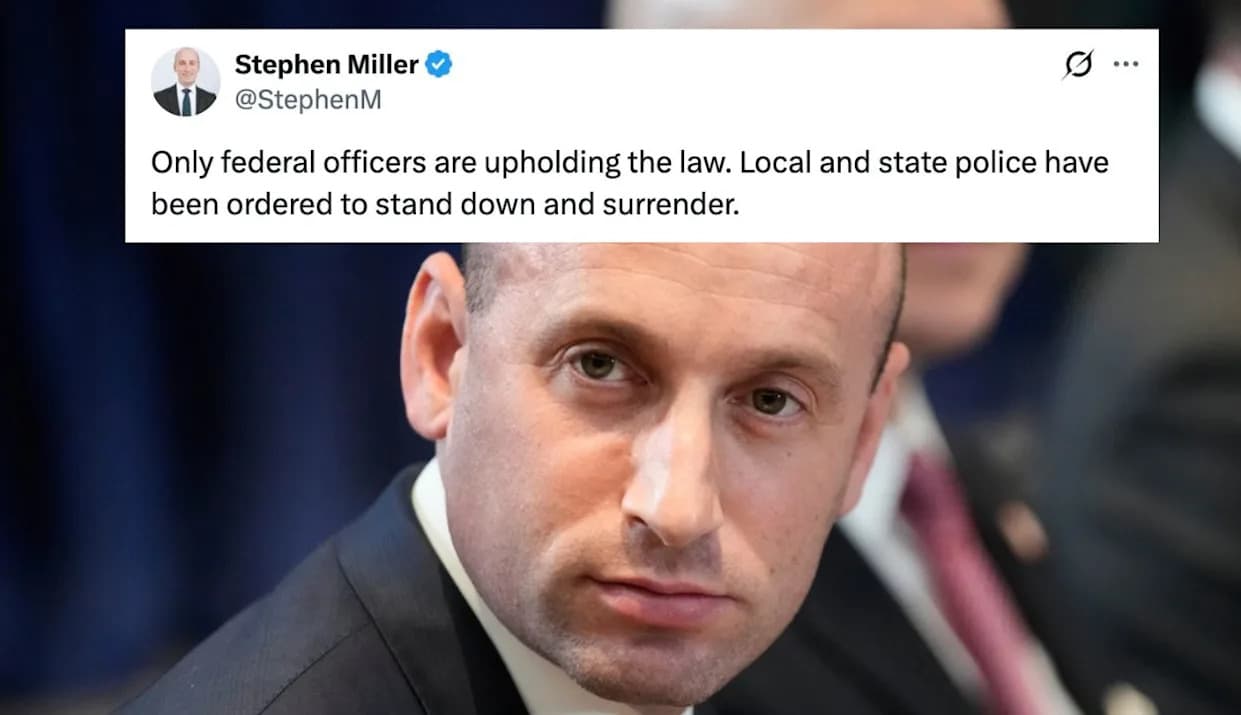
Stephen Miller Has A Central Role In The Administration’s Immigration Enforcement. He runs daily interagency policy calls and presses agencies to meet aggressive targets, including a previously reported 3,000-daily-arrest goal for ICE. After the Alex Pretti shooting in Minneapolis, Miller conceded CBP may not have followed protocol, while video evidence contradicted his initial description of Pretti. The episode has highlighted how White House pressure on enforcement metrics can shape operations on the ground.
Stephen Miller Tightens Grip on Immigration Enforcement as Minneapolis Shooting Sparks Scrutiny

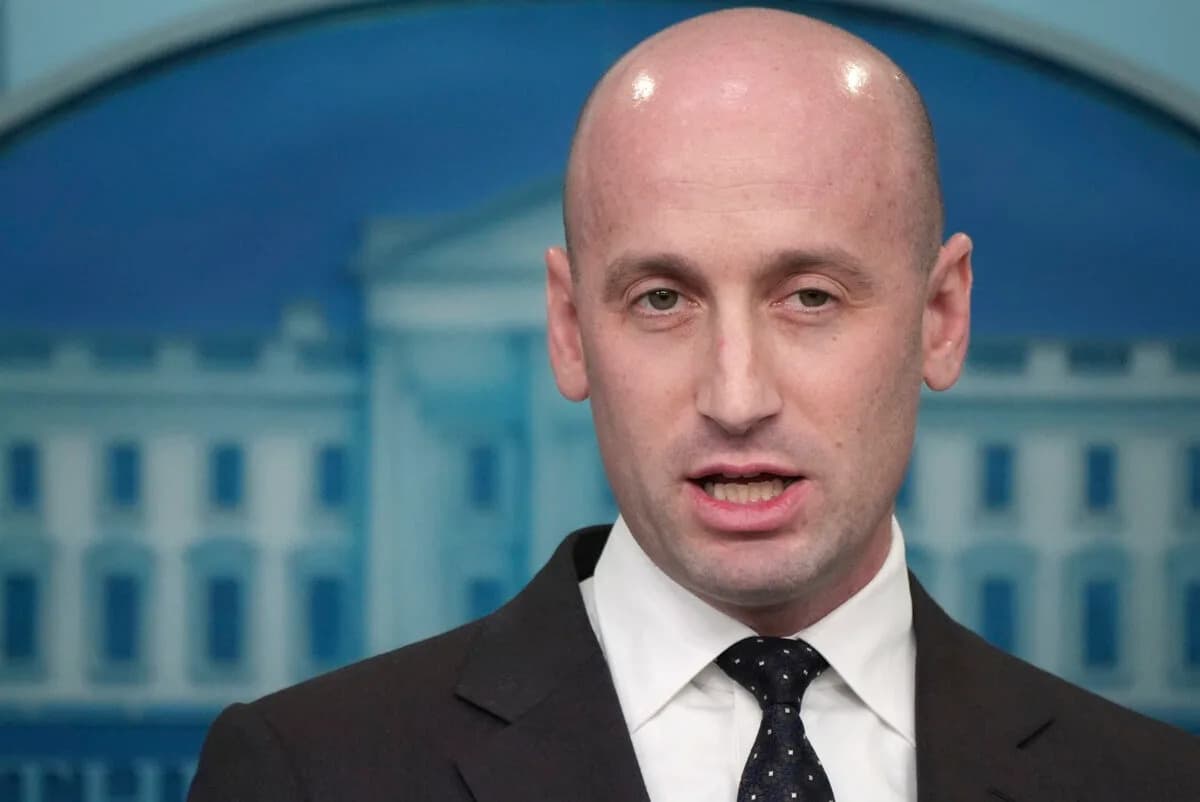
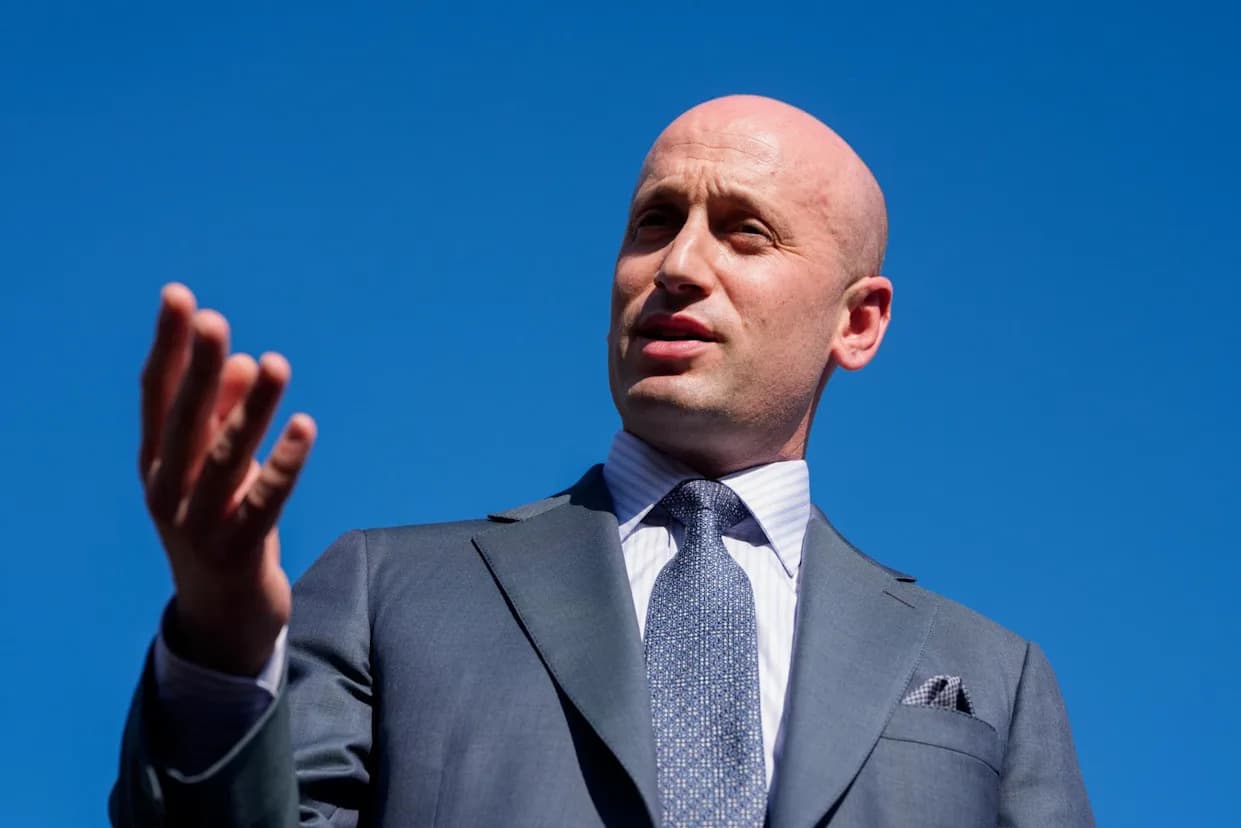
White House deputy chief of staff Stephen Miller attends an event in the Oval Office of the White House on October 15, 2025. - Jonathan Ernst/Reuters
Stephen Miller has spent the week attempting to distance himself from the fallout over the fatal shooting in Minneapolis and the administration’s criticized initial response. Yet many officials and observers continue to portray Miller as the principal architect of President Trump’s aggressive deportation push — a campaign marked by forceful operations in Democratic-led cities and pressure on agencies to meet ambitious arrest targets.
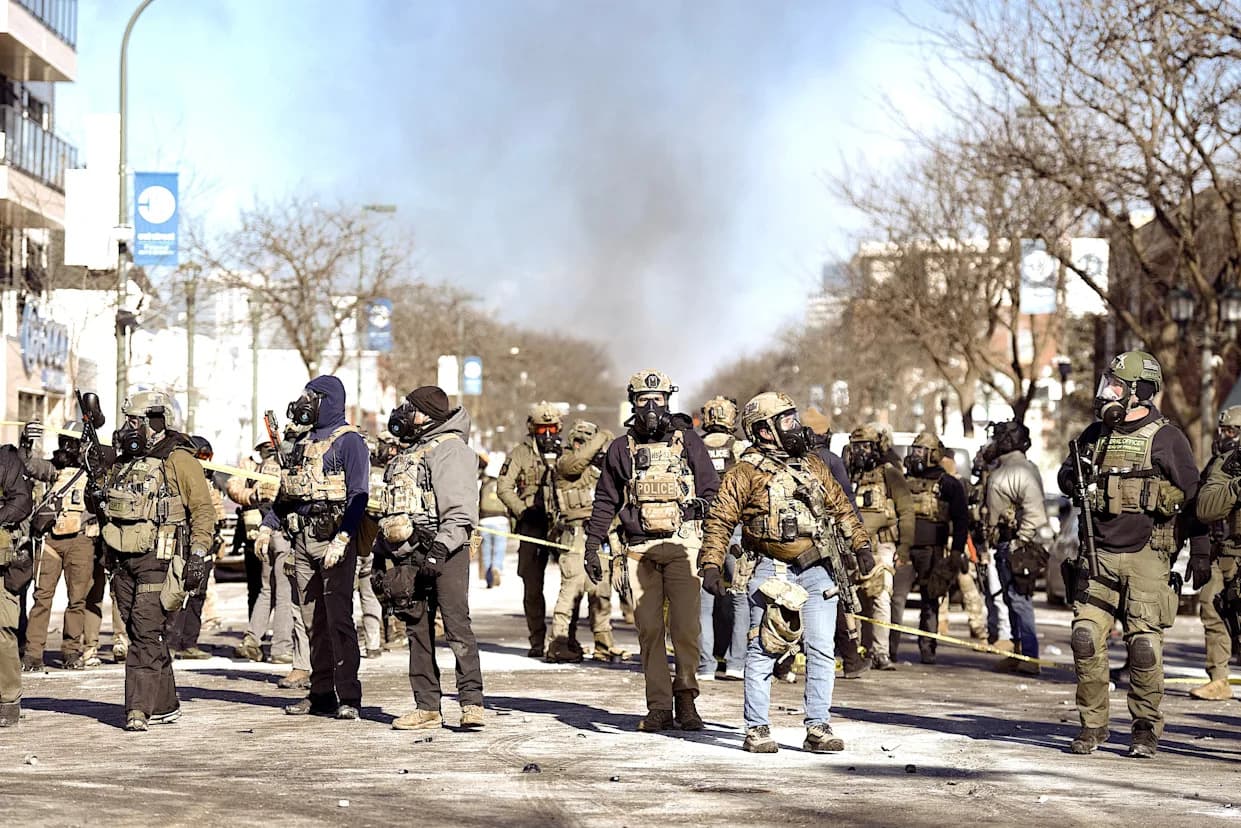
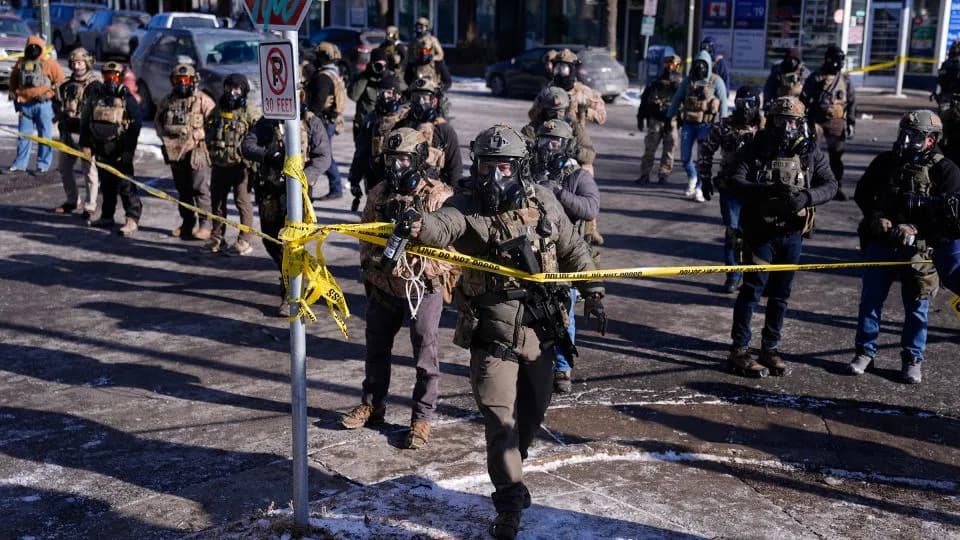
After the fatal shooting of Alex Pretti in Minnesota, several Trump administration officials traded public blame as bipartisan criticism mounted over chaotic scenes on the ground and what many saw as a hasty effort to fault Pretti for the confrontation. On Tuesday, Miller — who rarely acknowledges error — took the uncommon step of conceding that Customs and Border Protection (CBP) may not have followed established protocols during the incident. He said the White House’s preliminary response relied on initial reports from CBP personnel on the scene.
Earlier, Miller publicly described Pretti as a “would-be assassin,” a characterization that spread through pro-Trump channels but was later undermined by video showing Pretti filming officers and assisting a woman who had been knocked down. The discrepancy between the initial official narrative and visual evidence intensified scrutiny of how enforcement operations are conducted and how information is communicated from the field to policymakers.

A screengrab from a video obtained by Reuters shows Alex Pretti walking backwards on the street while holding a mobile phone near a law enforcement officer, moments before he was fatally shot in Minneapolis, Minnesota, on January 24, 2026. - Obtained by Reuters
Daily Pressure and Operational Consequences
Miller — described inside the White House as a relentless enforcer of the administration’s immigration agenda — convenes a daily 10 a.m. interagency policy call, including on weekends. According to sources familiar with the calls, Miller presses agency leaders for progress updates and applies intense pressure when results fall short of expectations. A White House official called the meetings a “policy call to ensure interagency coordination,” bringing together senior leadership across agencies responsible for national security and public safety.
Administration sources say Miller is particularly focused on metrics: how many immigration arrests are being made each day and how quickly deportations are proceeding. Last year, he directed U.S. Immigration and Customs Enforcement (ICE) officials to pursue a daily target of 3,000 immigration arrests — an unprecedented quota that has not been met. Officials say that White House pressure cascades down to agents and officers executing enforcement operations, encouraging broader arrest practices that sometimes include people without criminal records.
Reach Across Departments
Sources describe Miller as engaging frequently with both Homeland Security and the Justice Department. He is known to speak multiple times a day with senior Homeland Security officials and with allies outside the department, and he maintains regular contact with Justice Department officials on immigration policy and messaging. A White House official emphasized that Miller’s role is intended to be policy-focused rather than operational; the official noted that Greg Bovino, who until this week led the Minnesota operation, did not participate in the daily policy calls.
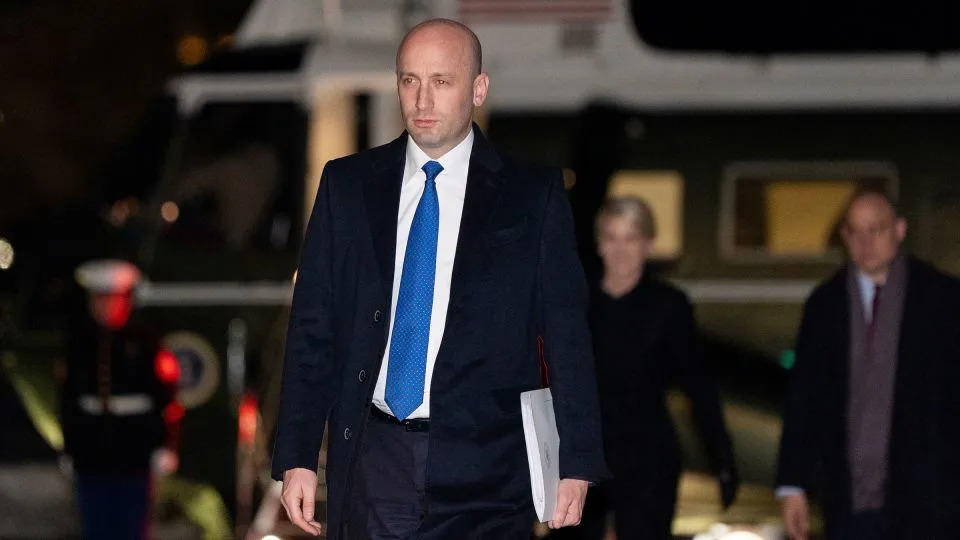
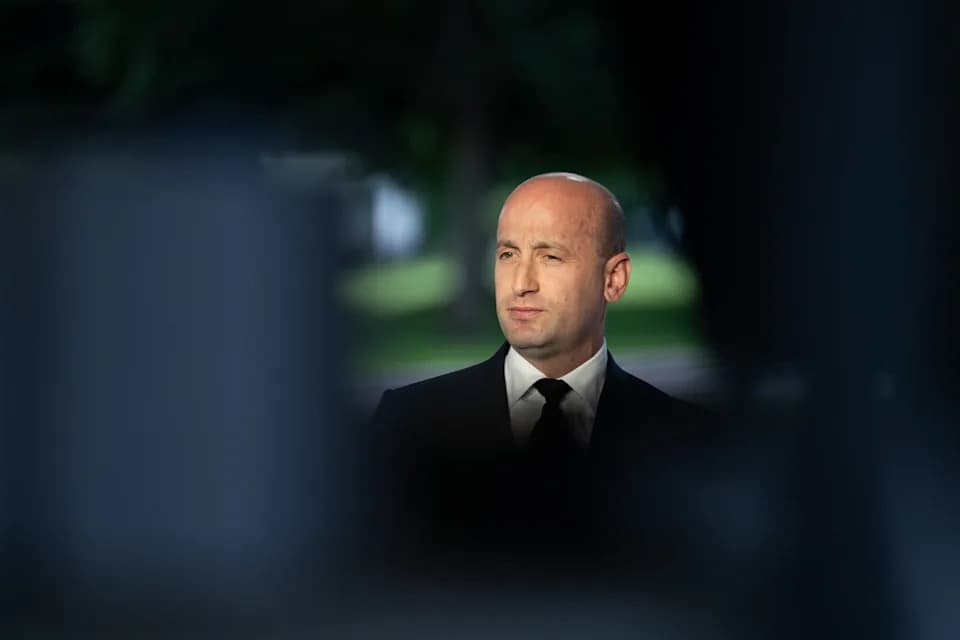
Stephen Miller walks from Marine One after arriving at the White House on January 27, 2026. - Alex Brandon/AP
“Stephen is laser-focused on implementing the president’s agenda and the high success of the Homeland Security Council showcases that,” a White House official told CNN, citing initiatives such as the “DC Safe and Beautiful Task Force” and recent maritime enforcement actions. “This is the definition of good government.”
Miller, a former Senate aide with a long-standing fixation on immigration policy, joined Trump’s 2016 campaign early and was among the few aides to remain through the president’s first term. He has grown more influential in Trump’s second term, weighing in on a wide range of issues as the administration seeks to reshape federal policy and enforcement priorities.
Some inside the West Wing scoff at the idea Miller could be removed over the Minneapolis response. “It’s not even on his radar,” a White House official said, dismissing suggestions that Miller would be fired after the incident. By Wednesday, Miller had resumed posting on X about arrests of “Minnesota rioters” and criticizing what he called a “dangerous” immigration policy backed by Democrats.
CNN reporters Paula Reid and Michael Williams contributed reporting to the original story.
Help us improve.